

One of the most important things for people with high blood pressure is to control it. Because persistently high pressure inside the blood vessels can easily damage the vessel walls, increasing the risk of heart attack and stroke.
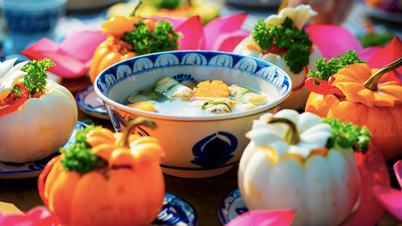
Depending on individual needs, some people choose to be completely vegetarian while others opt for a vegetarian diet on certain days of the week. However, maintaining a vegetarian diet for an extended period can easily lead to deficiencies in certain nutrients found only in animal products, such as vitamin B12. Therefore, experts recommend that vegetarians consume more eggs and dairy products to avoid vitamin B12 deficiency, according to the health website Healthline (USA).
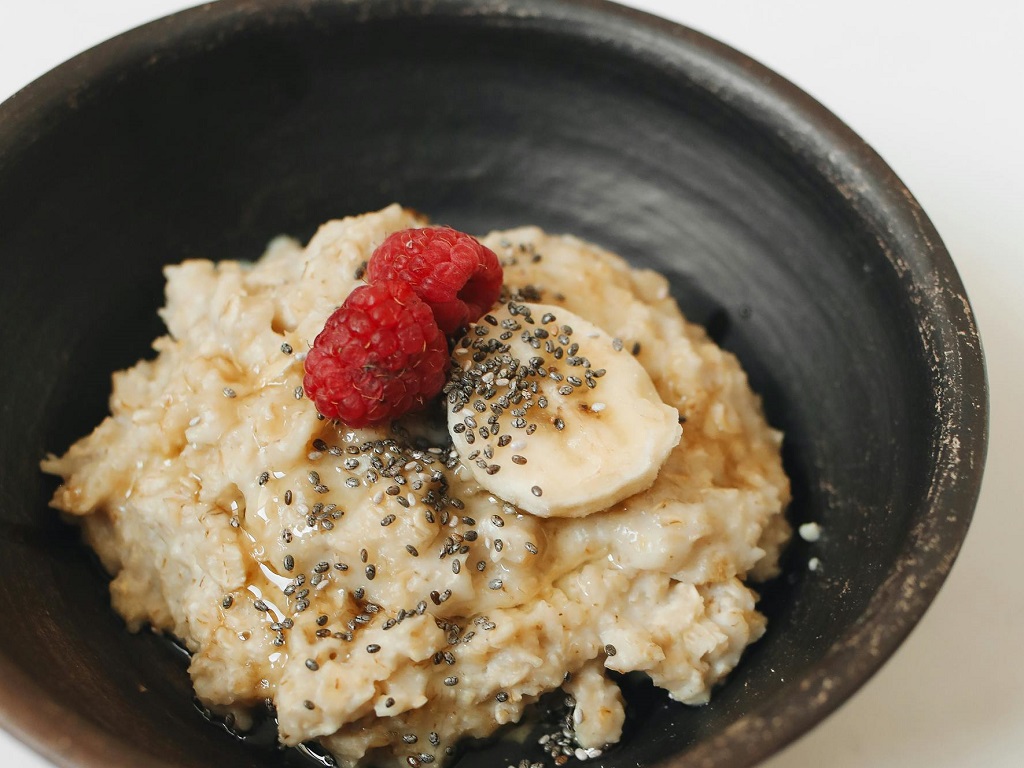
Oatmeal, with its high fiber content, can help lower blood pressure.
For those with a balanced diet, plant-based foods should make up about 50 to 55% of their total daily calorie intake. However, these plant-based sources should be complex carbohydrates, such as vegetables and fruits.
A study published in the journal Current Nutrition Reports found that consuming large amounts of refined carbohydrates, such as white starch or sugar, can lead to abnormally high blood sugar levels and blood pressure.
One of the key components in plants that can help lower blood pressure is fiber. Fiber stimulates the growth of beneficial bacteria in the gut, which helps produce more short-chain fatty acids, thereby lowering blood pressure.
Additionally, fiber-rich plants also have a lower glycemic index. A low glycemic index does not raise blood glucose levels, thereby reducing insulin and leptin levels. These effects contribute to lower blood pressure.
A study published in the Journal of Hypertension found that a high-fiber diet reduced systolic and diastolic blood pressure by 6 mmHg and 4 mmHg, respectively.
Additionally, another study in the journal Hypertension identified the minimum amount of fiber a person needs to consume. Specifically, men need 38 grams of fiber per day, while the figure for women is 28 grams. For every additional 5 grams of fiber consumed per day, systolic blood pressure decreases by 2.8 mmHg and diastolic blood pressure decreases by 2.1 mmHg.
The best sources of fiber for healthy eating, especially vegetarians, are whole grains. High-quality whole grains include brown rice, oats, and barley.
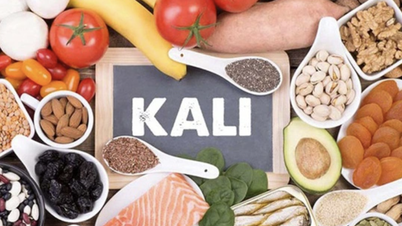
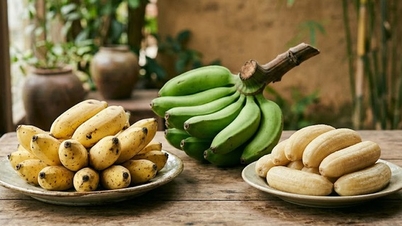
If these cereals taste bland, try eating some bananas. Bananas are a great source of potassium, with about 422 mg of potassium in a medium-sized banana. Potassium, when consumed, dilates blood vessels and lowers blood pressure, according to Healthline .
Source: https://thanhnien.vn/cach-an-chay-giup-giam-huyet-ap-185241103204530042.htm






























































































Comment (0)