

1. Mechanism of kidney stone formation
- 1. Mechanism of kidney stone formation
- 2. Risk factors for kidney stones
- 3. Important notes regarding calcium sources
The most common type of kidney stone is calcium oxalate. These stones form when the concentration of calcium and oxalate in the urine increases, creating conditions for calcium oxalate crystals to accumulate and grow in the urinary tract.
Many people believe that restricting calcium intake will reduce the risk of kidney stones. However, studies show that this is not entirely accurate. In fact, a calcium-deficient diet can increase oxalate absorption from the digestive tract, thereby increasing the risk of calcium oxalate stone formation.
When adequately supplied through food, calcium binds with oxalate in the intestines, forming poorly absorbed compounds that are then excreted in the feces. As a result, the amount of oxalate entering the bloodstream and being excreted in the urine is reduced.
Conversely, if the calcium intake in the diet is too low, more oxalate will be absorbed through the digestive tract, increasing the concentration of oxalate in the urine. This creates favorable conditions for the crystallization and formation of calcium oxalate kidney stones.
Therefore, many studies have noted that maintaining adequate calcium intake as recommended, primarily from foods such as milk and dairy products, can contribute to reducing the risk of calcium oxalate kidney stone formation in adults.
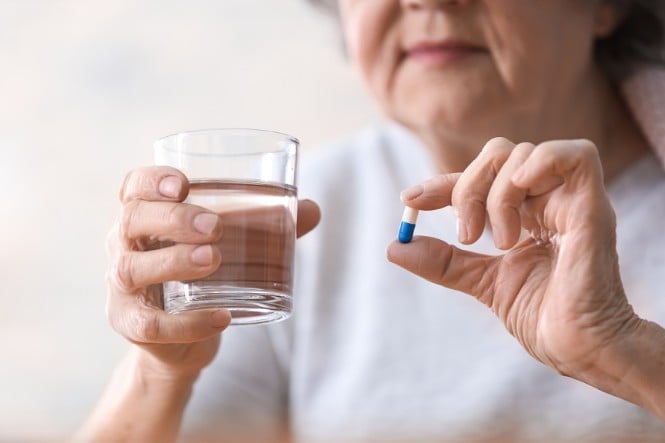
Prioritize calcium from natural food sources, drink plenty of water, reduce salt intake, and if using supplements, follow the instructions of your pharmacist or doctor.
2. Risk factors for kidney stones
Salt intake: A diet that is too salty (excess sodium) will increase calcium excretion in urine. This is the main reason for increased calcium concentration in the kidneys and the formation of stones.
Dehydration: When the body is dehydrated, urine becomes concentrated, making it easier for calcium oxalate crystals to clump together.
Excessive animal protein: Animal protein increases the acidity of urine and promotes the excretion of calcium and oxalate, while reducing the amount of citrate (a substance that helps prevent stone formation).
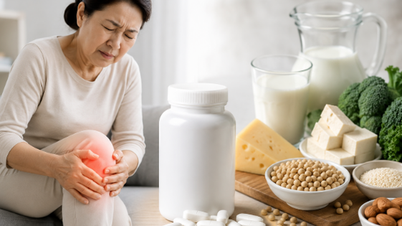
Extreme calcium reduction not only fails to prevent kidney stones but also increases the risk of osteoporosis. The key lies in smart supplementation: prioritize calcium from natural foods, drink enough water, reduce salt intake, and if using supplements, take them at the right time during meals as directed by your pharmacist or doctor.
3. Important considerations when supplementing calcium
Although calcium from food is ideal, if calcium supplements are needed, patients must adhere to safety guidelines:
Timing is crucial for effectiveness: If you are prescribed calcium supplements, take them during or immediately after a meal. This allows calcium to reach the intestines in time to bind with oxalate from food, preventing its absorption into the bloodstream.
Dosage form selection: Organic calcium forms (such as calcium citrate) are generally preferred for individuals prone to kidney stones because they have better solubility and are less likely to cause deposits compared to conventional inorganic calcium forms.
Supplementing with vitamins D and K2: For calcium to be transported correctly to the bones without depositing in soft tissues or the kidney's filtering system, the presence of vitamins D3 and K2 is essential. This is the golden trio that optimizes calcium absorption.
Please check out more videos of interest:
Source: https://suckhoedoisong.vn/cach-bo-sung-canxi-ma-khong-lo-bi-soi-than-169260531153229362.htm
























































![[Video] Sunset at Lap An Lagoon – Where the sun sets over the fishing nets](https://vphoto.vietnam.vn/thumb/1200x675/vietnam/resource/IMAGE/2026/05/31/1780192137701_beach-landscape-sea-water-nature-grass-745871-pxhere-com.jpeg)








































Comment (0)