

Why does the body need more water when exercising?
During exercise, the body generates a large amount of heat to regulate body temperature, and the body sweats to cool the skin . When sweat evaporates, water and electrolytes such as sodium and potassium are also lost. If adequate water is not replenished, the body may experience:
- Tired.
- Dizzy.
- Reduced ability to concentrate.
- Headache.
- Muscle cramps.
- My heart is beating fast.
- Reduced athletic performance....
In more severe cases, prolonged dehydration can lead to heat exhaustion or heatstroke, especially when exercising outdoors in hot weather.
How should we drink water?
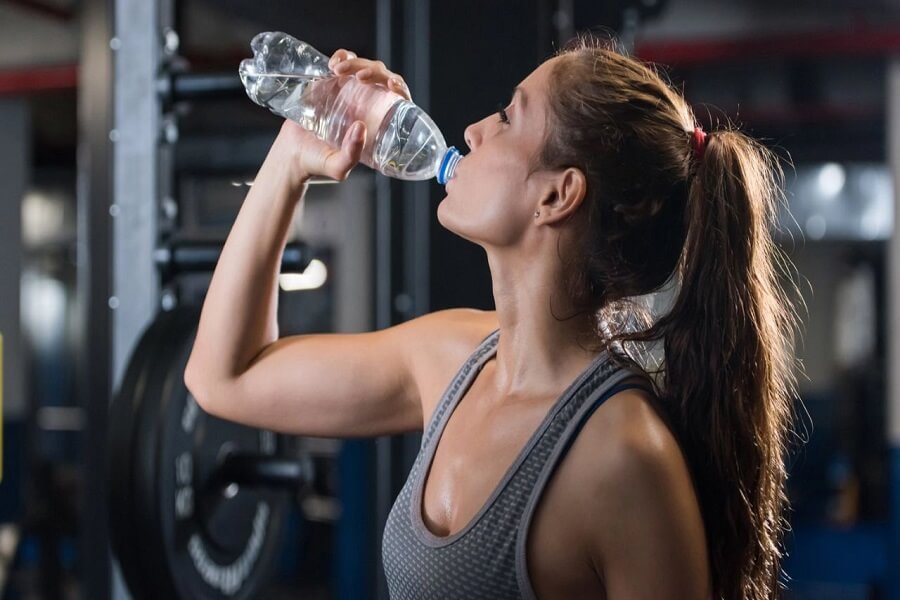
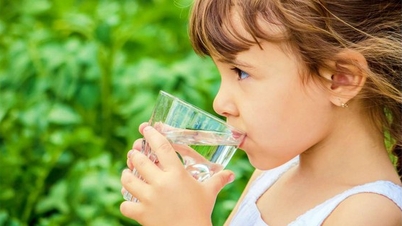
It's important to drink water at the right times before, during, and after exercise.
Many people only drink water when they feel thirsty; however, this is not the ideal time. Thirst usually only arises when the body is already dehydrated, so it's better to drink water before feeling thirsty. Proper hydration during and after exercise is crucial for maintaining fitness and protecting long-term health.
Before exercise: Drinking water before working out helps your body enter the workout in a well-hydrated state and ensures stable circulation.
Experts often recommend:
- Drink about 400–600ml of water 2–3 hours before exercising.
- You can add a small amount of water about 15-20 minutes before starting exercise if you feel dry mouth or if the weather is hot.
Avoid drinking too much water right before exercising as it can cause bloating, discomfort, or affect your performance.
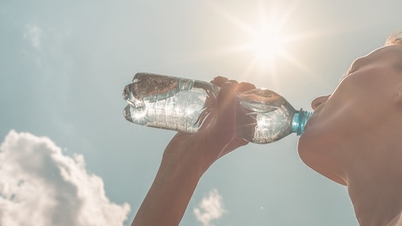
During exercise: During physical activity, the body needs to be regularly hydrated instead of waiting until thirsty to drink.
Depending on the intensity of exercise and weather conditions, it is possible to:
- Drink in small sips every 15–20 minutes, averaging about 150–250ml each time.
- Drinking in small amounts allows for better absorption and reduces the feeling of fullness in the stomach.
For workouts lasting over 60 minutes or high-intensity exercise, the body not only loses water but also electrolytes.
In that case, the following could be considered:
- Electrolyzed water,
- Suitable sports drinks,
- Alternatively, eat foods rich in potassium and sodium after your workout.
However, sugary sports drinks should not be overused as they can lead to unnecessary calorie intake.
After exercise: After physical activity, the body continues to lose water through sweat and metabolic recovery. Therefore, rehydration after exercise is very important.
Therefore, it is necessary to:
- Drink water slowly over several hours after exercise, combined with a balanced diet, to help restore electrolyte balance naturally.
- Plain water is usually sufficient for light to moderate exercise. However, those exercising intensely or sweating profusely may need to supplement with sodium, potassium, and magnesium.
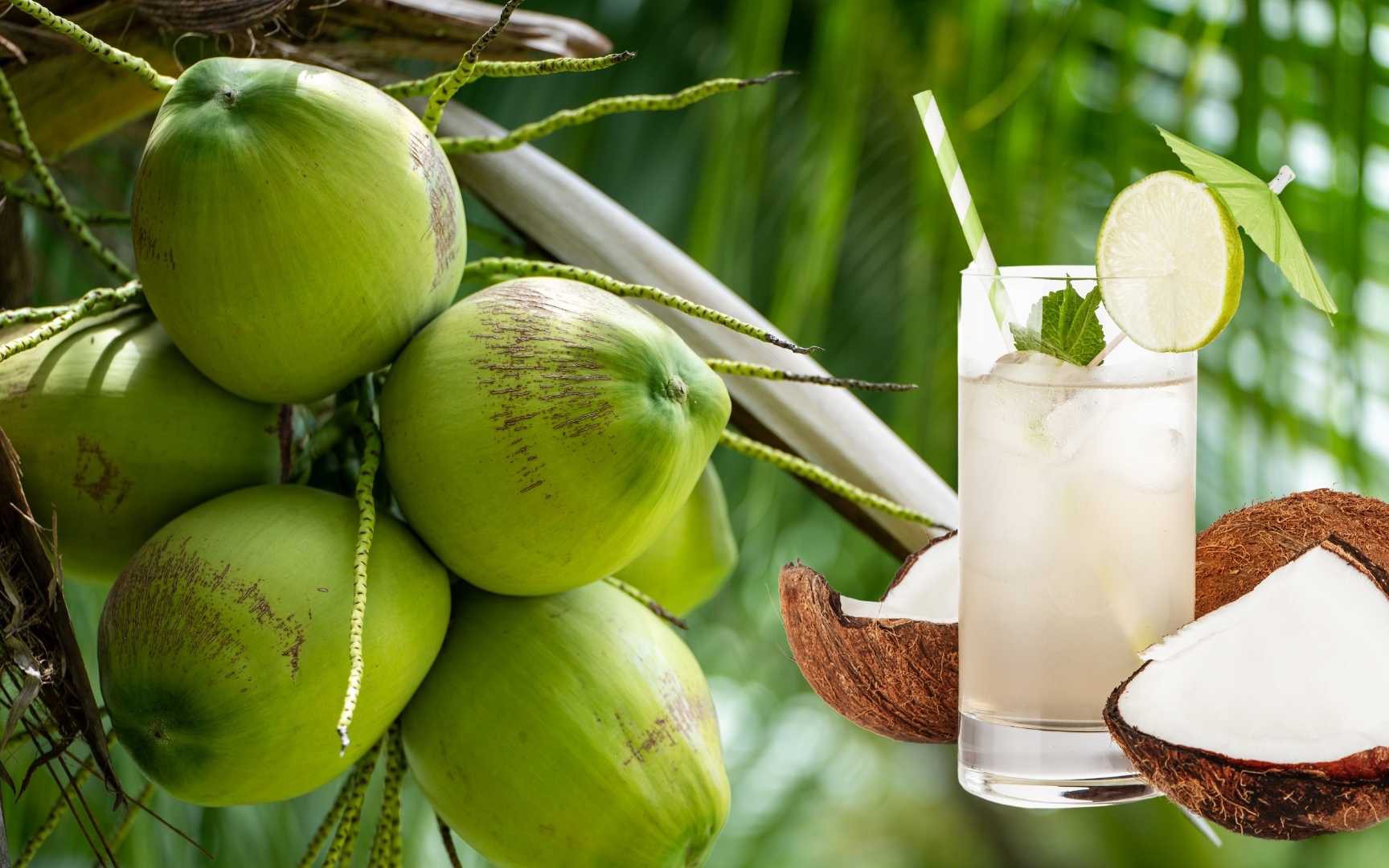
Natural food sources that help replenish fluids and electrolytes include: coconut water, bananas, oranges, watermelon, milk, and vegetable soup.
3. Common mistakes when rehydrating during exercise
- Only drink when you feel thirsty: If you wait until you're very thirsty to drink, your athletic performance may have already decreased significantly.
- Drinking too much water in a short period of time: Consuming excessive amounts of water at once can cause bloating, discomfort, and in rare cases, hyponatremia.
- Excessive consumption of soft drinks or energy drinks: Many energy drinks contain caffeine, sugar, stimulants, etc., which can increase heart rate or lead to excess calories if consumed regularly.
- Neglecting electrolytes during high-intensity exercise: People who exercise for extended periods and sweat profusely but only drink water may easily experience muscle cramps and fatigue due to the loss of sodium and potassium.
Warning signs that your body is dehydrated during exercise.
Some common symptoms include: dry mouth, dark urine, dizziness, headache, unusual fatigue, decreased concentration, and muscle cramps.
If you experience dizziness, nausea, rapid heartbeat, fainting, or a high body temperature, stop exercising immediately and rehydrate appropriately. Seek medical attention if symptoms are severe.
Readers are invited to watch the video for more information:
Source: https://suckhoedoisong.vn/cach-bo-sung-nuoc-dung-khi-luyen-tap-the-thao-169260531124657922.htm




































![[Video] Sunset at Lap An Lagoon – Where the sun sets over the fishing nets](https://vphoto.vietnam.vn/thumb/1200x675/vietnam/resource/IMAGE/2026/05/31/1780192137701_beach-landscape-sea-water-nature-grass-745871-pxhere-com.jpeg)

























Comment (0)