

Acne and other types of pimples are most common during puberty, accounting for approximately 80% of cases. Understanding the different types of acne, as well as how to care for and prevent them, will help control this condition more effectively.
Common types of acne
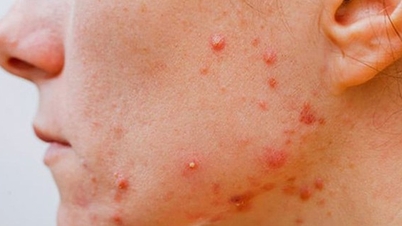
Acne is classified based on its characteristics and causes. Below are some common types of acne:
- Whiteheads
- Common types of acne
- Skincare after acne treatment
- Effective ways to prevent acne
Whiteheads typically appear as small, clustered bumps or blackheads, mainly distributed on the forehead, cheeks, and nose. These types of pimples are located deep beneath the skin's surface, are painless, and difficult to detect with the naked eye; they are primarily discovered by touching the skin.
In some cases, persistent whiteheads may be related to hormonal imbalances or other health problems.
- Blackheads
This is a type of non-inflammatory acne that occurs when pores are clogged but still open. When exposed to air, the acne lesion oxidizes and turns black.
Blackheads are typically small, about 1–2 mm in size, and appear frequently in the T-zone such as the forehead, nose, and chin, or on the back and shoulders.
- Pimples
Cystic acne is a severe form of inflammatory acne, characterized by large pimples containing white or yellow pus, causing noticeable swelling and pain. These pimples are usually located deep under the skin and may appear individually or in clusters.
Initially, pimples are hard and difficult to burst; later, they become softer and easier to break, causing pain and potentially leaving scars if not treated properly.
- Boil
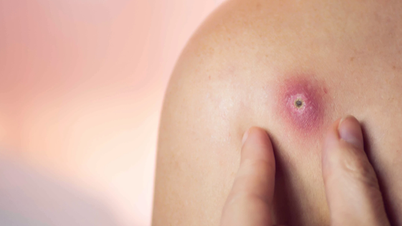
Boils (or furuncles) typically appear around the mouth, chin, and lips. Initially, they are red, swollen bumps at the base of the beard, which then develop into pustules with black cores.
This type of acne is dangerous because it can cause swelling, fever, and even widespread infection if not treated properly.
- cystic acne
Cystic acne is a severe form of acne that forms deep within the skin, creating large, swollen, tumor-like masses. These masses contain pus, causing pain and often leading to scarring.
Acne commonly appears on the face, neck, back, and chest, and can be solitary or clustered together.
- Skin tags
Skin tags are benign tumors that are painless but make the skin rough and unsightly. They are usually small (1–3 mm), similar in color to the skin or slightly yellowish. Common locations include around the eyes, forehead, neck, armpits, or chest.
Skincare after acne treatment
After acne treatment, the skin is often weak and vulnerable, so proper care is needed to prevent dark spots, scarring, and recurrence.
Use appropriate skincare products, including those containing vitamin C, to brighten skin and reduce dark spots. Additionally, combine these with scar-preventing products containing vitamins A, B, and C to support skin recovery.
You can use natural masks or commercially available products, but make sure they are from a reputable source and safe for your skin. Using toner helps to deeply cleanse, control oil, and balance pH levels, thereby reducing the risk of acne recurrence.
If you notice any unusual symptoms in your pimples, such as swelling, infection, or excessive discharge of yellow fluid or pus, you should immediately go to a medical facility for examination and specific advice.
Effective ways to prevent acne
To minimize acne breakouts and recurrence, establishing a proper skincare routine is crucial.
- It's necessary to wash your face daily with clean water and a suitable facial cleanser to remove dirt and excess oil. Use cool or lukewarm water, avoiding water that is too hot as it can strip away the skin's natural protective barrier.
- Avoid rubbing or squeezing pimples improperly, as this can easily damage the skin, cause infection, and leave scars.

It is necessary to wash your face every day with clean water and a suitable facial cleanser to remove dirt and excess oil.
- Avoid touching your face with your hands, as hands harbor many bacteria. Frequently touching your face increases the risk of infection and acne formation.
- Sunlight can increase oil production in the skin and worsen acne. It's important to protect your skin with hats, sunglasses, masks, and appropriate sunscreen.
- Maintain a healthy diet by limiting fatty foods, fast food, sugary drinks, and sweets. Instead, include plenty of green vegetables, fruits, and drink enough water to support healthy skin.
Maintaining a healthy lifestyle through regular exercise, sufficient sleep, and a relaxed state of mind will help balance hormones and improve skin condition.
In summary: Acne is a common problem but is completely controllable with proper care. The important thing is to maintain a healthy lifestyle, practice proper skin hygiene, and avoid self-treating without sufficient knowledge.
In cases of severe, persistent acne or signs of infection, patients should visit a medical facility to be examined by a specialist and receive advice on appropriate treatment methods.
Healthy skin not only improves appearance but also contributes to increased self-confidence and quality of life.
Source: https://suckhoedoisong.vn/cach-cham-care-da-and-effective-acne-prevention-169260417191642839.htm

































































































Comment (0)