

Helps relieve headaches.
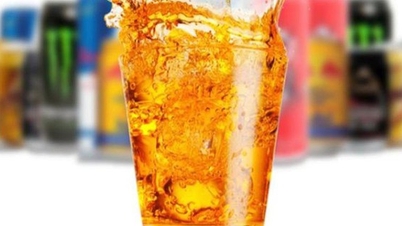
Caffeine acts as an analgesic (pain reliever). Even a small dose of caffeine can relieve mild headaches. Many over-the-counter pain relievers contain low doses of caffeine because the combination of caffeine and pain medication makes the drug more effective. For people with migraines or tension headaches, an appropriate dose of caffeine in common pain relievers can significantly improve treatment effectiveness.
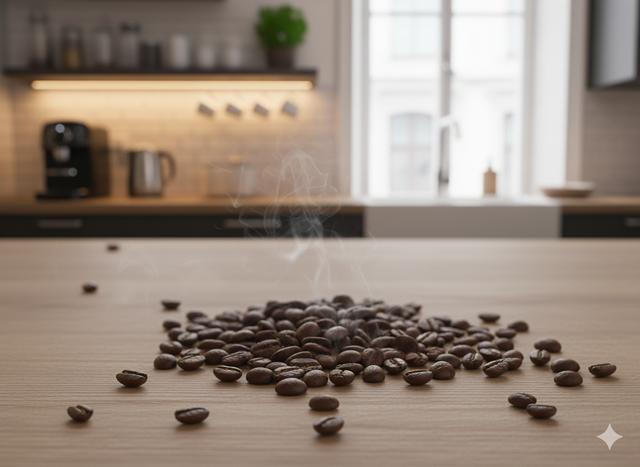
The effects of caffeine vary from person to person.
Photo: AI
Causes of headaches
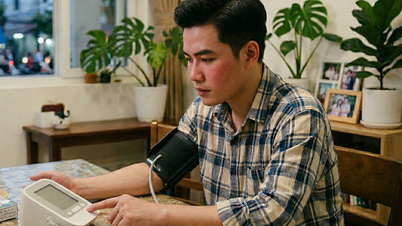
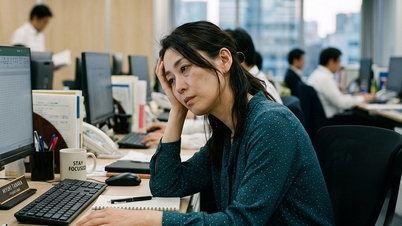
However, caffeine is one of the common triggers for migraines. Many studies have shown a link between daily caffeine consumption and chronic headaches, meaning headaches experienced 15 or more days a month for more than 3 months.
Regular caffeine consumption can lead to dependence, which can also cause headaches if you don't get your caffeine fix. For example, if you skip caffeine for a day or postpone it, you might experience caffeine withdrawal syndrome, in which headaches are the most common symptom.
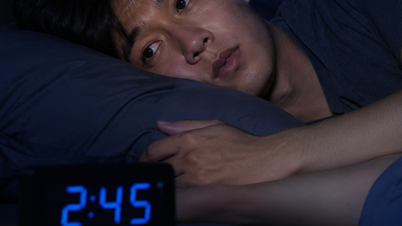
Caffeine can also indirectly cause headaches because it affects other aspects of health. As a stimulant and wakefulness enhancer, it can disrupt sleep. Furthermore, because caffeine has a diuretic effect, it can also lead to dehydration. These factors can all indirectly trigger migraines.
The effects of caffeine vary from person to person.
According to experts, whether caffeine relieves or causes headaches depends on each individual's body. However, those who experience migraines or infrequent headaches may consume less than 200 milligrams of caffeine per day.
If you suspect that caffeine is causing your headaches, you should try stopping it to see if that resolves the issue. Experts recommend reducing caffeine intake by about 25% each week to avoid caffeine withdrawal symptoms. Additionally, talk to your doctor to determine what dosage is safe for you without causing headaches.
Source: https://thanhnien.vn/caffeine-va-dau-dau-con-dao-2-luoi-185250927123839845.htm

![[Image] "Journey of Hope" promotes the organ and tissue donation movement in Vietnam.](https://vphoto.vietnam.vn/thumb/1200x675/vietnam/resource/IMAGE/2026/05/20/1779294400833_1-8910-jpg.webp)
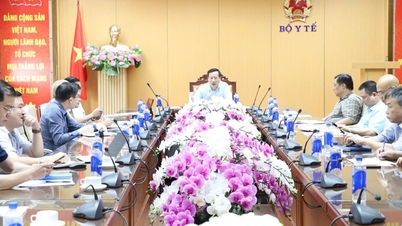
![[Photo] General Secretary and President To Lam works with the Party Committee of the Ministry of Health on the work of Vietnamese traditional medicine.](https://vphoto.vietnam.vn/thumb/1200x675/vietnam/resource/IMAGE/2026/05/20/1779294323718_a1-bnd-2978-3319-jpg.webp)






























































Comment (0)