

A recent study published in the scientific journal Scientific Reports has found the answer. The research, led by Associate Professor Palatty Allesh Sinu from the University of Central Kerala (India), analyzed 68 civet droppings collected during the peak harvest season in Kodagu, an area that produces 36% of India's coffee output. The authors compared Robusta coffee beans processed by civets with beans hand-picked from the same plantation.

Civet coffee beans have a fat content of 8.4%, compared to 5.9% in regular coffee beans.
Illustration: AI
The results revealed the following differences:
Civet coffee beans have a fat content of 8.4% compared to 5.9% in regular coffee beans. Two key compounds that contribute to the aroma and milky flavor of civet coffee beans are caprylic acid methyl ester and capric acid methyl ester, both of which are tenfold higher in civet coffee than in regular coffee. However, protein, caffeine, pH, acidity, and total sugar content do not differ significantly, according to Study Finds .
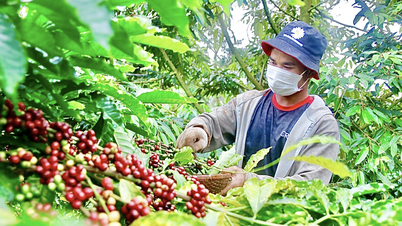
The results also showed that coffee beans from civet droppings were larger than those harvested manually, particularly noticeable in traditional farms. Researchers explained that this was because civets actively selected ripe, fleshy coffee cherries to eat, rather than the size of the beans being altered by their digestive system.
Furthermore, researchers explain that another reason for the high price of civet coffee is its unique origin and scarcity. They conclude that the true value of this cup of coffee lies in its "luxury" and novel experience.
Source: https://thanhnien.vn/dang-sau-tach-ca-phe-dat-do-hang-dau-the-gioi-185260101181919531.htm

































































































Comment (0)