The "four-party handshake"
As our elders used to say, we have to learn everything: "Learn how to eat, how to speak, how to wrap, and how to unwrap," and now we have to learn how to shake hands. A handshake brings joy, but sometimes it can also unintentionally lead to criticism for being awkward or lacking enthusiasm.
Recently, on a forum, a passionate businessman argued that sustainable agricultural development requires a "four-way collaboration": businesses, farmers, scientists, and the government.
This article only discusses the handshake between entrepreneurs and farmers. The handshake between different groups within the four will be discussed in another article, or if anyone else feels inspired, they should also write about it to share their feelings. Everyone has the inherent talent for writing and journalism.
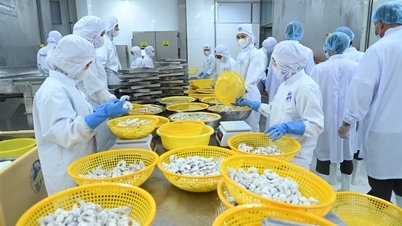
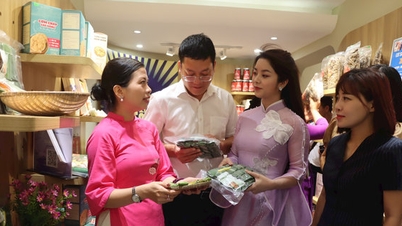
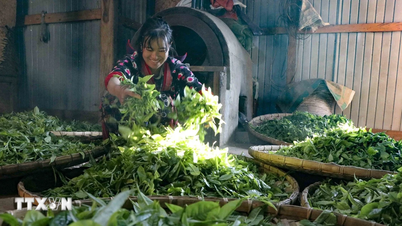
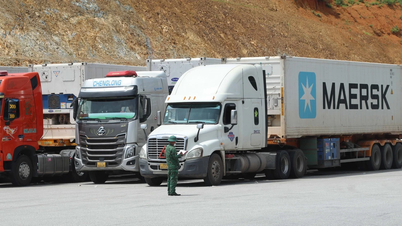
In the agricultural sector, except for the closed-loop supply chain of enterprises, farmers handle the production stage, known as input; enterprises handle procurement, preservation, processing, distribution, and export, known as output. Input and output are closely related, symbiotically interdependent; without this connection, the industry is fragile. Without input, there can be no output; having input but lacking output will lead to stagnation. Therefore, the two ends need to join hands, but who should take the initiative first? One entrepreneur asserts that it must be the entrepreneurs!
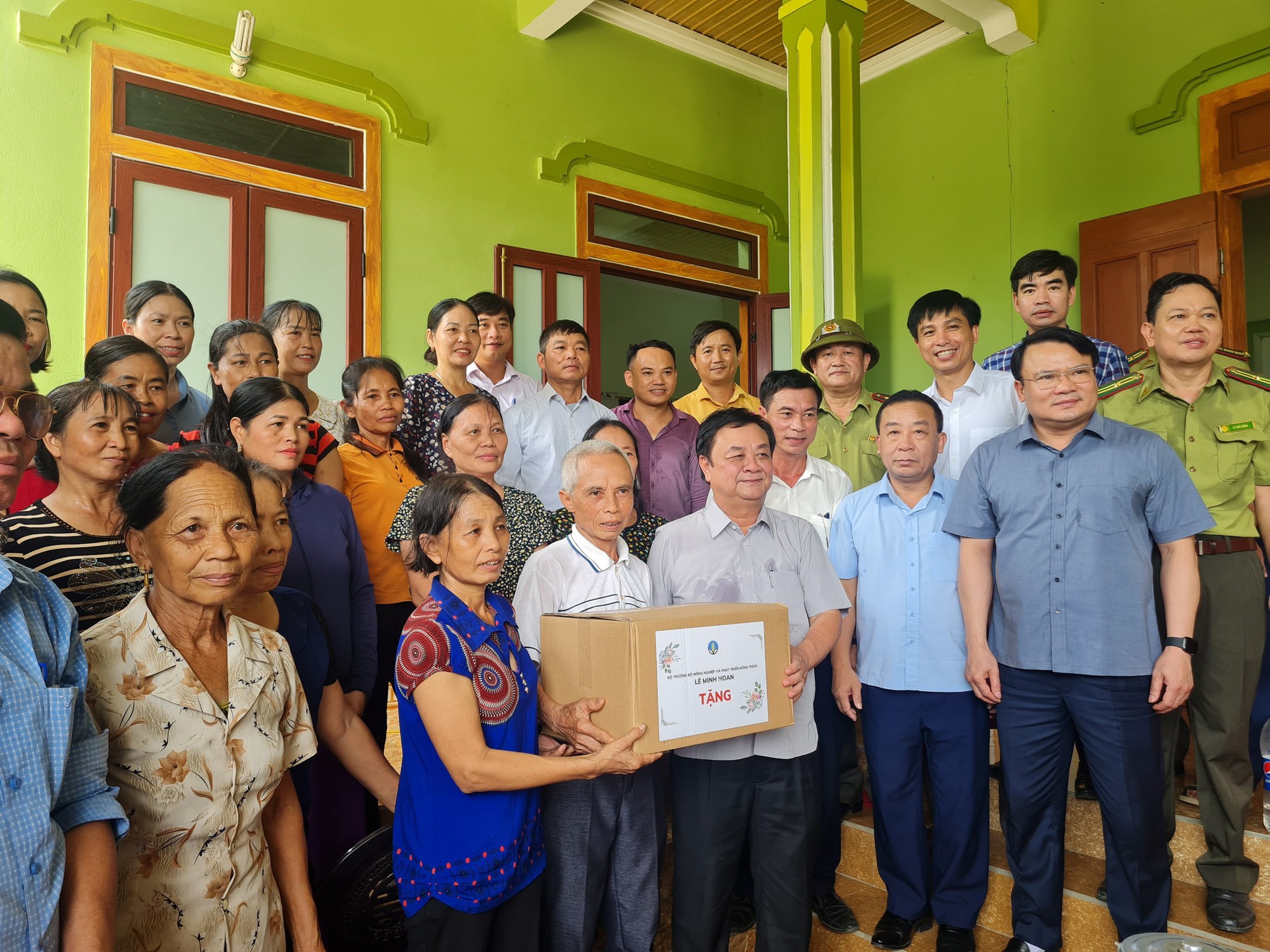
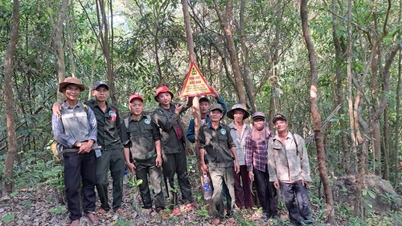
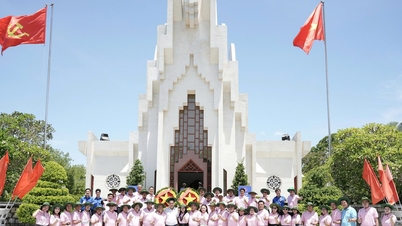
Minister of Agriculture and Rural Development Le Minh Hoan, along with leaders of Nghe An province and the Department of Agriculture and Rural Development of Nghe An province, interacted with and presented gifts to people of the forest planting cooperative in Hamlet 1, Linh Son commune, Anh Son district, Nghe An province. Photo: KN
In the agricultural sector, except for the closed-loop supply chain of enterprises, farmers handle the production stage, known as input; enterprises handle procurement, preservation, processing, distribution, and export, known as output. Input and output are closely related, symbiotically interdependent; without this connection, the industry is fragile. Without input, there can be no output; having input but lacking output will lead to stagnation. Therefore, the two ends need to join hands, but who should take the initiative first? One entrepreneur asserts that it must be the entrepreneurs!
A respected professor concluded: a country where groups of people sit separately will develop slowly. In society, it's common for the rich to associate with the rich, the poor with the poor; the elderly to gather with the elderly, the young to socialize with the young; the elite to hold discussions with the elite; and ordinary people to congregate with ordinary people. Similarly, businessmen sit separately in forums to discuss business deals, while farmers stand alone in their fields discussing the harvest.


When each person, each social class, each space is separate, it's difficult to understand each other and work together for the long term. Every day, the media reports on various instances of broken contracts between businesses and farmers. Sometimes it's the business breaking its promise, abandoning the deal and refusing to buy when prices fall. Other times, it's the farmer reneging on the agreement, returning the deposit and refusing to sell when prices rise. This vicious cycle, though showing some improvement recently, occurs every season. "Is it their fault, hers, or both?" Thinking about it is heartbreaking!
Visiting a rice processing business in a country not far from my own left me with much to ponder. The business owner confided that, on the traditional Lunar New Year, the first people to visit are the rice farmers who supply the factory with raw materials. He further expressed: "Thanks to those farmers, I have the business I have today, so I am grateful to them!" Ah, it turns out that this owner's business philosophy isn't about "buying and selling at high prices," but about gratitude and giving back!
Farmers need businesses to consume their agricultural products, but they also desperately need sincere handshakes from entrepreneurs.
Let's join hands to go further, go faster!
Many businesspeople share the difficulties they face when doing business with farmers. They complain about various issues, haggling over prices, and quality not meeting commitments – sometimes even with written agreements, farmers sell to other buyers when prices rise. They all hope for government intervention with strong sanctions. Is this due to a business mindset of "buyer and seller agreeable," creating difficulties for both sides, or is it simply a case of "both sides being at fault"?
The concept of bartering, then exchanging goods for money, and finally money for goods, has been present in classical economic theories for several hundred years. Modern business management theory takes non-economic approaches such as those based on culture, beliefs, and community thinking.
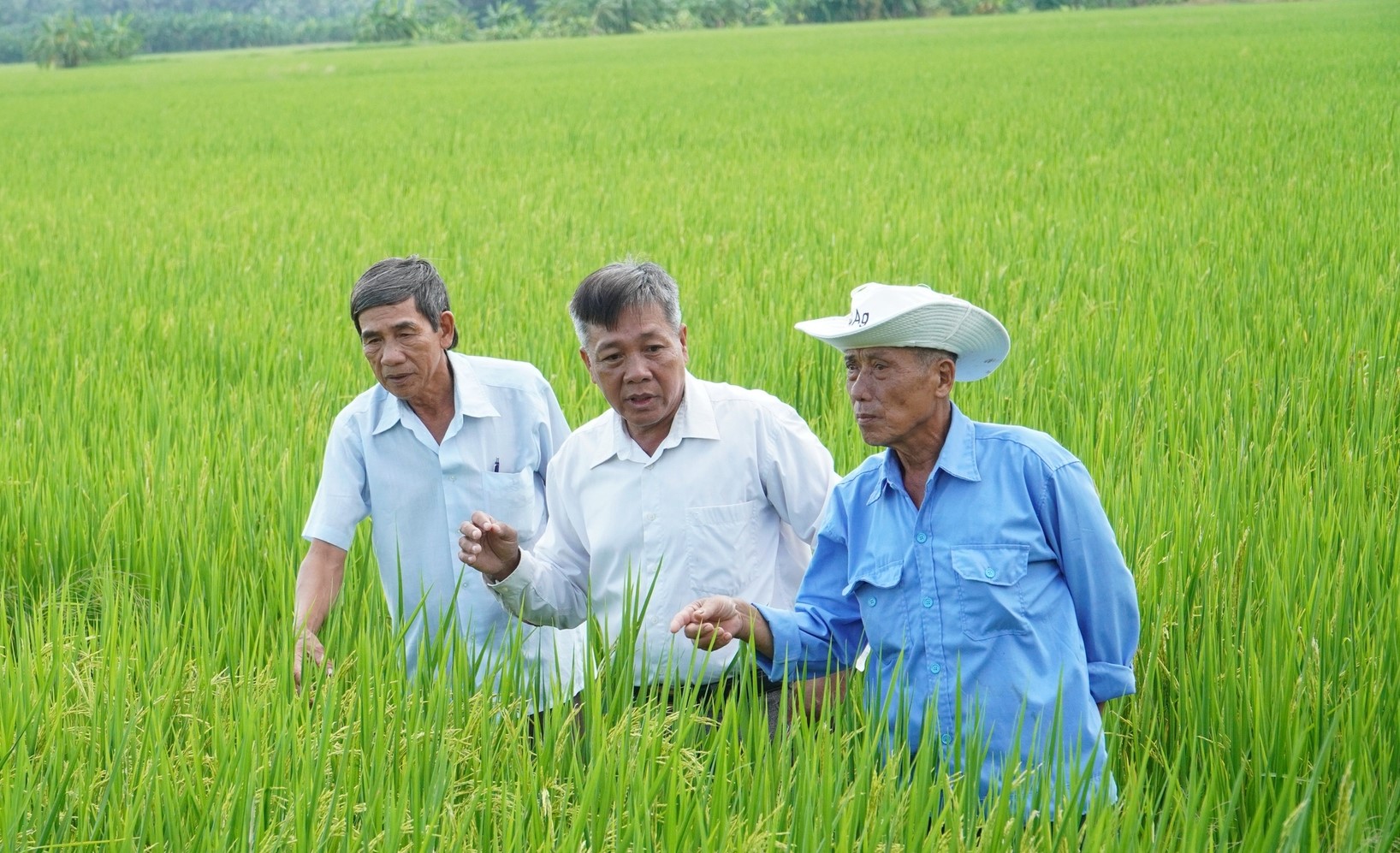
Farmers in Soc Trang province are collaborating to participate in the project to cultivate 1 million hectares of high-quality rice. Photo: HX
Businesspeople, despite facing numerous challenges and enduring hardships in the marketplace, undoubtedly have more advantages than farmers. They possess greater knowledge due to their travels and generally enjoy a more comfortable life thanks to their dynamism and the opportunity to pursue other ventures besides their main occupation. Farmers, on the other hand, are confined to their fields, forests, livestock pens, and fish cages. Everything depends on each harvest season and each farming cycle. Sometimes, they prioritize immediate gains over long-term prospects.
Farmers need businesses to consume their agricultural products, but they also desperately need the sincere handshakes of entrepreneurs. A handshake is a commitment to long-term partnership. A handshake instills confidence after a disappointing harvest due to natural disasters or disease. A handshake expresses gratitude and appreciation for the farmers. The writer Nguyen Huy Thiep, who often writes about rural farmers, reminds himself, and perhaps everyone else, of this: "My mother was a farmer, I was born in the countryside."



Entrepreneurs are building corporate culture. Ultimately, culture depends on how relationships are built. Visiting relatives in one's hometown, with small gifts but a big heart, will create a sense of kinship. If you call each other relatives, treat them as relatives, not just as business partners under a contract. Besides sending staff to purchase goods, entrepreneurs going directly to the fields, shaking hands and greeting farmers will create happiness for both sides. Organizing visits for relatives to the factory, sharing how to create added value, will increase pride for both parties.
Industry associations are not just spaces for entrepreneurs and business owners. Meetings and events attended by farmers and raw material suppliers provide opportunities for mutual understanding, sharing joys and sorrows, and joining hands for long-term success. Sharing a meal or attending a celebratory gathering fosters connection. Only through heartfelt connection can lasting bonds be established, and as the saying goes, "The shortest path to a person's heart is through their stomach!"
A famous writer once remarked, "There are hands I've touched that feel like they belong to people miles apart. But there are also handshakes that are full of light, whose handshake leaves you with an incredibly warm feeling."
Come on, let's join hands to go further, go faster!
Source: https://danviet.vn/cai-bat-tay-voi-nong-dan-2024091216333545.htm
![[Photo] "Hanoi Lotus Festival" honors the lotus flower that has been associated with Vietnam for thousands of years.](https://vphoto.vietnam.vn/thumb/1200x675/vietnam/resource/IMAGE/2026/06/27/1782516943048_sen-ha-noi-2026-minh-duy-1-jpg.webp)