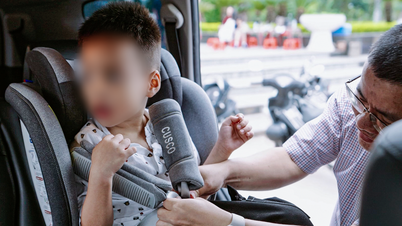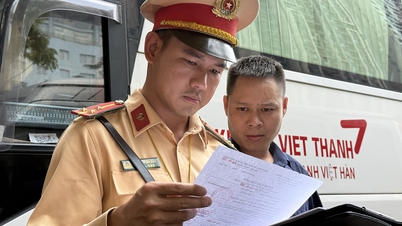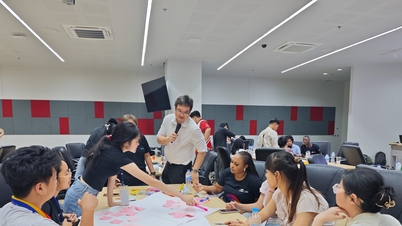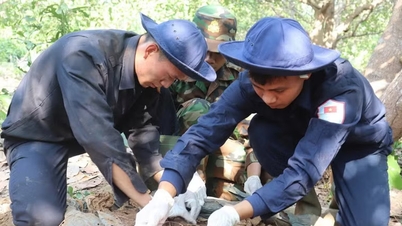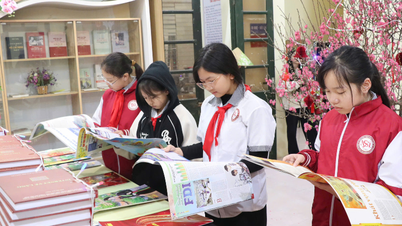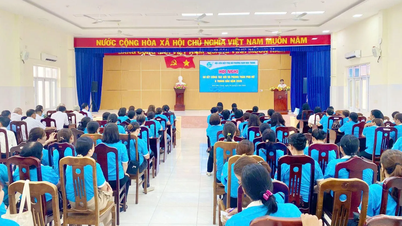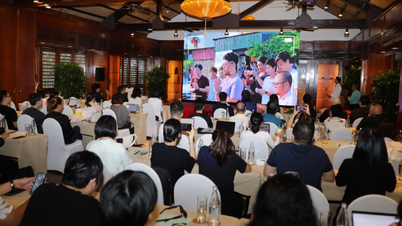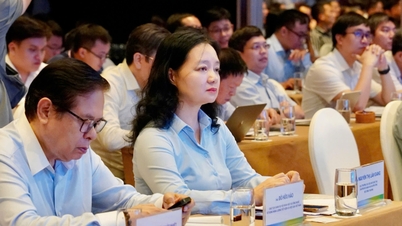
Overcoming difficulties to complete the task.
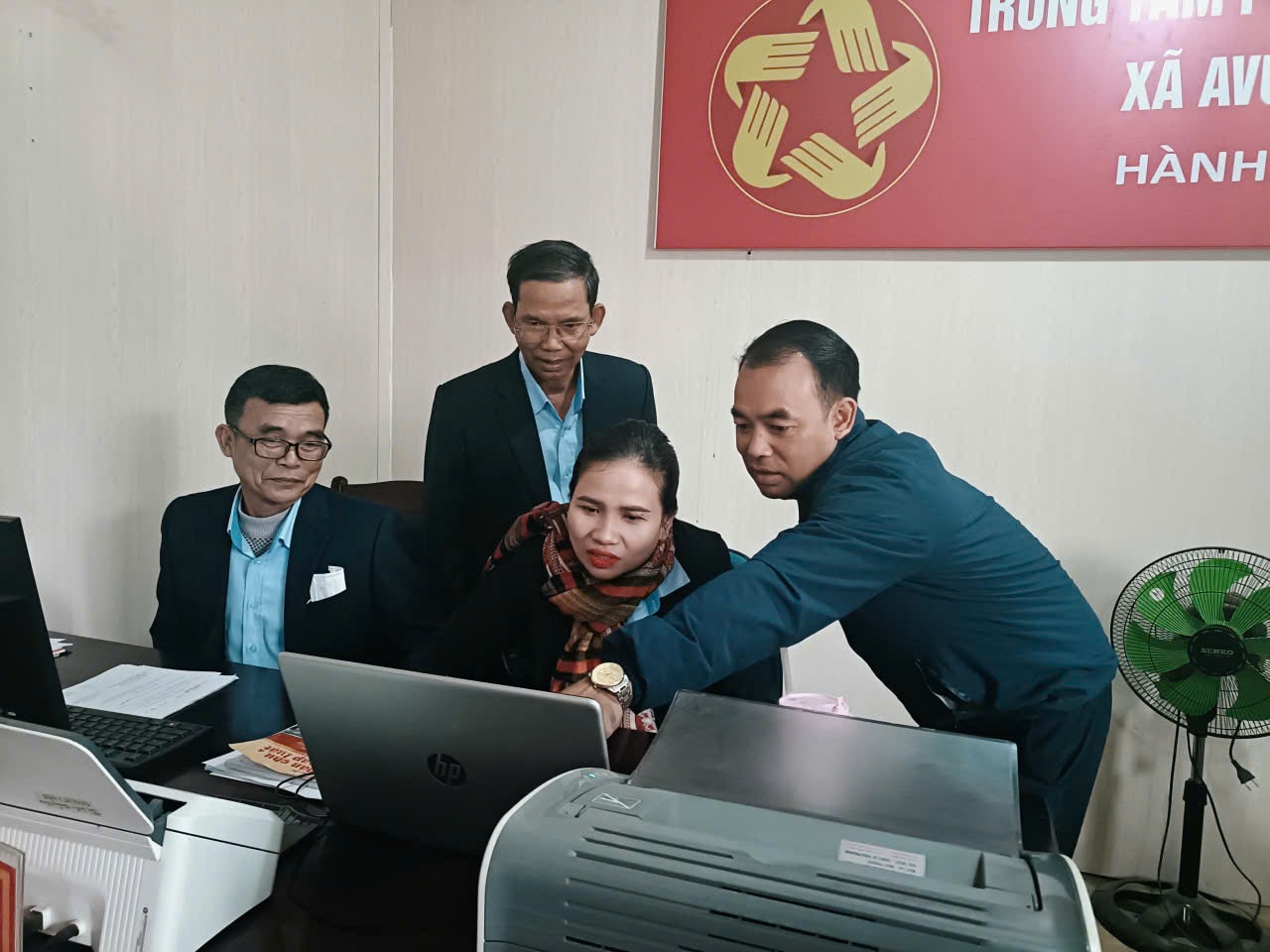
Following the merger, many officials in Avuong commune were assigned entirely new tasks. Faced with the demands of operating the system under the new model, each person adopted a learning-by-doing approach, proactively studying documents, updating regulations, and learning from colleagues to meet job requirements.
Mr. Bhling Dắp, Chief of the Office of the People's Council and People's Committee of Avương commune, said that after the administrative unit reorganization, the scope of management is wider, and the volume of files and work generated has increased significantly. To ensure the progress of work processing, officials in all departments must strengthen coordination and proactively study new regulations to promptly resolve files for citizens and businesses.
"Initially, there were some initial difficulties when approaching a new field, but we recognized this as a shared mission and had to strive to adapt. The most important thing is to ensure that work is not interrupted and to provide the best possible service to the people," Mr. Dap shared.
According to Mr. Briu Quan, Chairman of the People's Committee of Avuong commune, the locality has identified the human factor as the foundation for the effective operation of the administrative apparatus. From the beginning, the Party Committee and the People's Committee of the commune have done a good job of ideological work, creating unity in understanding; at the same time, they have reviewed the capabilities and strengths of each official to assign suitable work.
In addition, the commune implements a "hands-on" approach, assigning experienced officials to directly support those assuming new positions; regularly organizing professional exchanges and sharing practical experiences. The application of information technology and the exploitation of digital platforms are also encouraged to help officials improve their professional capacity and meet the requirements of their tasks in the new phase.
Given its unique characteristics as a mountainous border area with a vast territory and challenging transportation, the officials of Avương commune regularly go down to the grassroots level, staying close to villages and hamlets to understand the living conditions of the people, especially ethnic minorities. It is this sense of responsibility, solidarity, and determination to overcome difficulties that has helped the officials gradually adapt to their new positions and successfully complete their assigned tasks.
In Thang Dien commune, the workload is immense as the locality takes over all the files, assets, national target programs, and 77 transitional projects from the three former communes after the merger. In addition, there is a large volume of land and public asset files, planning tasks, land clearance, disbursement of public investment capital, and socio-economic development indicators.
According to Mr. Huynh Van Tung, Vice Chairman of the People's Committee of Thang Dien commune, due to limited human resources, many officials have proactively worked overtime, including on holidays, to review files, process procedures, and promptly resolve requests from citizens and businesses.


According to Mr. Huynh Van Tung, it is noteworthy that the staff has gradually changed their working mindset, from performing tasks according to their trained expertise to meeting the organization's requirements; from a mentality of waiting for instructions to proactively researching, advising, and proposing solutions; and from an administrative management mindset to serving the people and creating development. This is an important factor that helps the new apparatus quickly become stable and operational...
Accompanying and supporting staff
In practice, besides the self-effort of the staff, timely attention and support from local Party committees and authorities play a crucial role in the operation of the new model.
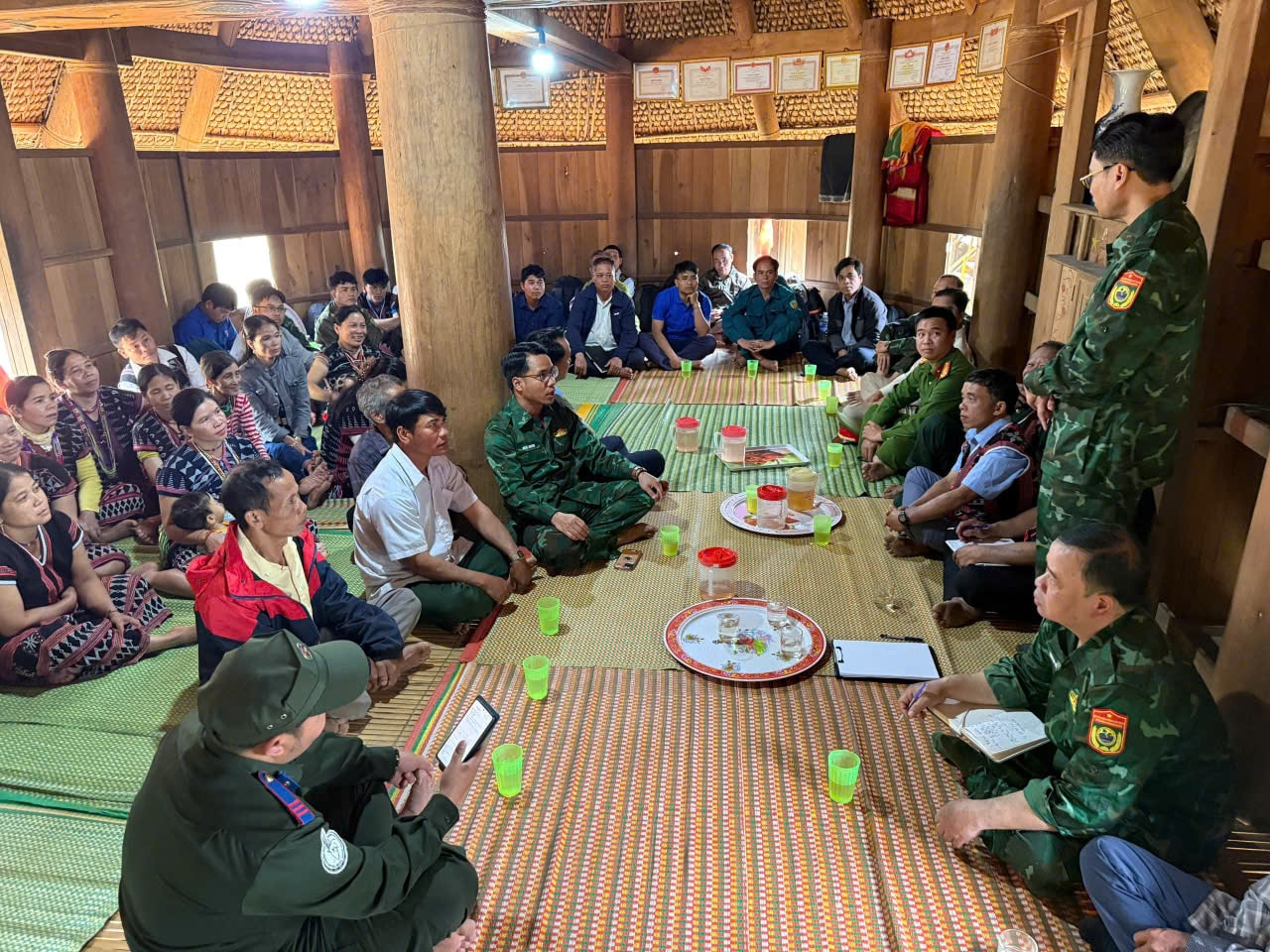
According to Mr. Le Minh Chien, Chairman of the People's Committee of Tra Tan commune, after the merger, the locality manages a larger area with an unevenly distributed population, and many villages and hamlets are far from the administrative center. This requires officials to quickly adapt to new tasks and a higher workload.
To support officials in fulfilling their duties, the Party committee and local government at the commune level promote the exemplary role of leaders, regularly staying close to the grassroots and monitoring the progress of work in each department. Through regular briefing meetings, difficulties and obstacles are promptly resolved, especially in new areas or localities with unique characteristics.
Local authorities also prioritize building a cohesive and supportive work environment; assigning experienced staff to guide those newly appointed or assigned to tasks different from their previous expertise. Simultaneously, the application of information technology and improvements to work processes are being promoted to reduce pressure on staff and enhance the efficiency of administrative procedures.
The Tra Tan Commune Public Administrative Service Center is located at two facilities to facilitate services for the people. During the period when there are not enough dedicated staff, the local authorities have also flexibly assigned teachers to take charge of cultural affairs, ensuring continuous operation.
According to Mr. Le Minh Chien, the flexibility in arranging and assigning personnel, along with the support of the Party committee and government, has helped the staff gradually adapt to the new model, foster a sense of responsibility, and ensure the smooth operation of the system.
Following the merger, the population size and administrative area of Hoa Khanh ward increased, leading to greater pressure on areas such as land management, site clearance, investment in construction, administrative reform, and resolving citizens' requests.



Mr. Huynh Anh Vu, Chairman of the Hoa Khanh Ward People's Committee, said that the locality has implemented many comprehensive solutions to meet the requirements of the new phase. The focus is on reviewing and assigning tasks in a way that clearly defines responsibilities and tasks; developing the capabilities and strengths of each official; and strengthening coordination between departments and divisions in areas with a large workload.
At the same time, the ward is promoting digital transformation in management, administration, and handling administrative procedures; regularly organizing training courses to improve the capacity of its staff. Besides strengthening administrative discipline and order, local leaders also focus on motivating morale and building a united, responsible, and efficient working environment.
Practical experience in localities shows that, despite numerous difficulties and pressures, with a proactive spirit of adaptation, willingness to take on new tasks, and determination to complete assignments, grassroots officials are making positive contributions to the operation of the two-tiered local government model, helping to ensure the smooth functioning of the system and better serving the people.
Source: https://baodanang.vn/can-bo-co-so-thich-ung-voi-mo-hinh-moi-3341364.html
![[Photo] General Secretary and President To Lam works with the Party Committee of the Government on the work of preventing and combating storms, floods, extreme natural disasters and climate change.](https://vphoto.vietnam.vn/thumb/1200x675/vietnam/resource/IMAGE/2026/06/29/1782729441945_a1-bnd-0385-9454-jpg.webp)
![[Image] A look back at the capital's preparations for the century-long master plan.](https://vphoto.vietnam.vn/thumb/1200x675/vietnam/resource/IMAGE/2026/06/29/1782750453122_quy-hoach-100-nam-minh-duy-1-2118-jpg.webp)