

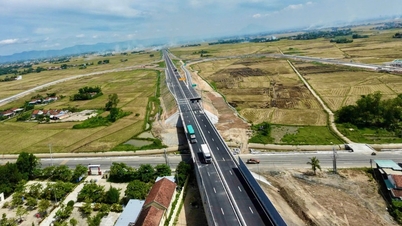
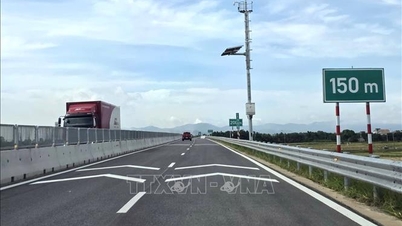
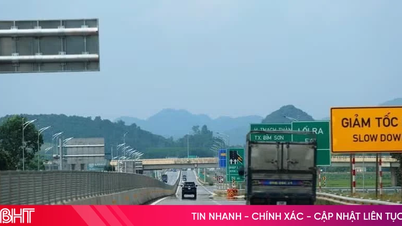
The article reflects that, in recent times, a number of expressways, despite being completed and put into operation, such as Mai Son - National Highway 45, Vinh Hao - Phan Thiet; Phan Thiet - Dau Giay, Da Nang - Quang Ngai... still lack rest stops. Even the 200km Vinh Hao - Dau Giay expressway has no rest stops at all. This causes inconvenience and frustration for drivers and passengers.
Reader Cong Tam wrote, "Thus, the expressway has become a high... infuriating." Meanwhile, another reader expressed the opinion that this reflects a lack of coordinated investment, with some even questioning whether "perhaps because this is such a lucrative pie that no one is willing to share it," so "no one gets a piece."
Analyzing further, reader Lan Anh argues that developing rest stops, in addition to ensuring safety and meeting the urgent needs of drivers and passengers, also contributes to the development of services, the economy , and even tourism.
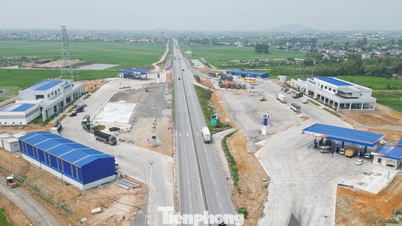
Therefore, rest stops should be constructed and operated in parallel with the highway construction progress.
Consider using public investment funds allocated to localities to invest in the construction of rest stops in the area and hiring management services (if the locality does not want to manage them directly).
This reader also offered the following suggestion: "To make a profit, the design should be beautiful and well-executed, like a tourist attraction, a place for sightseeing, taking photos, and shopping. The roof of the rest stop could be designed as a garden and a cafe, with solar panels installed to supplement electricity and lighting for the rest stop."
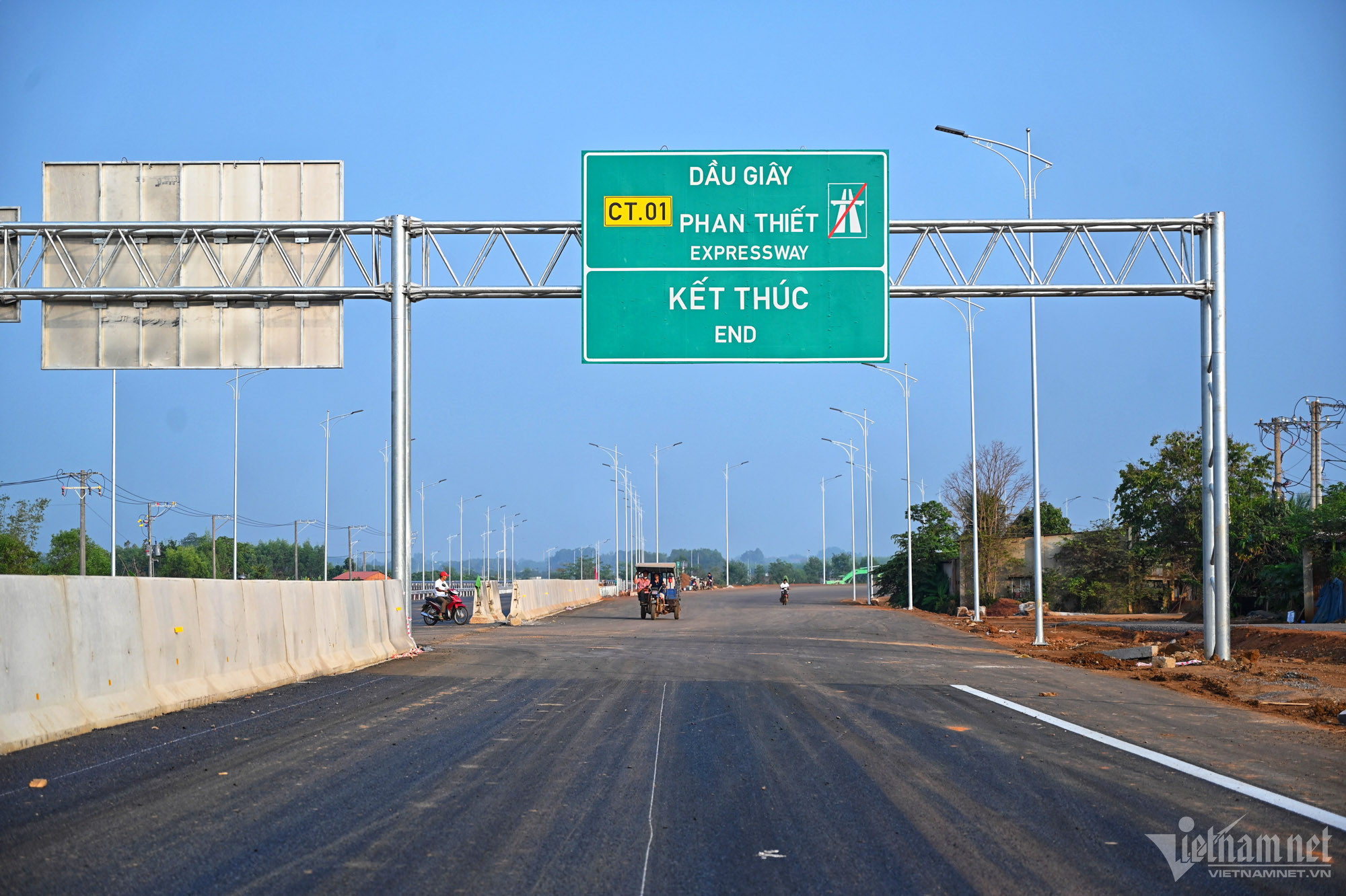
Similarly, a reader from Hai Phong argued that if the project is not yet complete, it should not be allowed to operate. This reader mentioned experiencing significant stress after using the Cao Bo - Mai Son - National Highway 45 route.
"Nearly 80km without rest stops, and having to constantly monitor and maintain a speed of 80km/h is very uncomfortable and often makes you sleepy when you have to drive such a long distance," reader Hai Phong commented.
In further discussion with VietNamNet reporters on this issue, transportation expert Dr. Phan Le Binh stated that the highway, although completed, lacks rest stops – specifically, a 200km stretch without a single rest stop – which is a limitation and reduces the convenience of the highway for drivers and passengers.
In the absence of rest stops along the route, the safest course of action is for the driver to exit the highway and go to roadside restaurants or eateries so that both the driver and passengers can use the restroom and rest.
"However, this method causes vehicles to spend more time moving in and out of the highway, prolonging their journey, so drivers usually want to find a simpler way."
"Drivers stopping and parking on the emergency lane for extended periods poses a very high risk of traffic accidents, especially since drivers in our country are still not accustomed to not using the emergency lane. At night, when visibility is poor, the likelihood of serious accidents is very high," warned Dr. Phan Le Binh.
According to Dr. Phan Le Binh, each country has "quite diverse regulations regarding the placement of rest stops."
In Japan, the authorities arrange rest stops with relatively short distances between them, only about 20-30km, so drivers have many diverse options and can find a comfortable and safe place to stop.
"What's special about Japan is that they try to connect rest stops with the development and sale of local specialties, thereby helping to boost economic development and create more jobs for local people in the vicinity of the rest stops."
"This concept was introduced to Vietnam by the Japan International Cooperation Agency (JICA) through research support on rest stop planning in 2009," said Dr. Phan Le Binh.
Meanwhile, in the US, there is a very long network of highways stretching across the country, but the number of public rest stops is very small, with only one stop every hundreds of kilometers.
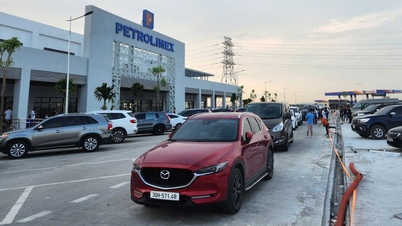
However, on the bright side, almost every exit of the highway has privately invested restaurants and gas stations. Therefore, drivers and passengers don't waste much time finding a suitable place to rest.
Returning to the newly opened expressways in our country, Dr. Phan Le Binh believes that the urgent solution that needs to be addressed right now is to minimize the risk of traffic accidents.
Accordingly, traffic police patrol, remind, and instruct drivers not to stop or park on the emergency lane, especially at night.
"In parallel, a quick survey should be conducted and some temporary directional signs installed to inform drivers about restaurants and rest stops near the highway exits."
On the other hand, it is also necessary to quickly proceed with the construction and operation of rest stops along the route, which are already included in the plan,” emphasized Dr. Phan Le Binh.
Source
![[Photo] General Secretary and President To Lam presides over a meeting on assessing national development resources.](https://vphoto.vietnam.vn/thumb/1200x675/vietnam/resource/IMAGE/2026/05/20/1779253785852_a1-bnd-2943-8519-jpg.webp)


















































































Comment (0)