Police in Van Khanh commune guide residents on checking the expiration date on their citizen identity cards. Photo: AN LAM
Last weekend, Ms. D.T.L., residing in Rach Gia ward, attempted to transfer money to a customer using her mobile banking app but was unsuccessful. The system repeatedly reported errors, preventing the transaction from being completed. Initially, Ms. L thought it was a network or application error, but after carefully checking her account information, she discovered that her citizen identification card had expired. Because it was Saturday, she couldn't go to the relevant authorities or bank to resolve the issue immediately and had to wait until the beginning of the week. “I needed to transfer the money urgently, and I couldn't do it, which made me very anxious. On Monday, when I applied for a new citizen identification card, I was told it would take about 9 days to be delivered to my home. During that time, payments were interrupted, affecting my business,” Ms. L stated.
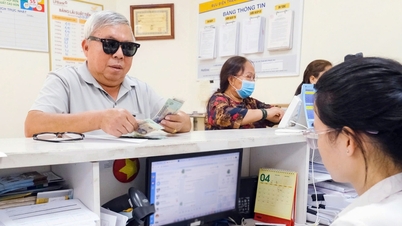
Ms. L's case is not unique. Observations at several bank branches in Rach Gia ward show that in recent days, many customers have been unable to conduct transactions because they haven't updated their citizen identification cards. Ms. H.N.D., a small business owner in Chau Thanh commune, also experienced transaction disruptions at a time when she urgently needed to transfer money. "Many customers were urging me to pay, but I couldn't transfer the money, so I had to borrow my sister's account. However, my sister is constantly teaching, so it's very inconvenient," Ms. H. said.



According to feedback from many customers, transaction failures occur when account information has not been verified against the new national identity card or biometric authentication has not been completed. A representative from a commercial bank stated that cases where the national identity card has not been updated or the information does not match the national database will have some transactions temporarily suspended, especially online transactions. This is a mandatory requirement to protect customers.
The stricter regulations on updating personal information are implemented according to the State Bank of Vietnam 's Circulars 17/2024/TT-NHNN and 18/2024/TT-NHNN. Credit institutions must verify customer information using chip-embedded citizen identification cards and supplement biometric data for many transactions. If customers fail to update their information promptly, banks will temporarily suspend or restrict transactions to ensure compliance. This is not a sudden change, as banks have repeatedly sent notifications via text messages, applications, and at transaction counters. However, many customers still haven't complied due to negligence or a lack of understanding of the regulations.
Another reason for the delay in updating citizen identification cards is that many people are unfamiliar with using banking applications, especially scanning the chip card or biometric authentication. In rural areas, some residents do not use smartphones or devices that support NFC technology, so they cannot update their information at home and are forced to go directly to the bank. Furthermore, the "I'll do it when I need it" mentality also puts many people in a reactive position. Only when transactions are interrupted do they rush to update their information, leading to localized congestion at some branches.
According to recommendations from the banking sector, updating citizen identification cards and verifying personal information is a mandatory requirement and a crucial measure to prevent fraud and scams. Citizens should double-check their account information, especially the status of their registered identification documents. The update only takes a short time but will help ensure smooth transactions and avoid unnecessary inconveniences.



Source: https://baoangiang.com.vn/cham-cap-nhat-can-cuoc-giao-dich-gian-doan-a483347.html

![[Photo] Strengthening character and expertise: Intense training for artillery soldiers.](https://vphoto.vietnam.vn/thumb/1200x675/vietnam/resource/IMAGE/2026/06/30/1782815602541_lu-368-1875-4571-jpg.webp)