


Over the years, the National Target Program for socio -economic development in ethnic minority and mountainous areas has been implemented, making a significant contribution to raising awareness and affirming the status of women in mountainous regions; consequently, women's reproductive health care has improved, and their quality of life has been noticeably enhanced.
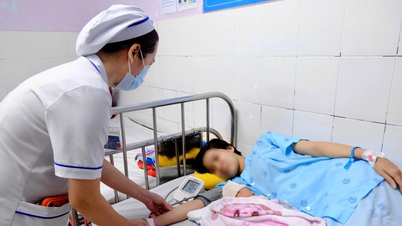
Child marriage, consanguineous marriage, home births, etc., are still prevalent in many mountainous and highland areas, making life difficult for women and leading to many negative consequences for their health and future. In areas with large concentrations of ethnic minorities such as Tuyen Quang, Cao Bang , Nghe An, and the Central Highlands, the rates of child marriage and consanguineous marriage, although decreasing over the years, remain quite high. In Nghe An, where the recent incident of two 8th-grade girls being "abducted" according to outdated customs has caused public outrage, the situation of child marriage remains a significant concern. In the last 10 years, the province has recorded more than 2,000 cases of child marriage and consanguineous marriage among ethnic minority communities.
Many practical solutions have been implemented by various sectors and levels to contribute to improving the quality of life for women in mountainous areas. Among them, the National Target Program for Socio-Economic Development of Ethnic Minority and Mountainous Regions giai đoạn 2021-2030, with Project 7 - Healthcare for the people, improving the physical condition and stature of ethnic minorities, preventing and combating child malnutrition, and Project 8 - Implementing gender equality and addressing urgent issues for women and children, has yielded many practical results. Both projects include support for reproductive health care for mothers and children.
During Phase 1 of these projects (2021-2025), many localities have recorded positive changes in the awareness and lives of ethnic minority women. The grassroots healthcare system has been invested in and upgraded, helping them access advanced healthcare sooner. Specifically, 183 commune health stations have been renovated and repaired; 225 commune health stations have met standards after investment in equipment and quality human resources; and more than 7,000 mothers in 10 provinces with high rates of home births have benefited from four support packages for safe childbirth for ethnic minority women…
The reproductive health of ethnic minority women in many localities has significantly improved thanks to the effectiveness of Project 7 and Project 8. Specifically, in Lao Cai, after the synchronized implementation of various solutions, the rate of women receiving four prenatal checkups reached 81.3%; the rate of births assisted by medical staff reached over 90%... According to Ms. Pham Bich Van, Deputy Director of the Lao Cai Department of Health, in recent years, the provincial health sector has focused on improving the capacity of village and commune health workers. This is the closest source of healthcare personnel to the people; health workers regularly visit people's homes to disseminate knowledge about reproductive health care for women and girls, encouraging people to abandon outdated customs and adopt advanced medical knowledge. As a result, home births have gradually decreased, pregnant women receive regular prenatal checkups, and women receive support for gynecological examinations and treatment.
Dak Lak province has a large ethnic minority population, and the rate of child marriage and early childbirth among women remains quite high. Notably, reproductive health care for women is primarily based on anecdotal knowledge passed down within families and communities. Previously, many ethnic minority women were unaware of safe contraception methods and family planning; however, awareness of these issues has now changed thanks to the outreach efforts of local healthcare workers.
Notably, the Department of Maternal and Child Health (Ministry of Health) has successfully collaborated with relevant units to pilot the Reproductive Health Information System (eMCH) in many localities, allowing for the sharing of individual medical examination and treatment data, automatic report generation, and contributing to reducing administrative procedures for healthcare workers.
Despite many positive results, the reality shows that there are still many limitations in the reproductive health care of ethnic minority women, such as: a shortage of specialized human resources in obstetrics and pediatrics at the grassroots level; limited medical equipment; many localities are still struggling with the use of funds when implementing projects; and difficulties in changing people's perceptions due to outdated customs that have been prevalent in their lives for many years...
According to Deputy Minister of Health Nguyen Tri Thuc, to improve efficiency and sustainability, the health sector has proposed several solutions such as: strengthening training and supplementing grassroots health personnel, prioritizing the recruitment of ethnic minority staff; expanding the mobile health model, organizing examinations and consultations right in villages; and closely coordinating with local Women's Union officials to understand the thoughts and feelings of ethnic minority women, providing timely support when needed.
Source: https://nhandan.vn/cham-lo-suc-khoe-sinh-san-phu-nu-dan-toc-thieu-so-post947381.html































































































Comment (0)