
The 60-day deadline for the US and Iran to reach a final agreement comes amid the continued risk of renewed US military action, the Iranian leadership maintaining a hardline stance, and Israel continuing its military push in Lebanon.
What is happening now is reminiscent of April 2025. At that time, the US also set a 60-day deadline for Iran, only for the US and Israel to launch airstrikes against Iran in June 2025.
Over the past year, the US-Iran relationship has been like a circle, bringing both sides back to where they started, only this time the trajectory is more dangerous and has greater consequences.
CNN noted that the US has employed a similar tactic twice: conducting airstrikes while simultaneously pursuing negotiations, and then repeating this cycle. The "history repeats itself" pattern is nothing new, but the speed at which it repeats itself within a single year is unusual.
Inflicting losses on Iran would be a double blow for the US.
Currently, Trump is facing a new trade agreement with Iran, a process that is predicted to be anything but easy. The power transition in Iran has brought more hardline figures to power.
This made even a framework agreement that opened the door to more substantive negotiations a "struggle," even becoming the subject of around 40 different statements between the parties.
Undeniably, Iran has suffered significant losses in the conflict. But to achieve that, according to CNN , the US has also suffered losses in four key areas.
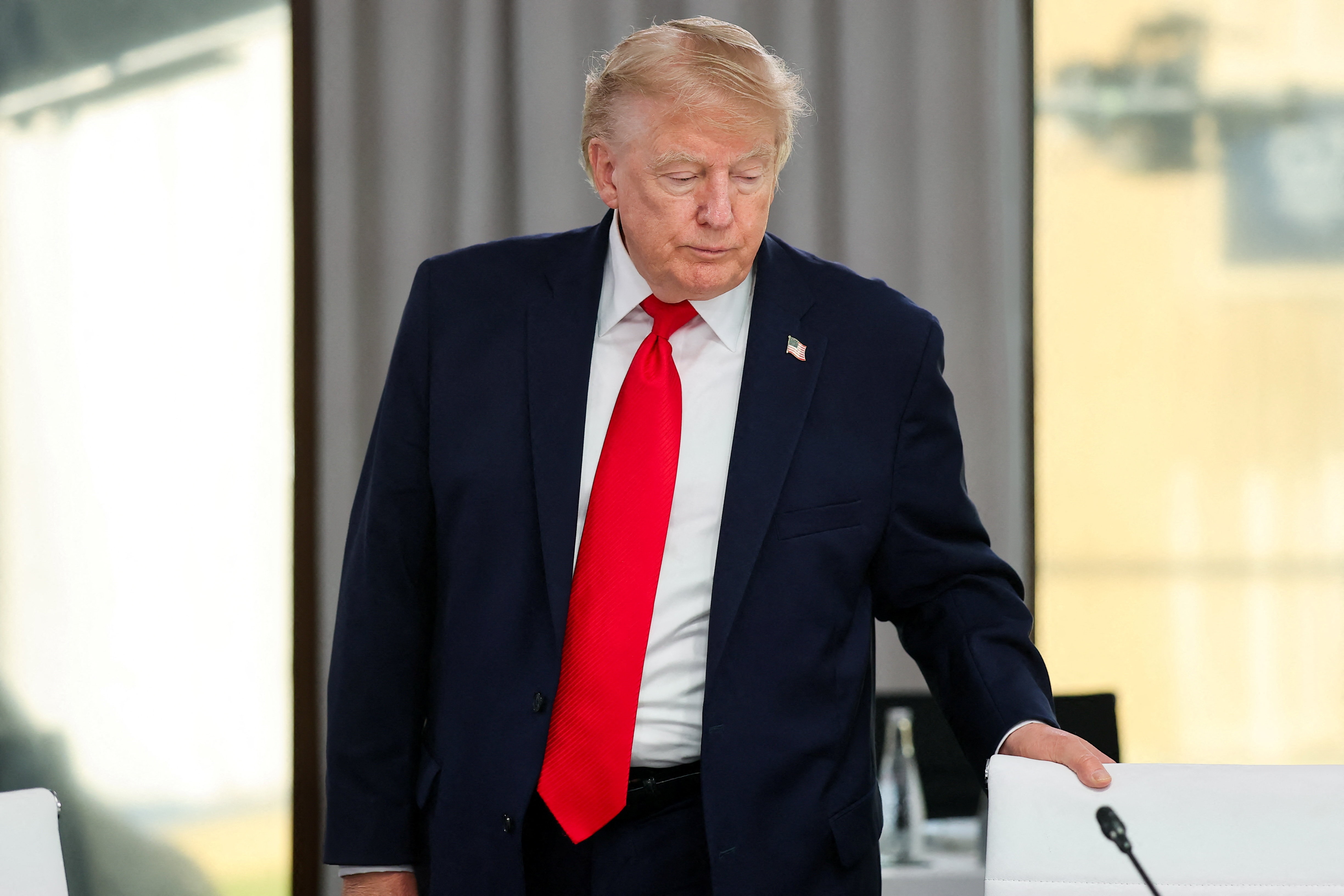 |
US President Donald Trump attends lunch with G7 and Middle Eastern leaders on the sidelines of the G7 Summit in Evian-les-Bains, France, on June 16. Photo: Reuters. |
First, the U.S. military deterrence capability appears to be declining. However, Iran's deterrence capabilities through drones, mines, and missiles remain a concern for the U.S. and its allies. This concern stems not only from the potential for material damage but also from the economic impact.
The limits of America's tolerance for losses have also been revealed. Meanwhile, hardline figures in Iran have shown a willingness to accept the risk of renewed airstrikes.
Secondly, relations between the US and Israel have been significantly affected by the divergence in their objectives during the course of the conflict.
Third, Iran has now extended its security umbrella to Hezbollah in Lebanon. Iran's decision to take warning action against Israel on June 7th, to assert its role as Lebanon's "protector," demonstrated Tehran's very high level of strategic confidence.
Fourth, Trump's personal credibility has been damaged. He launched a war that eroded voter support and put pressure on American wallets. At the same time, he gave the impression that he was eager to persuade Iran to return to the negotiating table, while he himself twice disrupted negotiations with bombing raids.



The world is entering the second 60-day cycle of negotiations between the US and Iran, with the risk of renewed military action remaining. CNN asks: Is the US's repeated approach over the past year advisable?
The situation reverts to its pre-war state.
The ceasefire agreement, scheduled for signing on June 19th, will open a 60-day series of negotiations between the US and Iran, with key issues revolving around Iran's nuclear program and the fate of its enriched uranium stockpile. This was one of the main reasons cited by the US when the war began.
This raises two important questions: What was the true purpose of the recent war? And what did the United States gain from the war?
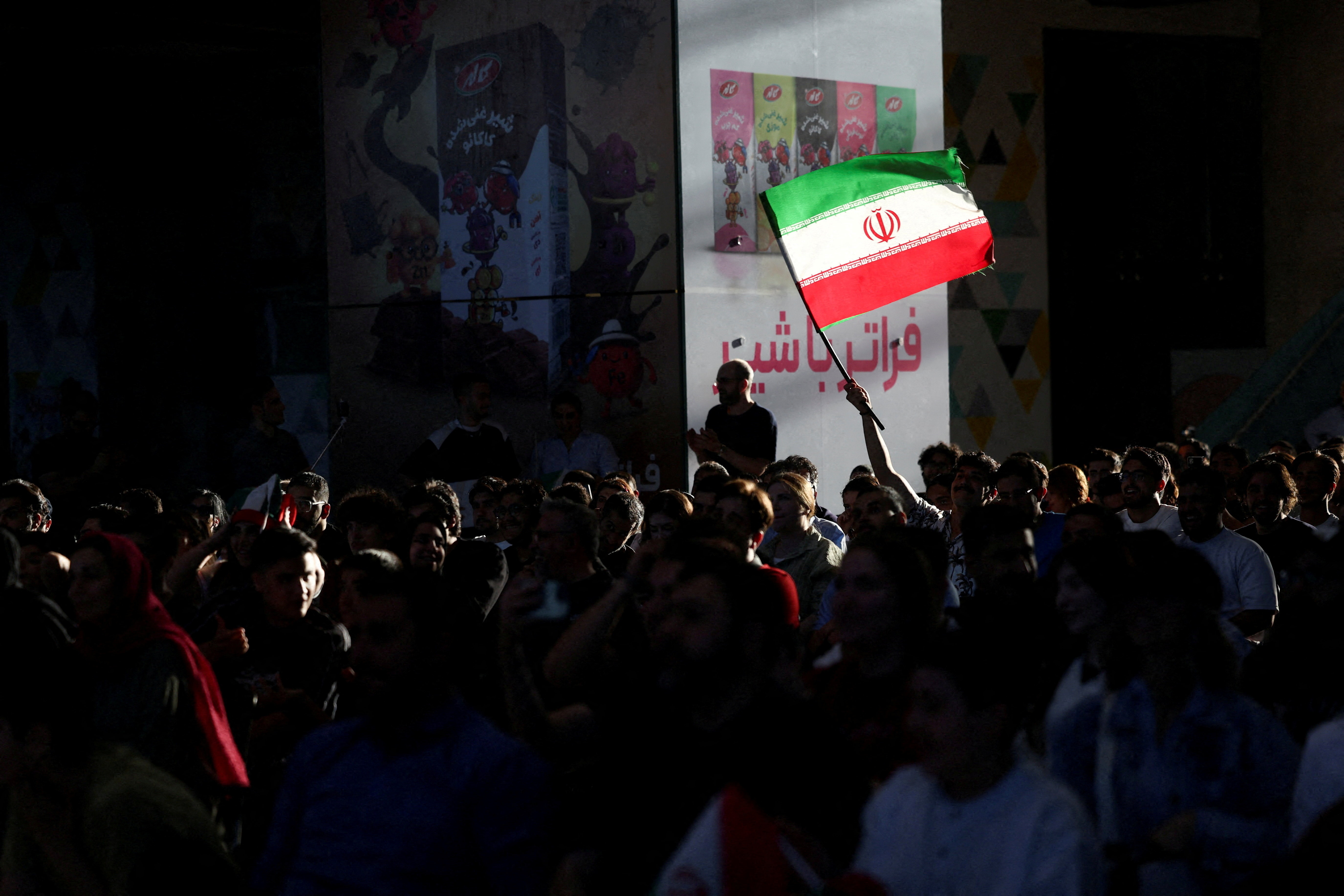 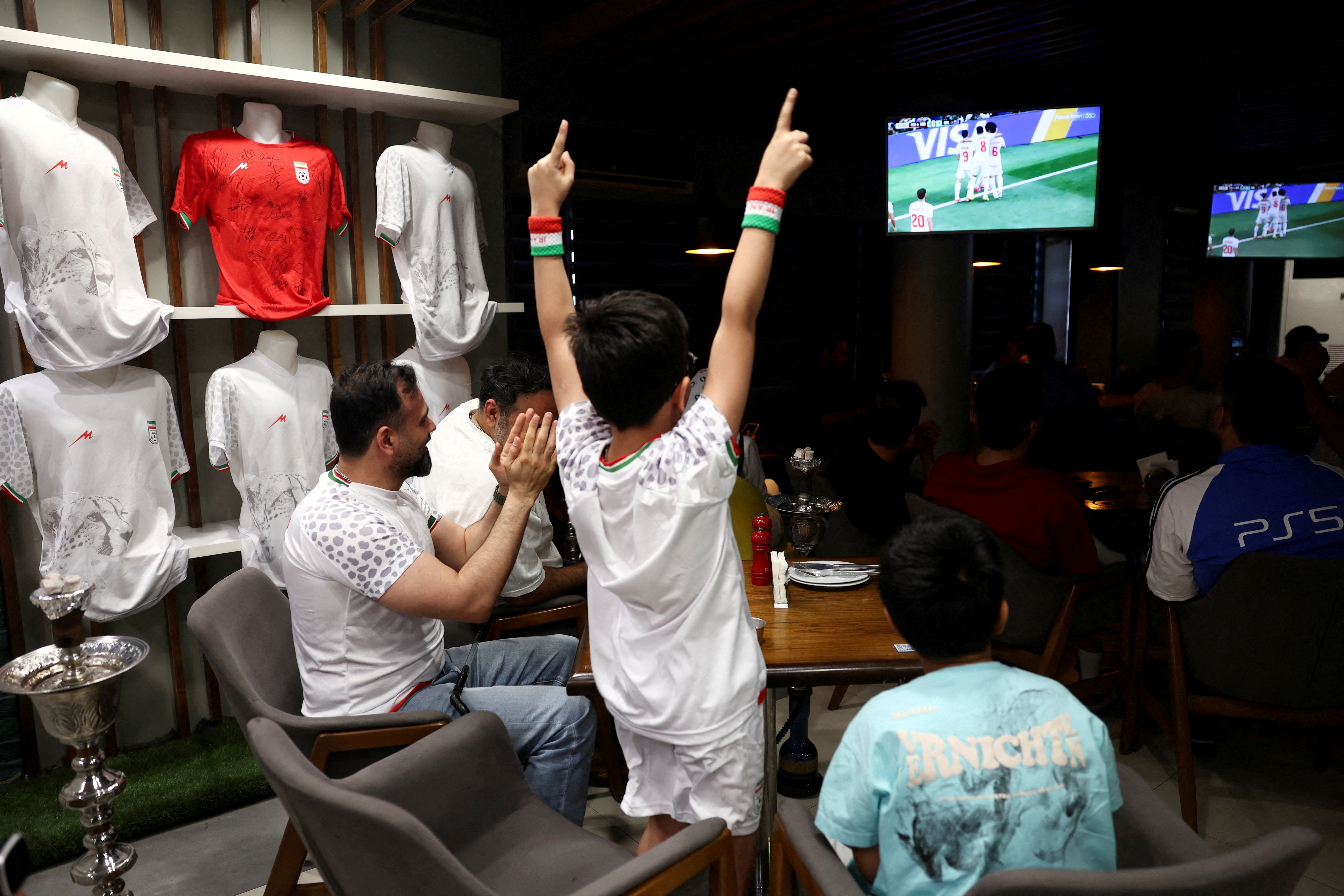 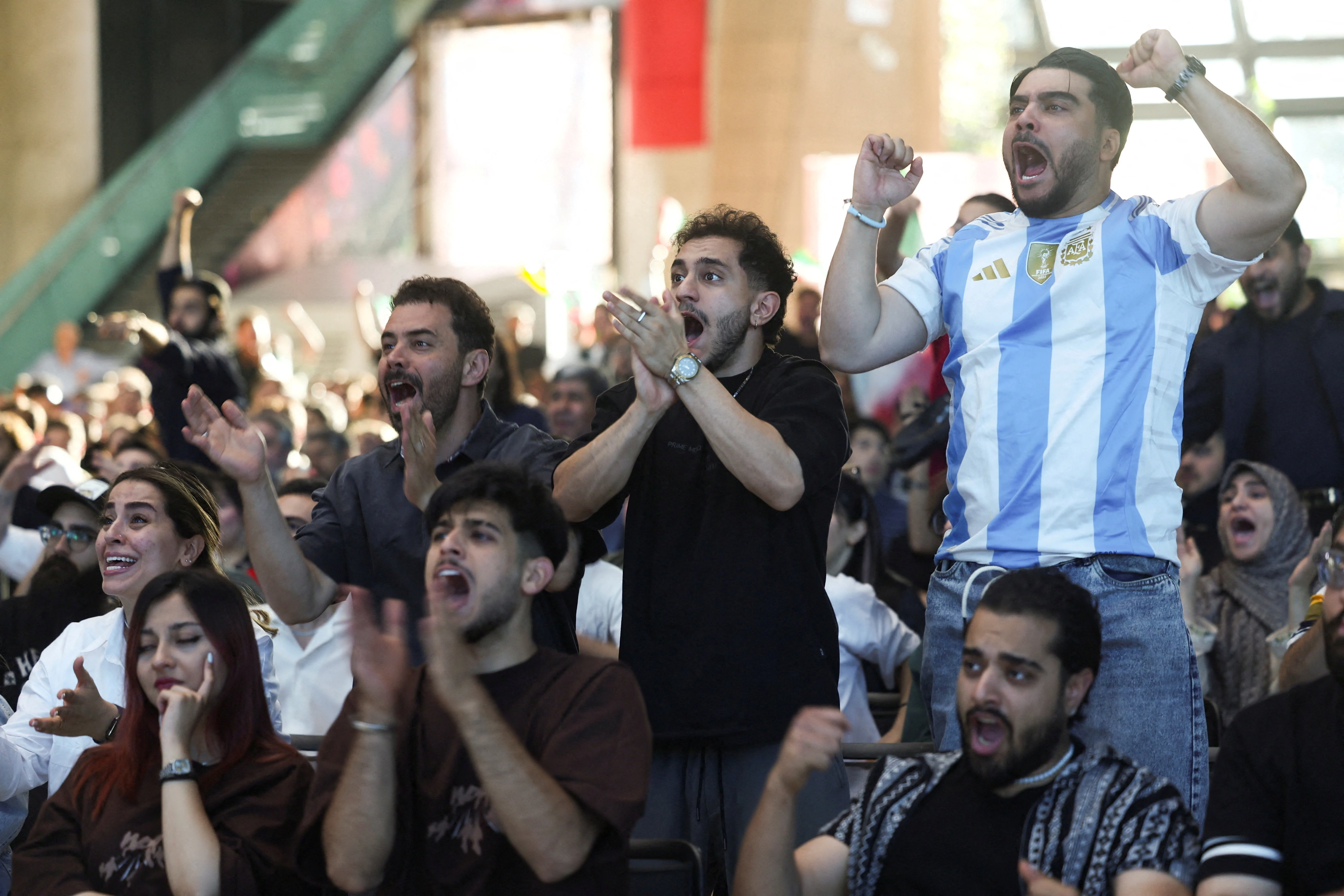  |
Fans in Tehran watch the match between Iran and New Zealand in Group G of the 2026 FIFA World Cup on June 16. Photo: Reuters . |
According to Farah N. Jan, a lecturer on international security and nuclear security at the University of Pennsylvania, the U.S. gained nothing from the conflict; on the contrary, it lost some of its credibility.
The "rational theory of war," developed by political scientist James Fearon in 1995, identified three reasons why nations choose to wage war, even when they would prefer to reach an agreement.
Firstly, the initiating party lacked sufficient information about the enemy's level of determination to fight. Secondly, neither side could make credible commitments. Thirdly, the disputed issues were very difficult to compromise on.
The recent conflict has highlighted the resolve of both the US and Iran, but it has still failed to resolve the long-standing nuclear issue between the two countries.
The war also failed to create a clear advantage for the US and Israel at the negotiating table, while Iran's government remained firmly in place and continued to play a significant role in the balance of power in the Middle East.
Washington and Tel Aviv launched a war in Iran with very ambitious goals: to create major upheaval in Iran; to destroy its nuclear program; to cripple its missile capabilities; and to cut off Tehran's proxy network in the region.
However, after months of fighting, the ultimate outcome was a return to negotiations with Iran. Iran suffered losses, but was not defeated in the conflict. The US is now seeking a diplomatic solution due to increasing economic and political pressure.
The war weakened the US position in the Middle East, forcing its Arab allies in the Gulf to reconsider their security relationship with Washington. These countries are now increasingly inclined to accept Iran as a powerful entity in the region.
Israeli Prime Minister Benjamin Netanyahu is perhaps the most disappointed, as his goals of fundamentally weakening Iran and reshaping the regional order in Israel's favor have not been achieved.



According to Amin Saikal, a professor specializing in Middle Eastern studies at the Australian National University, the framework agreement expected to be signed on June 19th would only return the US and Iran to their pre-war state, but the cost in terms of human lives and economic damage would be enormous.
Mr. Saikal also noted that the upcoming agreement is very fragile, as it simply opens the door to new, arduous rounds of negotiations. Before the war broke out, nuclear negotiations between the US and Iran were also considered to have shown signs of hope and were on the verge of yielding results, but then hostilities still erupted.
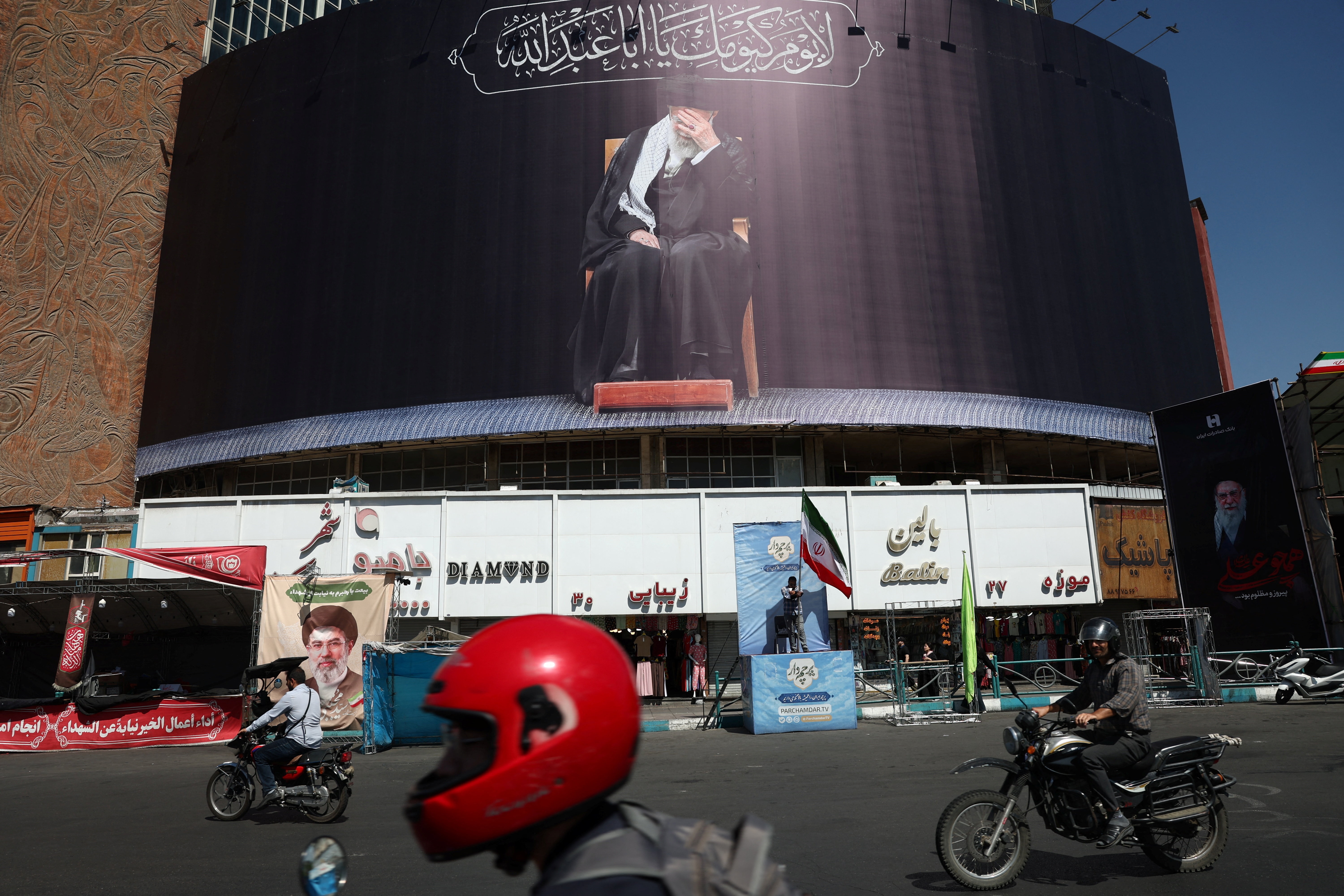 |
Streets in Tehran on June 15. Photo: Reuters . |
After a large-scale war that caused heavy losses, everything simply returned to square one. Neither side truly won, even though both claimed victory.
Daniel B. Shapiro, former U.S. ambassador to Israel, told the New York Times that President Trump likes to emphasize that the deal he is about to reach with Iran is more beneficial to the U.S. than the nuclear deal under former President Obama; however, the U.S. is still a long way from being able to conclude that.
"It is entirely possible that no final agreement will be reached. And it is also highly likely that the final agreement signed will not be as beneficial as what we could achieve if we persevered in pursuing diplomatic means, instead of launching a war," Shapiro said.
Source: https://znews.vn/chien-su-iran-de-lam-gi-post1660327.html


![[Image] Schools organize meetings and introduce teaching models to students admitted to grade 10.](https://vphoto.vietnam.vn/thumb/1200x675/vietnam/resource/IMAGE/2026/06/25/1782368077271_ndo_br_z7970052192242-1ec8daeb77a6eed1a4e9f58c564ddd3e-jpg.webp)
![[Image] Ho Chi Minh City: Ma Lang area, Chicken-Rice Market about to change its appearance](https://vphoto.vietnam.vn/thumb/1200x675/vietnam/resource/IMAGE/2026/06/25/1782377698627_ndo_br_m1-jpg.webp)



































![[Photo] General Secretary and President To Lam receives Palestinian Ambassador Saadi Salama](https://vphoto.vietnam.vn/thumb/1200x675/vietnam/resource/IMAGE/2026/06/25/1782365384740_a1-bnd-9423-8322-jpg.webp)