

 |
| Tet feast |
Strengthen management "shields" during the peak Tet holiday season.
As Tet (Lunar New Year) approaches, the food market is more vibrant than ever. The increased demand puts significant pressure on quality control, especially given the continued prevalence of counterfeit and substandard goods, particularly in the online environment.
In implementing the Government's directive on organizing a safe, healthy, and economical Lunar New Year celebration in 2026, the Ministry of Science and Technology has issued a document requesting improved effectiveness in combating smuggling, trade fraud, and counterfeit goods. The National Standards, Metrology and Quality Committee (Ministry of Science and Technology) is currently carrying out its assigned tasks and coordinating with other ministries and agencies to participate in inter-ministerial inspection teams in various localities to assess food safety before, during, and after the Tet holiday.
From a long-term management perspective, two important laws – the Law amending and supplementing a number of articles of the Law on Standards and Technical Regulations (Law No. 70/2025/QH15) and the Law amending and supplementing a number of articles of the Law on Product and Goods Quality (Law No. 78/2025/QH15), both effective from January 1, 2026 – have added many new management tools.
 |
| Tran Hau Ngoc, Vice Chairman of the National Committee for Standards, Metrology and Quality |
According to Mr. Tran Hau Ngoc, Vice Chairman of the National Committee for Standards, Metrology and Quality, these laws allow for the classification of products and goods into three risk levels; enhance traceability; apply electronic labels and digital passports for products; and build a national product and goods quality monitoring system.
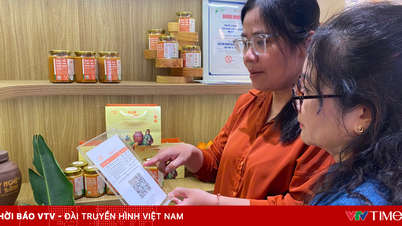
It is noteworthy that technologies such as barcodes, traceability, electronic labels, and digital passports not only serve regulatory agencies but also empower consumers with the "power of verification." By scanning a code, buyers can access information about the origin, production process, and applicable standards, thereby reducing risks when choosing products, including those sold online.
Currently, the Ministry of Science and Technology has published 1,173 valid national food standards, including 16 food safety standards, 33 traceability standards, and 25 barcode standards. This is an important technical foundation for controlling the quality of food circulating in the market.
Besides quality, the measurement aspect – "weighing, measuring, and weighing" – is also of practical significance to consumers. For pre-packaged food, products need to clearly state and fully disclose information about the quantity and amount as regulated. For unpackaged food, consumers should prioritize purchasing from establishments using certified and valid measuring instruments. Transparency in every kilogram of meat and fish is the foundation of market trust.
Take the initiative from the selection and purchase stage to the processing stage.
If government regulation is the "external barrier," then knowledge and safe consumption habits are the "internal shield" of each family.
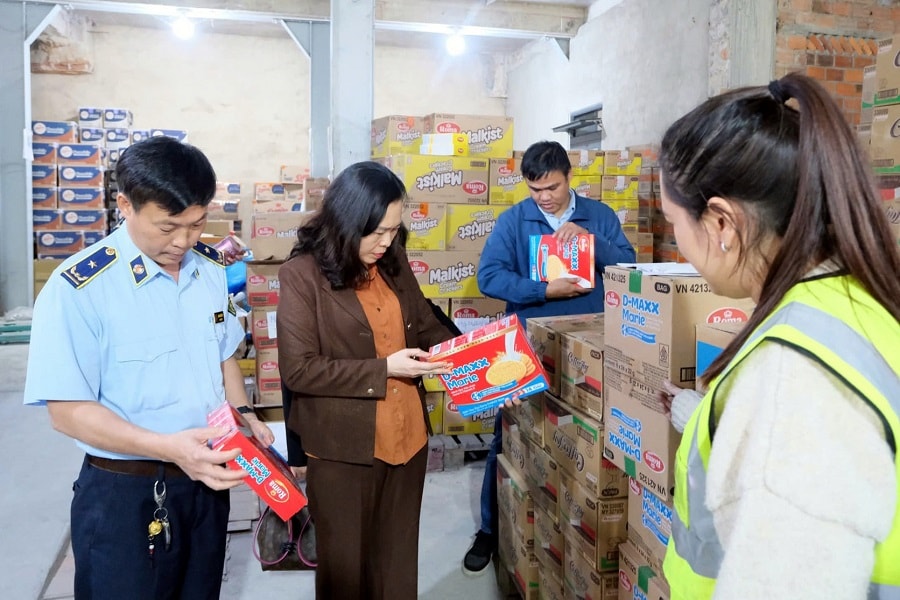 |
| Authorities conduct food safety inspections during Tet holiday. |
According to Associate Professor Phan Thi Suu, former Director of the Center for Food Safety and Hygiene Technology, Vietnam Food Safety Science and Technology Association, food contamination hazards can originate from three groups: biological, chemical, and physical.
Bacteria, viruses, mold, and parasites can exist in food, water, waste, or be transmitted from humans during processing. Chemical hazards can include natural toxins in raw materials such as solanine in sprouted potatoes, cyanogen glucoside in cassava, and tetrodotoxin in pufferfish; or heavy metals, pesticides, and chemical residues. Additionally, toxins can form during storage and processing when food spoils or oil burns. Foreign objects such as grit, metal fragments, and glass shards are also serious hazards.
Given these risks, food choices need to be made more carefully, especially during Tet (Lunar New Year), when the amount of food purchased is usually large and diverse.
Regarding fats, Associate Professor Phan Thi Suu advises the judicious use of both vegetable oils and animal fats. Oils used for frying at high temperatures can oxidize, producing trans fats; therefore, reused frying oils should be avoided. Products such as instant noodles, cream-filled cookies, cream-covered cakes, and french fries may contain trans fats and should be consumed in moderation.
For protein sources, carefully check the ingredients and protein content when choosing fish sauce. For pork, choose meat that is dark pink, firm, and elastic, avoiding spoiled meat or meat that is unusually lean. For fish, choose live fish; sea fish preserved with urea may look fresh but the flesh will be soft when pressed. Frozen shrimp that are unusually stiff may have been injected with growth hormones.
 |
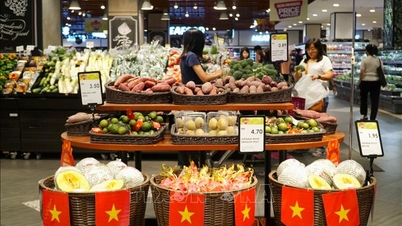
| Safe fruits and vegetables should have natural colors. |
Leafy greens should have a natural color, not be excessively bright green or glossy. Avoid thick bean sprouts with short roots; cucumbers should be thin and have many spines. Some vegetables grown in water are at risk of intestinal fluke infestation, so they need to be thoroughly washed and prepared appropriately.
For pre-packaged foods, consumers should carefully read the labels: Name and address of the production facility, ingredients, expiration date, storage instructions; pay attention to information on conformity with standards and regulations. They can use the prescribed codes, barcodes, or QR codes to check traceability information.
In food preparation, Associate Professor Dr. Phan Thi Suu advises cooking food thoroughly and noting the following: Carrots and tomatoes are better eaten cooked because they produce more carotenoids; raw tomatoes should not be mixed with boiled eggs in salads as this can cause indigestion; when frying garlic, add it before the oil boils (to preserve the garlic's flavor); avoid eating too much fiber (causing bloating, indigestion, diarrhea, constipation, and intestinal blockage); limit consumption of grilled meats cooked over charcoal as this can create heterocyclic amines and polycyclic aromatic hydrocarbons. Avoid excessive use of brightly colored foods, especially for children. Prioritize natural flavorings such as orange peel, lemon, star anise, cinnamon, cardamom, pandan leaves, and herbs instead of artificial flavorings.
Ice used for drinking and food preservation must be produced from clean water sources, stored and transported hygienically; the water supply system must be sealed and leak-free.
 |
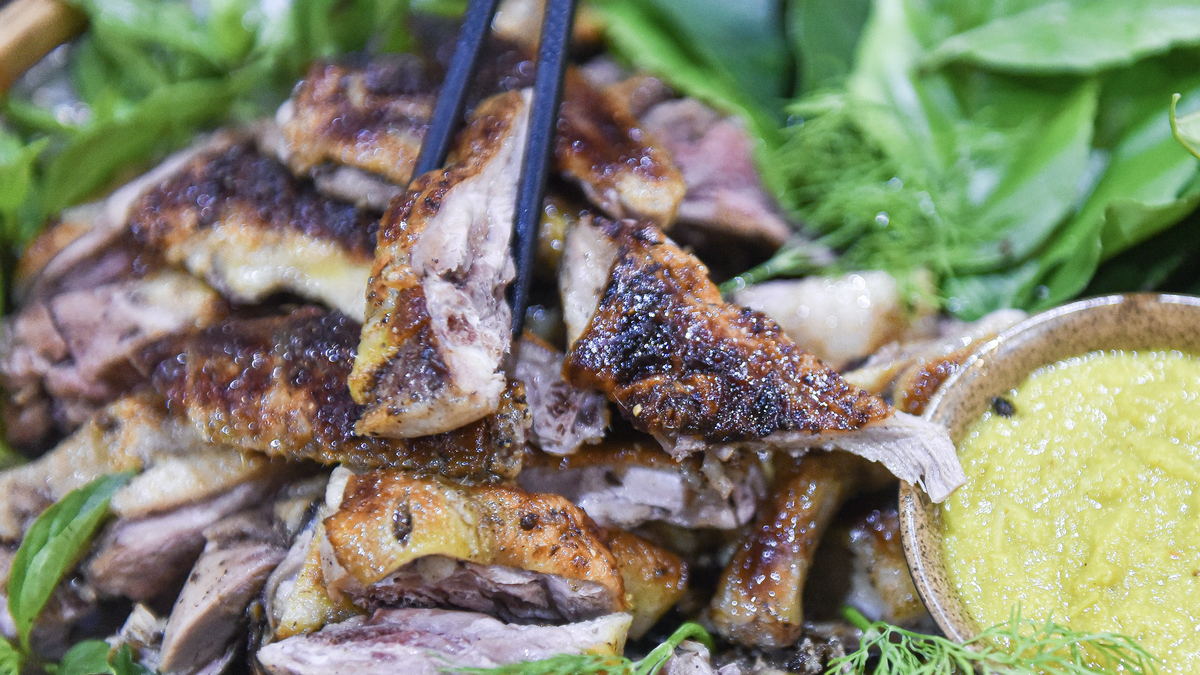
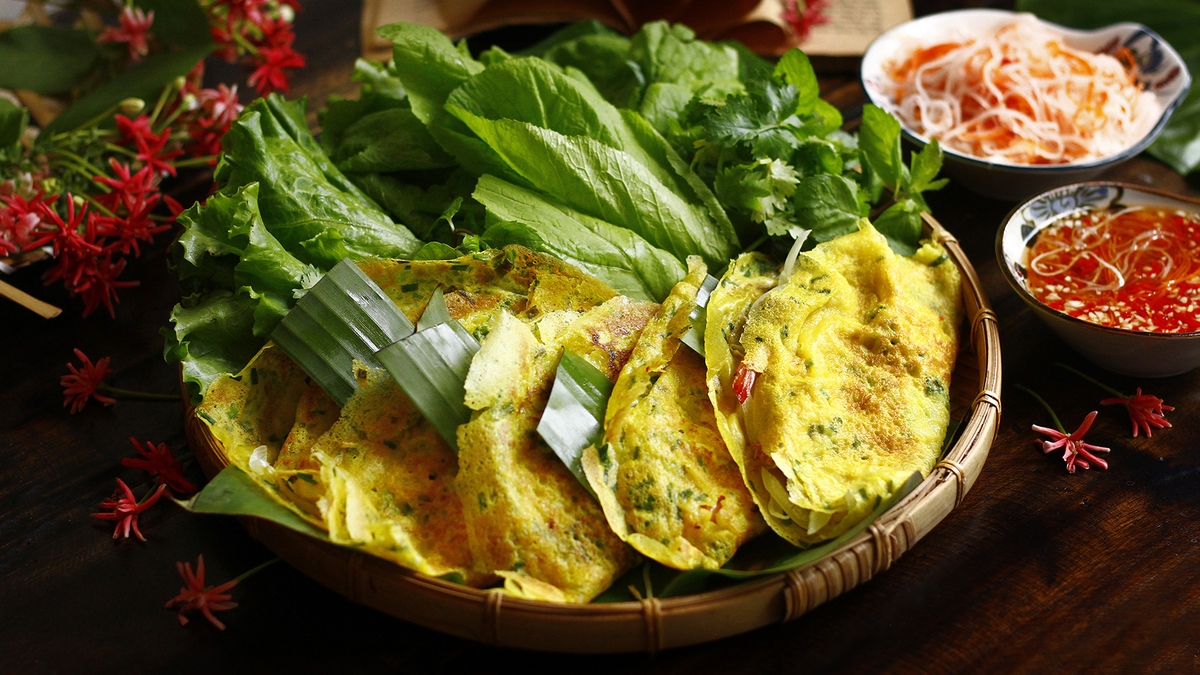
| Traditional Tet feast |
Tet (Vietnamese Lunar New Year) will only truly be complete when the joy of family reunion is accompanied by peace of mind regarding health. When regulatory agencies strengthen legal and technological tools to ensure market transparency, and when each citizen proactively chooses, inspects, and prepares safe food, the spring feast will not only be full of traditional flavors but also resilient against potential risks.
According to Hanoi Moi Newspaper
Source: https://baotuyenquang.com.vn/xa-hoi/202602/chon-thuc-pham-ngay-tet-biet-cach-de-bot-lo-b9e0783/
















































































Comment (0)