

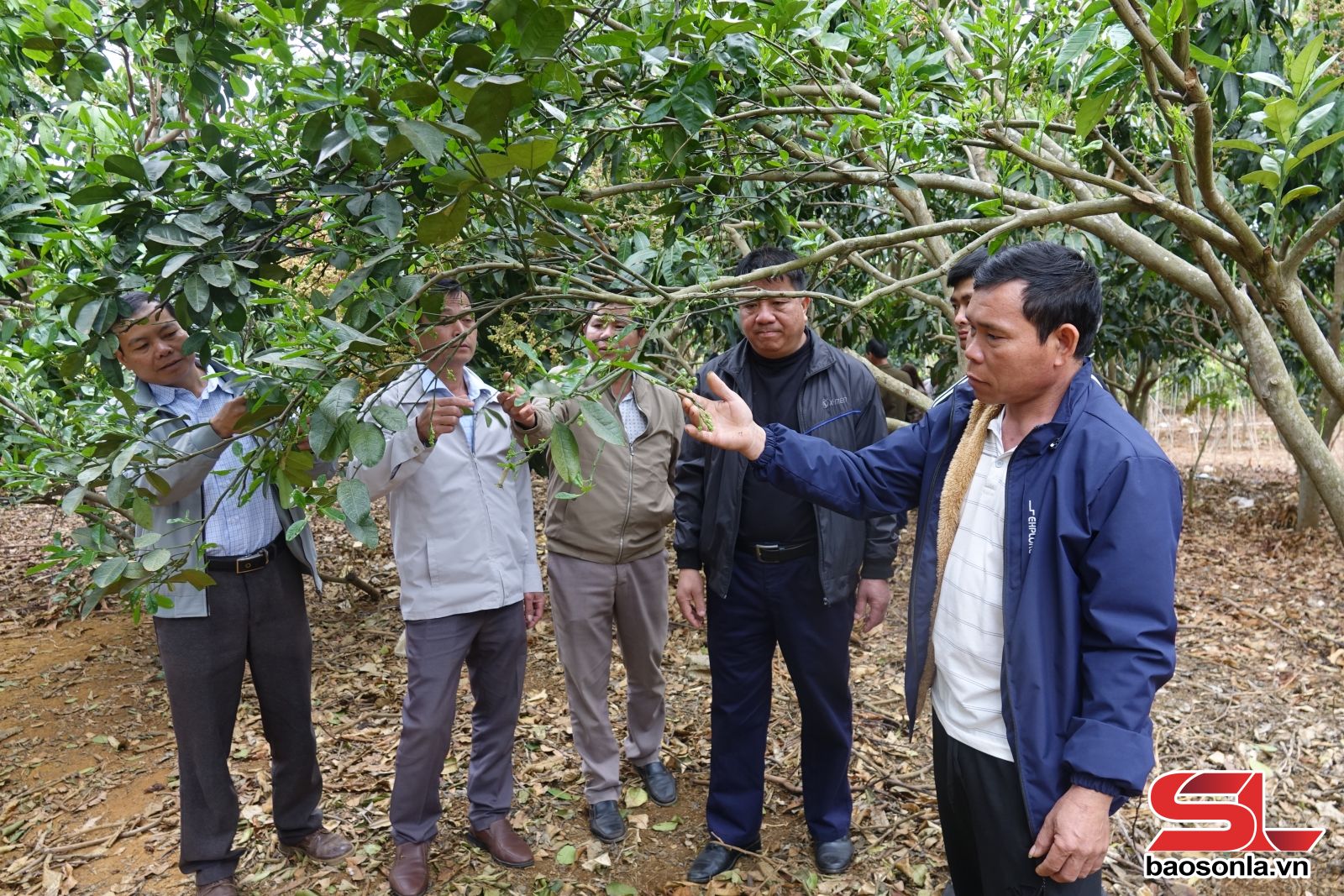
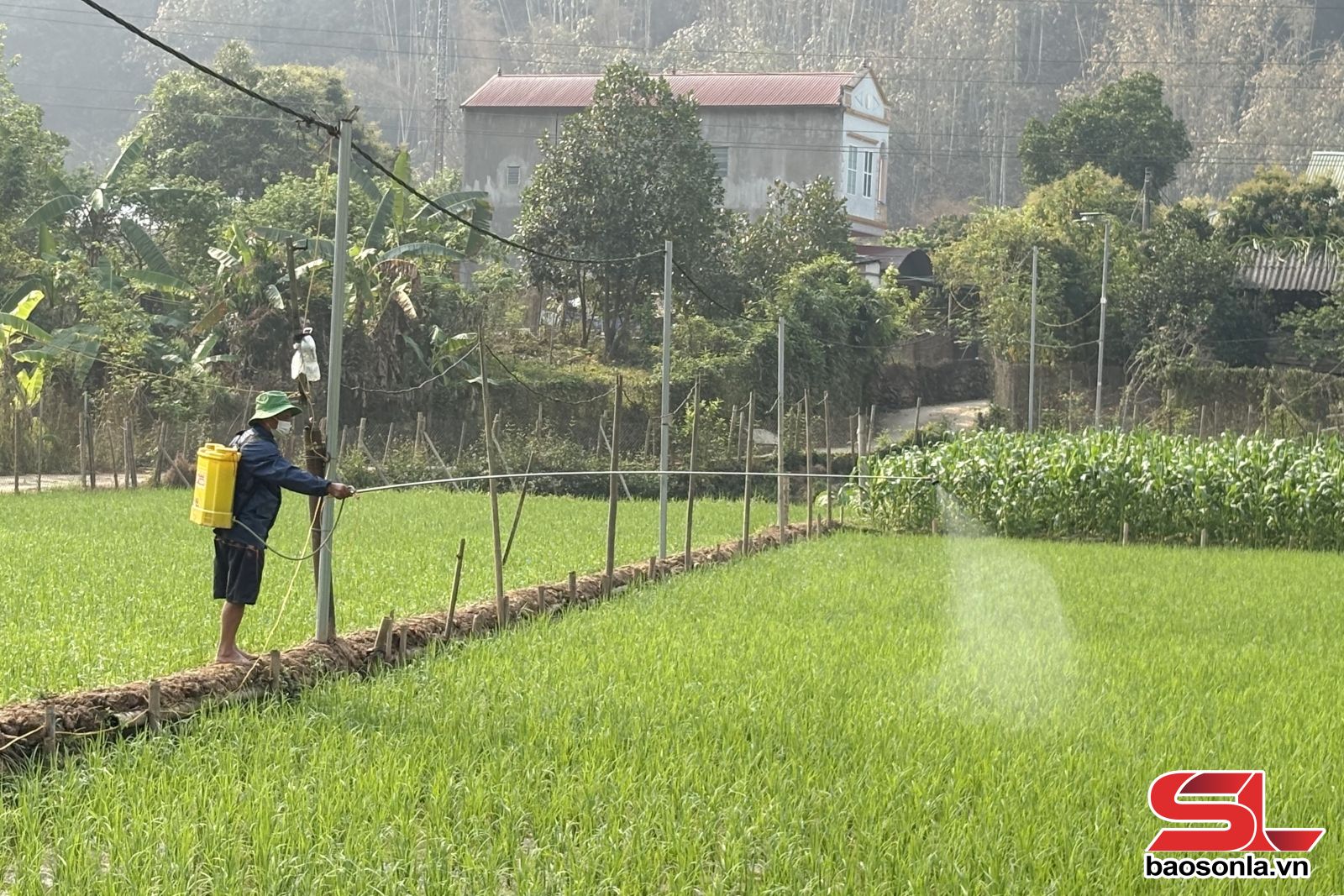
The unpredictable weather patterns create favorable conditions for pests and diseases to develop and damage many types of crops. Specialized agencies are intensifying investigations, forecasting the situation, and disseminating information and guidance to farmers on measures to prevent and protect crops.
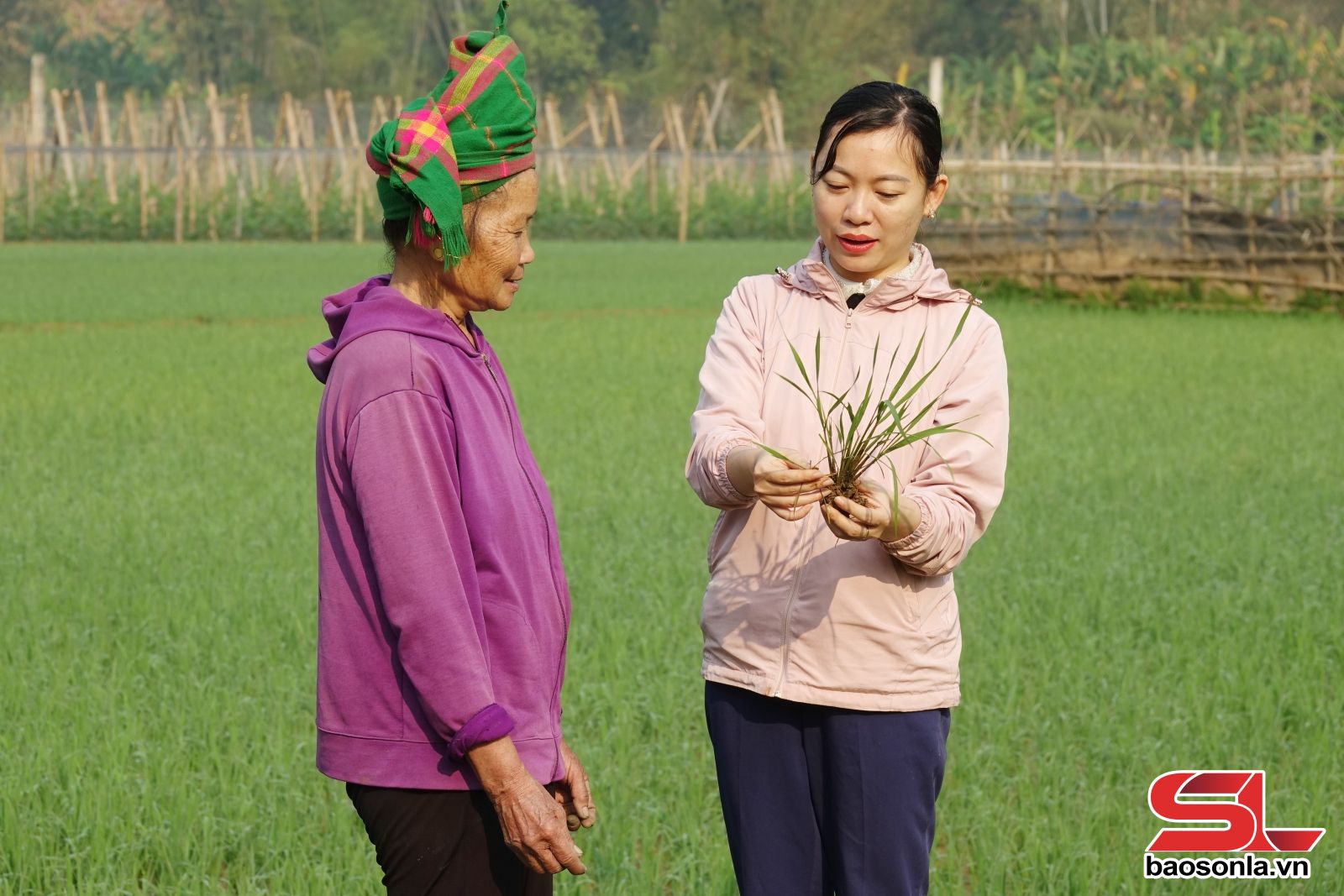
According to the investigation and survey results of the Provincial Department of Crop Production and Plant Protection, approximately 80 hectares of spring rice in several localities have been affected by white-backed planthoppers and brown planthoppers, with a common infestation density of 200 insects/m², along with other pests and diseases such as golden apple snails, stem borers, and root rot.
In addition, over 70 hectares of coffee in Thuan Chau, Mai Son, Sop Cop districts and the city have been affected by brown scale insects, green scale insects, anthracnose, stem borers, etc., with a common density of 0.5 insects/m²; nearly 10 hectares of tea in Thuan Chau, Moc Chau, and Van Ho, which are entering the harvesting stage, are lightly infected with tea leafhopper, green leafhopper, red spider mite, and thrips; over 80 hectares of fruit trees are affected by aphids, anthracnose, thrips, stem borers, powdery mildew, scale insects, mealybugs, leaf curl, anthracnose, etc.
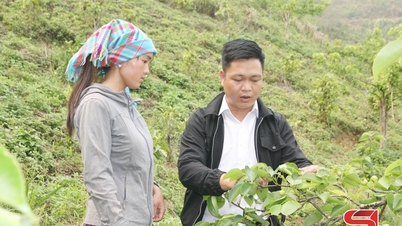
Mr. Ho Trung Kien, Head of the Department of Crop Production and Plant Protection, said: The Department has directed the Agricultural Service Centers in districts, towns, and cities to guide farmers on how to prevent and control pests and diseases affecting crops. The unit has developed cultivation models and disseminated integrated pest management techniques, guiding the use of pesticides according to the "four correct" principles (correct pesticide, correct time, correct dosage, correct method); and techniques for planting and caring for crops, reducing costs and improving production efficiency. When pests and diseases reach the threshold requiring control, farmers are encouraged to prioritize the use of biological and microbial pesticides and adhere to the quarantine period to ensure safety.
In Mai Son district, investigations have revealed that nearly 50 hectares of fruit trees, such as mangoes, longans, and pomelos, have been affected by pests and diseases like anthracnose, brown stink bugs, powdery mildew, and stem borers, with an average density of 0.2-0.5%. Ms. Le Thi Thuy Linh, Deputy Director of the Mai Son District Agricultural Services Center, stated: The center has assigned technicians to regularly inspect, monitor, and accurately predict the timing, scale, and severity of each pest outbreak. Farmers are advised to collect and destroy diseased parts to prevent further spread. Pruning and shaping the trees will improve air circulation and reduce humidity. Simultaneously, only approved pesticides should be used to control pests and diseases, ensuring fruit quality is not compromised.
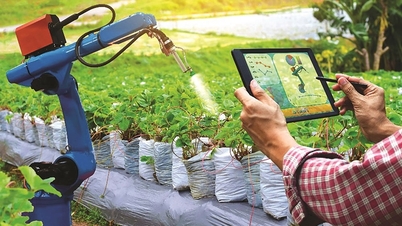
Along with monitoring and controlling pests and diseases, the agricultural sector has coordinated the development of integrated pest management (IPM) models in the fields. From 2021 to the present, the entire province has implemented 11 IPM application models on fruit trees, citrus trees, and cabbage in all districts and cities. Simultaneously, training courses have been organized for nearly 400 farmers.
Ms. Nguyen Thi Tu, from Bon Phang commune, Thuan Chau district, one of the households supported in building the IPM model for cultivating over 2,000 m² of longan trees, said: "After 3 years participating in the IPM model, receiving support with fertilizers, pesticides, and training in garden sanitation techniques, early and late flowering management, fertilization, pruning, and canopy shaping... I have noticed that pests and diseases appear much less frequently, reducing pesticide costs and labor; the longan fruits are large, uniform, and brightly colored; and fruit yield has increased by 20-30% compared to traditional farming methods. This year, I have expanded the IPM model to more than 1 hectare."
Weather forecasts indicate continued complexity, with alternating periods of hot weather and heavy rain, and high humidity, creating favorable conditions for pest and disease development in fruit trees. The agricultural sector advises farmers to focus on supplementing nutrients to improve fruit production. Local authorities need to strengthen inspections and closely monitor pest and disease situations and weather developments, promptly guiding farmers to proactively implement effective control measures.
Source: https://baosonla.vn/kinh-te/chu-dong-bao-ve-cay-trong-G2EElrTNR.html

![[Photo] Prime Minister Pham Minh Chinh receives the Chinese Ambassador to Vietnam](https://vphoto.vietnam.vn/thumb/1200x675/vietnam/resource/IMAGE/2026/04/05/1775397481797_ndo_br_dsc-5512-jpg.webp)























































Comment (0)