

 |
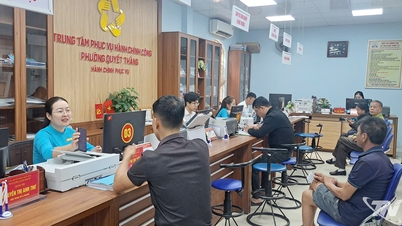
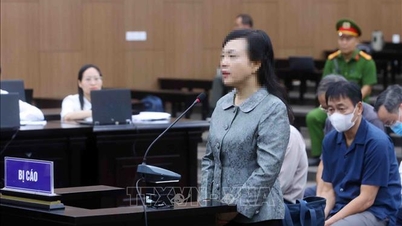
| Citizens carry out administrative procedures at the Tran Bien Ward Public Administrative Service Center. |
In addition, hundreds of surplus properties and land plots have been repurposed and re-used, contributing to preventing losses and waste, and gradually transforming public assets into resources for socio-economic development.
Proactively arranging hundreds of properties.
The Dong Nai City Party Committee, People's Council, and People's Committee have determined that the arrangement and handling of surplus public assets, including offices and land, following the reorganization of administrative units is a crucial and urgent political task that needs to be carried out promptly, seriously, and with high responsibility. According to Deputy Director of the Department of Finance Ngo Duc Thang, based on directives and guidelines from the Central Government and the city, the Department of Finance has advised the City People's Committee and the Chairman of the City People's Committee to issue 15 documents directing and guiding the inventory, classification, and handling of assets before and after the merger. Simultaneously, the department has issued 18 additional specialized documents to departments, agencies, and localities to support the synchronized implementation.
Thanks to the decisive involvement of all levels, sectors, and localities, by the end of April 2026, the city had completed the relocation of offices for 337 agencies and units. This is an important foundation for stabilizing the operation of the administrative apparatus after restructuring, while also creating conditions for focusing on handling redundant facilities.
According to the Department of Finance, to date, the entire city has processed 293 surplus land and property assets, including 213 assets under local management and 80 assets transferred from the central government. The processing has been carried out flexibly, closely following the actual needs of the locality, ensuring compliance with legal regulations on the management and use of public assets.
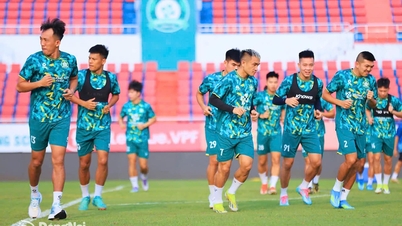
A notable point is that after reorganization, many of the headquarters were quickly repurposed and put into effective use. Among these, 94 facilities continued to serve as offices or operational centers; 34 were repurposed for educational purposes; 11 for healthcare; 26 for cultural and sports activities; and 2 for public services.













































































Comment (0)