Expanding the number of registered growing areas
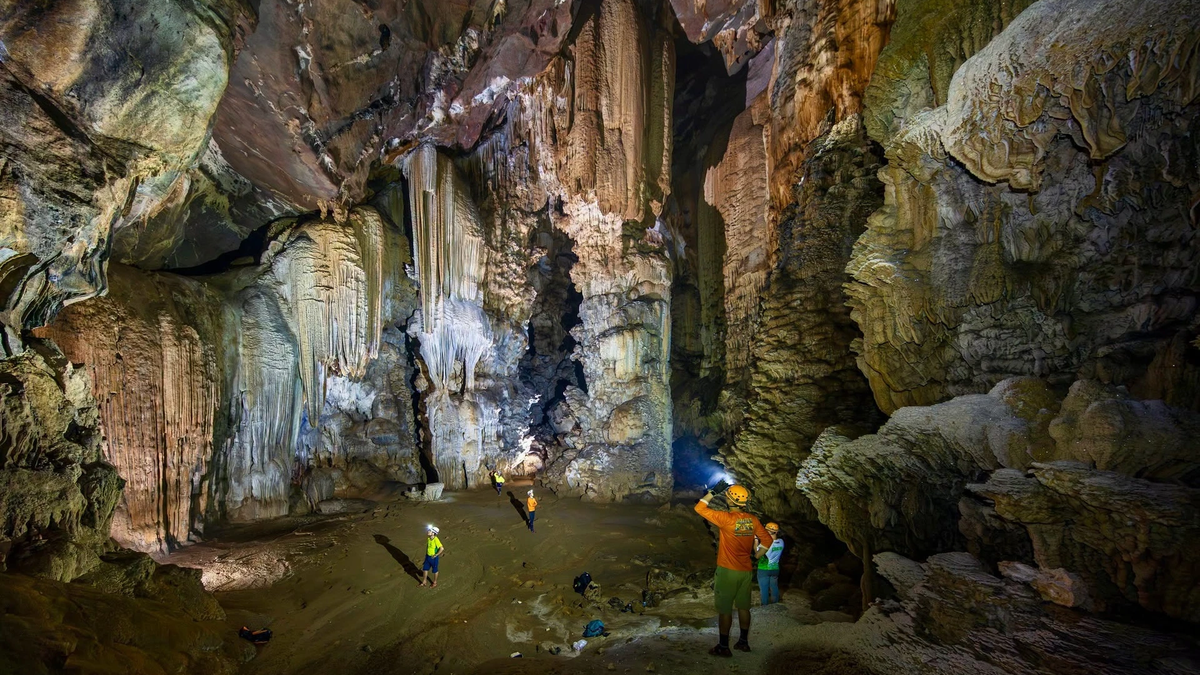
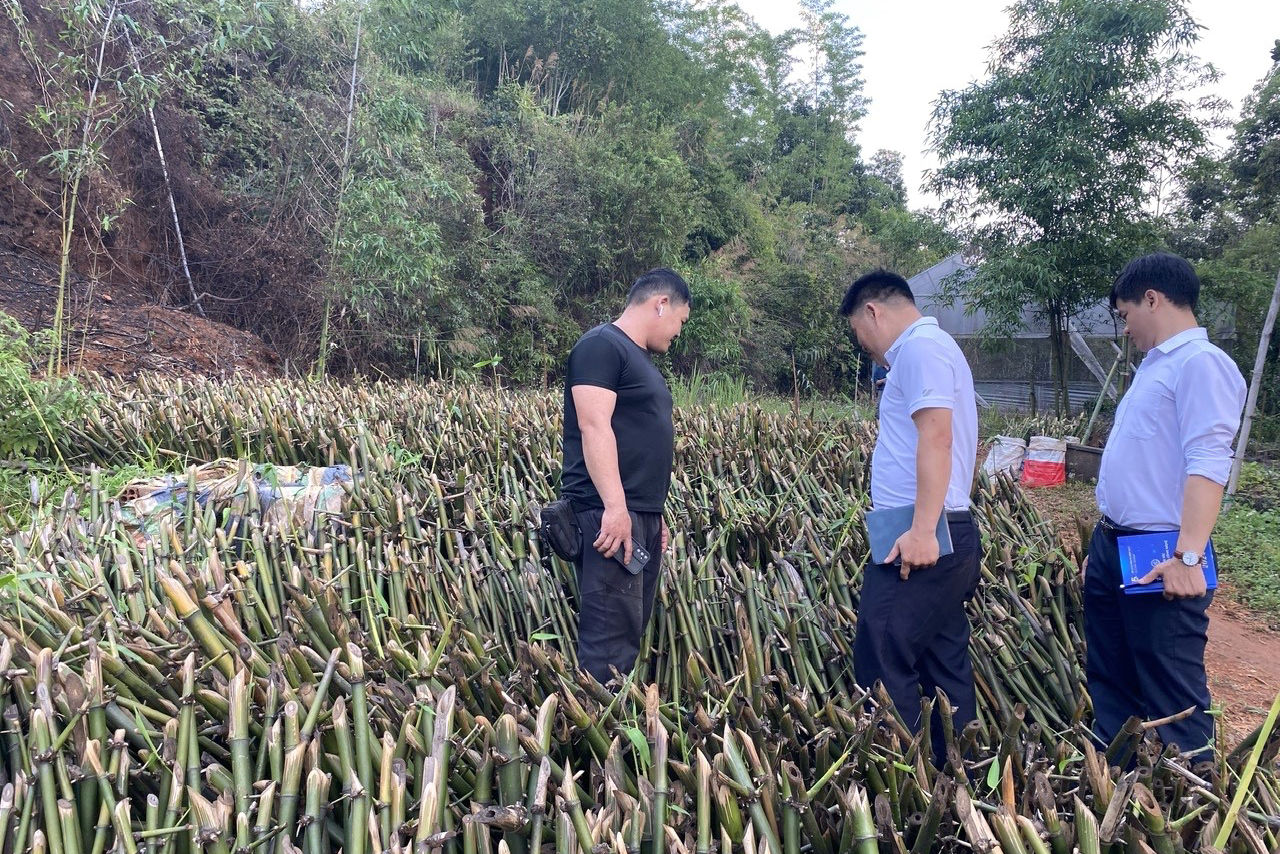
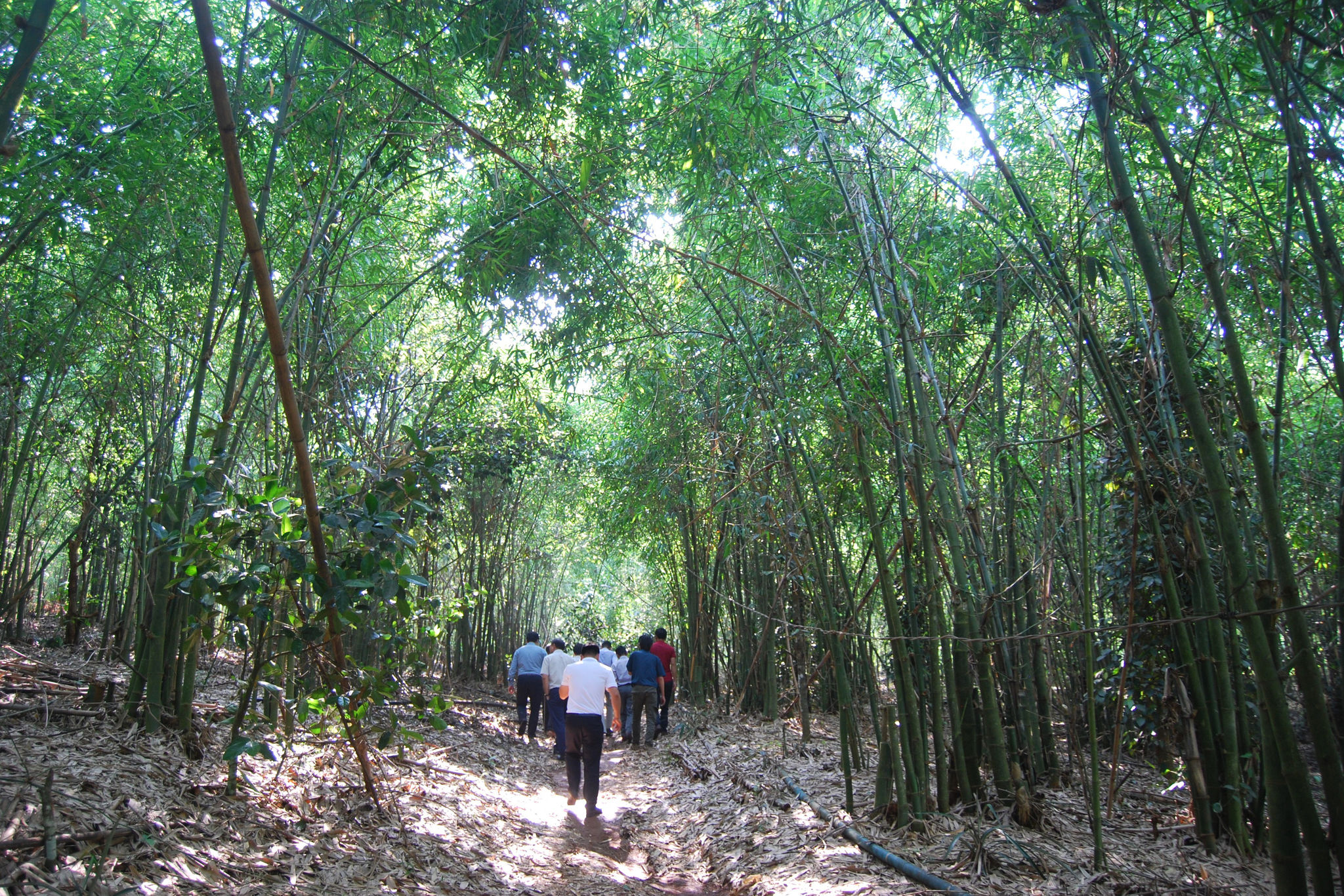
Guided by young owner Le Minh Ca Na (born in 1994) on a tour of the over 40-hectare replanted bamboo forest in Bon B'Nơr area, Ta Dung commune, the Bamboo Agricultural Trade and Service Cooperative, this is the result of more than 10 years of realizing green transformation from barren forest land. Initially, they planted a few types of industrial and fruit trees, but these were ineffective in terms of green coverage and economic value. They then switched to planting year-round bamboo, which proved suitable for the ecological conditions, with strong growth. The cooperative gradually perfected the technical process of care and expanded the planting chain to dozens of hectares within and outside the province. To date, in addition to its environmental value, the cooperative has been linking production with processing, creating OCOP products such as bamboo shoots and reishi mushrooms that are highly competitive in the market. In addition, the cooperative also provides regular income with its products, such as thinned bamboo stalks used as materials for installing trellises, greenhouses, and agricultural production structures, and supplying high-quality bamboo seedlings for annual reforestation seasons.
According to the Science Council of the Vietnam Union of Cooperatives for Silk and Ecotourism (E&CVN), the ecological bamboo growing area in Ta Dung commune is located on a large forest and forestry land area, offering ample potential to realize the province's goal of greening the environment while developing the forest economy. Simultaneously, with its leading position nationwide in high-tech agriculture, Lam Dong has been creating a new starting point for reducing greenhouse gas emissions, preserving ecosystems, and efficiently utilizing natural resources. Through research and analysis, the Science Council has developed a system of green transformation solutions based on nature for the period 2026-2035, including a list of priority component projects for the period 2026-2027 in key agricultural and forestry areas within the province.
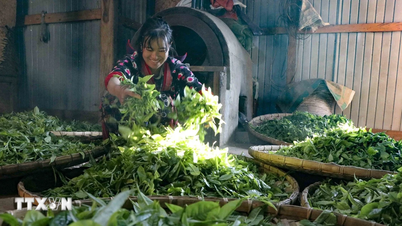
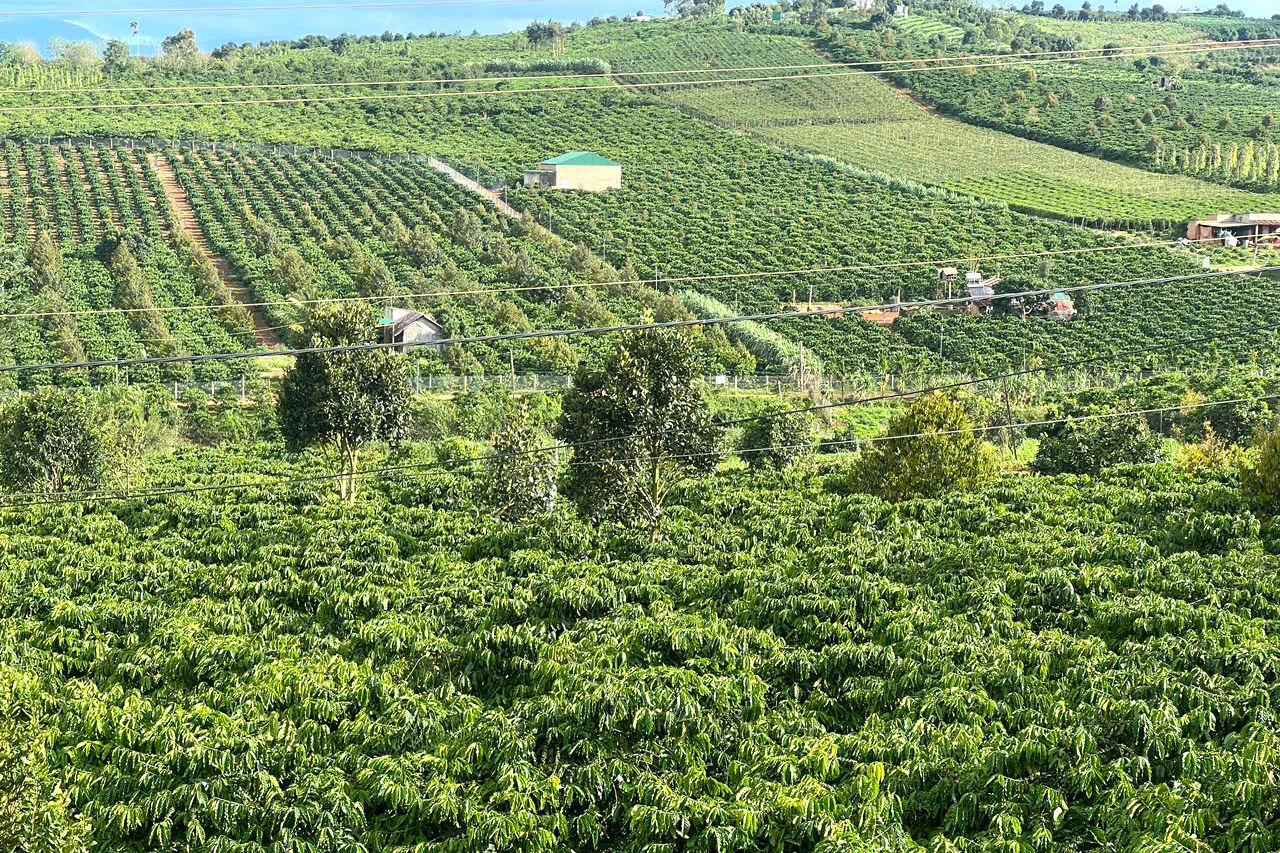
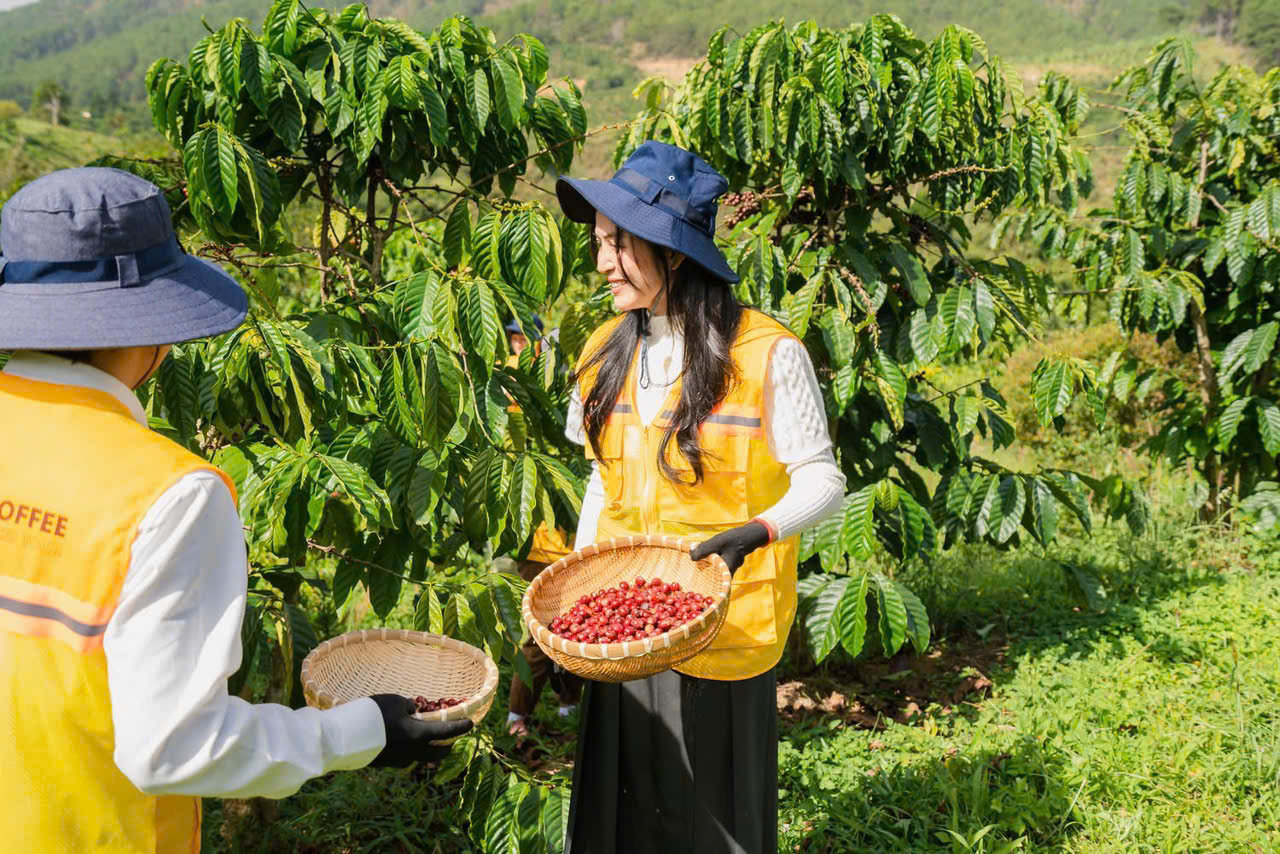
By 2035, the province aims to plant, manage, protect, and stabilize the green cover of over 100,000 hectares of bamboo forests; expand the raw material area to 10,000 hectares of low-emission mulberry trees; and cultivate 10,000 hectares of organic coffee meeting sustainable certification standards, with approximately 80,000 farming households participating. Specifically, bamboo and mixed bamboo forest areas will be standardized into clusters and plots for replication, ensuring criteria for granting forest planting area codes; mulberry cultivation and silkworm rearing areas will meet safety criteria and improve cocoon quality through a verification mechanism; and bamboo forest biological buffer zones will regulate the climate and protect the environment for green agricultural areas…


5 Houses Link
“To be included in the acceptance and scaling up of green transformation, entities must maintain complete monthly and quarterly logs for each operational batch, cross-checking and verifying input material data and output crop product quality. When unusual vegetation cover changes, boundary deviations, or erosion risks occur, exceeding biosafety thresholds, especially in mulberry production areas, the affected areas must be demarcated, and batch-based warnings activated along with corrective measures…,” said Dr. Nguyen Cong Truong, a member of the Scientific Council.
Accordingly, the solutions for coding and identifying green development zones, clusters, and plots are linked to the responsible entity, used consistently in maps and logs for care and conservation, and periodically inspected, verified, and reported to specialized agencies for timely guidance.
To implement synchronized management solutions and green transformation techniques, the five-party linkage chain needs to operate smoothly. It is projected that the province will require approximately 24,646 billion VND in capital for the greening of gardens and forests by 2035. The capital structure will consist of 60% green credit from banks, 30% from investors, and 10% from state support and other mobilized sources. The remaining four parties will coordinate their functions: the State will create policy mechanisms and strengthen inspection and supervision; businesses will guarantee output; scientists will refine green development processes and transfer technology to stakeholders; and farmers will implement production in batches and clusters, directly benefiting from the garden and forest resources.
Mr. Tran Quang Duy, Deputy Head of the Lam Dong Provincial Department of Crop Production and Plant Protection, affirmed that the green transformation roadmap based on the 5-party linkage chain, led by E&CVN, is consistent with the green orientation, developing circular and sustainable production, improving livelihoods and protecting the environment, developing the collective economy, applying science and technology, and digital transformation in agriculture. When officially implemented, it will be piloted with several suitable models, evaluated for effectiveness, and then scaled up throughout the province.



Source: https://baolamdong.vn/chuyen-doi-xanh-theo-chuoi-lien-ket-446651.html