 |
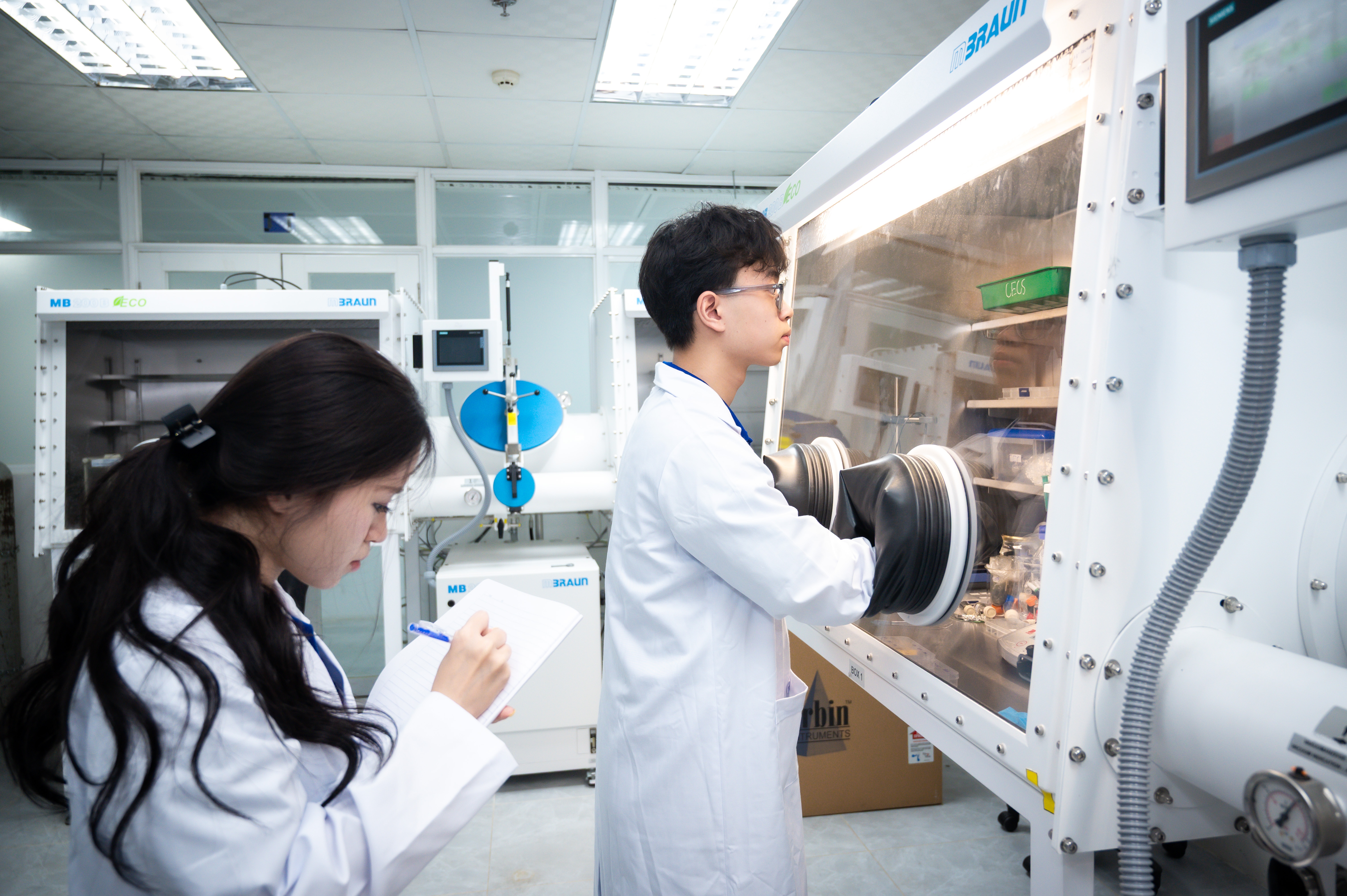
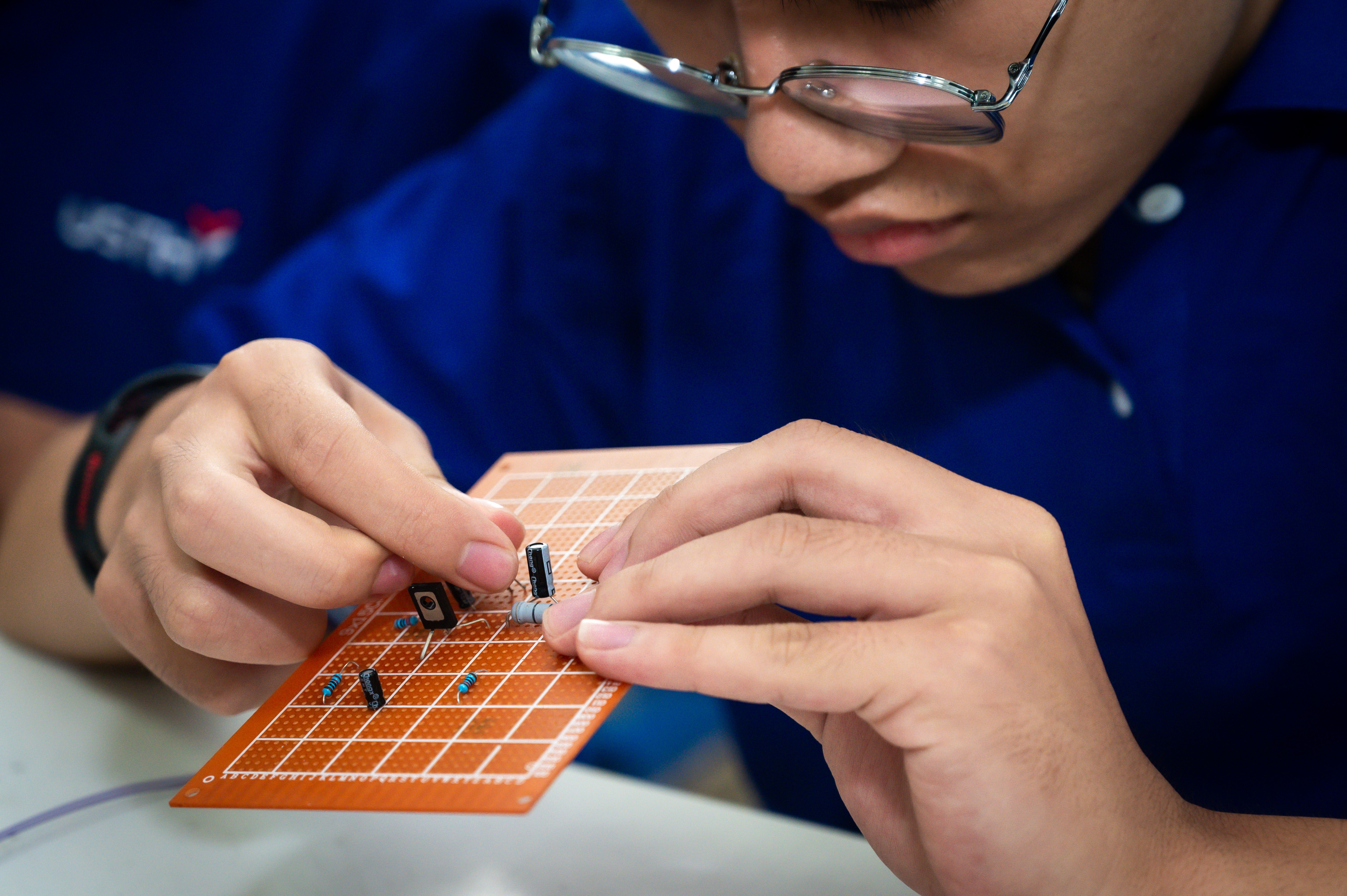
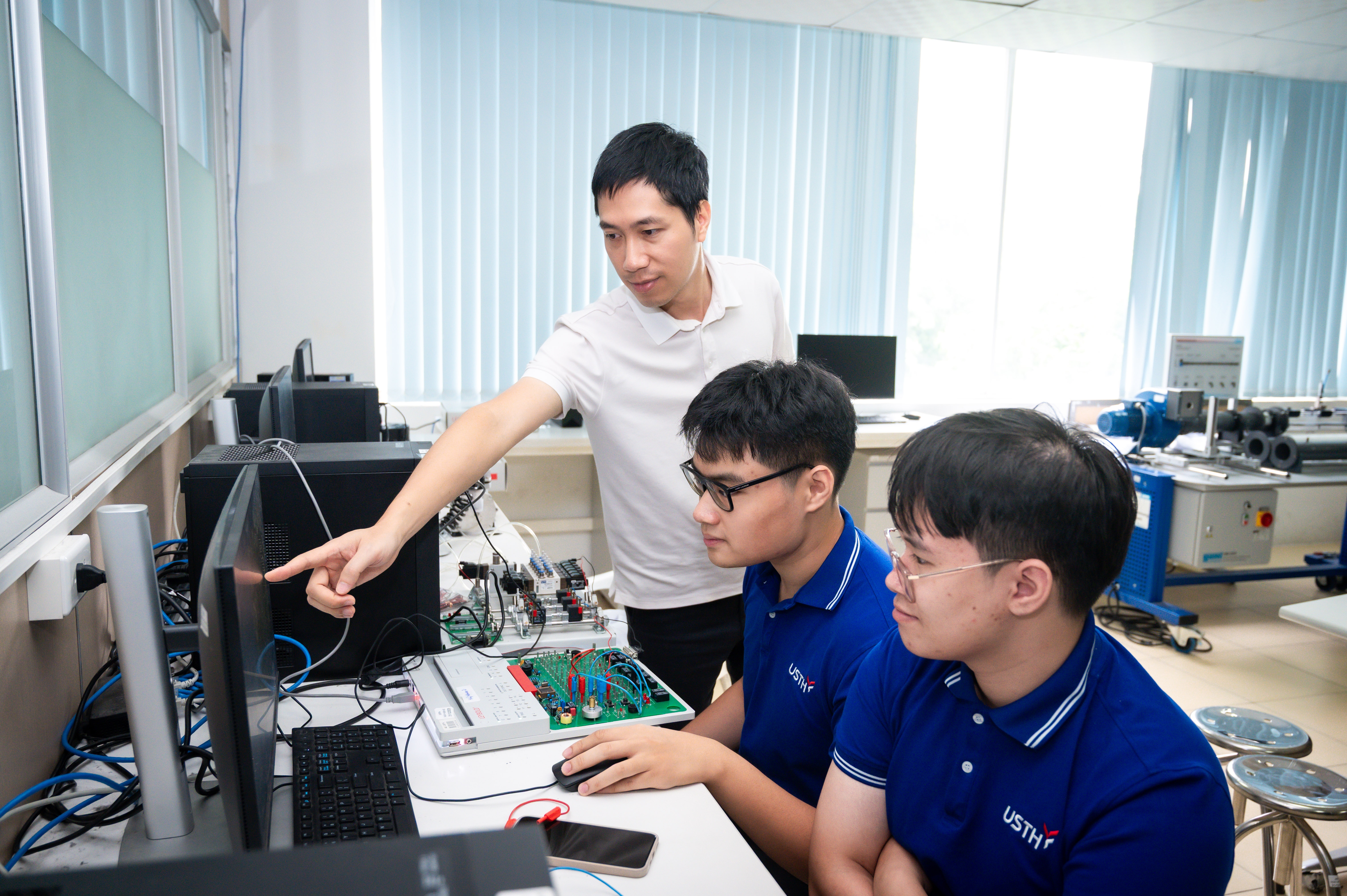
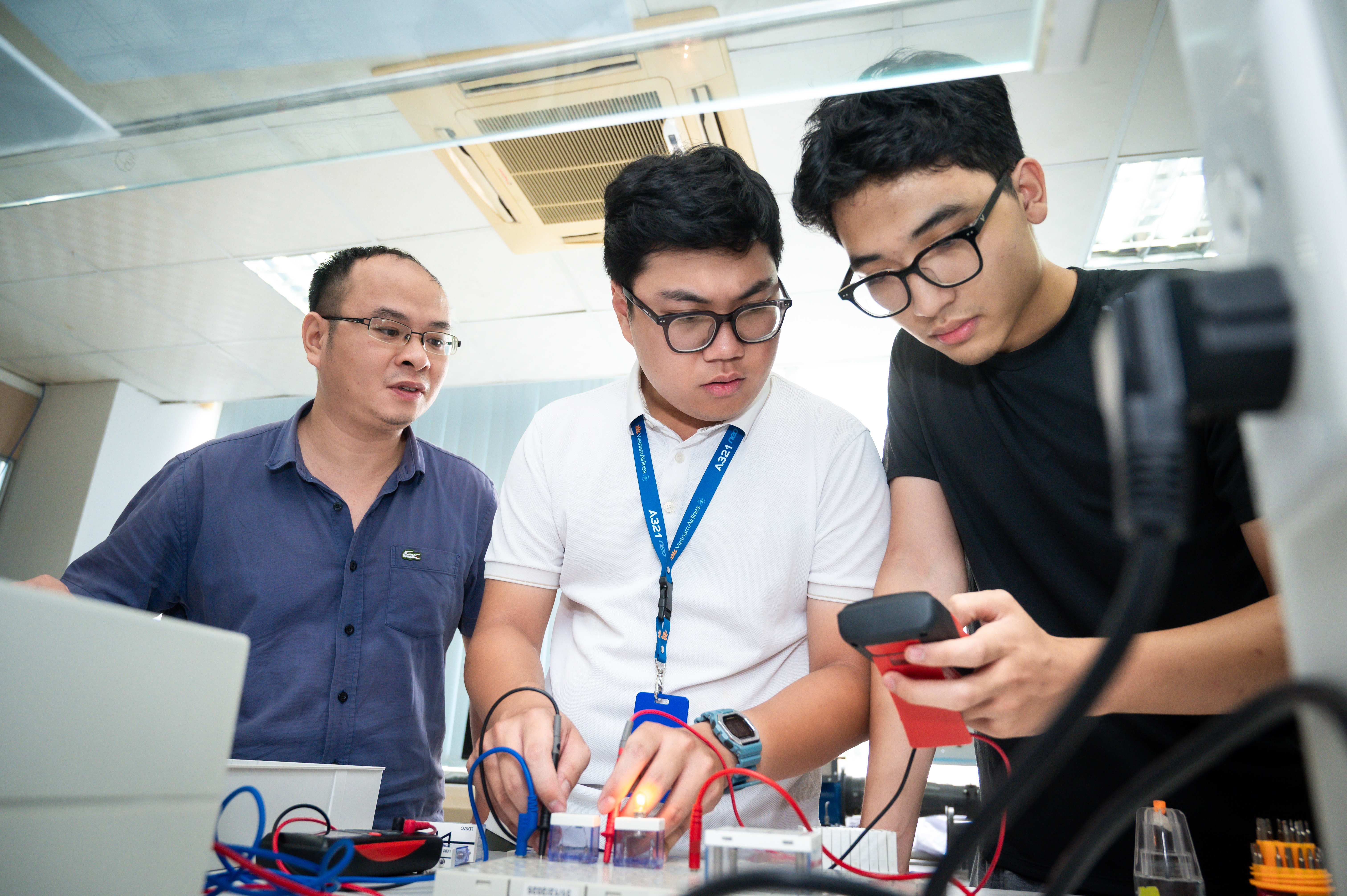
For training programs in the fields of science and technology, practical training is an integral part of the learning process. Therefore, the Hanoi University of Science and Technology (USTH) focuses on investing in modern laboratories, workshops, and research centers, considering this as one of the foundations for training high-quality human resources. |
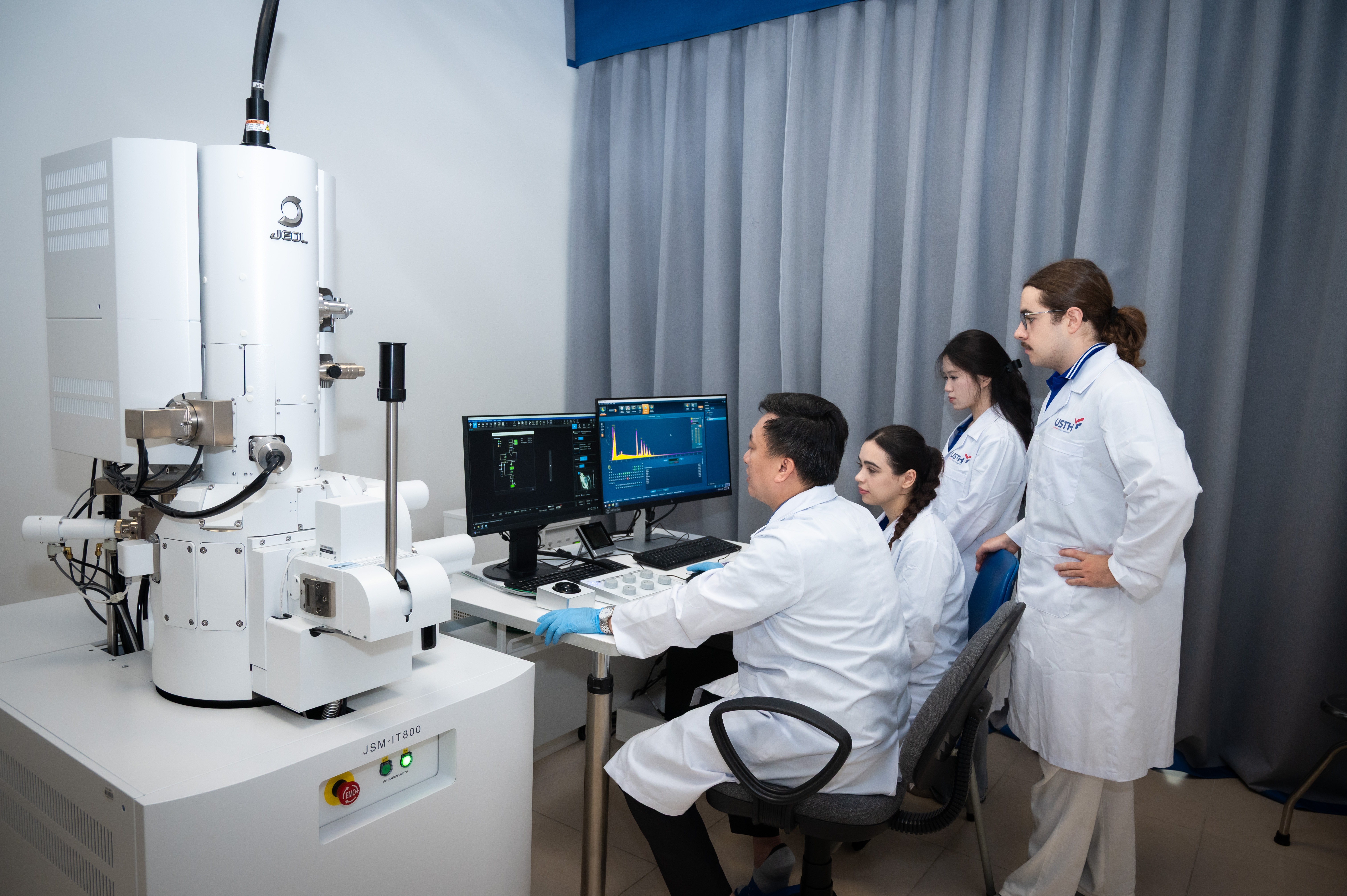 |
At the Scanning Electron Microscopy Laboratory, the university possesses a state-of-the-art field emission scanning electron microscope (FESEM) system – equipment rarely found in other universities in Vietnam. This device allows observation of sample surfaces with ultra-fine structures at a size of only a few tens of nanometers. In addition, the system integrates an energy-scattered X-ray spectrometer (EDS) detector, enabling detailed analysis of chemical elemental composition. |
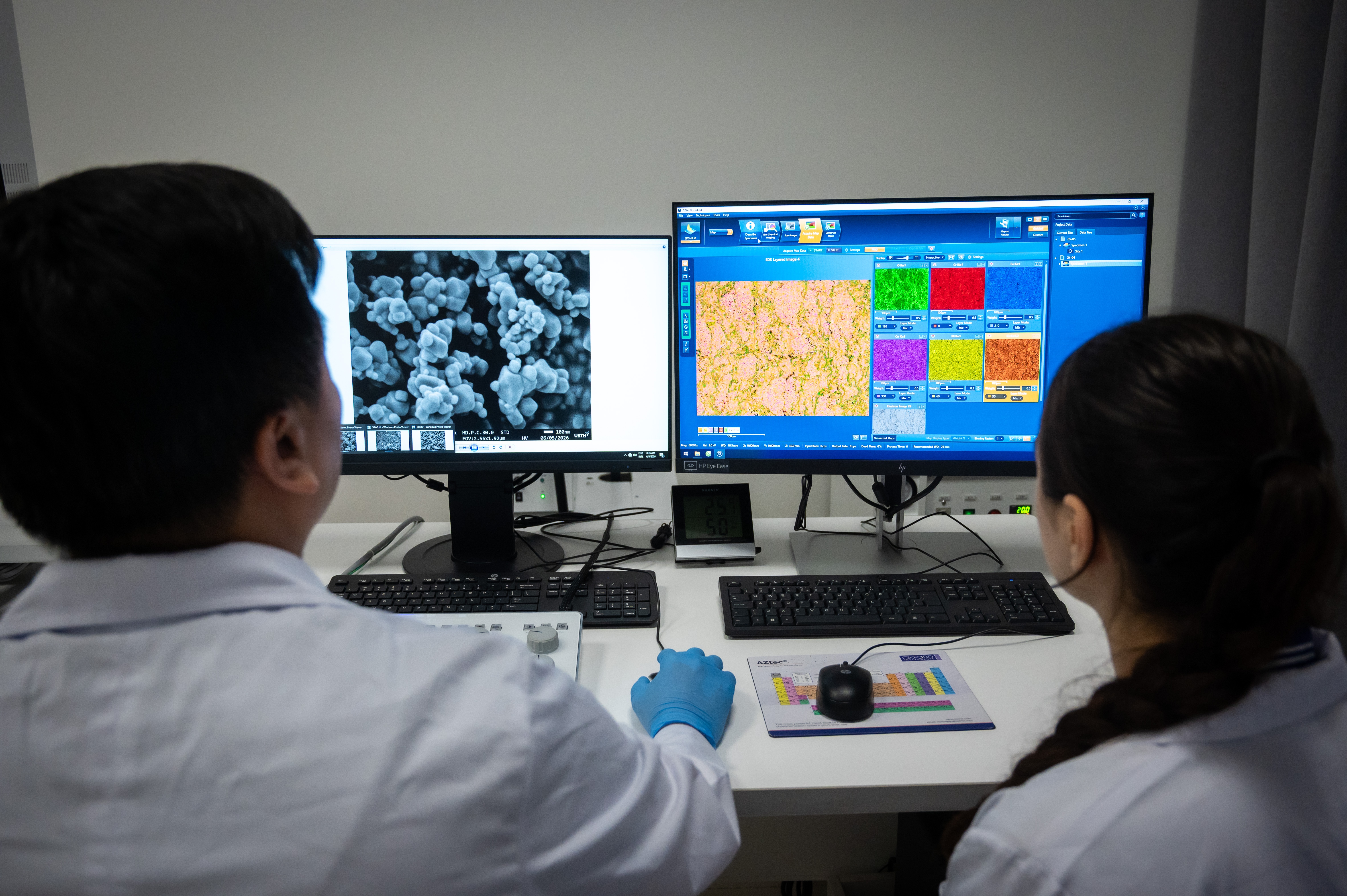 |
This device has wide applications, serving almost all academic disciplines at the university, from materials science, chemistry, and biology to aerospace engineering. After mastering the theory, third-year students begin to use the device. They will observe instructors operating it, familiarizing themselves with sample preparation, measurement, and data analysis. For students conducting in-depth research, under the direct guidance of instructors, they can independently introduce samples into the machine for operation. |
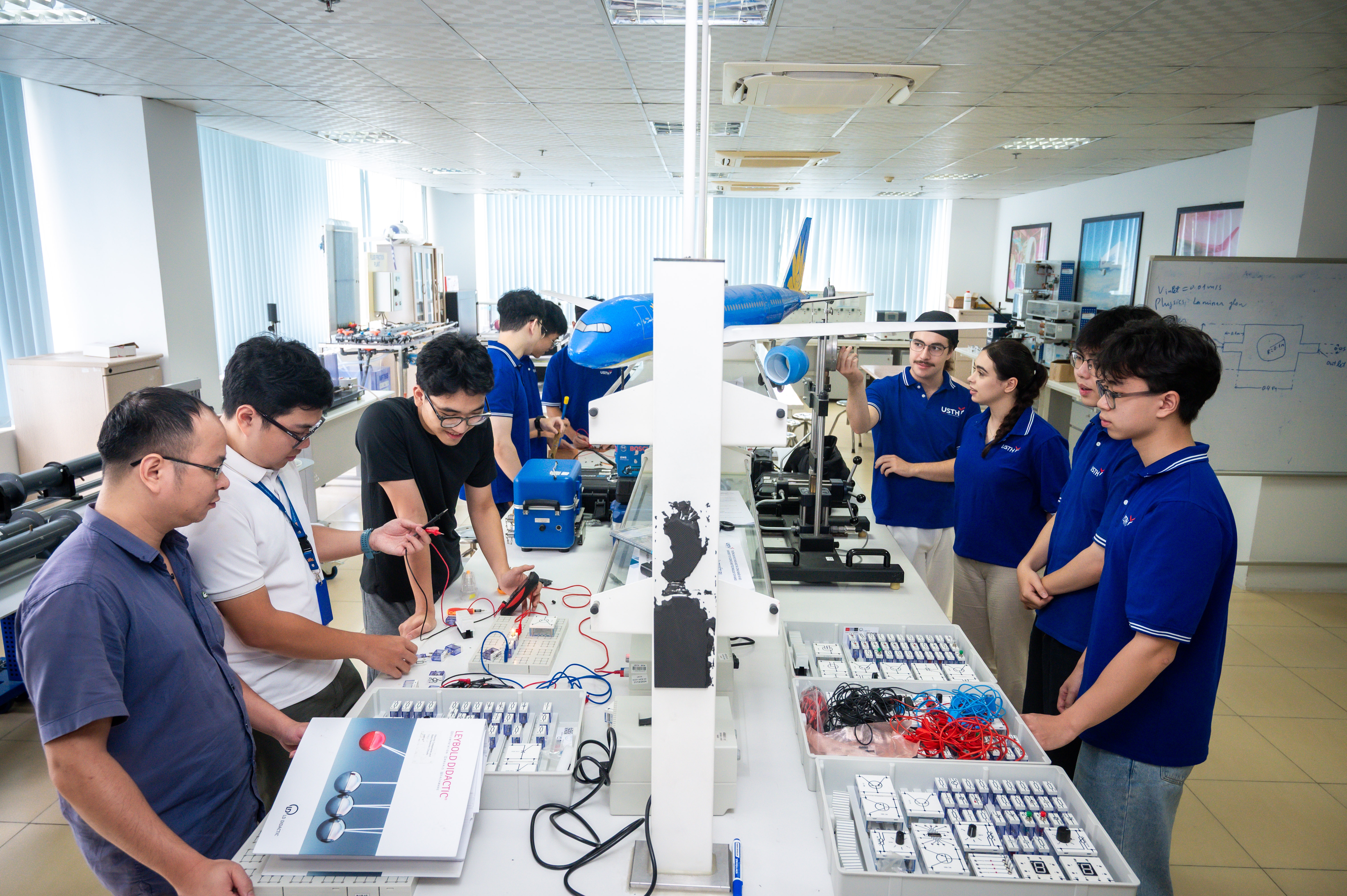    |
Meanwhile, USTH's Aeronautical Laboratory received an investment of $1.1 million (equivalent to nearly 29 billion VND ), with machinery and equipment meeting the standards of international aviation training schools. Nhat Minh (a second-year student in Aeronautical Engineering) said he started going to this laboratory in his first year. Here, he gained access to fundamental knowledge about engines, aerodynamics, materials, and aviation electronics systems… |
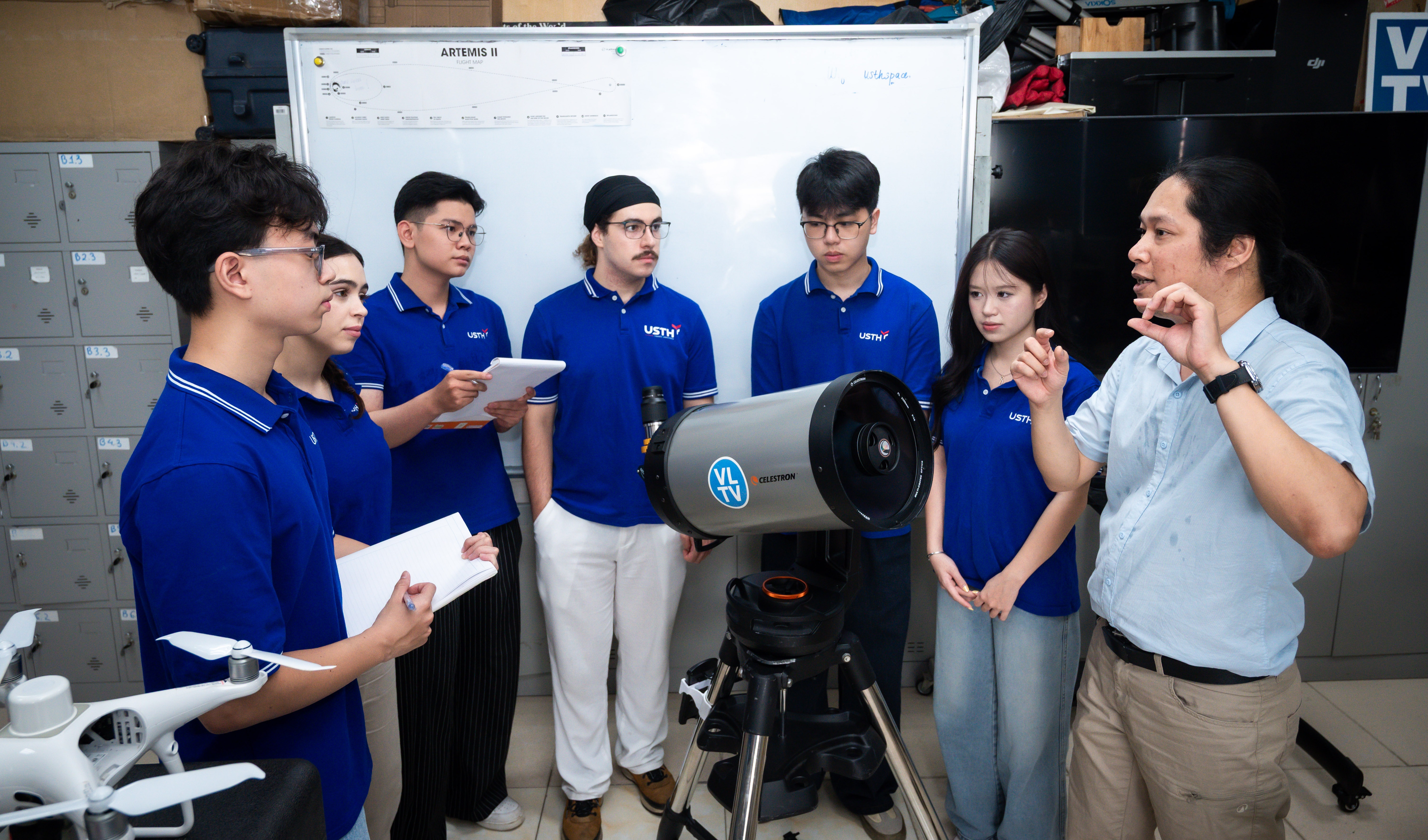 |
USTH is one of the few universities in Vietnam that offers a Space Science and Satellite Technology program, focusing on three areas: Astrophysics, Remote Sensing and Earth Modeling, and Satellite Technology. At the practical laboratories of the Faculty of Space and Earth Sciences, students and trainees participate in research projects on Earth observation, artificial satellite design, and astronomical observation equipment with faculty and scientists. |
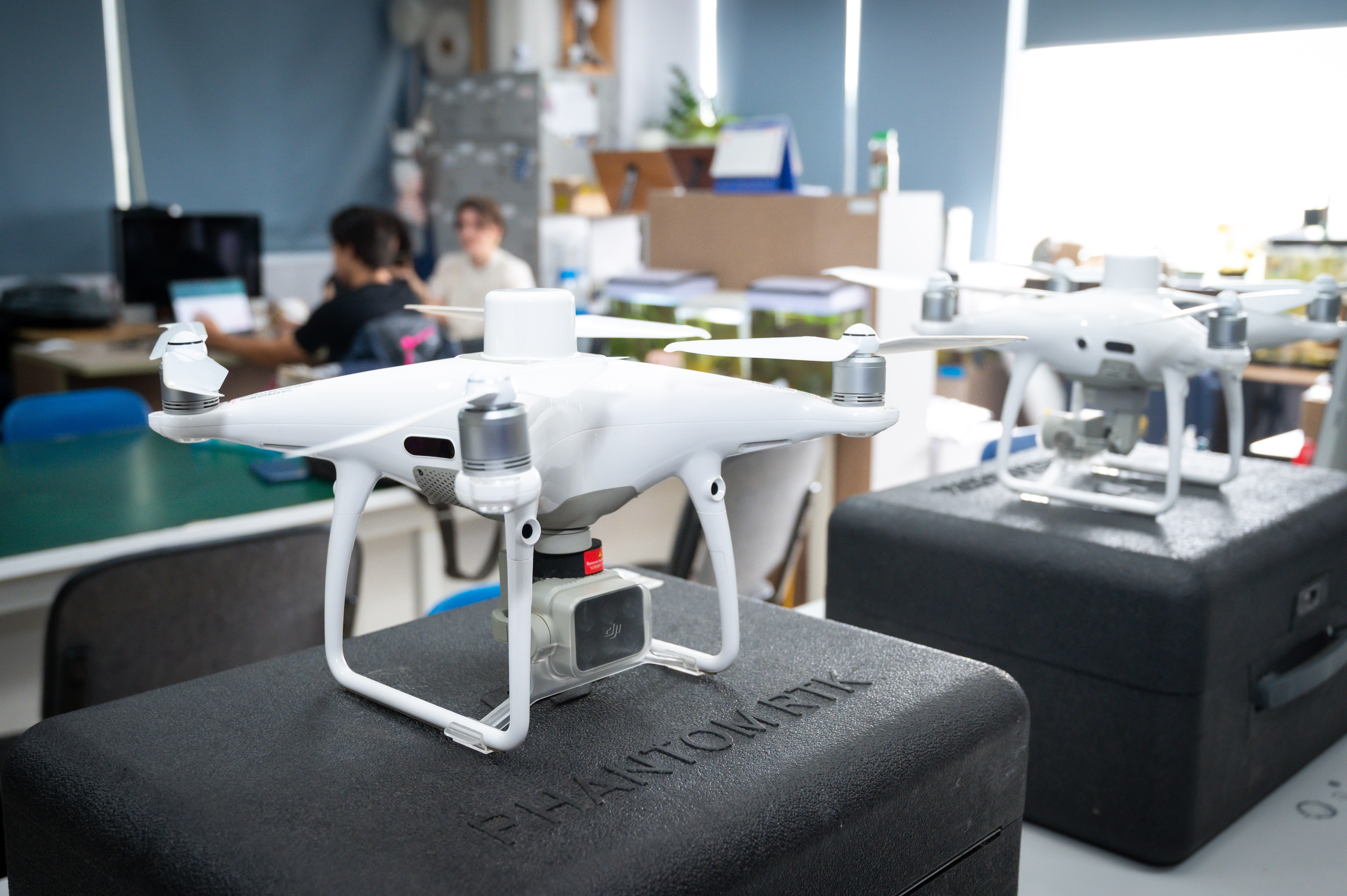 |
Students directly practice and conduct experiments with modern equipment such as high-resolution spectrometers, drones equipped with hyperspectral and multispectral cameras, laser scanners, speed of light meters, dynamic models of artificial satellites, simulation and control of satellite models, and practice measuring and observing stars… |
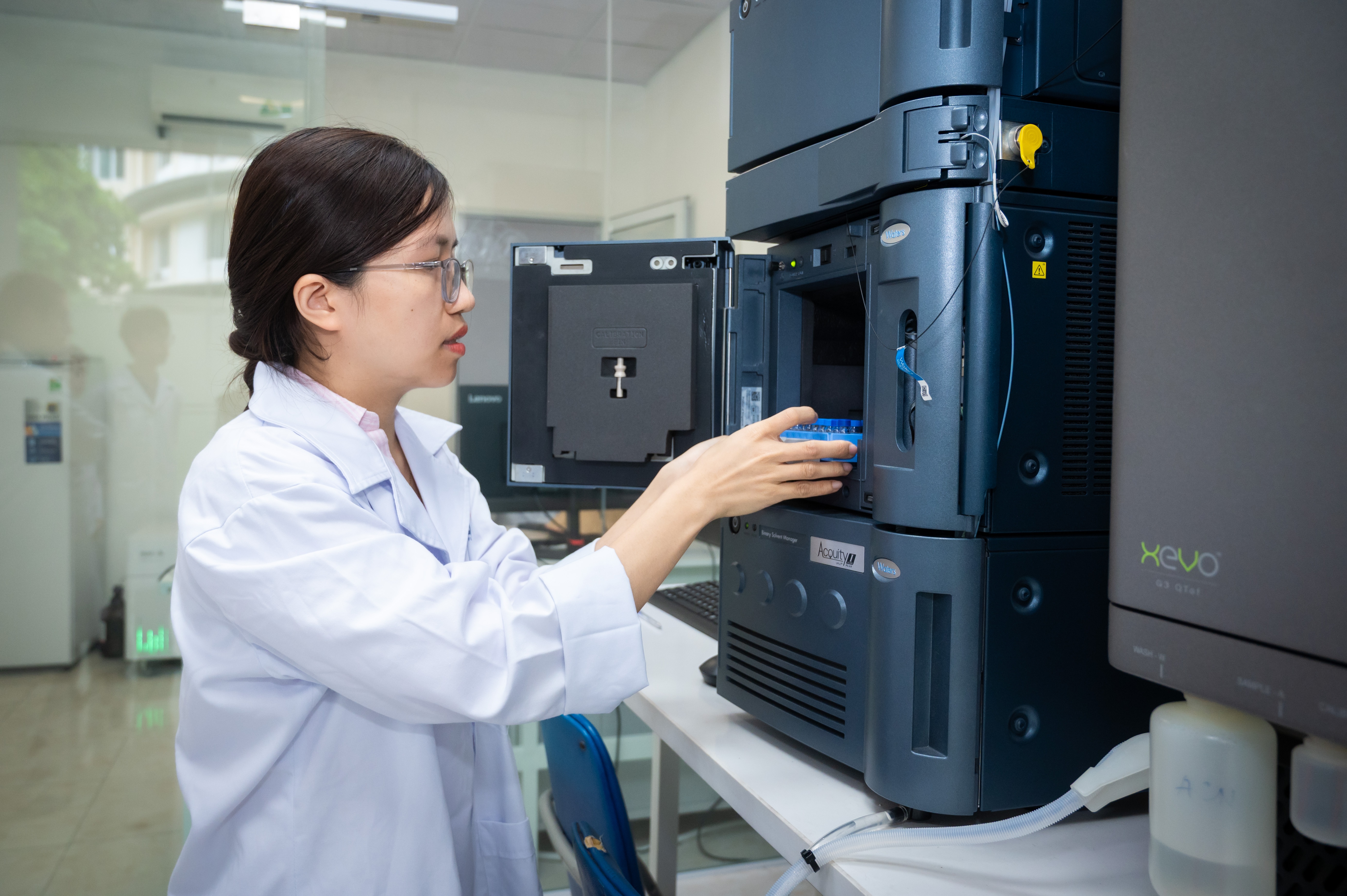 |
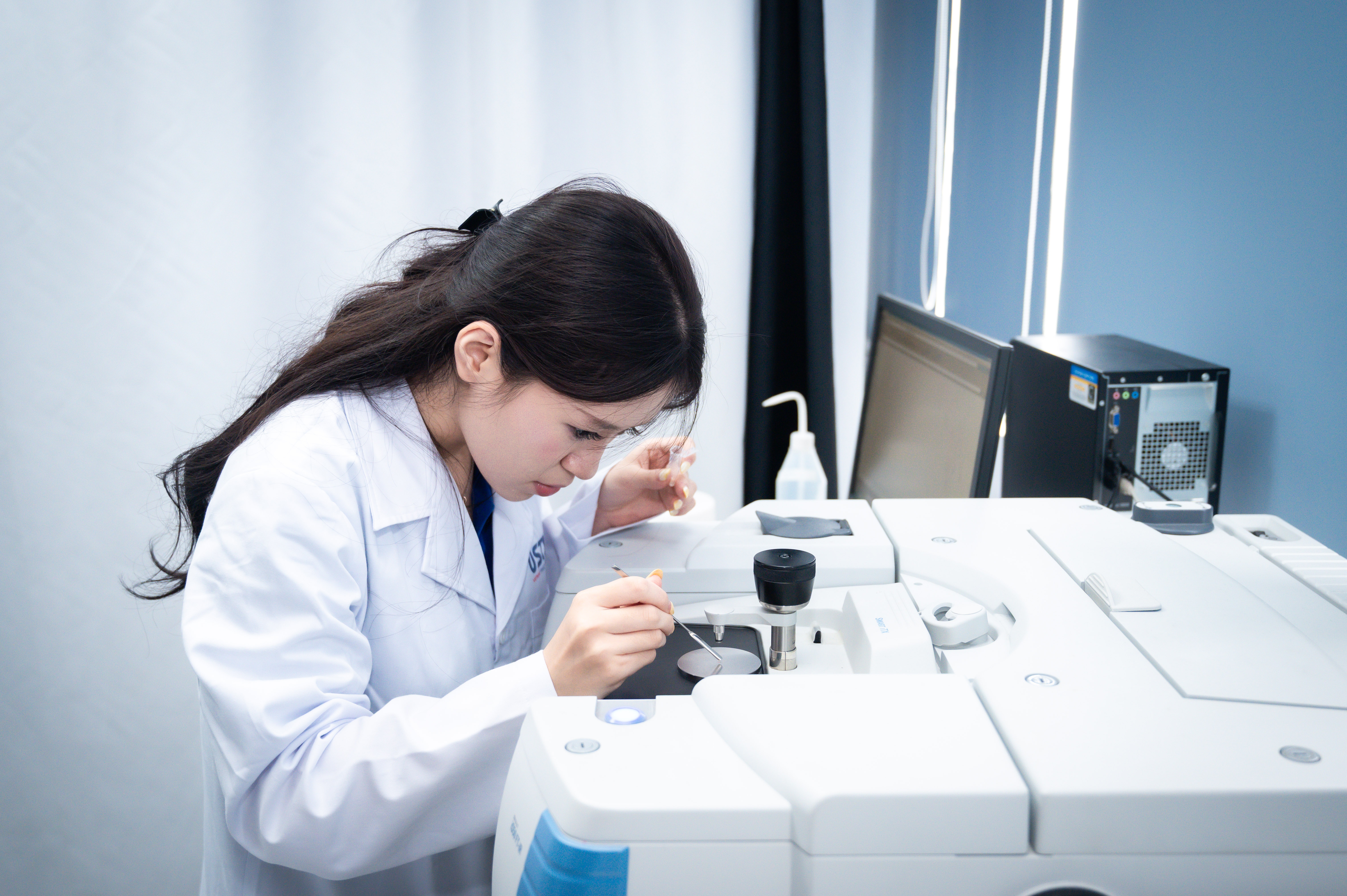
The QTOF ultra-high performance liquid chromatography-mass spectrometry system is also one of the advanced analytical instruments at USTH, serving as a valuable tool for in-depth research in life sciences, medicine, and the environment. With the ability to accurately analyze, identify, and quantify complex compounds in a single sample run, the device allows for the detection of control substances, toxins, pesticide residues, antibiotics, or unknown compounds with high accuracy, while also supporting the development of databases for in-depth research and testing. |
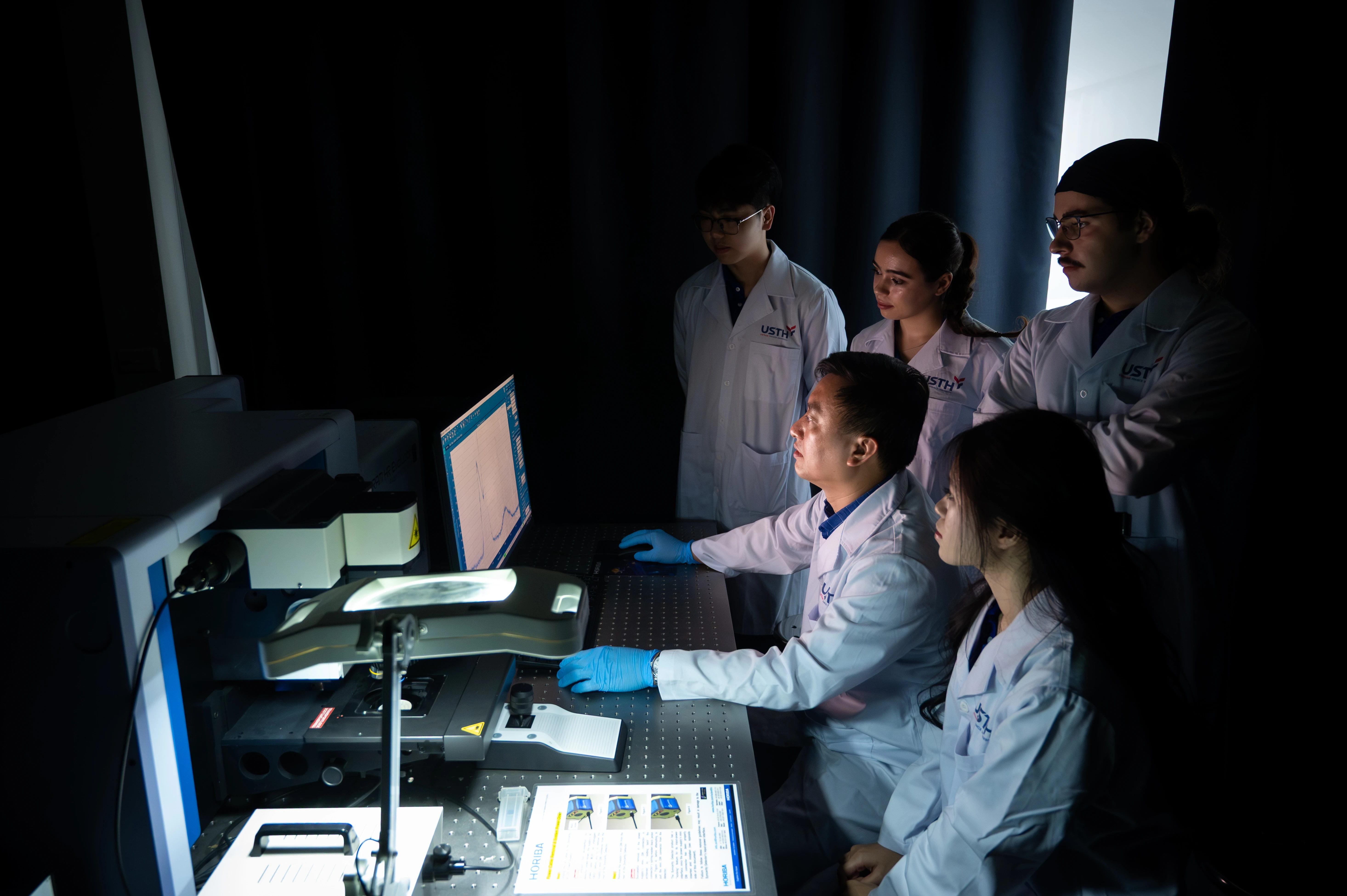 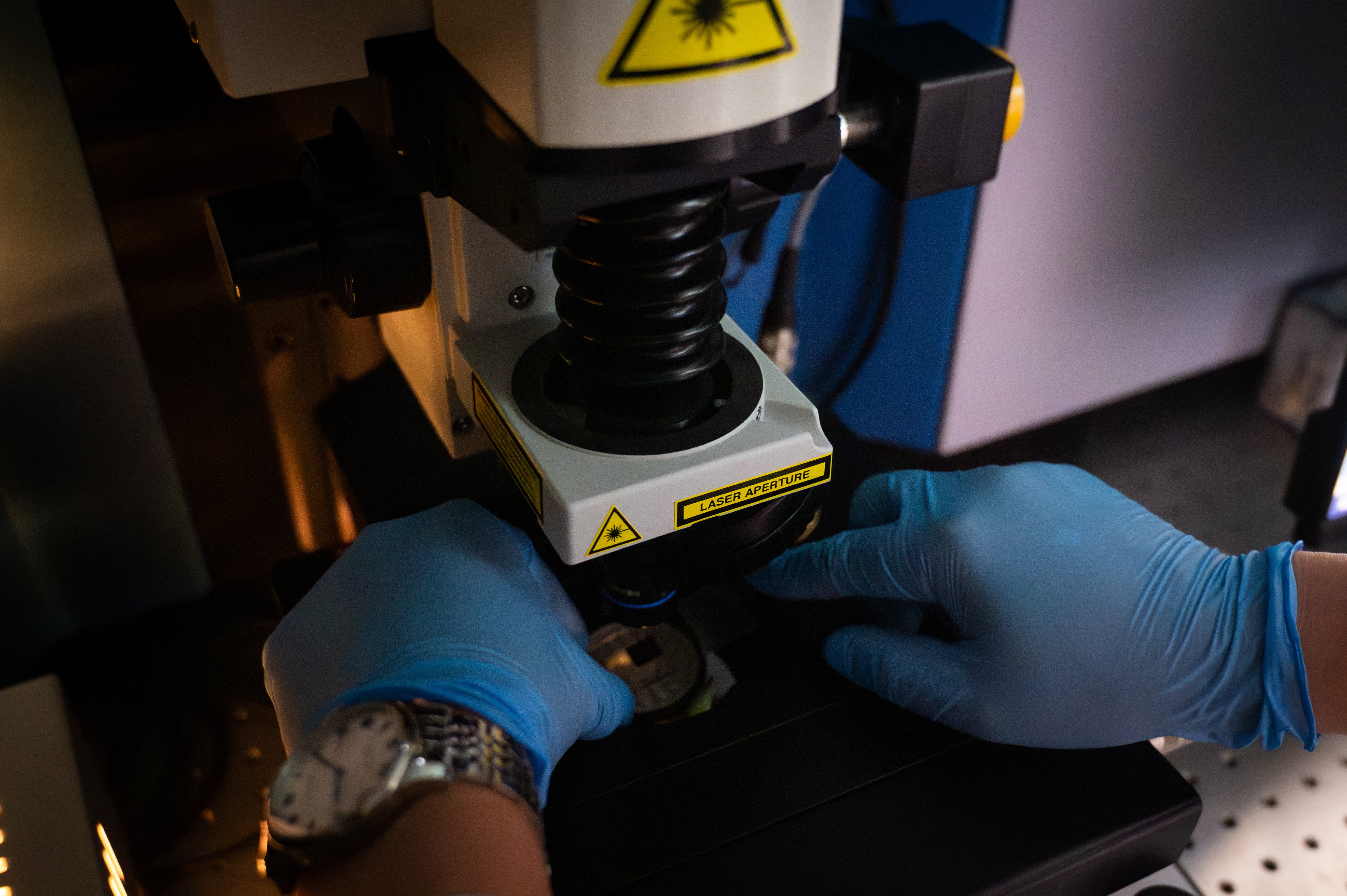 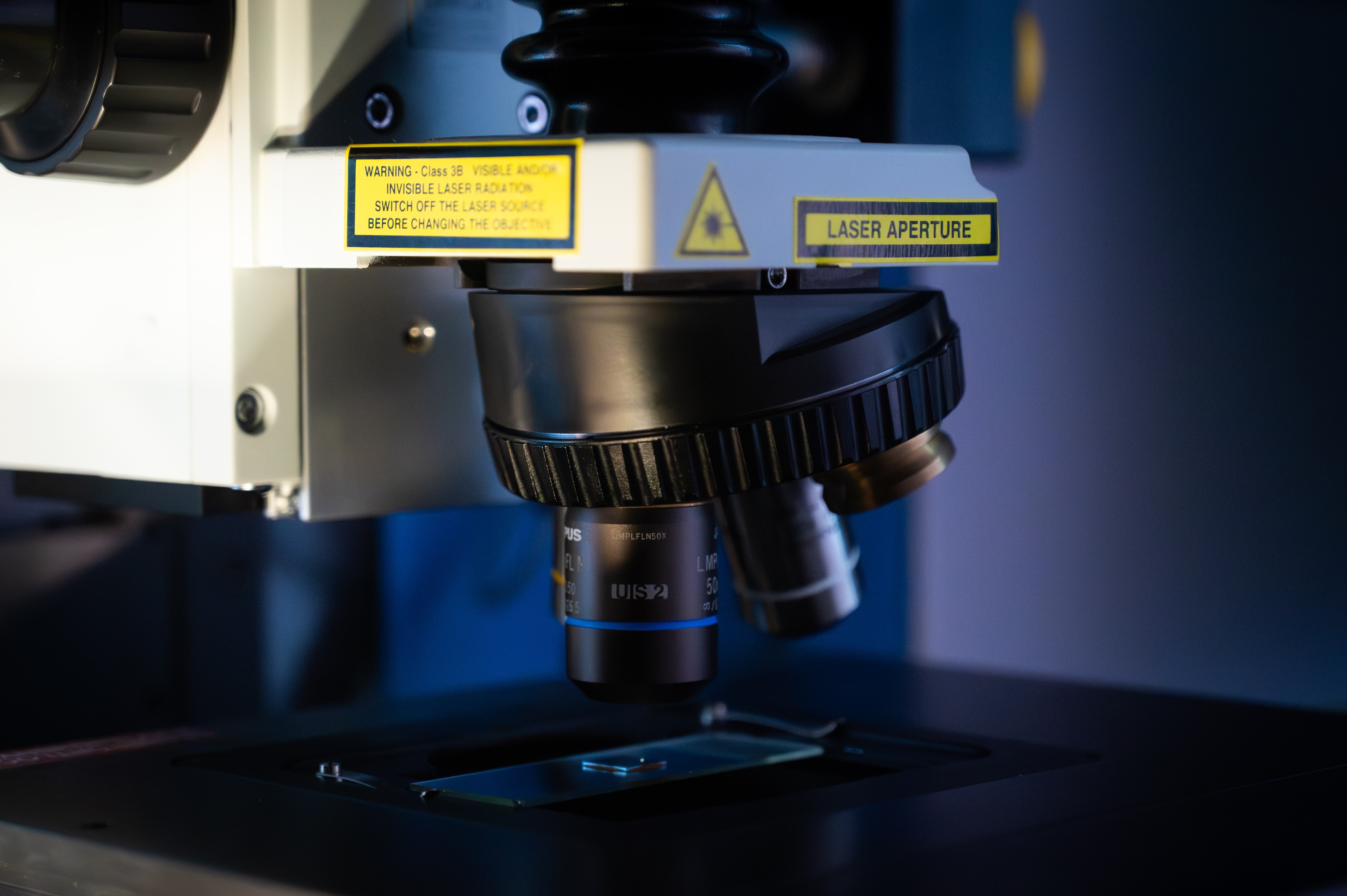 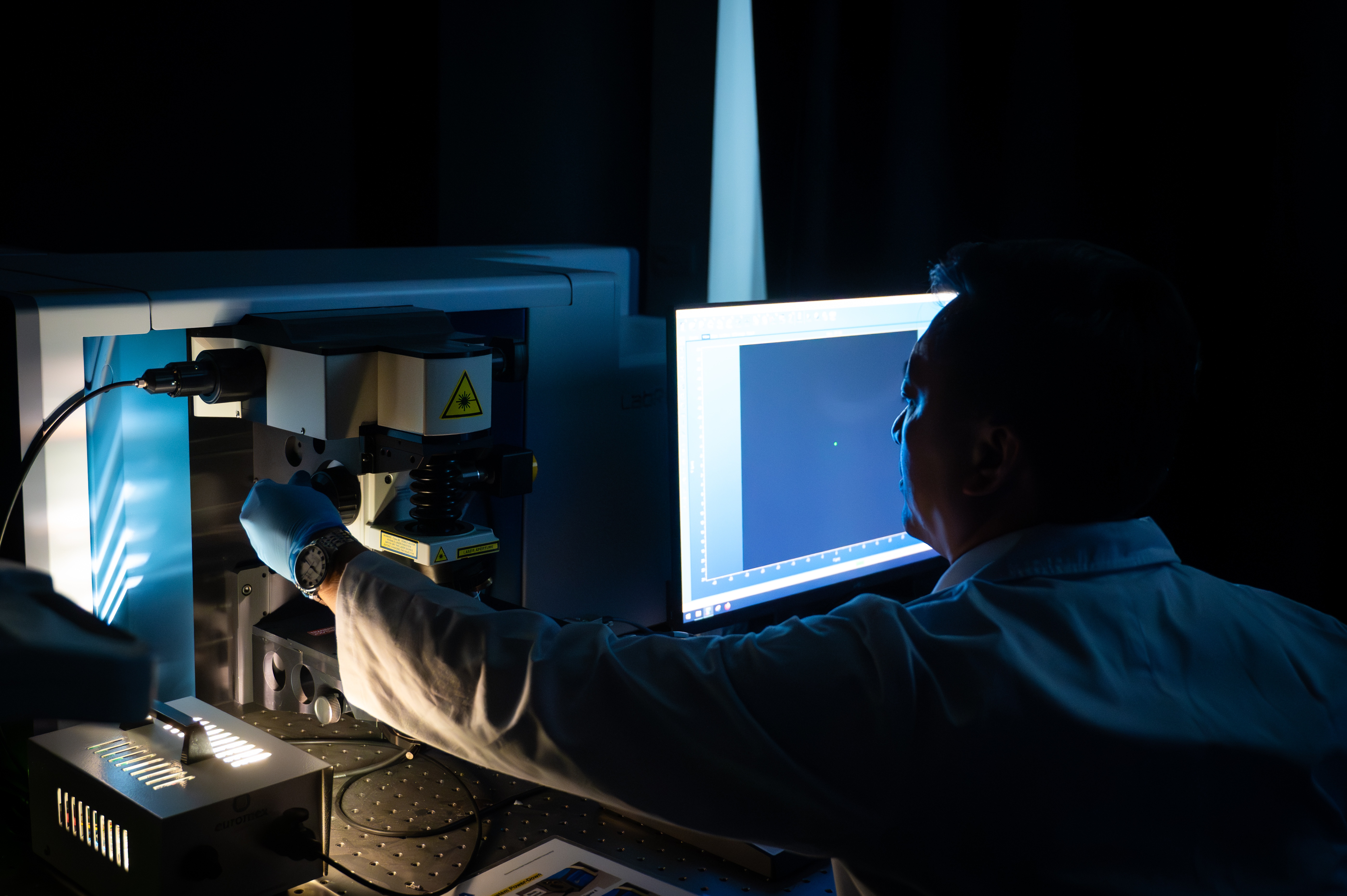 |
Meanwhile, studying in the Optics-Spectrometry lab, students have access to a state-of-the-art Raman spectroscopy system capable of analyzing the structure and molecular composition of materials based on the interaction between laser light and matter. To ensure measurement accuracy and minimize optical interference from the environment, the Raman spectroscopy lab is maintained under low light conditions during equipment operation. This helps the system accurately capture very weak scattering signals from the samples under study. |
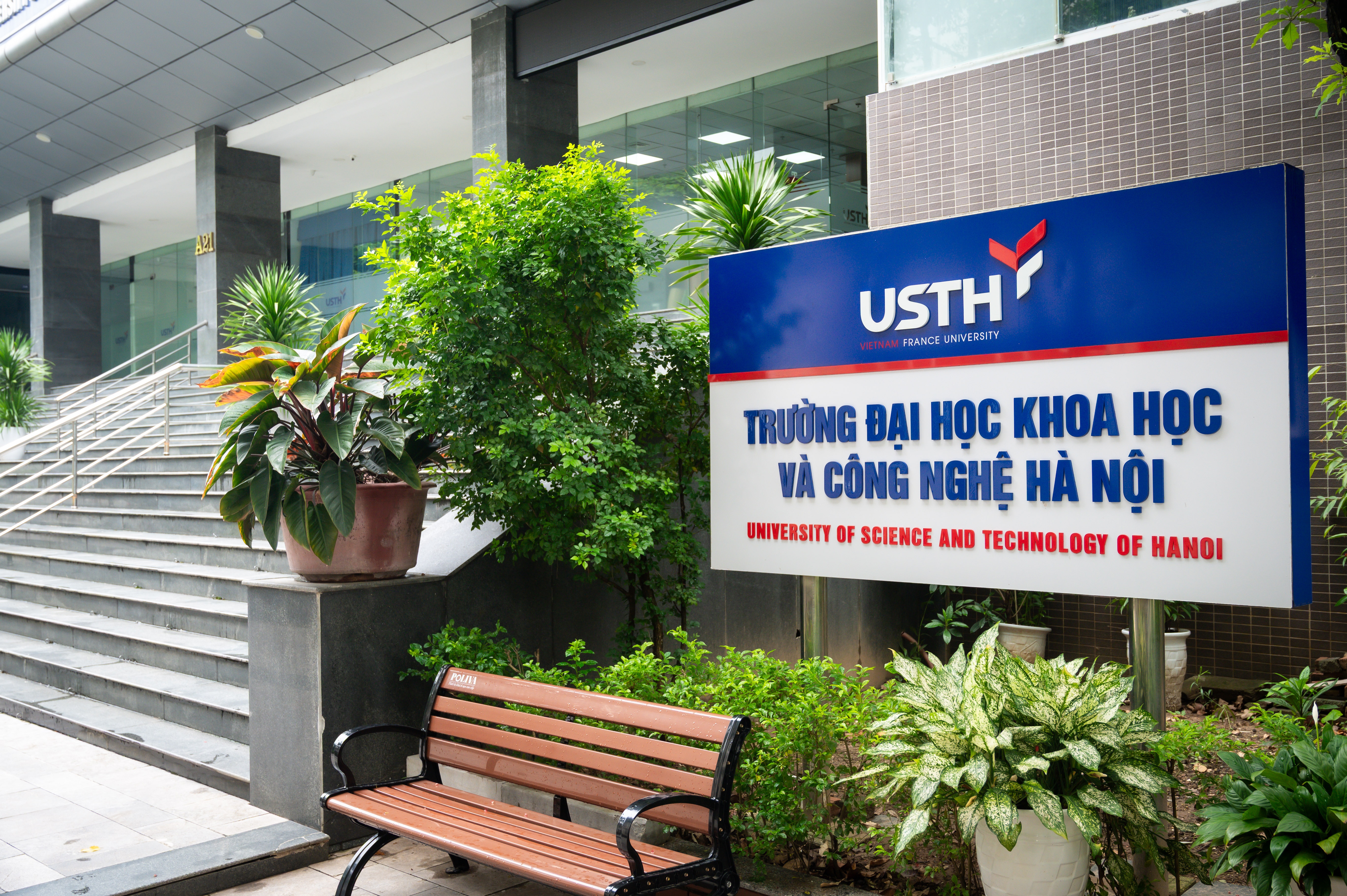 |
USTH is a public university, established in 2009 within the framework of an intergovernmental agreement between Vietnam and France . In 2023, the university achieved quality accreditation according to the European HCERES standard. Currently, the university offers 17 majors in science and technology. |
 |
Speaking with Tri Thuc - Znews , Associate Professor Dr. Nguyen Hai Dang, Vice Rector of USTH, said that the university has two groups of laboratories: practical laboratories and research laboratories, with a total investment of 30 million USD (approximately 790 billion VND ) through ADB funding. Specifically for the practical laboratory group, USTH has invested in a system of 42 laboratories, evenly distributed across faculties, with a cost of approximately 485 billion VND . |
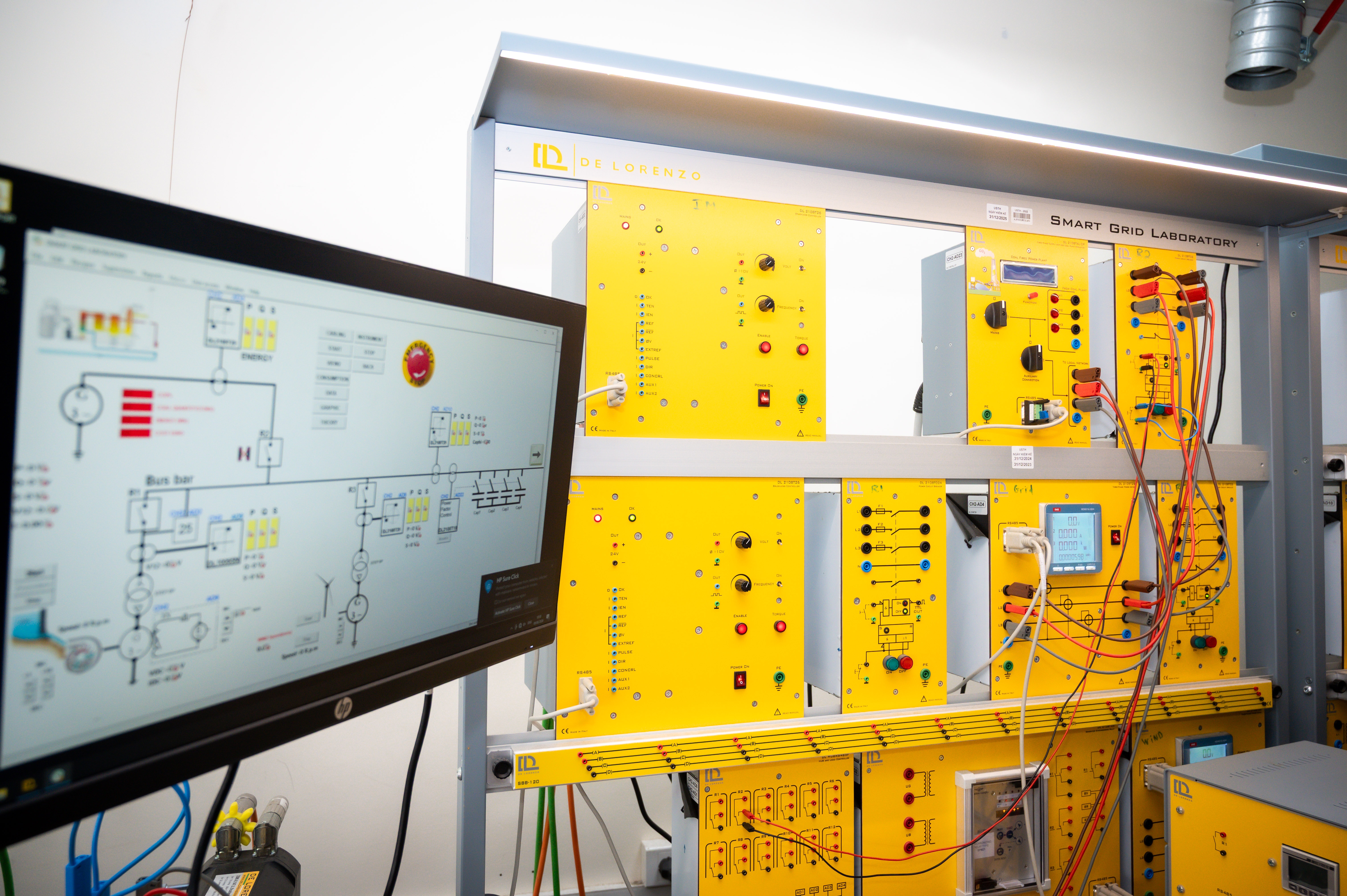 |
The technology and engineering fields include laboratories for mechatronics engineering, automotive engineering, electrical engineering, and automation. The information technology field mainly consists of high-configuration computer labs. The life sciences fields have laboratories for biotechnology, pharmaceuticals, food technology, etc.  Vietnam encourages US businesses to expand investment in high technology.On the morning of June 26th, at the Government Headquarters, Deputy Prime Minister Ho Quoc Dung received Mr. Jeff Place, Supply Chain Director of Coherent Group (USA). During the meeting, the Deputy Prime Minister affirmed that Vietnam encourages US businesses to expand investment, especially in high-tech, innovation, and semiconductor industries.  Encourage U.S. businesses to expand investment in high-tech sectors.Deputy Prime Minister Ho Quoc Dung said that Vietnam welcomes US businesses to continue expanding their operations in Vietnam, especially in high-tech industries and sectors with high added value.  Vietnam and the United States strengthen cooperation in addressing the consequences of war.VTV.vn - On June 22, General Secretary and President To Lam received Acting Secretary of the US Navy Hung Cao. |
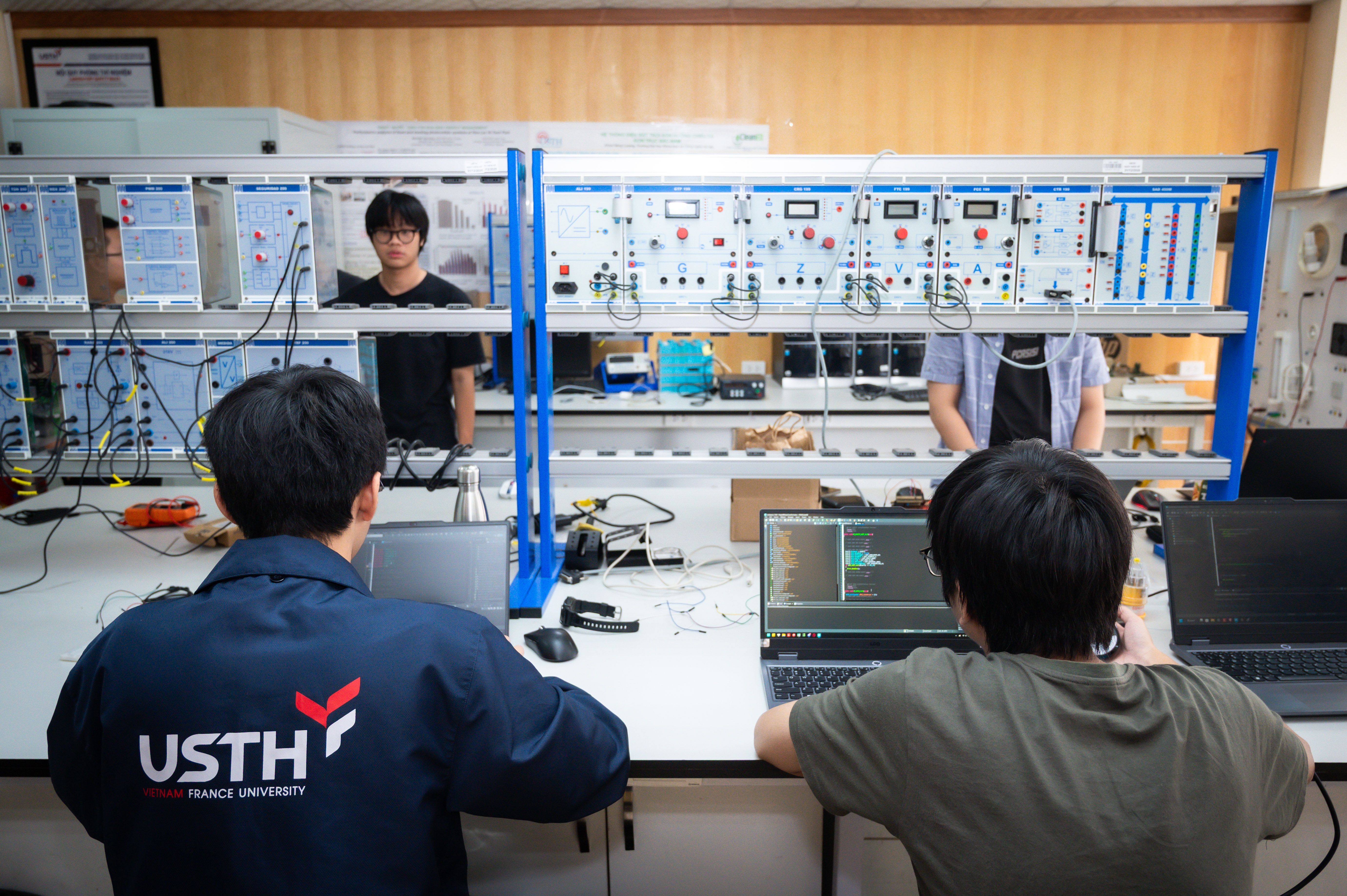 |
Most programs at USTH are three-year courses, with practical training accounting for up to 40% of the curriculum. According to Mr. Dang, USTH has a significant advantage due to the investment and collaboration from French experts and partners. This has resulted in a modern and integrated laboratory system. Early access to state-of-the-art machinery, similar to that used in businesses and with high connectivity between processes, helps students quickly grasp new technologies and adapt to the real-world work environment after graduation. |
Source: https://znews.vn/co-gi-trong-he-thong-lab-30-trieu-usd-post1662051.html


![[Photo] "Hanoi Lotus Festival" honors the lotus flower that has been associated with Vietnam for thousands of years.](https://vphoto.vietnam.vn/thumb/1200x675/vietnam/resource/IMAGE/2026/06/27/1782516943048_sen-ha-noi-2026-minh-duy-1-jpg.webp)




















































![[Infographic] 16 fireworks display locations to celebrate the 50th anniversary of Ho Chi Minh City being honored with the name of President Ho Chi Minh](https://vphoto.vietnam.vn/thumb/402x226/vietnam/resource/IMAGE/2026/06/27/1782539591308_man-ban-phao-hoa-ruc-ro-dem-khai-mac-638jpg-17242995540161175940469.jpeg)