

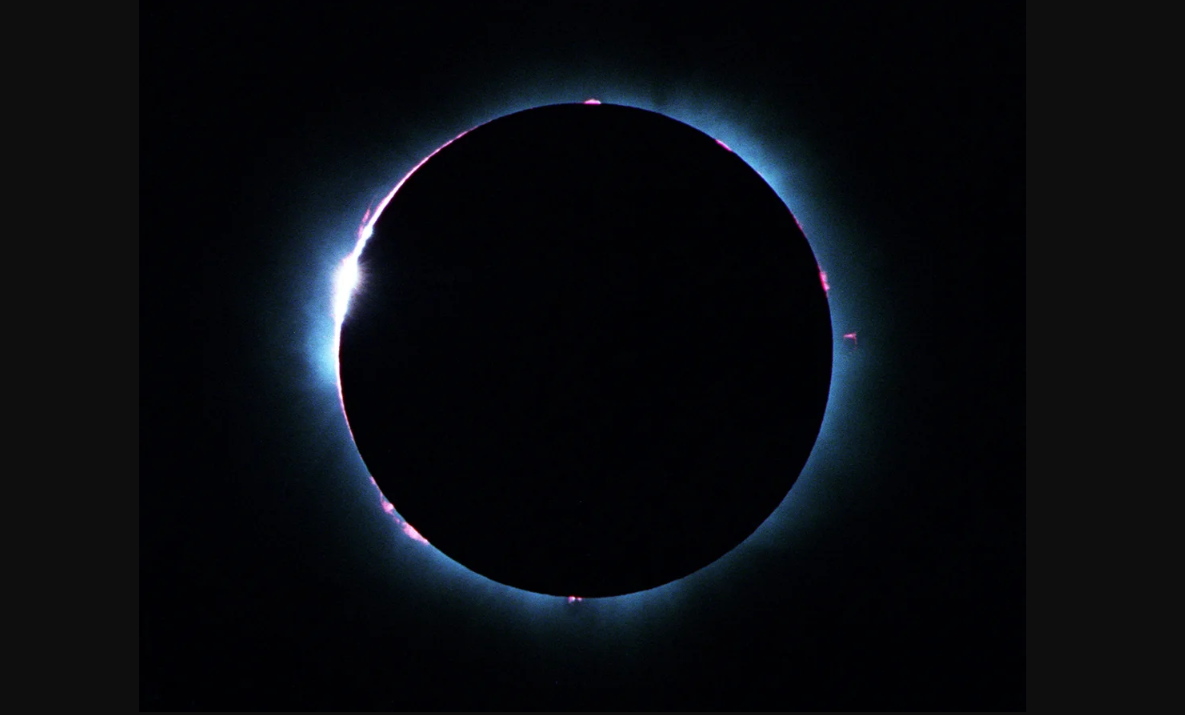
A total solar eclipse in 1999.
Over the past decades, the sun has provided many scientific clues. However, a total solar eclipse, when the moon obscures the sun, is considered one of the most opportune times to study our central star.
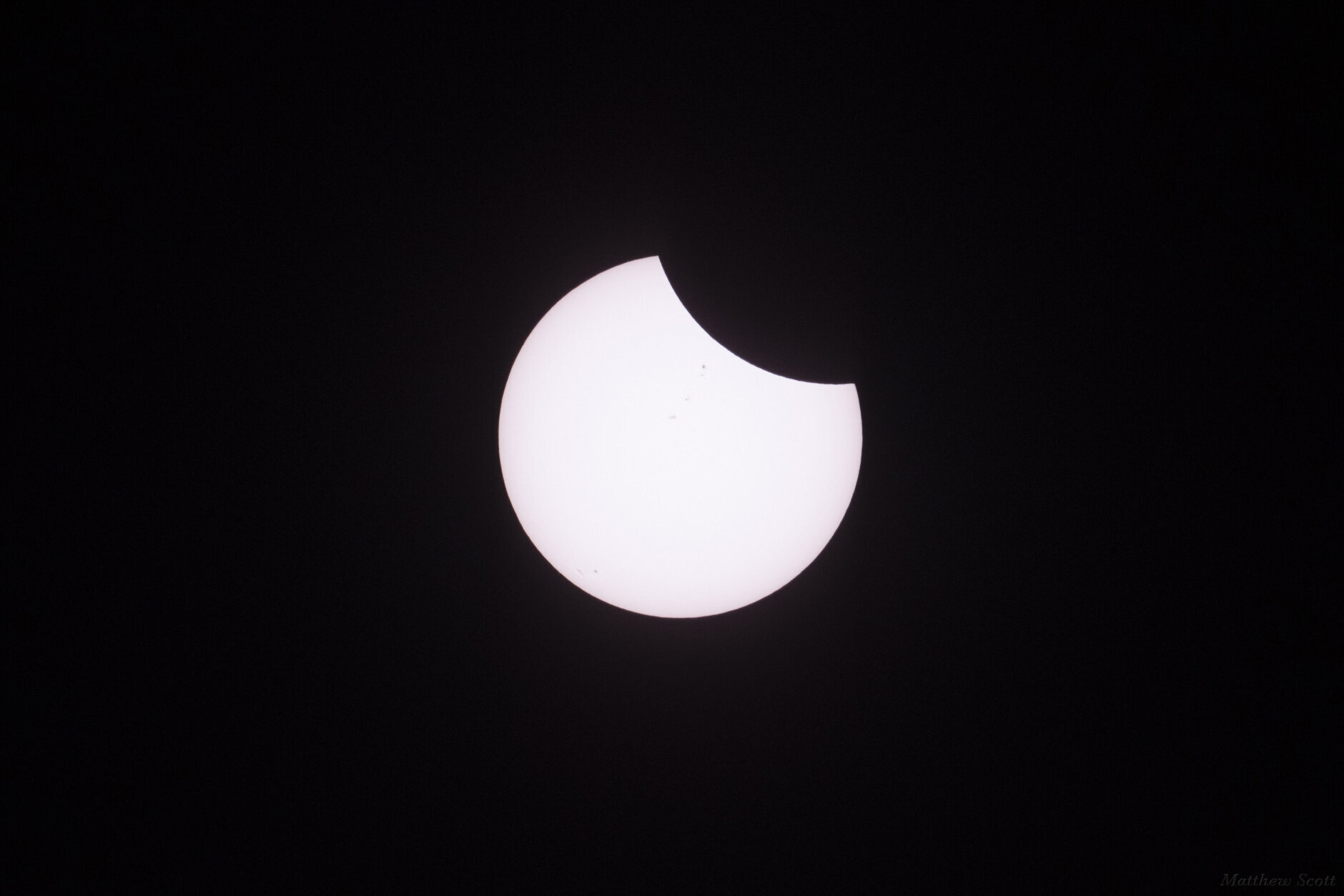
This total solar eclipse started in Mexico and ended in Canada.
CARNEGGIE INSTITUTE OF SCIENCE
Some of the most famous scientific discoveries in human history have been made during total solar eclipses, and astronomers expect the April 8th phenomenon in North America to offer a similar opportunity.
A total solar eclipse is considered the ideal time to study the sun's surface, according to the Northwest Arkansas Democrat Gazette on April 8, citing scientists from the US National Aeronautics and Space Administration (NASA).
For example, the total solar eclipse of 1919 helped the physics genius Albert Einstein prove his theory of general relativity.

A total solar eclipse presents a rare opportunity for scientific research.
CARNEGGIE INSTITUTE OF SCIENCE
According to NASA scientists, this phenomenon also offers an opportunity to study the sun's corona, the sun itself, and the space between Earth and the sun in more detail.
On December 22, 968, the Byzantine historian Leo Diaconus was the first to observe the solar corona in Constantinople.
In 1868, when a solar eclipse occurred in India, scientists at the time had nearly seven minutes to study it and discovered a crucial component of the sun: helium.
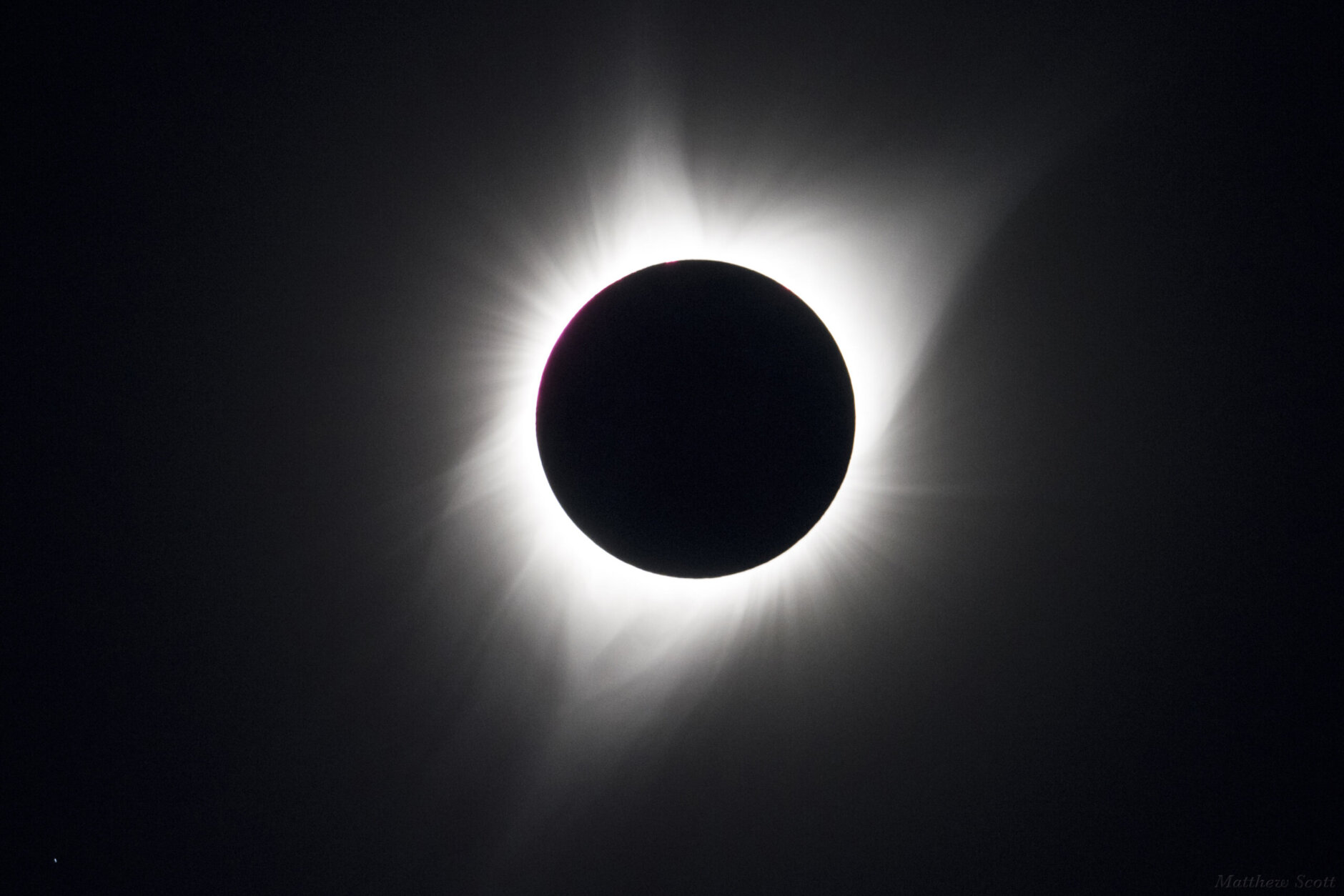
The moment the moon completely obscures the sun.
CARNEGGIE INSTITUTE OF SCIENCE
This year, scientists worldwide have only about four minutes to study the solar corona. Even so, they hope that, with the support of advanced equipment and a global network of experts, humanity will be able to uncover new secrets about the sun.
The solar eclipse will first appear in the South Pacific sky and begin its journey across North America. Mexico's Pacific coast will be the starting point, expected at 1:07 AM on April 9th (Vietnam time), before ending on Newfoundland's Atlantic coast (Canada) at 2:46 AM on April 9th.
Source link
![[Photo] National Assembly Chairman Tran Thanh Man working with the Standing Committee of the Law and Justice Committee](https://vphoto.vietnam.vn/thumb/1200x675/vietnam/resource/IMAGE/2026/05/21/1779378929214_ndo_br_1-4610-jpg.webp)



![[Photo] General Secretary and President To Lam presides over a working session with the Central Policy and Strategy Committee on the development of the materials industry.](https://vphoto.vietnam.vn/thumb/1200x675/vietnam/resource/IMAGE/2026/05/21/1779359935432_a3-bnd-3129-1412-jpg.webp)


















































































Comment (0)