

In Vietnam, the running movement has boomed in recent years, with dozens of marathons organized annually. The question is whether this marathon craze can become a driving force for the sports economy , or will it remain merely a trend driven by events?
The multi-billion dollar machine of major economies
In fact, many prestigious marathons around the world have become significant sources of revenue for their host cities. A prime example is the New York City Marathon (USA), considered the world's most economically impactful race today. According to a 2025 report, this event is expected to generate approximately $934 million for New York City's economy. Of that, over $425 million comes from tourist spending on hotels, dining, and shopping.
The London Marathon (UK) stands out for its brand value and social contribution. In 2025, the race is expected to generate approximately £250 million (over $320 million) for the London economy. It is also the world's largest single-day charity fundraising event, with a record-breaking £87.3 million raised. Thanks to its immense appeal, the London Marathon has become one of the strongest marathon brands globally, attracting numerous international sponsors.
In Asia, the Tokyo Marathon (Japan) is considered a prime example of combining sports with consumer spending. By 2025, the race is expected to generate approximately 78.7 billion yen (equivalent to over $510 million USD) in economic impact nationwide. Studies show that during the race, sales of many retail stores around the finish line increase significantly, particularly in sectors such as cosmetics, household goods, and food services. Notably, a large portion of this revenue comes from spending by Japanese citizens in the capital city.
In Europe, the Berlin Marathon (Germany) also brings significant economic value, contributing approximately 469.4 million euros to the city of Berlin in 2024. Beyond generating revenue, the race also contributes to building the city's image, with 89% of Berlin residents recognizing the event's importance to the city's identity.
Meanwhile, the 2024 Boston Marathon (USA) generated approximately $509 million for the state of Massachusetts. A notable point is the high spending by the athletes, with each athlete and accompanying family member spending an average of around $500 per day during the event.
These figures show that marathons have transcended the boundaries of a mere sporting competition to become part of the global sporting events industry.
Potential domestic tournaments
In Vietnam, the running movement has grown strongly in recent years, fostering the emergence of many large-scale marathon events. As early as the beginning of 2026, the 13th Ho Chi Minh City Marathon, held in January, attracted nearly 11,000 athletes, of whom approximately 26% were international runners from 75 countries and territories. The participation of a large number of foreign runners not only elevated the event but also created a positive economic effect through spending on accommodation, food, and tourism.
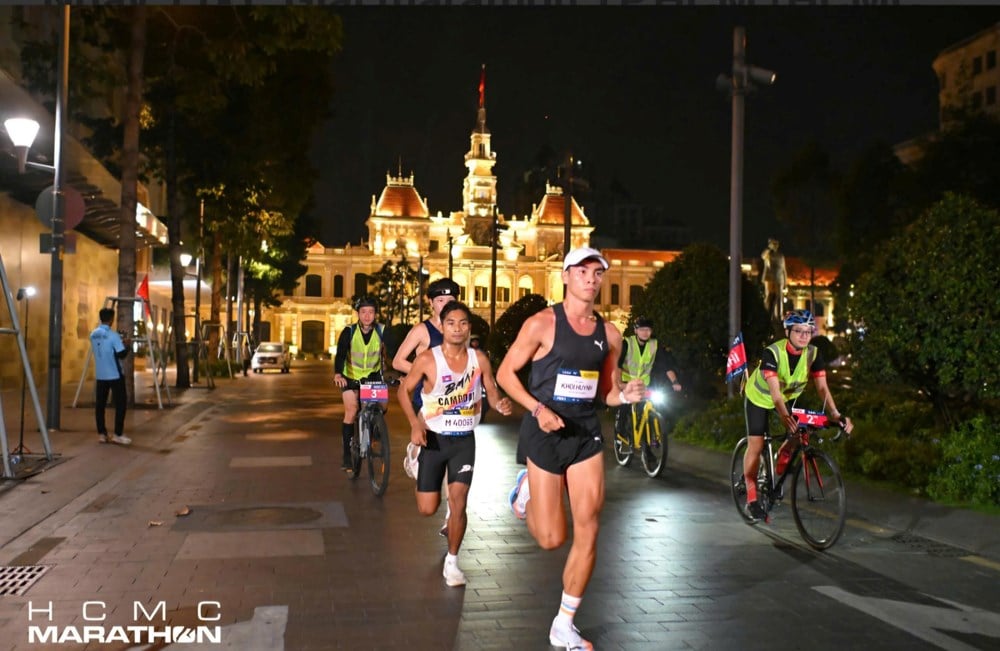
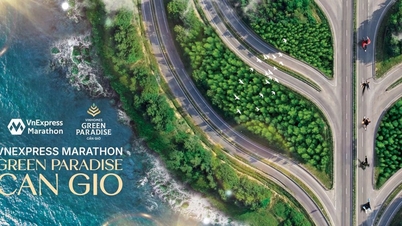
Another event attracting attention is the VnExpress Marathon Ho Chi Minh City Midnight 2026, scheduled for March 22nd with approximately 13,000 participants. The race route passes through many iconic landmarks of the city such as the Independence Palace, Notre Dame Cathedral, and Bach Dang Wharf, offering a unique experience for runners and contributing to promoting the image of a dynamic Ho Chi Minh City.
Meanwhile, this year's Tien Phong Marathon (the oldest running event in Vietnamese sports) also recorded a large number of registrations, with approximately 12,000 athletes participating in Nha Trang (Khanh Hoa). According to the organizers, Nha Trang was chosen not only for its unique coastal and island scenery but also for its developed tourism infrastructure and beautiful coastal roads.
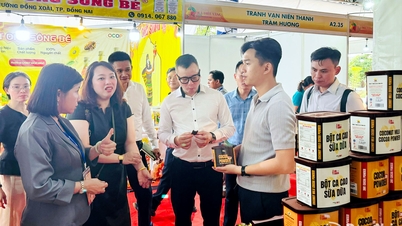
Besides the competition, the locality also organizes many side activities such as tourism promotion programs, local product exhibitions, and cultural and artistic events to enhance the experience for athletes and tourists. The tournament is scheduled to take place on March 28th and is expected to contribute to boosting tourism and the service economy of the coastal city.
Marathons in Vietnam are gradually moving beyond being just a recreational sport. Some studies show that the Ho Chi Minh City International Marathon generated approximately $4.3 million in revenue in just a few days. Along with the races, many related sectors are also thriving, such as the running shoe market, sports equipment, nutritional supplements, and tourism services.
However, the rapid growth of running events also presents challenges. Without proper coordination, organizing too many races simultaneously can lead to saturation, inconsistent organizational quality, and even negatively impact traffic and people's lives.
The boom in marathon running is opening up great opportunities for the development of the sports economy in Vietnam. However, to effectively utilize this potential, localities need a well-structured strategy in planning and organizing events.
Standardizing organizational processes, strengthening coordination among sectors, and closely linking sports with tourism and trade will be crucial factors. Only when viewed as a sporting event industry can marathons transcend the realm of mere participation to become a sustainable sector, making a positive contribution to the economy and promoting the national image.
In fact, with the sports economy becoming a rapidly developing sector worldwide, large-scale sporting events like marathons can act as a "boost" for many service industries. Not only do they generate direct revenue from tourism and accommodation, but marathons also stimulate the market for sports equipment, sports technology, and destination promotion activities. If properly planned and organized, marathons could absolutely become a distinctive sports-related economic product for many localities in Vietnam.
Source: https://baovanhoa.vn/the-thao/con-sot-marathon-and-bai-toan-phat-trien-kinh-te-the-thao-210968.html


![[Photo] General Secretary and President To Lam and the President of the Philippines hold talks.](https://vphoto.vietnam.vn/thumb/1200x675/vietnam/resource/IMAGE/2026/06/01/1780286997787_anh-man-hinh-2026-06-01-luc-11-09-43.png)
































































Comment (0)