

 |
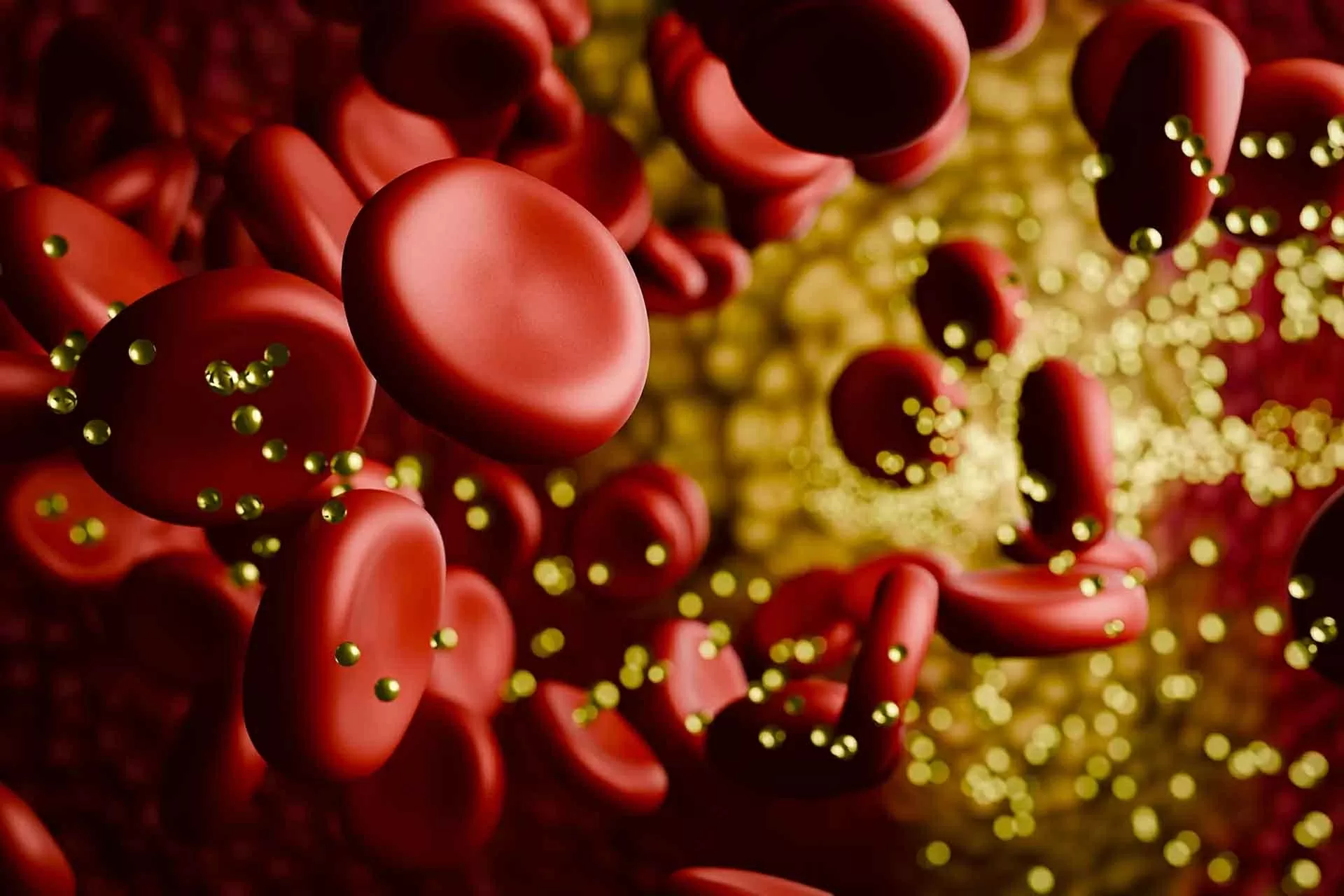
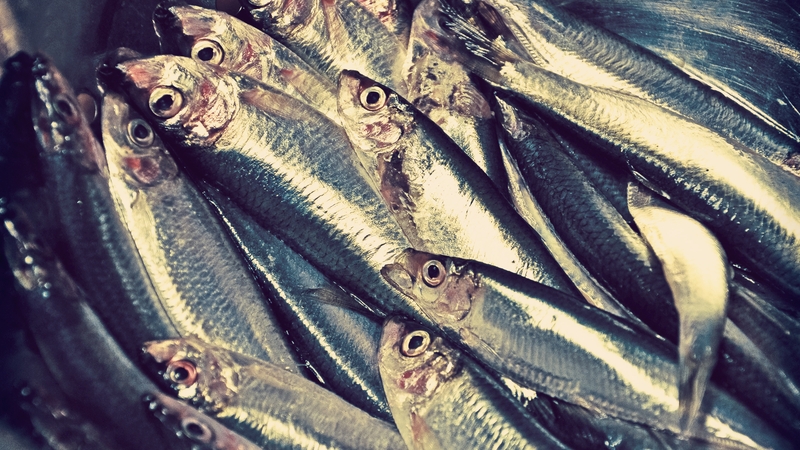
| Scientists at the University of Texas have discovered that the enzyme IDO1 plays a role in disrupting the body's cholesterol processing mechanism under inflammatory conditions. (Source: Shutterstock) |
Speaking about the research, Professor of Chemistry Subhrangsu S. Mandal, the lead author of the recently peer-reviewed scientific paper, said: “We found that inhibiting the enzyme IDO1 helps control the inflammatory response in immune cells called macrophages. Chronic inflammation is linked to many diseases, from cardiovascular disease to cancer, from diabetes to dementia. By better understanding IDO1 and how to inactivate it, we can control inflammation and restore cholesterol-processing function, thereby preventing disease at its root.”
Under normal conditions, inflammation is a necessary response for the body to fight infection and recover from injury. However, when inflammation is prolonged due to stress, injury, or infection, macrophages lose their ability to absorb cholesterol—this contributes to an increased risk of fat accumulation and damage to blood vessel walls.
Research shows that IDO1 "turns on" during inflammation and produces the molecule kynurenine – a substance that disrupts the process of cholesterol processing in macrophages. When scientists inhibited the activity of IDO1, these immune cells immediately regained their ability to remove cholesterol, opening up a new avenue for preventing atherosclerosis and other dangerous complications.
The research team also identified a "culprit" of IDO1, the enzyme nitric oxide synthase (NOS). This enzyme is believed to exacerbate the negative effects of IDO1 on cholesterol regulation. Therefore, combining two treatment approaches targeting both IDO1 and NOS could create a powerful dual therapy, particularly useful in treating diseases caused by chronic inflammation.
"The accumulation of cholesterol in macrophages is one of the main causes of atherosclerosis, leading to heart disease and many other serious health problems," Professor Mandal emphasized.
The research team is currently expanding its analysis to precisely identify the mechanisms of interaction between IDO1 and cholesterol metabolism, while also evaluating the role of other potentially involved enzymes. If they find a safe way to inhibit IDO1, they believe it could open the door to a new generation of drugs for the prevention and treatment of chronic inflammatory diseases.
Source: https://baoquocte.vn/cong-tac-tat-cholesterol-319781.html
![[Photo] Tran Cam Tu, Standing Member of the Secretariat of the Central Committee, presides over the first meeting of the Central Steering Committee on the Development of Vietnamese Culture.](https://vphoto.vietnam.vn/thumb/1200x675/vietnam/resource/IMAGE/2026/03/19/1773895004549_ndo-br-bnd-1195-2-jpg.webp)
![[Photo] The General Secretary and the Prime Minister attend the groundbreaking ceremony for multiple-level boarding schools in border areas.](https://vphoto.vietnam.vn/thumb/1200x675/vietnam/resource/IMAGE/2026/03/19/1773888999705_vna-potal-tong-bi-thu-va-thu-tuong-du-le-khoi-cong-dong-tho-dong-loat-cac-truong-noi-tru-lien-cap-bien-gioi-8649904-3885-jpg.webp)






































































































Comment (0)