

Wisdom tooth extraction is a fairly common dental procedure. In many cases, impacted, misaligned, or infected wisdom teeth must be removed to prevent damage to surrounding teeth and gums.
- 1. What should I eat after having my wisdom teeth extracted?
- 1.1 Yogurt helps soothe gums after wisdom tooth extraction.
- 1.2 Cold cream can help reduce swelling.
- 1.3 Vegetable soup provides vitamins and minerals
- 1.4 Lentil soup provides protein to the body.
- 1.5 Fruit smoothies help replenish energy.
- 2. Foods to avoid after wisdom tooth extraction
- 3. Some tips to help the wound heal quickly after tooth extraction.
After a tooth extraction, an open wound forms in the gum at the extraction site. The body will create a blood clot to protect the injured area and begin the healing process. If this blood clot dislodges prematurely, the patient may experience significant pain, prolonged bleeding, or dry socket – a fairly common complication after tooth extraction.
Therefore, in the first few days after the procedure, the diet needs to be adjusted accordingly. Soft, cool, and easy-to-swallow foods help minimize impact on the gums while providing the necessary nutrients for recovery.
1. What should I eat after having my wisdom teeth extracted?
Here are some foods that are recommended to eat after wisdom tooth extraction:
1.1 Yogurt helps soothe gums after wisdom tooth extraction.
Yogurt is a soft, cool, and easy-to-swallow food, so it's often recommended in the first few days after wisdom tooth extraction. It contains many beneficial probiotics that support the digestive system and can help balance the oral microbiome. Additionally, the soft texture of yogurt makes it easier for patients to eat without having to chew vigorously.
Another benefit is that yogurt has a cool temperature, which helps soothe irritated gums after surgery. Patients should choose plain, low-sugar yogurt to minimize the risk of wound irritation.
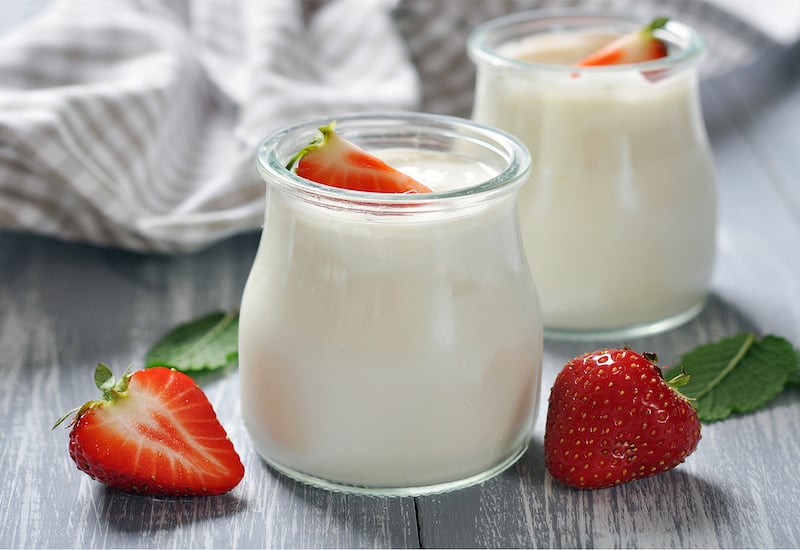
Yogurt is recommended for consumption in the first few days after wisdom tooth extraction.
1.2 Cold cream can help reduce swelling.
Ice cream is also a common food that many dentists allow after wisdom tooth extraction, especially in the first 24 hours. The cold temperature helps to temporarily constrict blood vessels, thereby helping to reduce bleeding and swelling in the gums. However, patients should choose a soft ice cream that does not contain nuts, crumbs, or hard toppings, as these small pieces can get stuck in the extraction site.
Additionally, ice cream should be consumed in moderation, and prolonged consumption of very cold ice cream should be avoided to prevent tooth sensitivity.
1.3 Vegetable soup provides vitamins and minerals
In the first 24 hours after wisdom tooth extraction, many doctors recommend that patients prioritize a liquid or semi-liquid diet to avoid putting strain on the wound. Vegetable soup is a suitable choice as it is both easy to eat and rich in nutrients.
Some soft vegetables commonly used in soups include: carrots, pumpkin, zucchini, potatoes... These vegetables provide vitamin A, vitamin C, and essential minerals that help the body repair damaged tissue. When preparing them, they should be pureed or cooked until soft to make them easier to swallow.
Note that soup should be served warm or cool, not hot, as high temperatures can dissolve blood clots in the tooth socket.
1.4 Lentil soup provides protein to the body.
Lentils are a good source of plant-based protein, vitamins, and minerals. Protein plays a crucial role in tissue regeneration and new cell formation, helping wounds heal faster.
Additionally, lentils contain: Vitamin A, Vitamin C, antioxidants... These nutrients can help reduce inflammation and promote gum healing.
When consuming lentils, patients should cook them into a thin soup or soft porridge to make them easier to eat and avoid excessive chewing.
1.5 Fruit smoothies help replenish energy.
Smoothies are a convenient option for those who have just had their wisdom teeth extracted because they can provide plenty of vitamins and energy while still being easy to drink. Some suitable fruits for smoothies include: bananas, mangoes, papayas, avocados... These fruits are soft, low in acid, and rich in vitamins, especially vitamin C – an important nutrient in the wound healing process.
However, dental experts advise against drinking smoothies through a straw. When sucking, the vacuum pressure in the mouth can dislodge blood clots in the tooth socket, delaying healing and increasing the risk of wisdom tooth socket inflammation.

Fruit smoothies help replenish energy for people who have just had their wisdom teeth extracted.
2. Foods to avoid after wisdom tooth extraction
Besides choosing appropriate foods, patients also need to avoid certain foods that can affect the recovery process. Foods to limit include:
Hard and crunchy foods: Hard cakes, chips, nuts, or foods that require a lot of chewing can put pressure on the area where the tooth was extracted, causing pain and bleeding.
Spicy and hot foods: Foods that are too hot or heavily spiced can irritate the gums and increase pain.
Seeds and small food particles: Seeds, sesame seeds, and bread crumbs can get stuck in tooth sockets, making cleaning difficult and increasing the risk of infection.
Alcohol and tobacco: These substances can slow down the wound healing process, increase the risk of infection, and affect the blood clot that protects the tooth socket.
3. Some tips to help the wound heal quickly after tooth extraction.
In addition to diet, patients also need to follow certain post-extraction care guidelines to minimize complications.
- Avoid rinsing your mouth vigorously or spitting during the first 24 hours.
- Avoid using straws when drinking water.
- Get plenty of rest and avoid strenuous activity on the first day.
- Maintain gentle oral hygiene as directed by your dentist.
- Seek medical attention if you experience increased pain, prolonged bleeding, or significant swelling.
Typically, the gum area after wisdom tooth extraction will begin to improve after a few days and gradually recover over about 1–2 weeks, depending on the individual case.
A proper diet combined with good oral hygiene will help the wound after wisdom tooth extraction heal quickly and reduce the risk of infection. If any unusual symptoms appear, patients should contact their dentist for examination and timely treatment.
Please note that the information in this article is for reference only and does not replace medical advice for specific cases.
Please watch the video for more information:
Source: https://suckhoedoisong.vn/sau-nho-rang-khon-nen-an-gi-de-vet-thuong-mau-lanh-169260315201347213.htm
![[Photo] First session of the 14th Congress of the Vietnam Trade Union](https://vphoto.vietnam.vn/thumb/1200x675/vietnam/resource/IMAGE/2026/06/03/1780465947883_ndo_br_img-3852-jpg.webp)
![[Photo] Secretary of the National Assembly Party Committee, Chairman of the National Assembly presides over the meeting of the Standing Committee and Executive Committee of the National Assembly Party Committee.](https://vphoto.vietnam.vn/thumb/1200x675/vietnam/resource/IMAGE/2026/06/03/1780480353201_ndo_br_bnd-2585-jpg.webp)
![[Photo] General Secretary and President To Lam presides over a meeting with the Central Organizing Committee.](https://vphoto.vietnam.vn/thumb/1200x675/vietnam/resource/IMAGE/2026/06/03/1780482764658_a1-bnd-4741-3342-jpg.webp)
















































![[Video] Sunset at Lap An Lagoon – Where the sun sets over the fishing nets](https://vphoto.vietnam.vn/thumb/1200x675/vietnam/resource/IMAGE/2026/05/31/1780192137701_beach-landscape-sea-water-nature-grass-745871-pxhere-com.jpeg)


































Comment (0)