

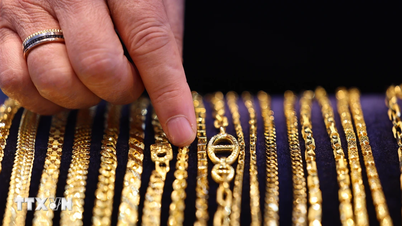
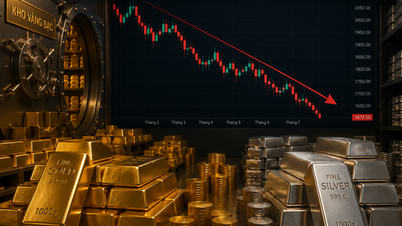
According to a report by Abhishek Gupta, senior economist for India at Bloomberg Economics (BE), the Reserve Bank of India appears to have sold a significant portion of its gold reserves to protect its foreign exchange assets from the spillover effects of the conflict in the Middle East.
Gupta said the decline occurred despite recent increases in import duties on precious metals, which should have boosted the value of the gold and foreign currency held by the RBI. This suggests the RBI may have sold off its gold holdings.
The RBI did not immediately respond to media requests for confirmation.
Some sources indicate that the alleged foreign exchange sales reflect policymakers' concerns about the pressure India is facing from continued capital outflows and rising oil prices, amid the conflict with Iran and the prolonged closure of the Strait of Hormuz. This also suggests the RBI is prioritizing maintaining liquid foreign exchange reserves as the growing current account deficit puts pressure on the rupee.
RBI Governor Sanjay Malhotra is considering all possible options to stabilize the rupee, including raising interest rates and mobilizing US dollars from foreign investors.
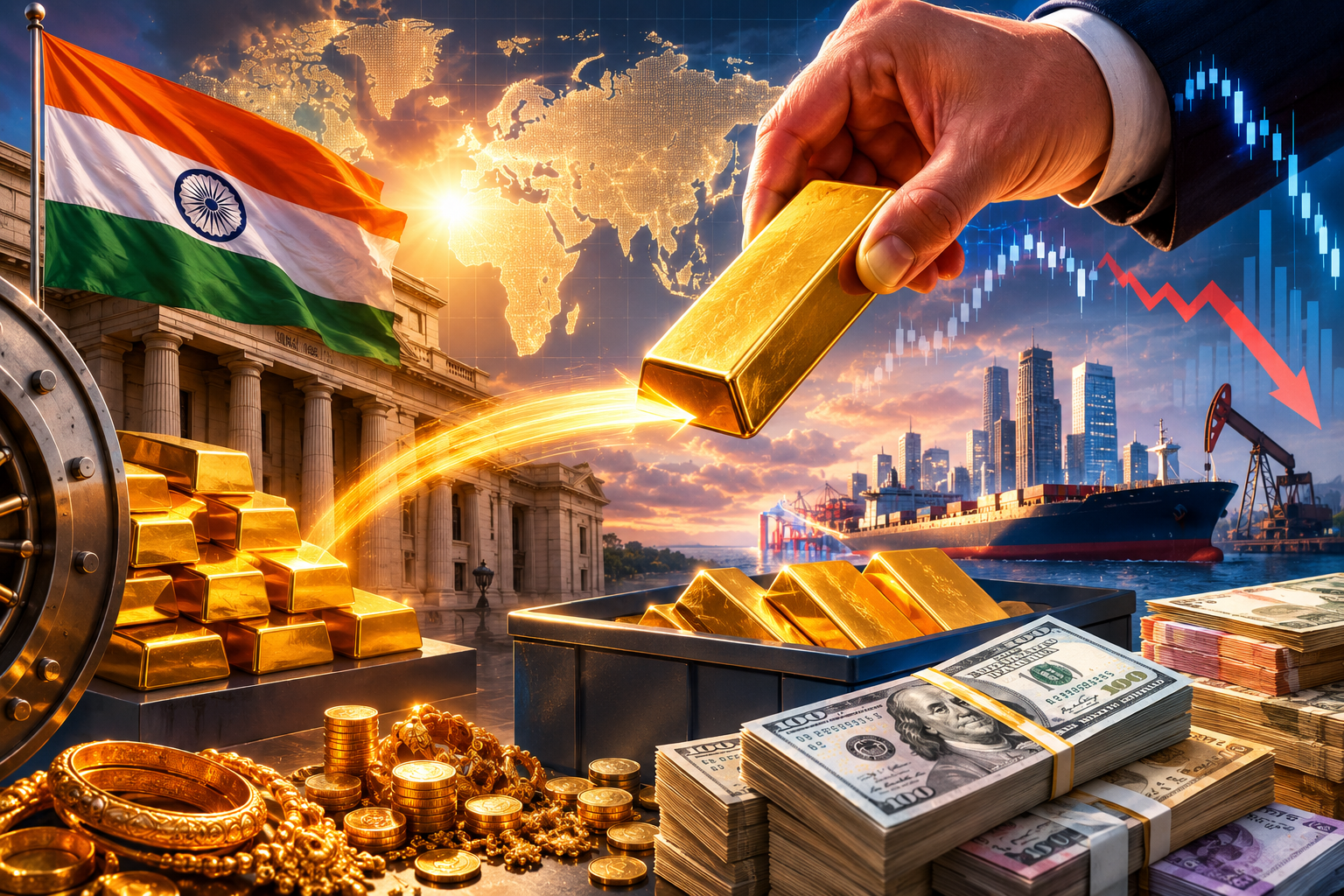
India may have sold $12 billion worth of gold reserves to support the rupee.
The RBI's intervention in the foreign exchange market has had some effect, helping the rupee outperform most other Asian currencies since May 20th, when it fell to a record low. Specifically, the rupee fell 0.2%, to 95.17 rupees/USD in trading on June 2nd.
India is the world's third-largest oil importer. The conflict with Iran and the closure of the Strait of Hormuz have significantly increased energy costs, forcing the country to spend more foreign currency and putting pressure on its domestic currency.
Mr. Gupta suggested that the RBI would likely continue to increase its foreign exchange reserves to the maximum extent possible. Periods of a weakening US dollar, a return of foreign capital, or falling oil prices would create opportunities to further increase foreign currency assets.
As of the end of March, the RBI held 880.52 tonnes of gold, of which approximately 77% was stored domestically. The majority of its overseas gold reserves are held at the Bank of England and the Bank for International Settlements (BIS), according to the RBI's latest foreign exchange report published in April.
Authorities are expected to announce further measures to support the rupee as early as this week.
Sudden changes in import policies in the world's second-largest gold and silver market have created a series of ripple effects on India's precious metals and currency markets.
Mariya Paliwala, Senior Editor at Juris Hour, said: “Recent domestic policy measures aimed at protecting national reserves and regulating precious metal capital flows have sparked discussions among investors and market participants about the potential impact on domestic supply, price transmission mechanisms, and ETF valuations.”
According to Ms. Paliwala, the most immediate impact of the policy was evident in the price market.
Despite the increase in import tariffs, market prices did not react proportionally in the initial period. Even with a net 9% increase in import tariffs, the prices of gold and silver only rose by 5% to 6% immediately after the policy was announced.
This source suggests that the reason is that existing inventory was purchased at old prices with relatively high profit margins, and consumers are unwilling to accept a sudden and sharp price increase.
However, as the supply of low-priced gold and silver dries up, domestic prices are expected to fully reflect the impact of higher import tariffs.
Other analysts suggest that changes in the global macroeconomic landscape, including the potential resolution of the Iran conflict, will be a driving factor for a sharp increase in precious metal prices in the medium term.
Besides price volatility, market experts are paying particular attention to another risk area: ETF premiums.
Accordingly, this fee reflects the amount that investors pay in excess of the net asset value (NAV) of the underlying portfolio. Restrictions on silver imports are raising concerns that supply could tighten if demand surges.
Such situations can create a discrepancy between the supply of physical silver and the price of ETFs.
The Indian Jewellery Association (IBJA) has proposed commercializing nearly 1,000 tonnes of "temple gold" that is currently not being effectively mined. According to the association, this measure could reduce import pressure while protecting jobs in the jewelry industry. Gold is the second-largest source of foreign exchange inflows in the economy.
According to experts, India imports approximately 800 tons of gold annually, and a portion of this demand can be fully met by domestic gold reserves held by gold trusts.
Many trusts currently hold large amounts of idle gold, totaling nearly 1,000 tons. Even a small fraction of that being put into circulation would yield significant benefits.
IBJA emphasized that the association does not propose a permanent transfer of gold ownership to the government , but rather aims for a structured monetization mechanism to bring this precious metal into the formal economy.
Indian economists have also urged domestic jewelers to limit their gold bullion trading activities. The call comes after import duties were raised to support the government's goal of curbing speculative demand.
Analysts in India have also highlighted the risk to jobs in the jewelry industry. If the plan to monetize "temple gold" and other support measures are implemented, job opportunities in the industry will be better protected.
Meanwhile, the rupee continued to weaken and hit a new record low last week, causing domestic gold and silver prices to surge.
On May 20th, the rupee fell to an all-time low of 96.923 rupees/USD and fluctuated around 97 rupees/USD for several hours before partially recovering in subsequent trading sessions.
Source: https://suckhoedoisong.vn/an-do-co-the-da-ban-12-ty-usd-vang-de-ho-tro-dong-rupee-169260603202251451.htm

















































![[Video] Sunset at Lap An Lagoon – Where the sun sets over the fishing nets](https://vphoto.vietnam.vn/thumb/1200x675/vietnam/resource/IMAGE/2026/05/31/1780192137701_beach-landscape-sea-water-nature-grass-745871-pxhere-com.jpeg)


































Comment (0)