

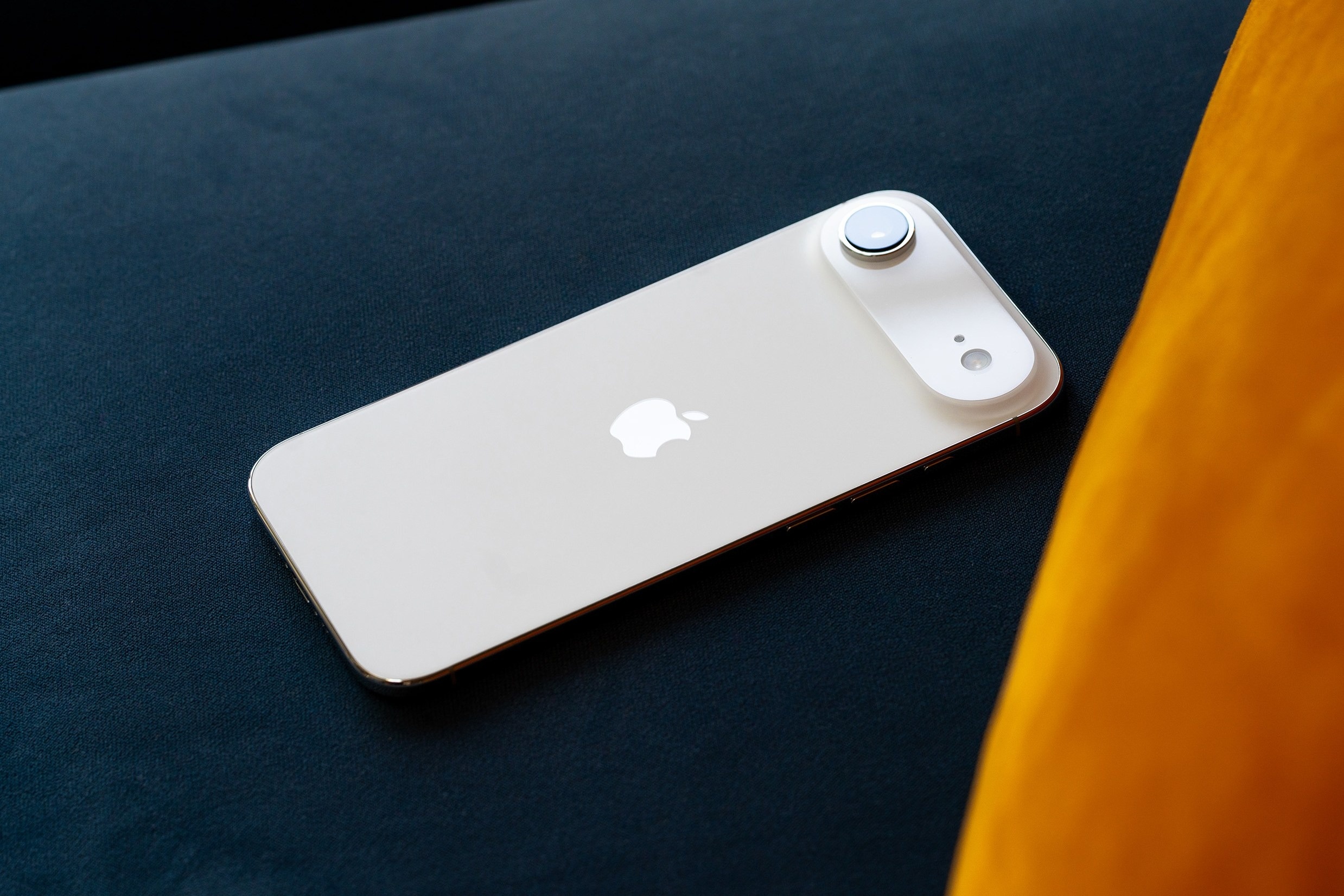
Prior to its release on September 19th, international news sites shared reviews of the iPhone Air. This is Apple's thinnest smartphone, belonging to a more specialized segment compared to the iPhone 17 and iPhone 17 Pro.
Initial impressions of the iPhone Air include its slimness and striking design compared to other models. However, there are still some trade-offs to consider regarding the camera and battery life.
Currently, users can pre-order the iPhone Air on the Apple website for $1,000 for the 256GB version, and up to $1,400 for the 1TB option. Below are some highlights of Apple's most impressive iPhone of the year.
The difference when held in the hand.
"It turns out iPhones can be this thin and light," begins Raymond Wong's review of the iPhone Air from Gizmodo .
Although not the lightest iPhone, the iPhone Air still stands out. Due to the weight being evenly distributed across a slim profile, the device feels smaller than it actually is, despite having a larger screen than the iPhone 17 (6.5 inches compared to 6.3 inches).
"You really have to hold it in your hand to believe that the iPhone Air is a real, fully functional phone, not just a model you see in stores," Wong emphasized.
Sharing the same view, Allison Johnson from The Verge argues that the iPhone Air is for those who don't mind sacrificing a few features for a significantly thinner and lighter phone. At 5.64 mm thick, the iPhone Air makes a big difference when held in the hand, slipped into a pocket, or carried in a bag.
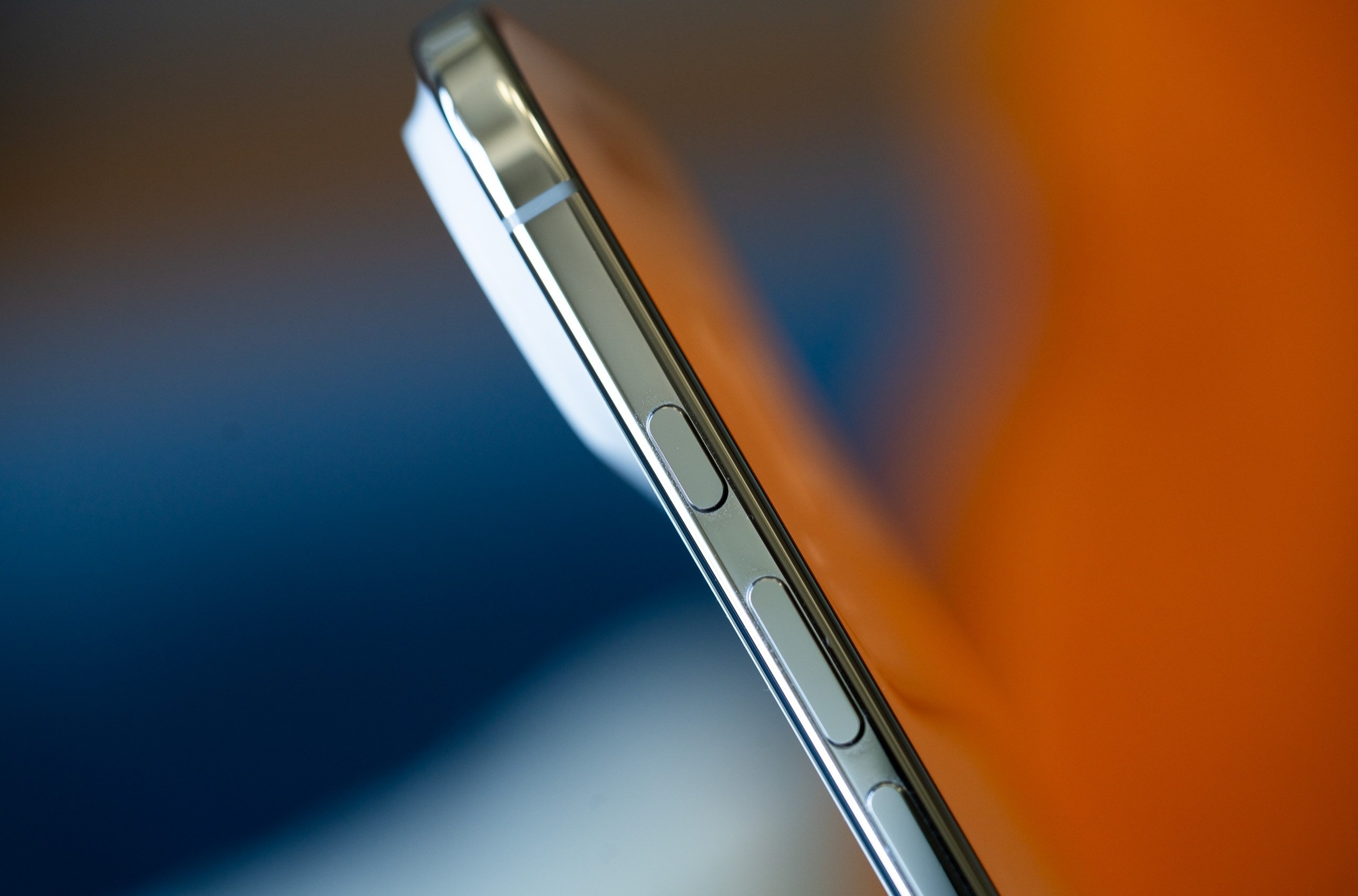 |
The left side of the iPhone Air. Photo: The Verge . |
Overall, Johnson rated the iPhone Air's handling experience as similar to the Galaxy S25 Edge. The slimness might be appealing, but the biggest benefit is its light weight.
"It's great to fit the iPhone Air into the slim compartments of a backpack, and it's also great to hold it while browsing the web without having to adjust the grip."
"If you hold the phone close to your ear to talk, the iPhone Air is slightly more comfortable. Those little things are when I really appreciate the iPhone Air's incredibly light weight," Johnson emphasized.
However, the iPhone Air's 6.5-inch screen size was still a bit too large for Johnson. The curved edges and matte back made it feel slightly less secure in his hand.
Unlike the aluminum frame of the iPhone 17 and 17 Pro, the iPhone Air uses a lightweight and durable titanium frame. Apple also equipped it with a Ceramic Shield 2 coating that is three times more scratch-resistant.
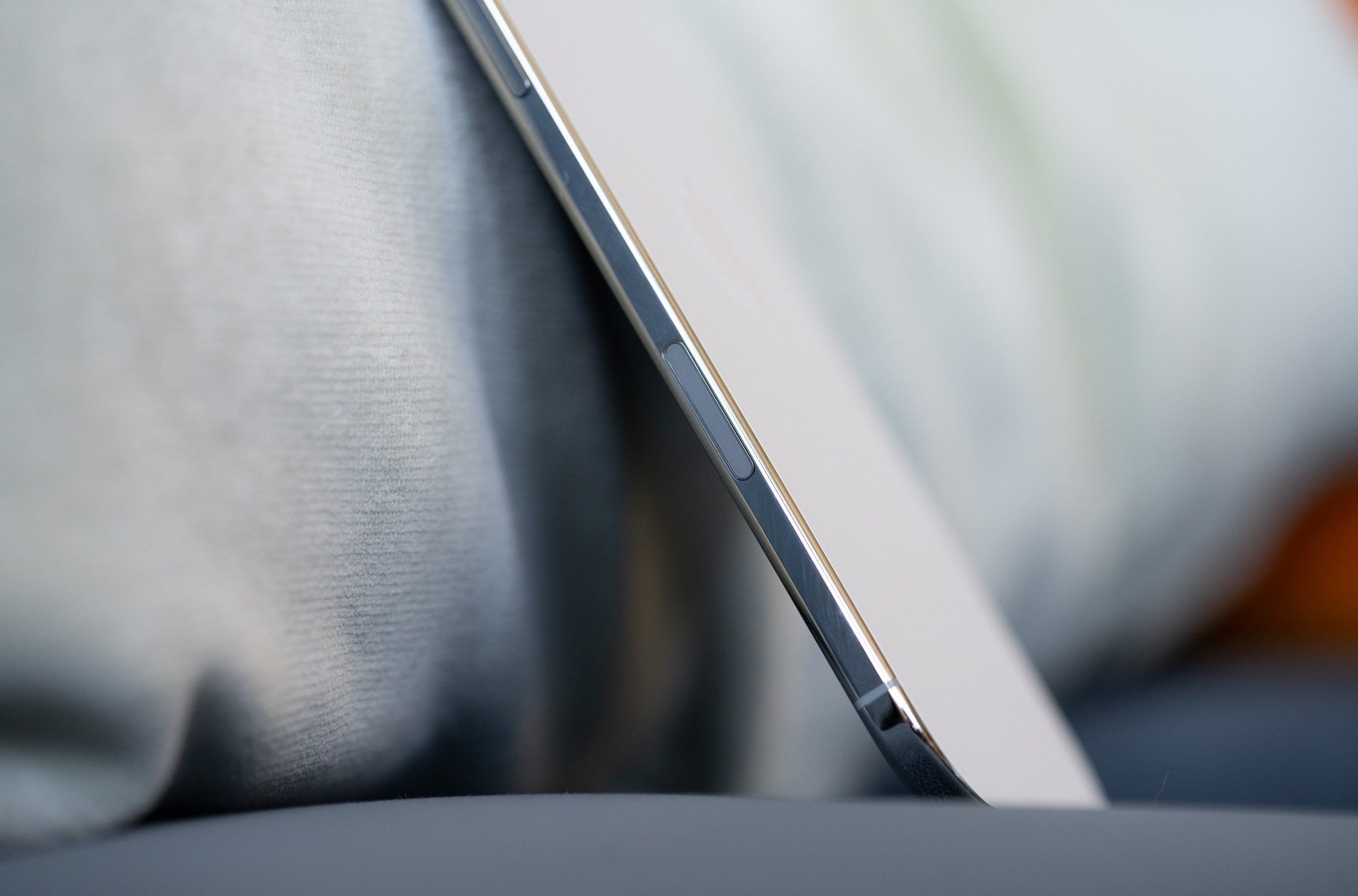 |
The right side of the iPhone Air with Camera Control. Photo: The Verge . |
Upon its release, many expressed concerns that the iPhone Air would repeat the same bending issues as the iPhone 6. However, in a review on Gizmodo , Raymond Wong asserted that users shouldn't worry about this possibility.
“You don’t need to worry about Bendgate 2.0 because the titanium frame is very sturdy. Apple even encouraged me to bend the device with as much force as possible. I saw the iPhone Air bend slightly, but it always returned to its original shape,” Wong emphasized.
Writing on CNET , author Abrar Al-Heeti noted that despite its thin design, the iPhone Air shows no signs of bending when held in the hand or placed in a pocket. The device is IP68 water and dust resistant, and continued to function even after being dropped into a pool, although it suffered minor scratches from contact with a stone surface.
If you're used to using a phone case, Apple offers the MagSafe transparent case, which is less than 1mm thick, essentially not significantly affecting the slimness of the iPhone Air. The accessory also helps to flatten the camera module, preventing shaking when the phone is placed on a table.
The first trade-off
Al-Heeti points out a major shortcoming of the iPhone Air, especially for those who frequently watch movies on their phones. To achieve this thinness, Apple only equipped it with a single external speaker, located in the same position as the earpiece. This significantly reduces the sound quality of the iPhone Air.
"This isn't a huge issue, but with a phone costing nearly $1,000 , I expect more than having to use AirPods Pro 3 or other headphones for better sound quality," Al-Heeti said.
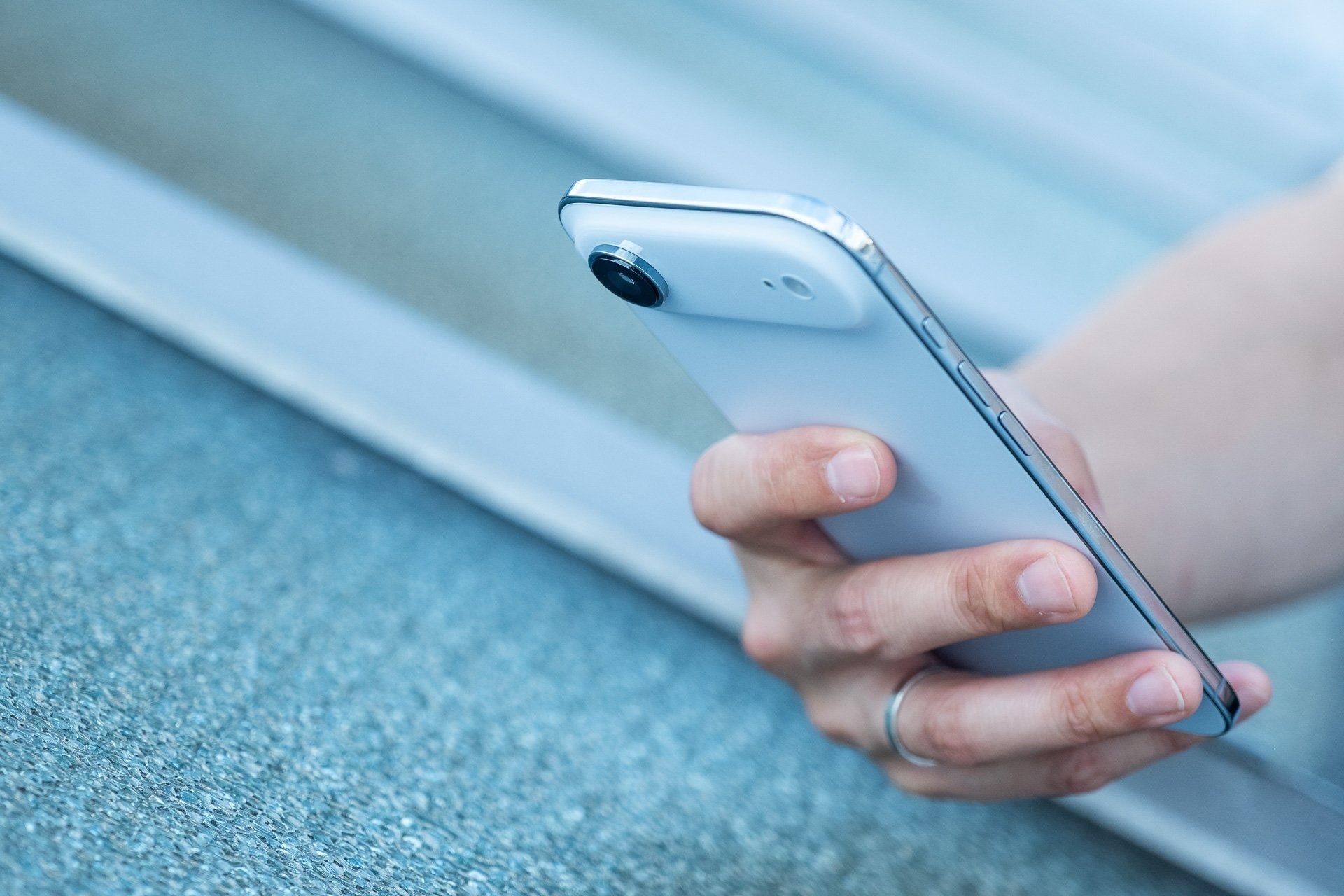 |
iPhone Air in hand. Photo: Gizmodo . |
The highlight of the iPhone Air is its 120Hz display. With ProMotion technology, the device supports an always-on mode, allowing you to view the time and notifications without turning on the screen.
A high refresh rate also contributes to a smoother scrolling and gaming experience. The anti-reflective coating and a maximum brightness of 3,000 nits make the screen easier to see outdoors.
"Similar to the iPhone 17, this screen has a maximum refresh rate of 120 Hz, ProMotion technology, and always-on support."
"The iPhone Air's Dynamic Island is slightly deeper than on other iPhone models. Aside from that, the screen quality is quite good," Raymond Wong wrote.
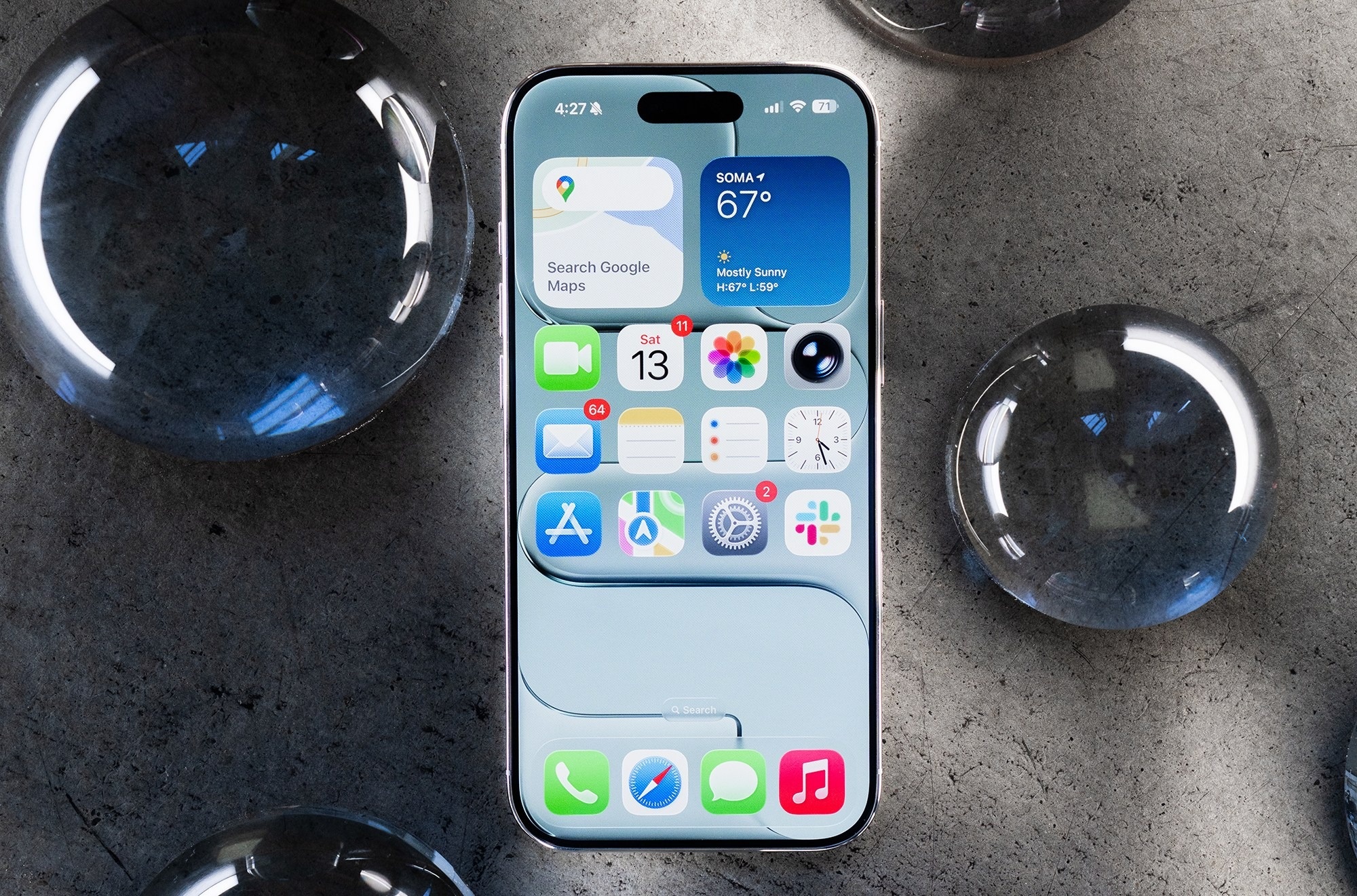 |
The iPhone Air uses a 6.5-inch screen. Photo: The Verge . |
Engadget author Sam Rutherford praised Apple for still optimizing space for the Action button and Camera Control. However, he acknowledged that the biggest design issue was the single external speaker.
"Admittedly, the speakers have a very powerful volume and effect, but after years of stereo being the standard on high-end smartphones, mono sound isn't really ideal," Rutherford added.
He also noted that the USB-C port on the bottom edge of the iPhone Air isn't centered. However, considering Apple's efforts, such as 3D printing the connector, this is acceptable.
Outstanding performance
The iPhone Air is equipped with the A19 Pro processor. Although the name is the same as the chip in the iPhone 17 Pro, this version has been downgraded to 5 GPU cores instead of 6. Even so, reviews show that the iPhone Air's performance is still very good.
According to Gizmodo writer Raymond Wong, the iPhone Air's A19 Pro even surpasses smartphones equipped with Qualcomm's Snapdragon 8 Elite, proving quite powerful for many users' needs.
“Do you need this power for basic tasks like browsing the web, texting, reading emails, watching videos , or taking photos? Absolutely not. However, if you play 3D games or run apps that require neural processing power in the GPU, you will appreciate this chip,” Wong wrote.
Of course, those who demand high performance can opt for the iPhone 17 Pro with its vapor chamber cooling system. With the iPhone Air, not many people have the need to run demanding tasks.
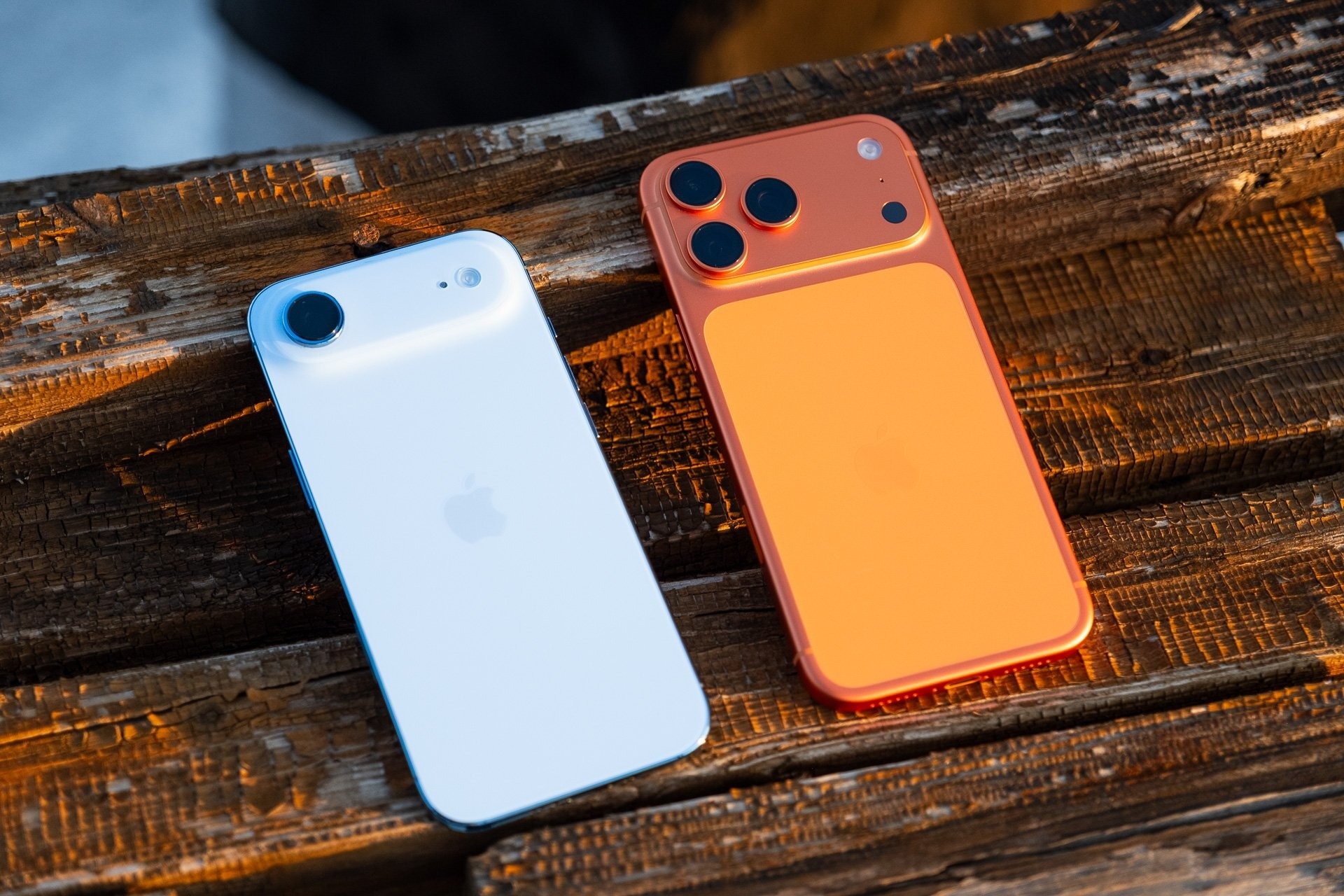 |
iPhone Air (left) and iPhone 17 Pro Max. Photo: Gizmodo . |
According to Rutherford's experience, the iPhone Air's frame rate remains stable when playing high-graphics games like Destiny: Rising , while lighter titles like Sword of Convallaria don't pose any difficulty.
Users should still be mindful when running demanding tasks for extended periods, as the iPhone Air can overheat, especially around the protruding camera module.
Apple's self-developed N1 and C1X chips allow them to confidently claim this is the most energy-efficient iPhone ever. The drawback is that the C1X modem doesn't support mmWave, although this isn't a critical factor.
Similarly, Allison Johnson from The Verge stated that her experience with the C1X modem and N1 chip was completely normal. This is Apple's next step in achieving hardware self-sufficiency, no longer relying on partners like Qualcomm.
Concerns about battery life.
According to Johnson, the camera and battery are the two biggest trade-offs on the iPhone Air. She acknowledges that the device's battery life is only mediocre, but better than expected. Unless you have high demands and mostly use Wi-Fi, users won't have a major problem.
"Personally, I was a little worried when the battery dropped to 20% before dinner, although to be honest, I used the phone quite a lot beforehand with 5 hours of screen time."
On a more relaxed day with Wi-Fi at home, three hours of screen time drained the battery to around 40% before bedtime. I consider this acceptable, though slightly lower than what you'd expect from a $1,000 phone,” commented the writer from The Verge .
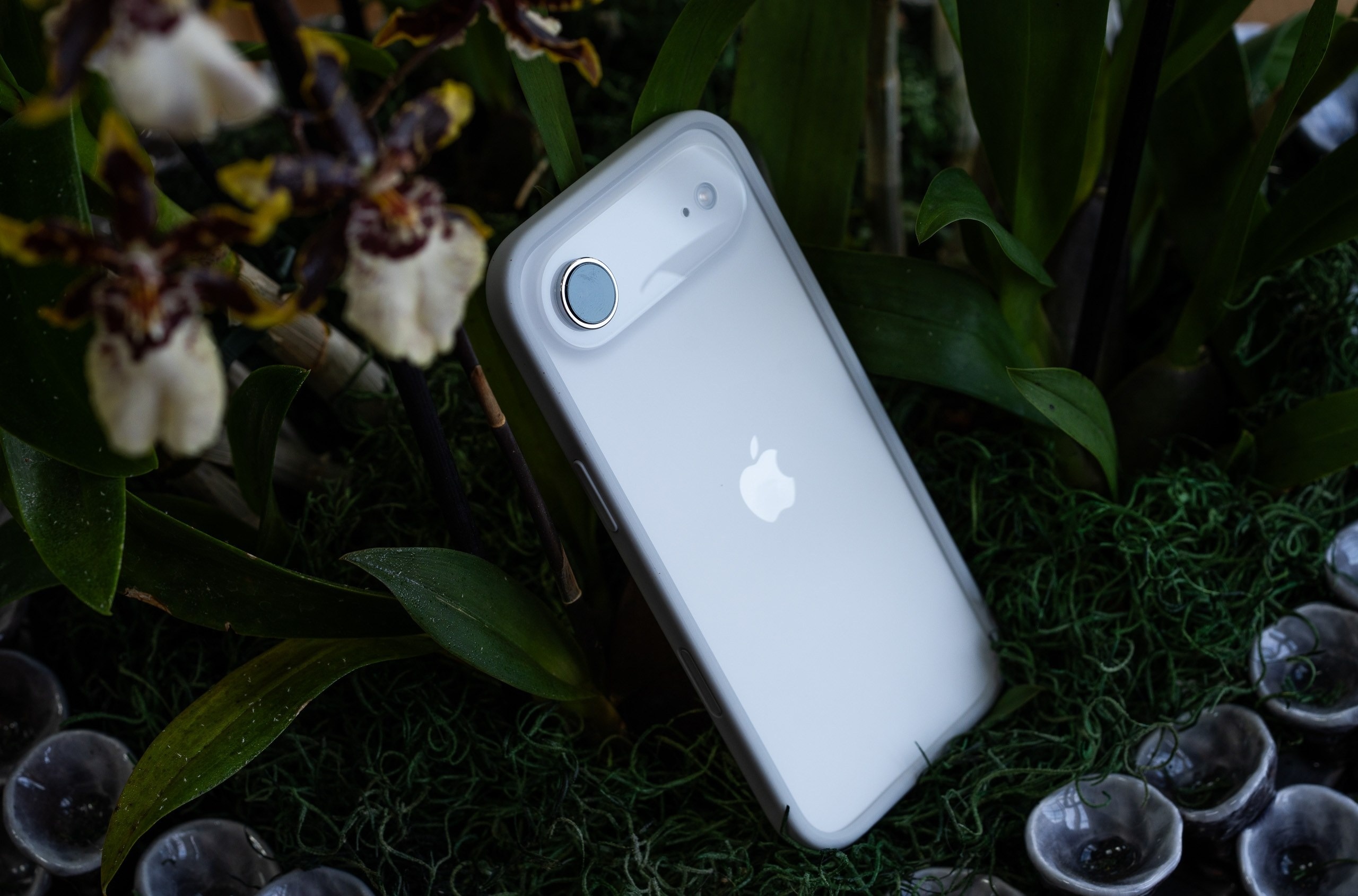 |
iPhone Air with a protective case attached. Photo: The Verge . |
However, what worries Johnson most is the battery life after a year. Given the controversies surrounding iPhone battery life, this is something users need to consider if they don't upgrade their phones frequently.
CNET highlighted several modes that help optimize battery life, such as Adaptive Power. This feature automatically adjusts the iPhone's performance based on usage patterns. However, because it takes a week to "learn" the habits, she couldn't yet assess the effectiveness of Adaptive Power.
Al-Heeti also noted that the iPhone Air's battery life depends on usage. On a busy day with sending emails, texting, using Wi-Fi, taking photos, recording videos, listening to music, and watching videos, the device ran out of battery after almost 12 hours.
Conversely, on a relaxing day with less phone use, the iPhone Air can achieve all-day battery life as advertised by Apple, with the battery level dropping to 20% after about 15 hours of watching videos, texting, and listening to music on Wi-Fi.
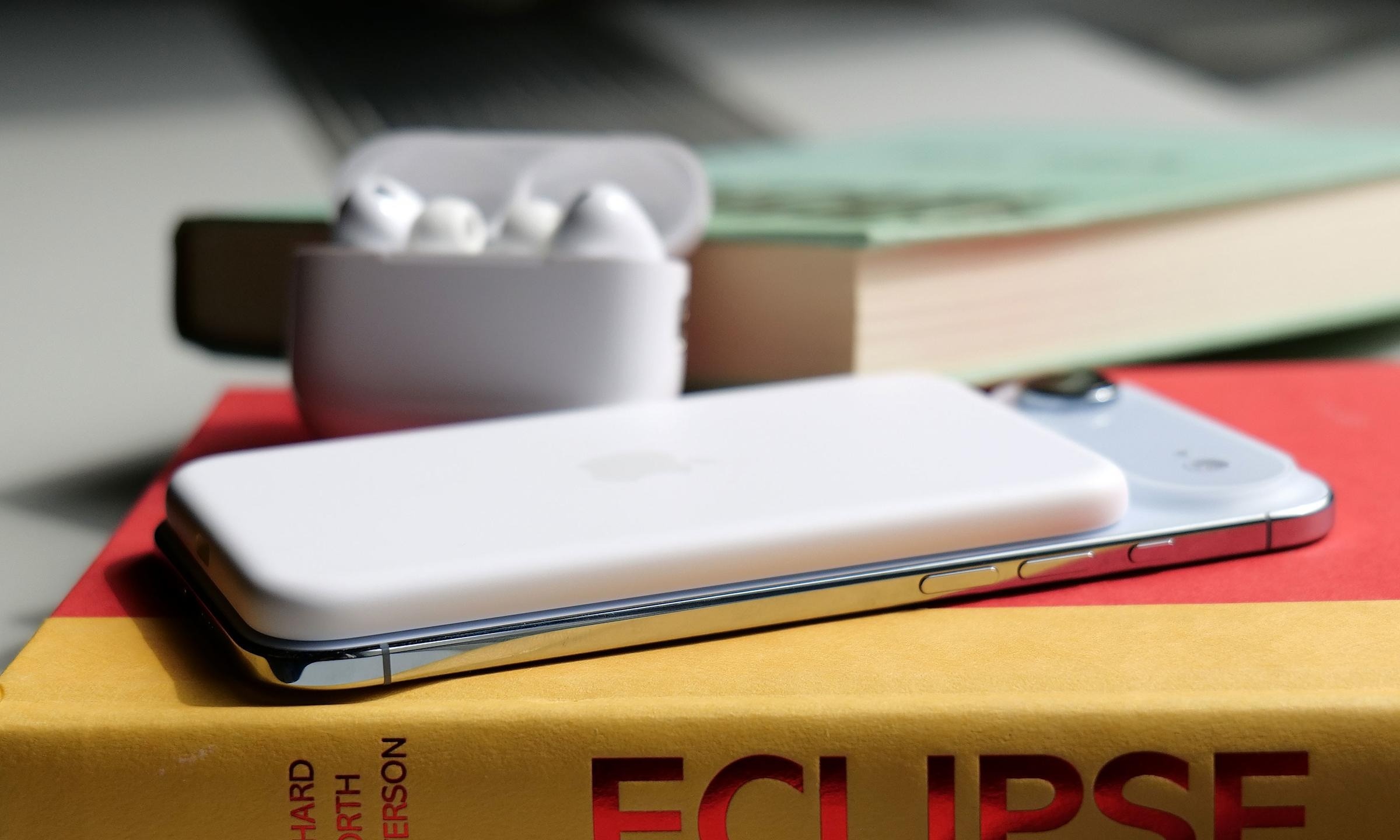 |
iPhone Air with MagSafe power bank attached. Photo: Engadget . |
Apple seems to have anticipated this when it sells MagSafe power banks for the iPhone Air, which can extend continuous video playback time up to 40 hours.
It's worth noting that the device only charges via cable at a maximum power of 20W, considerably lower than the iPhone 17 series (40W). In CNET 's testing, the iPhone Air took about 30 minutes to reach 54%, and an hour and a half to charge to 100%.
Compensate with the selfie camera.
The camera is also a limitation of the iPhone Air, with only a 48MP rear camera and an 18MP front camera. According to The Verge , most people will be okay with the trade-off, as the camera has an equivalent focal length of 26mm, supports sensor-shift image stabilization, and has a maximum zoom of 2x.
For some, the lack of an ultra-wide-angle camera might be too big a trade-off. However, Johnson argues that upgrades to the selfie camera might be more important to the iPhone Air's target customer group.
Specifically, the selfie camera on the phone uses a square sensor that can rotate between portrait and landscape modes without needing to rotate the phone. Another interesting feature is Dual Capture, which allows simultaneous recording from both the front and rear cameras.
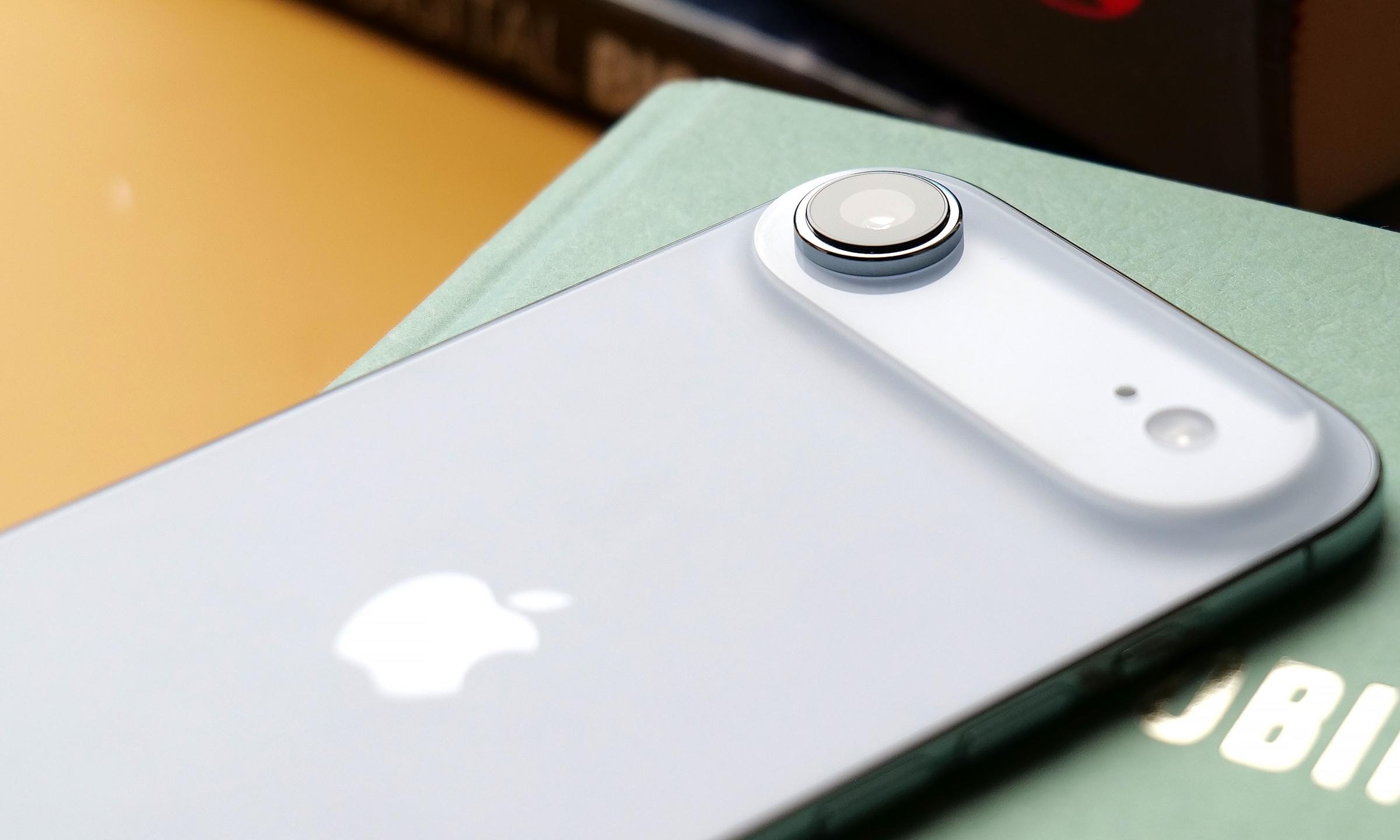 |
The rear camera of the iPhone Air. Photo: Engadget . |
Al-Heeti shared the same opinion, expressing disappointment that the iPhone Air lacks an ultra-wide-angle camera, although the overall image quality remains decent. In some situations, the balance between light and dark areas is good, and the colors are realistic and sharp. Portrait photos can still blur the background. The 2x zoom mode is also good enough to maintain detail and sharpness.
Raymond Wong from Gizmodo commented that photos taken with the iPhone Air are good enough to share on social media or via messaging apps.
The lack of an ultra-wide-angle camera remains a drawback of the iPhone Air compared to the Galaxy S25 Edge. However, the 18MP selfie camera with its square sensor, combined with Camera Control and dual-shot mode, is a major highlight.
"I have a feeling these features will become very popular, even more so than space, action, or cinematic video recording," Wong emphasized.
Who is the iPhone Air for?
Allison Johnson from The Verge believes the iPhone Air is Apple's affirmation of hardware optimization capabilities, hinting at future iPhone designs. She doesn't hesitate to say it's the beginning of a foldable iPhone.
"Of course, that's just speculation. Right now, I'm still trying to figure out who the iPhone Air is really for. It could be a device that makes life easier, for those who don't mind short battery life."
"It's also for those who are willing to overlook a few missed moments because they can't adjust the ultra-wide-angle camera. If you fall into that category, the iPhone Air is worth using," Johnson said.
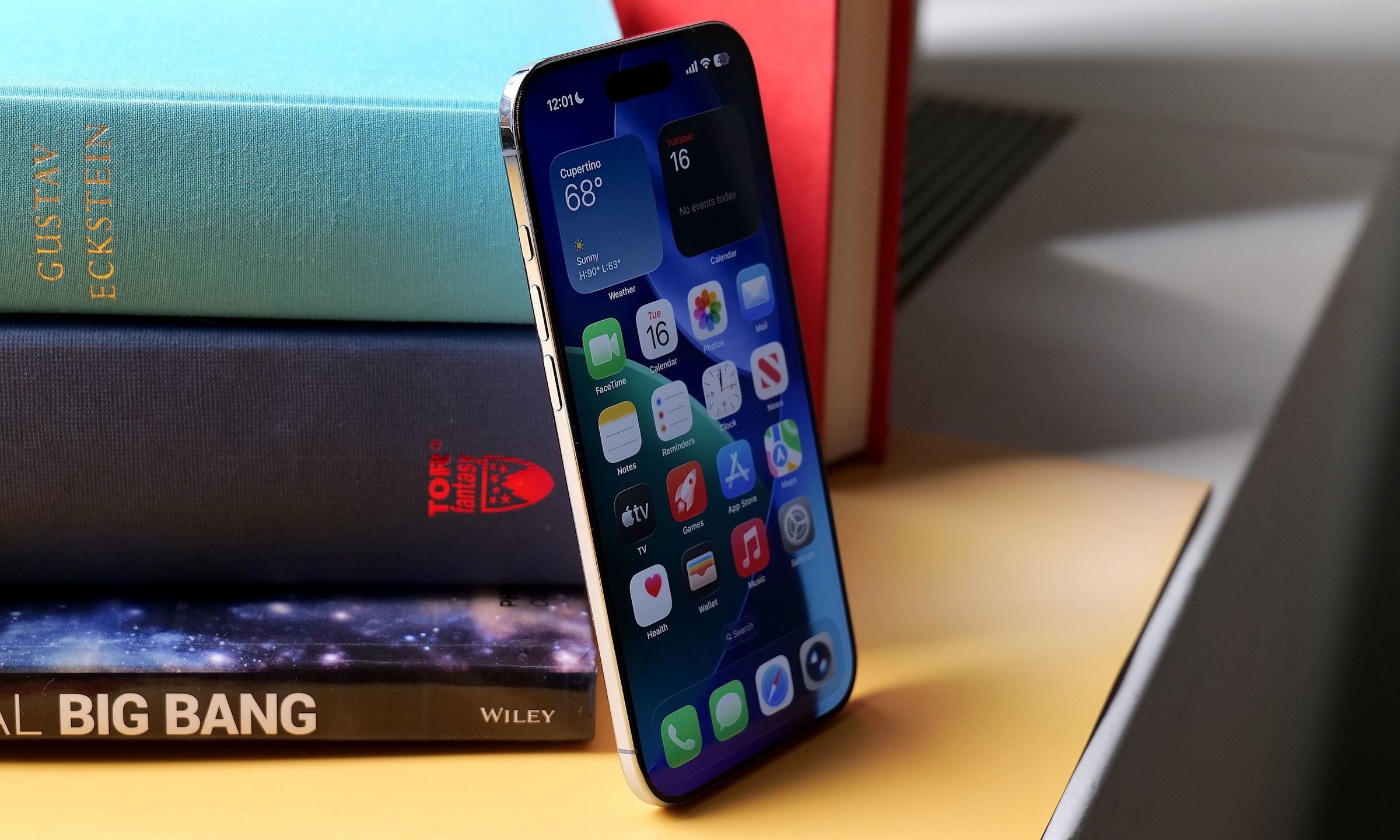 |
The design of the iPhone Air. Photo: Engadget . |
Similarly, Al-Heeti emphasizes that the iPhone Air doesn't have a camera as impressive as the Pro series, nor does it boast the largest battery. However, that's not a problem for those who don't need to stare at a screen all day.
“The iPhone Air could also appeal to anyone who’s tired of identical phones. Similar to foldable screens, thin smartphones offer a fresh and exciting look and feel, a more interesting upgrade than what we’re used to,” she added.
Source: https://znews.vn/nhung-danh-gia-dau-tien-ve-iphone-air-post1586264.html




![[Photo] Prime Minister Pham Minh Chinh receives the Chinese Ambassador to Vietnam](https://vphoto.vietnam.vn/thumb/1200x675/vietnam/resource/IMAGE/2026/04/05/1775397481797_ndo_br_dsc-5512-jpg.webp)


















































































Comment (0)