

Liver damage can cause blood clots, difficulty concentrating, confusion, sleep disturbances, and many other health problems, according to the Hindustan Times .
Dr. Gaurav Chaubal, a liver specialist at Global Hospital (India), said: "There are many manifestations of liver damage. Accordingly, liver inflammation or enlargement will cause jaundice, abdominal pain, swelling, etc. Early recognition of these signs is very important for timely medical intervention."
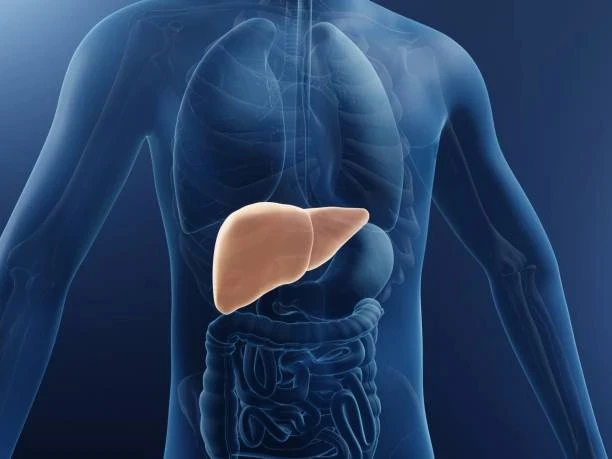
Liver damage can cause blood clots, difficulty concentrating, and confusion.
According to Dr. Punit Singla, a liver transplant surgeon at Marengo Asia Hospital (India), common liver conditions include fatty liver disease and liver failure. Of these, fatty liver disease may have no signs or symptoms.
When liver disease reaches an advanced stage, the symptoms become more severe. Specifically, common symptoms include jaundice (yellowing of the skin and eyes), dark urine, swollen legs, loss of appetite, sudden weight loss, itching, hair loss, muscle loss, abdominal distension, bloody stools, vomiting, sleep disturbances, etc.
Dark urine
Problems with bile secretion can cause dark urine. Because the liver plays a vital role in metabolism, liver damage can lead to fatigue and weakness.
Gastrointestinal symptoms
Liver damage can cause digestive symptoms such as nausea, vomiting, and loss of appetite. A more obvious sign is the appearance of small, spider-like blood vessels on the skin.
Brain dysfunction
Liver dysfunction can affect concentration, sleep, daytime sleepiness, and blood clotting.
Dark skin
A weakened liver can also cause skin darkening, often referred to as liver spots or age spots. Chronic liver damage will lead to cirrhosis.
Symptoms of liver cancer are difficult to detect in the early stages. Both people with and without a history of cirrhosis are at risk of developing liver disease.
According to Singla, if you experience loss of appetite, unexplained weight loss, jaundice, or swollen feet, you should go to a medical facility for screening, blood tests, and an abdominal ultrasound. For those with liver disease or a family history of liver disease, see your doctor for regular checkups.
Source link





































































































Comment (0)