

Work stress, late nights, and modern lifestyles are causing male hormones to decline earlier than ever before. Many only discover this when their health has already been noticeably affected.
- When "normal fatigue" becomes a warning sign.
- Signs that few people think of.
- Why do young men lose testosterone prematurely?
- The consequences extend beyond just physiological issues.
- What can I do to improve my natural testosterone levels?
- When should I see a doctor?
When "normal fatigue" becomes a warning sign.
Testosterone is a crucial hormone that determines the physiological, physical, and mental health of men. However, not everyone recognizes when this hormone begins to decline.
Many young men frequently feel tired and lack energy, but attribute it to a busy work schedule or lack of sleep. In reality, this could be an early sign of declining testosterone levels.
Many people share that they lose motivation at work, easily become discouraged, and have difficulty concentrating even without major changes in their lives. These symptoms are often mistaken for ordinary stress, leading to the omission of the "golden" period for improving health.

Fatigue and lack of energy in men can be a sign of declining testosterone.
Signs that few people think of.
A decrease in testosterone doesn't always manifest clearly through physiological problems. Many more subtle signs are often overlooked:
1. Decreased muscle mass, increased belly fat.
Even without changing their diet, the body continues to accumulate fat, especially in the abdominal area, while muscle mass gradually decreases.
2. Reduced libido
This is a common symptom, but it's often avoided or people are reluctant to acknowledge it.
3. Sleep disorders
Difficulty falling asleep, restless sleep, or waking up multiple times during the night may be related to hormones.
4. Easily irritable, mood swings
Testosterone not only affects physical health but also impacts the nervous system.
5. Reduced work efficiency
Difficulty concentrating, impaired short-term memory, and reduced work efficiency.
Notably, many men only discover these symptoms when they appear simultaneously and persist for an extended period.
Why do young men lose testosterone prematurely?
Previously, declining testosterone was often associated with age. However, this condition is now occurring at younger ages due to several factors:
Sedentary lifestyle
Sitting for long periods and lack of exercise reduce the body's production of natural hormones.
Prolonged sleep deprivation
Sleeping less than 6 hours a night can significantly reduce testosterone levels.
Stress and work pressure
Stress causes the body to increase the production of cortisol – a hormone that counteracts testosterone.
Abuse of alcohol and fast food
These habits directly affect endocrine function.
Exposure to a toxic environment
Chemicals, pollution, and plastics can negatively impact male hormones.
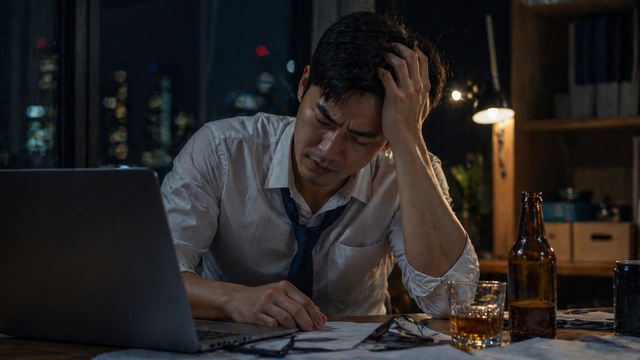
Staying up late, stress, and alcohol are factors that cause a decrease in male hormones.
The consequences extend beyond just physiological issues.
A decline in testosterone is not simply a matter of "performance." If it persists, this condition can have many serious consequences:
- Increased risk of obesity and diabetes.
- Deterioration of cardiovascular health.
- It affects fertility.
- Reduced quality of life and mental well-being.
In particular, many studies show that low testosterone is also associated with an increased risk of depression and cognitive decline.
What can I do to improve my natural testosterone levels?
Balancing hormones doesn't necessarily have to depend on medication. Many simple lifestyle changes can have a noticeable effect:
- Get enough sleep and sleep soundly. Aim for 7–8 hours each night, and limit electronic devices before bed.
- Exercise regularly.
- Strength training exercises such as weightlifting or HIIT help stimulate testosterone production.
- Eat a balanced diet. Supplement with protein, healthy fats, zinc, and vitamin D.
- Reduce stress.
- Meditation, sports , or other relaxing activities can help balance hormones.
- Limit alcohol consumption. Keep it to a minimum to protect your endocrine system.
When should I see a doctor?
If symptoms such as fatigue, decreased libido, and insomnia persist for weeks without improvement, men should proactively get their endocrine health checked.
Early detection allows for timely intervention, preventing long-term impacts on health and quality of life.
The decline in testosterone is no longer just a middle-aged issue. Today, men under 40 are also facing this risk due to modern lifestyles.
Recognizing seemingly normal signs early is the first step in protecting your health and maintaining energy and performance in the long term.
Source: https://suckhoedoisong.vn/dau-hieu-thieu-testosterone-o-nam-gioi-tre-it-ai-nhan-ra-169260429172331669.htm

































































































Comment (0)