

Mr. Hoang Khanh Hung, Standing Committee Member of the City Party Committee, Head of the City Party Committee's Propaganda and Mass Mobilization Department, and Head of the Culture and Social Affairs Committee of the Hue City People's Council:
Developing and refining cultural and social policies suitable for the new era.
 |
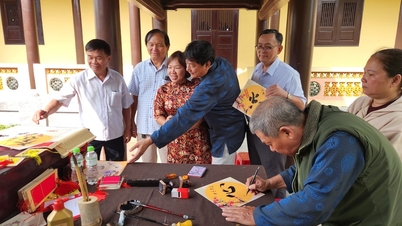
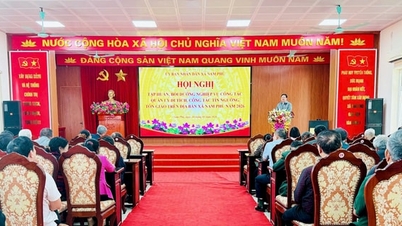
Despite facing difficulties and challenges in 2025, significant and outstanding results were achieved in the cultural and social fields. Many national and international cultural and artistic events were successfully organized; the preservation and promotion of tangible and intangible cultural values continued, opening up many opportunities for cultural development. The quality of education was maintained and improved; digital transformation made significant progress; healthcare for the people was prioritized; job creation and social security were actively and comprehensively implemented; and people's living standards continued to improve.
Nevertheless, promoting cultural values and institutions remains limited and challenging; strong solutions for developing the cultural industry are still lacking; the implementation of some cultural policies is still slow; and there is a shortage of investment resources for preserving cultural and historical relics in localities. The mechanism for socializing the restoration of relics is still inadequate; some cultural institutions still do not meet the requirements; the surplus and shortage of teachers at all levels of education have not been thoroughly resolved; and the legal framework is not yet synchronized. Some regulations overlap when implementing the two-tiered local government model, causing confusion in decentralization, delegation of power, cultural management, and the implementation of social welfare policies.
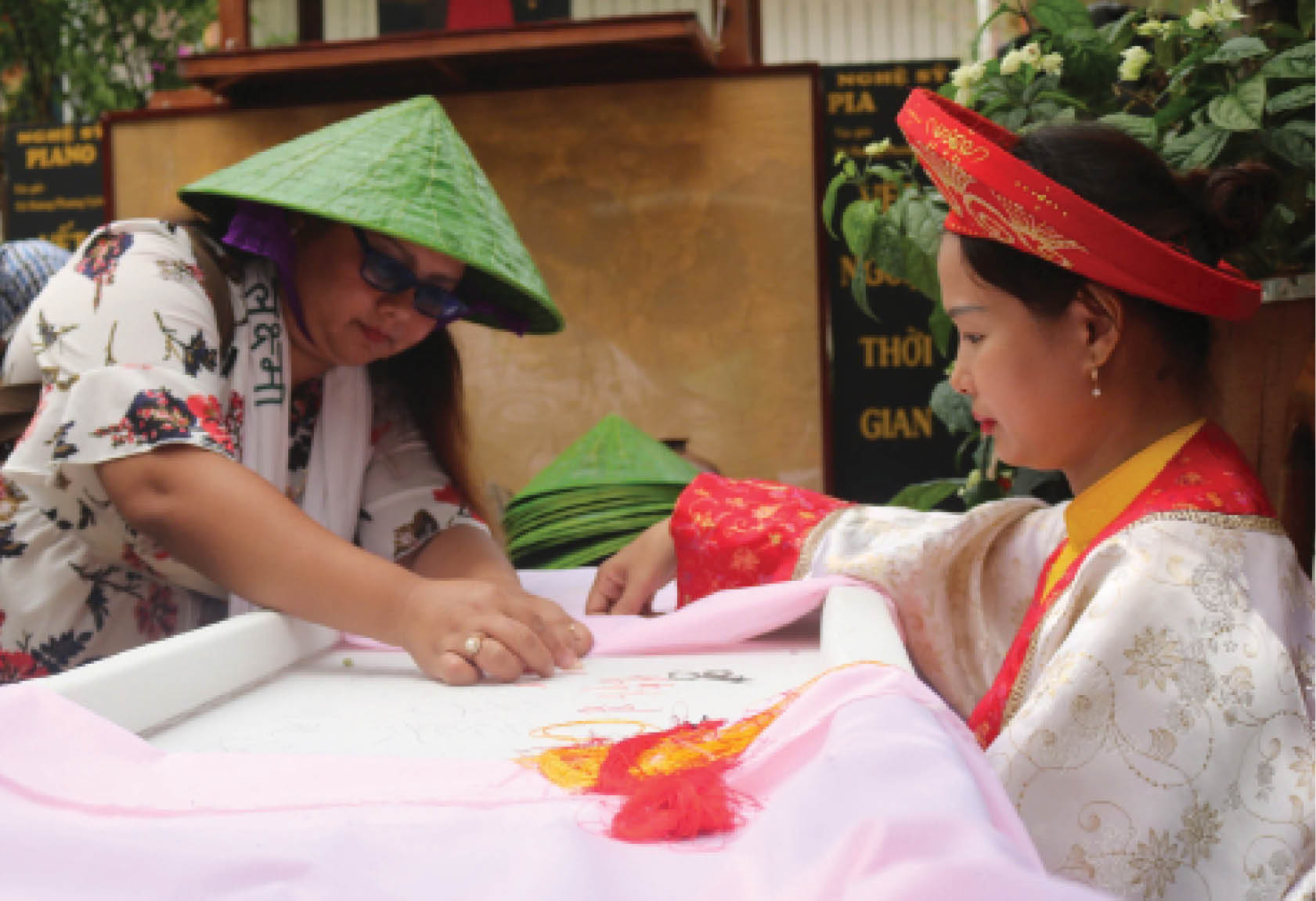 |
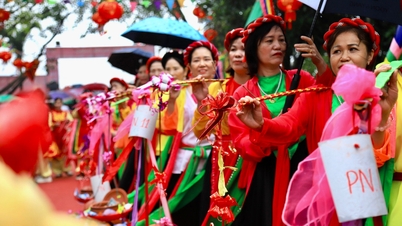
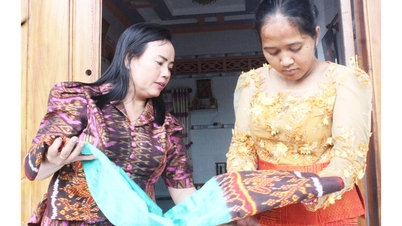
| Cultural activities and festivals attract tourists. |
Based on that reality, in 2026 and beyond, to further promote the potential and advantages in culture, education, health, and science and technology, the city needs to prioritize the allocation of investment resources, prioritizing investment in completing the system of cultural and sports facilities; at the same time, reviewing and evaluating existing facilities at the grassroots level to develop appropriate arrangements and investments.
The city needs to proactively develop specific plans and effectively mobilize capital from national target programs in the fields of culture, education, and health to improve the quality of essential public services serving the lives of the people.
In addition, it is necessary to continue investing in school infrastructure, ensuring a sufficient number of teachers to meet actual needs; and to innovate and improve the quality of teaching and learning at all levels. The health sector needs support in overcoming difficulties in implementing the autonomy mechanism; investing in equipment and infrastructure for the grassroots level; and recruiting and supplementing medical personnel to meet the task of caring for the people's health.
Focus on providing stable and sustainable employment for workers; improving the effectiveness of vocational education and the quality of human resources; and strengthening propaganda and encouraging workers to participate in voluntary insurance. In addition, it is necessary to continue to strongly decentralize power to commune and ward-level authorities in managing socio-cultural fields to ensure smooth and effective operation.
The city needs to research, develop, and refine cultural and social policies suitable for the new phase; promptly revise mechanisms for attracting coaches and athletes; and issue support policies for officials, civil servants, and employees working at social welfare centers to motivate and encourage them in carrying out their duties.
Mr. Nguyen Dinh Duc, Director of the Department of Agriculture and Environment:
Exploiting investment potential in the fisheries sector to serve growth objectives.
 |
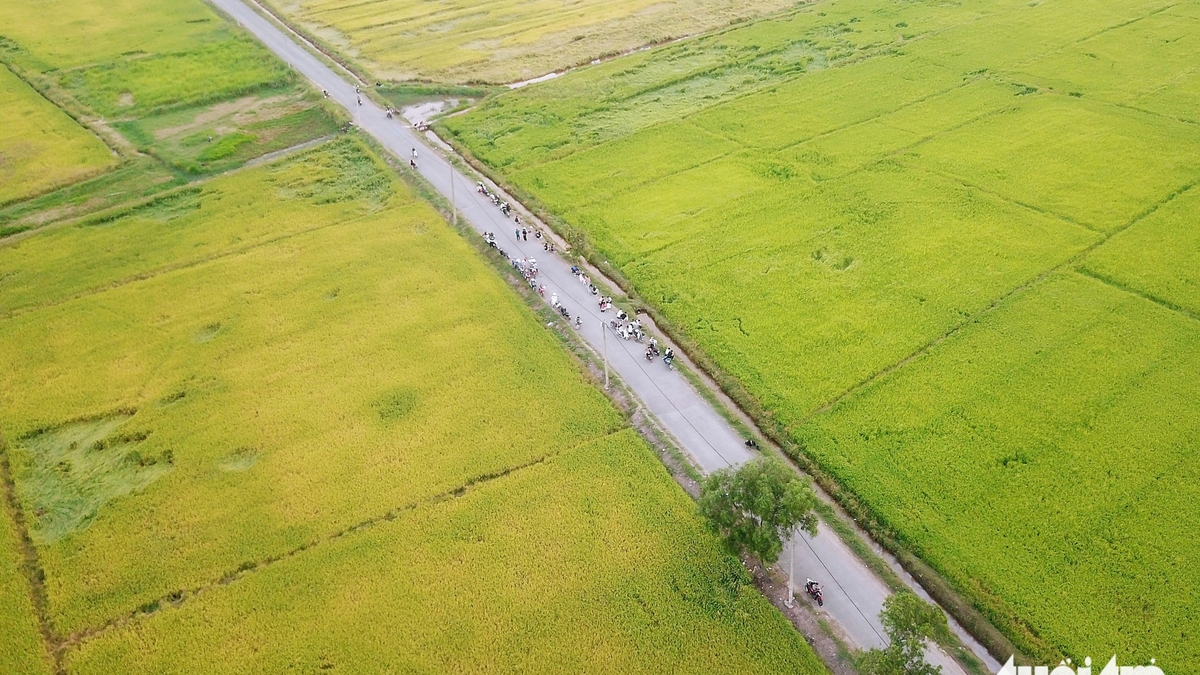
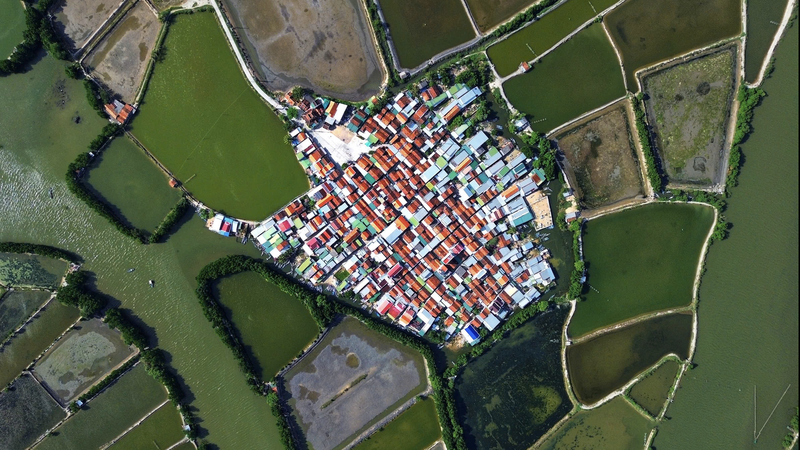
In the context of shrinking growth potential for the agricultural sector, the need for a breakthrough to achieve double-digit growth as stipulated in the City People's Council Resolution requires the agricultural sector to adopt a new direction, based on more substantial and sustainable advantages. With areas like livestock and crop farming facing difficulties in expanding investment, and given the local characteristics of abundant water resources suitable for aquaculture, the agricultural sector has identified the exploitation of aquaculture potential as the central development axis for achieving growth targets in 2026.
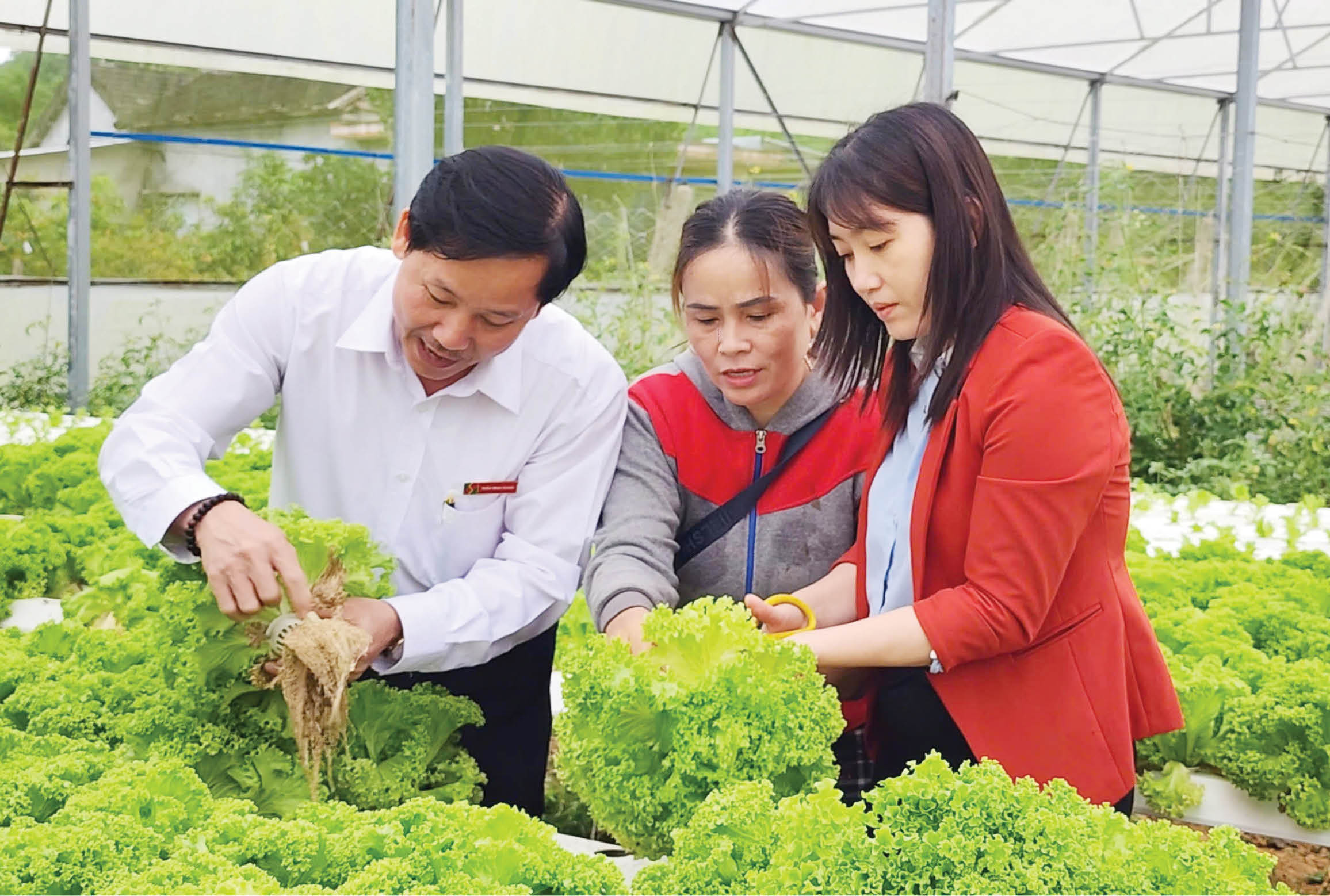 |
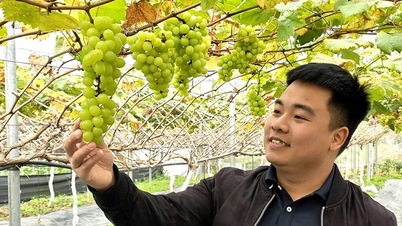
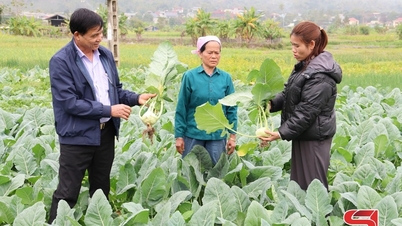
| Developing high-tech agriculture contributes to growth. |
Currently, the merger of communes and wards with wider administrative boundaries opens up favorable conditions for replanning aquaculture activities towards concentrated, specialized farming and better environmental control. The planning of aquaculture zones creates inter-regional space, facilitating the rational arrangement of saltwater and brackish water aquaculture areas for high-tech shrimp farming and areas adhering to VietGAP and GlobalGAP standards, avoiding fragmentation. The Department is focusing investment on more synchronized irrigation, electricity, water supply and drainage, and environmental monitoring infrastructure, creating conditions for the stable and sustainable development of the fisheries sector and improving the economic efficiency for farmers.
The Department has also developed a plan for the development of aquatic resources for the period 2026-2030; focusing on protecting aquatic resources, expanding natural spawning grounds, restoring lagoon and coastal ecosystems, and controlling destructive fishing practices. It will also strengthen the stocking of fish to replenish resources and apply environmental monitoring technology to proactively prevent risks. The close combination of state management and community co-management will create a harmonious fishing and aquaculture environment, ensuring both economic development and resource conservation.
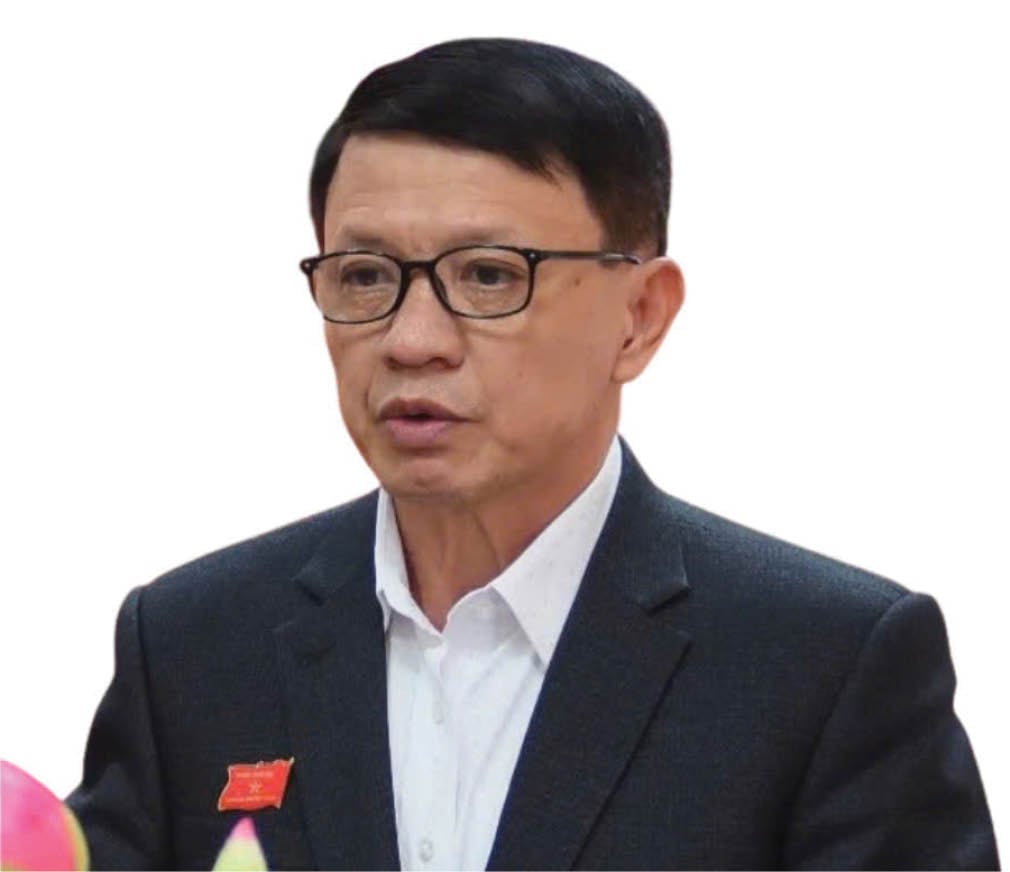
Mr. Nguyen Dai Vien, Head of the Urban Planning Committee of the Hue City People's Council:
Investing in solid waste management contributes to making Hue a modern ecological city.
 |
In 2025, environmental protection will continue to be a priority, with the rate of household solid waste collection and treatment reaching 97%. The city has intensified the implementation of the waste sorting at source program; and has promoted, guided, and encouraged people to reuse and treat household waste at home.
However, some remote and sparsely populated areas, especially mountainous regions, lack access to solid waste collection, transportation, and treatment services. Some landfills operate without leachate treatment systems, leading to the discharge of wastewater into the environment and causing pollution. Solid waste sorting at source has not been implemented comprehensively and effectively; suitable areas for the collection, sorting, and storage of sorted household solid waste have not been planned, and some waste collection points still become sources of pollution.
The City People's Committee needs to direct relevant departments and localities to prioritize investment in environmental protection resources and infrastructure, especially in rural areas. It should decisively implement solutions to improve the efficiency of solid waste management, and arrange designated collection and storage points for hazardous waste generated by households and individuals, bulky waste, and construction solid waste. It should also review and carry out renovations and upgrades to ensure environmental technical requirements are met at waste collection points, preventing the emergence of environmental pollution hotspots.
Strictly manage both active and closed landfills to ensure hygiene and environmental compliance. Research and issue economic and technical standards for the collection, transportation, and treatment of solid household waste; strengthen environmental awareness campaigns, inspections, and monitoring; and decisively address environmental pollution hotspots. Research effective solutions for implementing waste sorting at source, piloting models for sorting and treating organic waste in households, schools, and residential areas, contributing to making Hue a modern ecological city.
Source: https://huengaynay.vn/chinh-polit-xa-hoi/de-hue-phat-trien-nhanh-ben-vung-160802.html


![[Image] A night of light, many layers of message](https://vphoto.vietnam.vn/thumb/1200x675/vietnam/resource/IMAGE/2026/03/10/1773158812907_hoa-nhac9-jpg.webp)





































































Comment (0)