

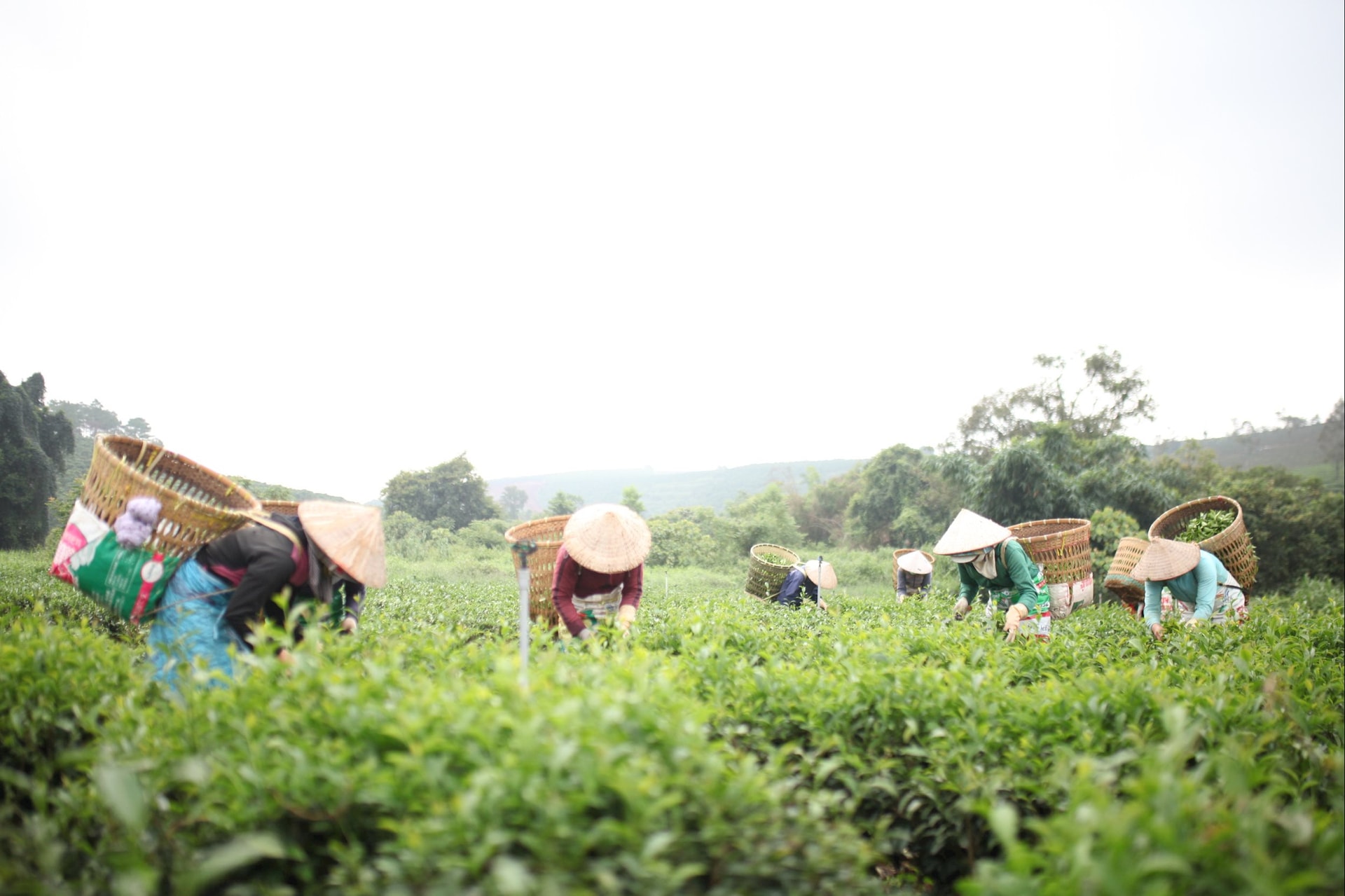
Tea in Lam Dong is not only a key crop but also an integral part of the local history, culture, and identity. Entering a period of deep integration, the Lam Dong tea industry continues to assert its position not only domestically but also increasingly expands into international markets, demonstrated by product diversity, innovative methods, and the boldness of businesses in integrating tea with tourism .
In Bao Loc, considered the tea capital of Lam Dong province, the "B'lao Tea" brand has been a source of pride for the local people for decades. With nearly 2,000 hectares of tea plantations and 195 processing businesses and facilities in operation, the annual export value of the tea industry here exceeds 10 million USD.
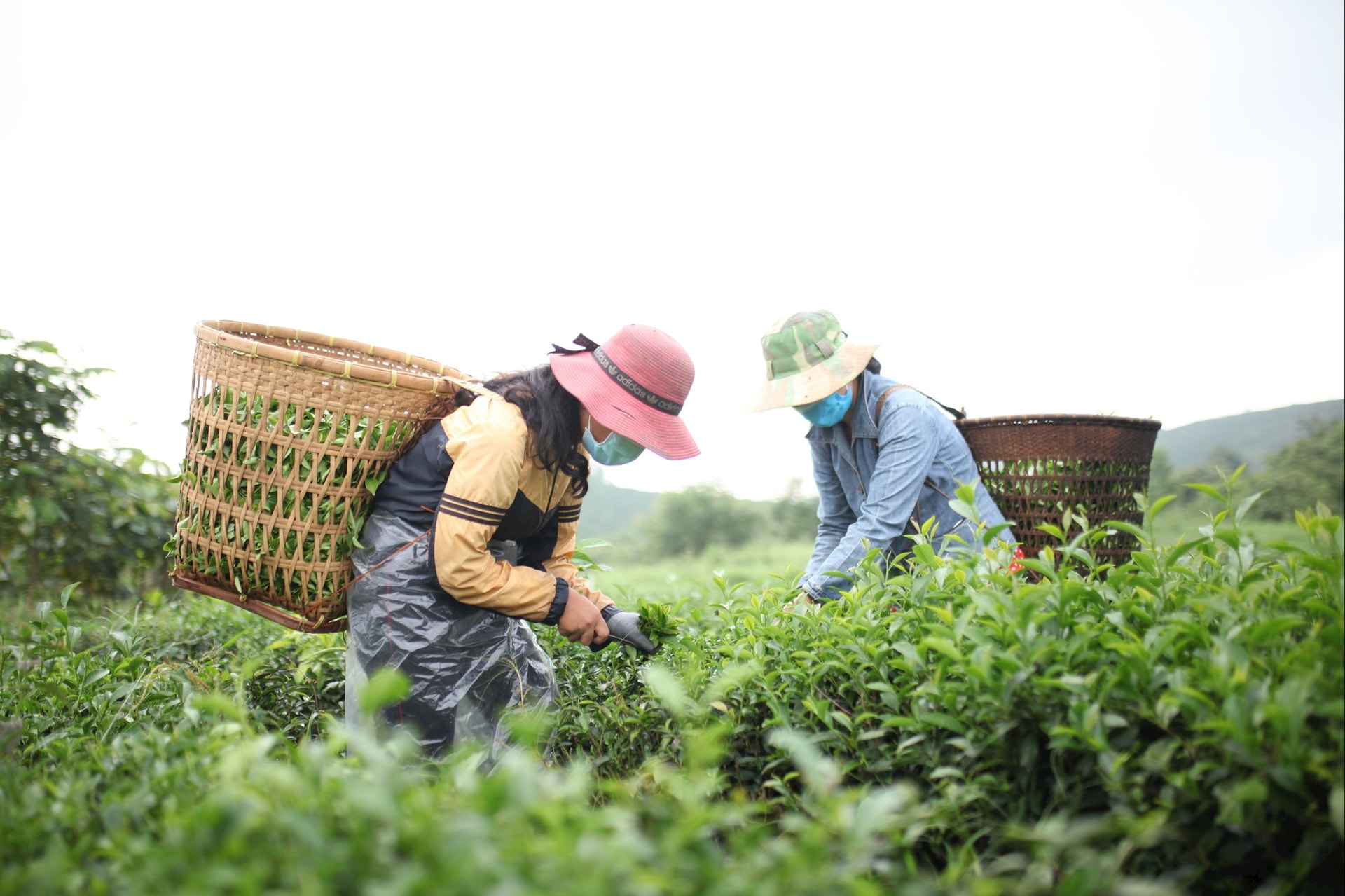
Along with the development of production scale, Lam Dong province in general and Bao Loc region in particular have for many years paid special attention to promoting and honoring tea growers. Festivals and trade promotion programs are continuously organized, becoming forums for businesses to affirm their brands and enhance the value of their products.
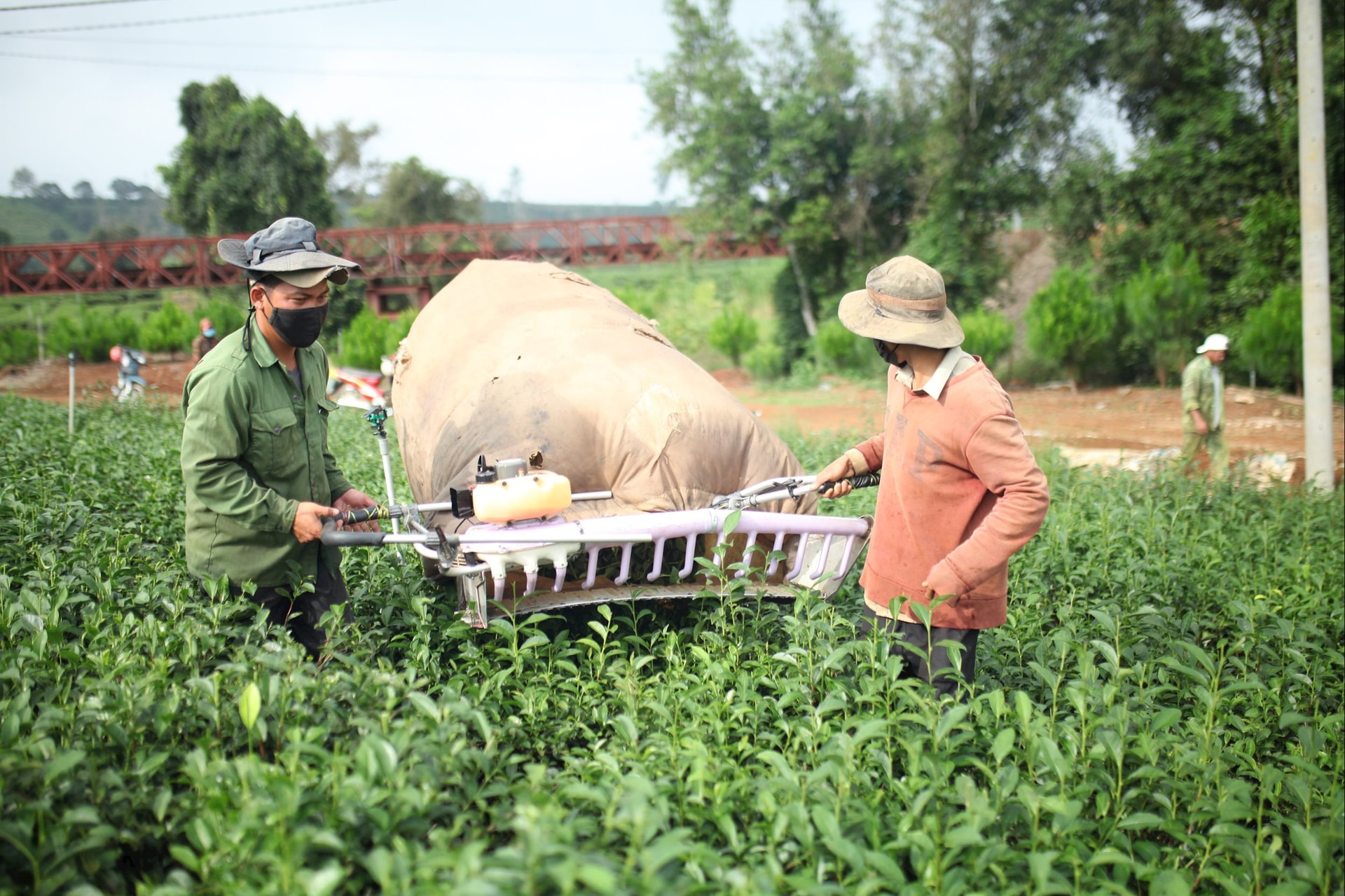
Ms. Nguyen Thi Hue, owner of Lan Huong Tea and Coffee establishment, believes that each promotional activity not only creates opportunities to introduce products but also opens up a more sustainable development path. According to her, the active participation of businesses in tea-related events reflects a shared aspiration to take the Lam Dong tea brand further, reach a wider market, and establish a stable position in the hearts of customers.
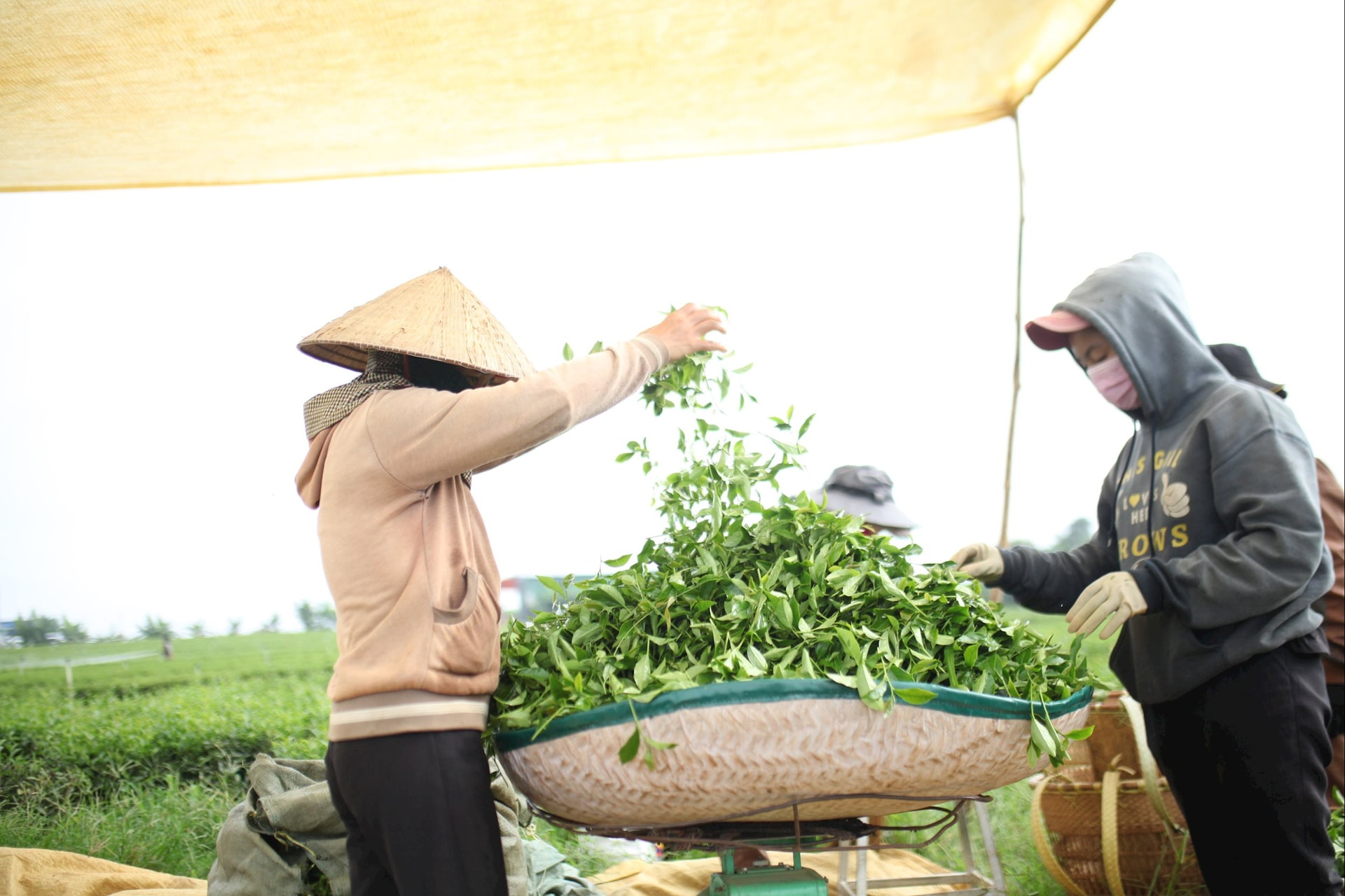
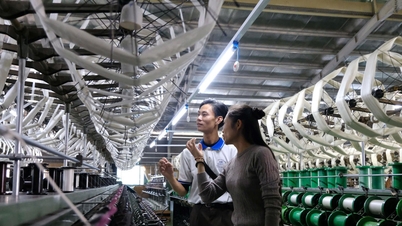
Lam Dong province currently has over 100 processing facilities, with a capacity of approximately 34,000 tons of finished products per year, equivalent to over 153,000 tons of fresh tea raw materials. Notably, an increasing number of facilities are adopting advanced quality management systems such as ISO, HACCP, or Halal, helping their products meet the stringent requirements of demanding markets.
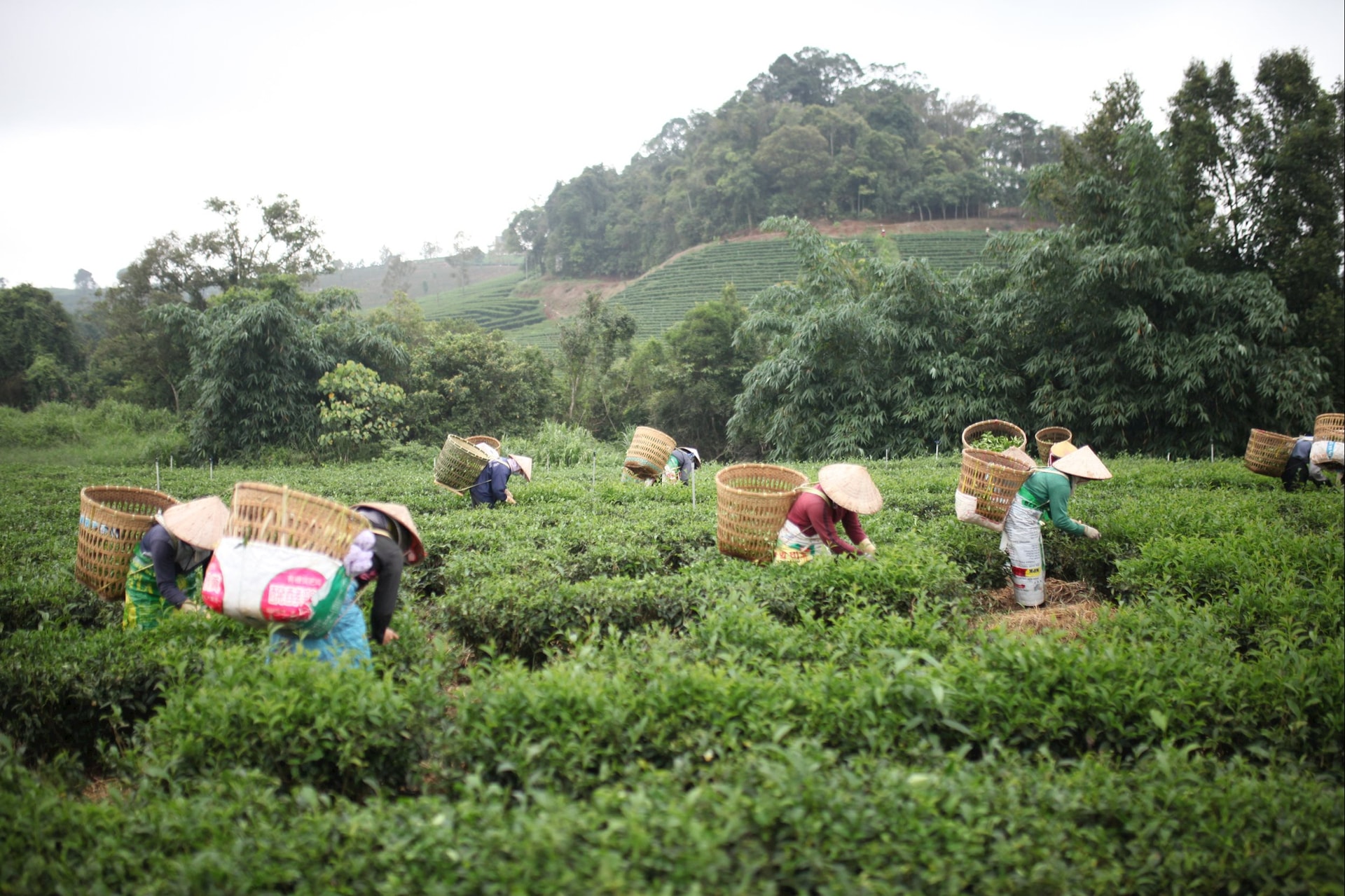
In addition, export businesses have maintained stable shipments to many countries in Asia, Europe, and the Middle East, creating a wide trade network and demonstrating the competitiveness of Lam Dong tea.
One of the new and effective approaches is to link tea production with experiential tourism. At many facilities, visitors can tour the process of planting, caring for, and harvesting tea, directly witness the processing stages from traditional to modern methods, enjoy the taste of tea right on the hill, and purchase products on the spot.
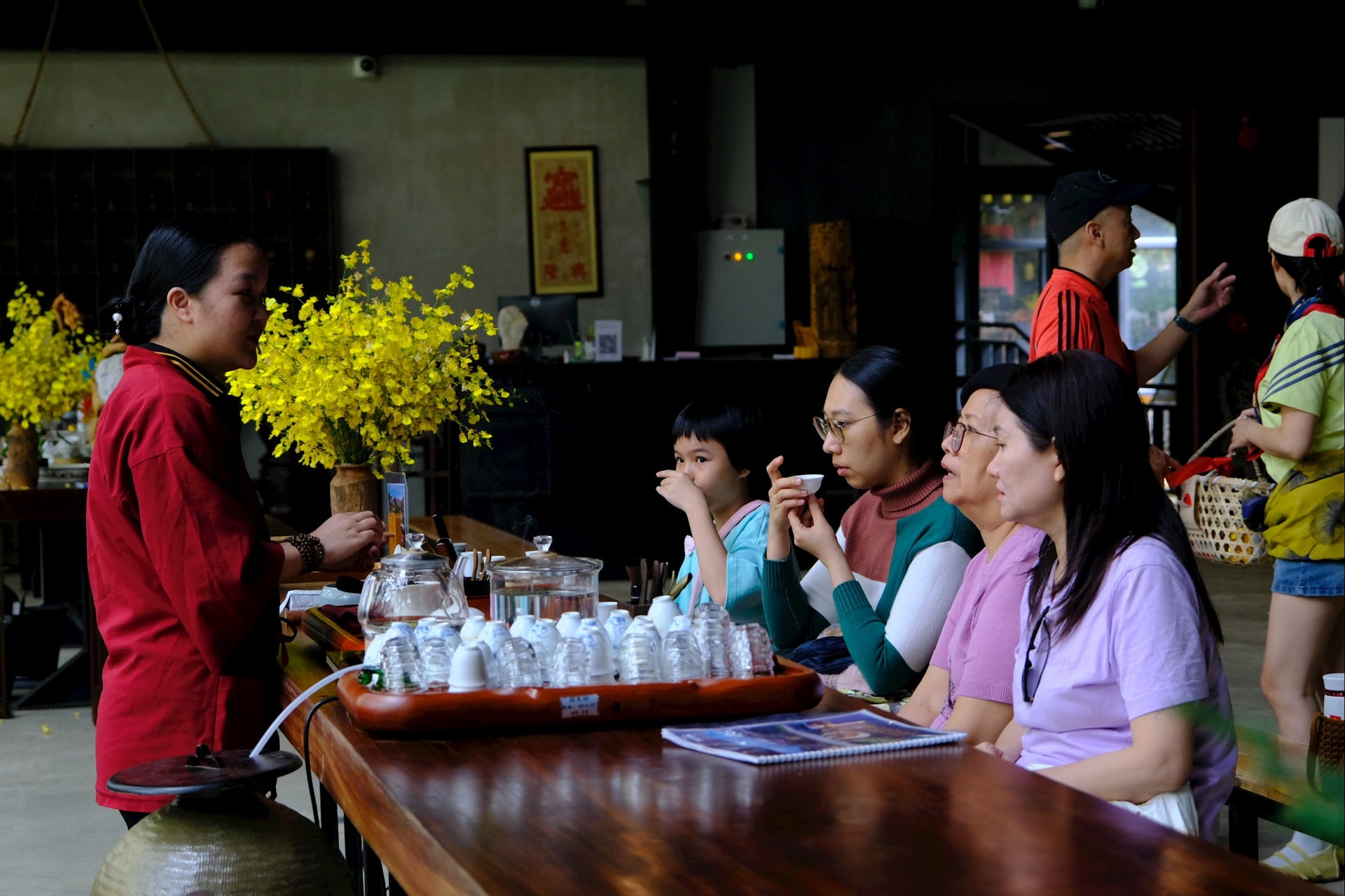
According to Ms. Tran Phuong Uyen, representative of Long Dinh Tea Company, this combination has yielded clear results. Tourists can both experience local culture and learn more about the value of tea and the tea-making craft, thereby creating a natural ripple effect and contributing to the sustainable expansion of the market.
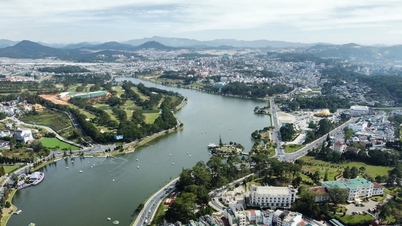
Alongside Bao Loc, the Cau Dat tea-growing region (Xuan Truong ward - Da Lat) has become a familiar destination for domestic and international tourists for many years. The endless green tea hills shrouded in cold mist create a poetic landscape, becoming a distinctive hallmark of Da Lat tourism.
.jpg)
Every day, Cau Dat welcomes a large number of visitors who come to sightsee, take photos, and enjoy tea. Nguyen Tuan Anh, a resident of Phat Chi village, Xuan Truong ward, Da Lat, said that the steady stream of visitors is a crucial resource helping the locals maintain their tea-growing profession; at the same time, it creates new livelihoods through tourism services. Tea in Cau Dat is not only an economic crop but also a bridge connecting the culture, nature, and people of this region.
It can be said that the diverse soil, mild climate, and ideal altitude have given Lam Dong the perfect natural foundation for developing many different types of tea, from green tea, black tea, and oolong tea to high-value herbal and flavored teas. The harmonious combination of traditional farming techniques and modern technology, along with the innovative mindset of young businesses, has helped the local tea industry shape a sustainable and distinctive development path.
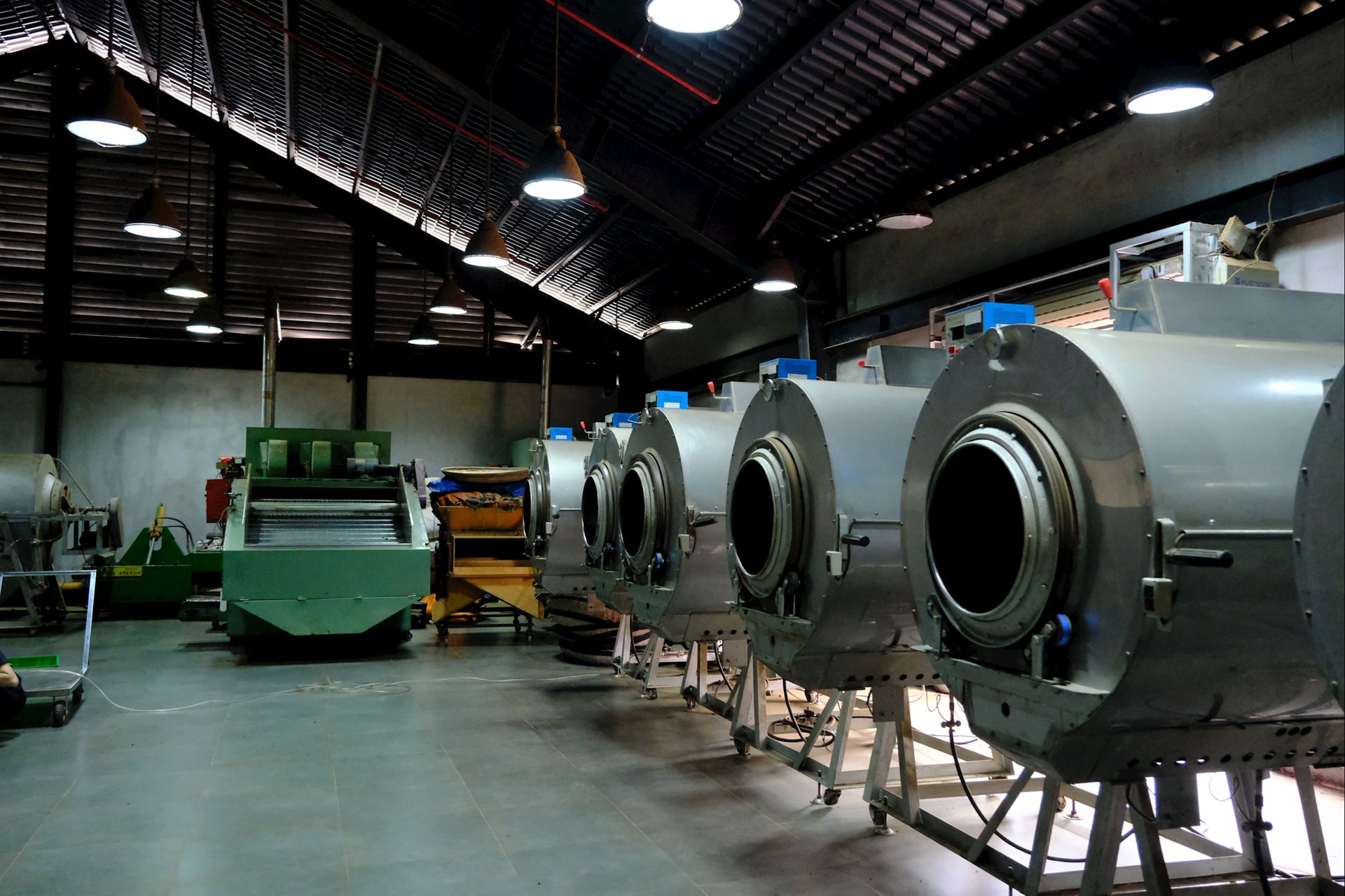
In this context, the fact that the 2025 International Tea Festival will be held for the first time in Vietnam and that Lam Dong province has been chosen as the main destination is a particularly important milestone.
The event is expected to bring together hundreds of businesses, artisans, experts, and tea researchers from around the world, becoming a large-scale cultural and commercial exchange forum. This is a golden opportunity to promote the history and culture of Vietnamese tea, introduce the distinctive products of Lam Dong, promote production-consumption linkages, expand markets, and affirm the position of Vietnamese tea on the international map.
The festival is not only of economic significance but also an opportunity to honor tea growers – people who have preserved the craft for generations, persevering on the hillsides, contributing to the unique value of this land.
From Bao Loc to Cau Dat, from modern farms to traditional family-run production facilities, every tea maker carries within them a sense of pride and aspiration to elevate their products, make them more widely known, and appreciate them for their inherent value.
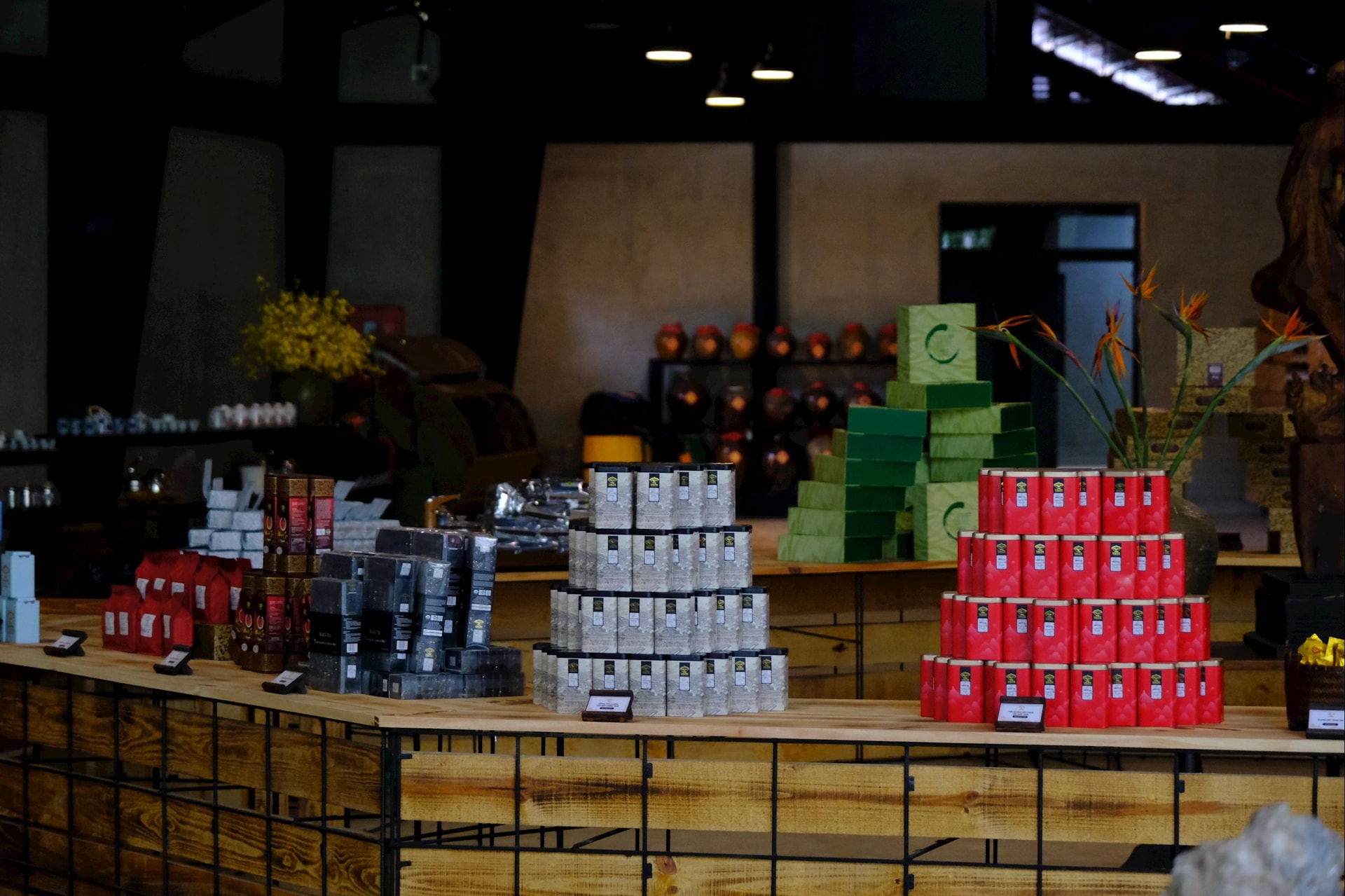
Today, the aroma of Lam Dong tea is not only present in every warm cup of tea but also permeates every story, every journey of tourists, and every effort of local businesses. With steady steps, the right development direction, and support from the community, the Lam Dong tea industry is increasingly asserting its position, gradually taking the Vietnamese tea brand further, worthy of the potential and expectations of this sun-drenched highland region.
Source: https://baolamdong.vn/de-huong-tra-lam-dong-bay-xa-408574.html














































































Comment (0)