

SGGP
After a period of preparation, on July 7th, VNSKY mobile network, part of the VNPAY ecosystem, officially launched nationwide with the prefix 0777.
 |
| VNSKY launches nationwide, positioning itself within the VNPAY ecosystem. |
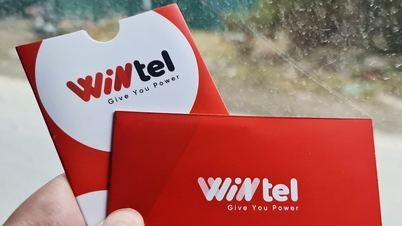
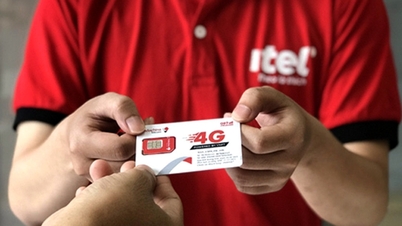
VNSKY is one of five mobile virtual network operators (MVNOs) licensed by the Ministry of Information and Communications; it is the fourth MVNO currently providing services in the Vietnamese market, along with iTel (belonging to Indochina Telecom Joint Stock Company, prefix 087), Wintel ( Masan Group, prefix 055) and Local (Asim Telecommunications Joint Stock Company, prefix 089).
According to data from the Ministry of Information and Communications, the Vietnamese mobile telecommunications market currently has nearly 130 million subscribers. Of these, the three major mobile networks – Viettel, VinaPhone, and MobiFone – account for approximately 95% of the market share; the remainder belongs to Vietnamobile, Gmobile, and the four aforementioned MVNOs. These four networks currently have about 2.6 million subscribers, accounting for nearly 2% of the total mobile subscribers in Vietnam.
MVNOs have been present in Vietnam for quite some time; however, in the past, for various reasons, these networks were little known to users.
Over the past few years, with investment from large economic groups, new MVNOs have been shaping their brands and business models. First came Bitexco with the iTel network, followed by Masan with Wintel and VNPAY with VNSKY. iTel, after 3 years in the market, has approximately 1 million subscribers generating regular revenue and has achieved tens of billions of dong in profit. In Q1 2023, Wintel gained over 122,000 subscribers, achieving revenue of 16.48 billion dong, a 457% increase compared to the same period in 2022. VNSKY aims to connect 5 million users by 2025 and become one of the top 5 largest mobile networks in Vietnam. Both Wintel and VNSKY are maximizing the ecosystem of their parent companies to develop their subscriber base and business models.
In terms of advantages, MVNOs don't have to invest in infrastructure; they simply buy traffic from carriers with existing infrastructure and then resell it. Therefore, MVNOs can focus on designing products tailored to specific customer needs and target niche markets, rather than the mass market like carriers.
For example, they offer generous data allowances, free on-net calls for users with a second SIM card, and numerous incentives for participating in the parent company's digital ecosystem. With substantial and systematic investment, the emergence of MVNOs is a breath of fresh air, adding more types of products and services to the mobile telecommunications market and increasing competition. Most importantly, consumers benefit, having more choices to suit their needs.
Source






































































































Comment (0)