Article by: Quynh Anh
Photo: Shutterstock
There are places you visit to admire the scenery, capture a beautiful moment, and bring it back as a memento. And there are places you'll want to stay longer, long enough to feel the rhythm of life that has existed there long before you arrived. California belongs to the second category.
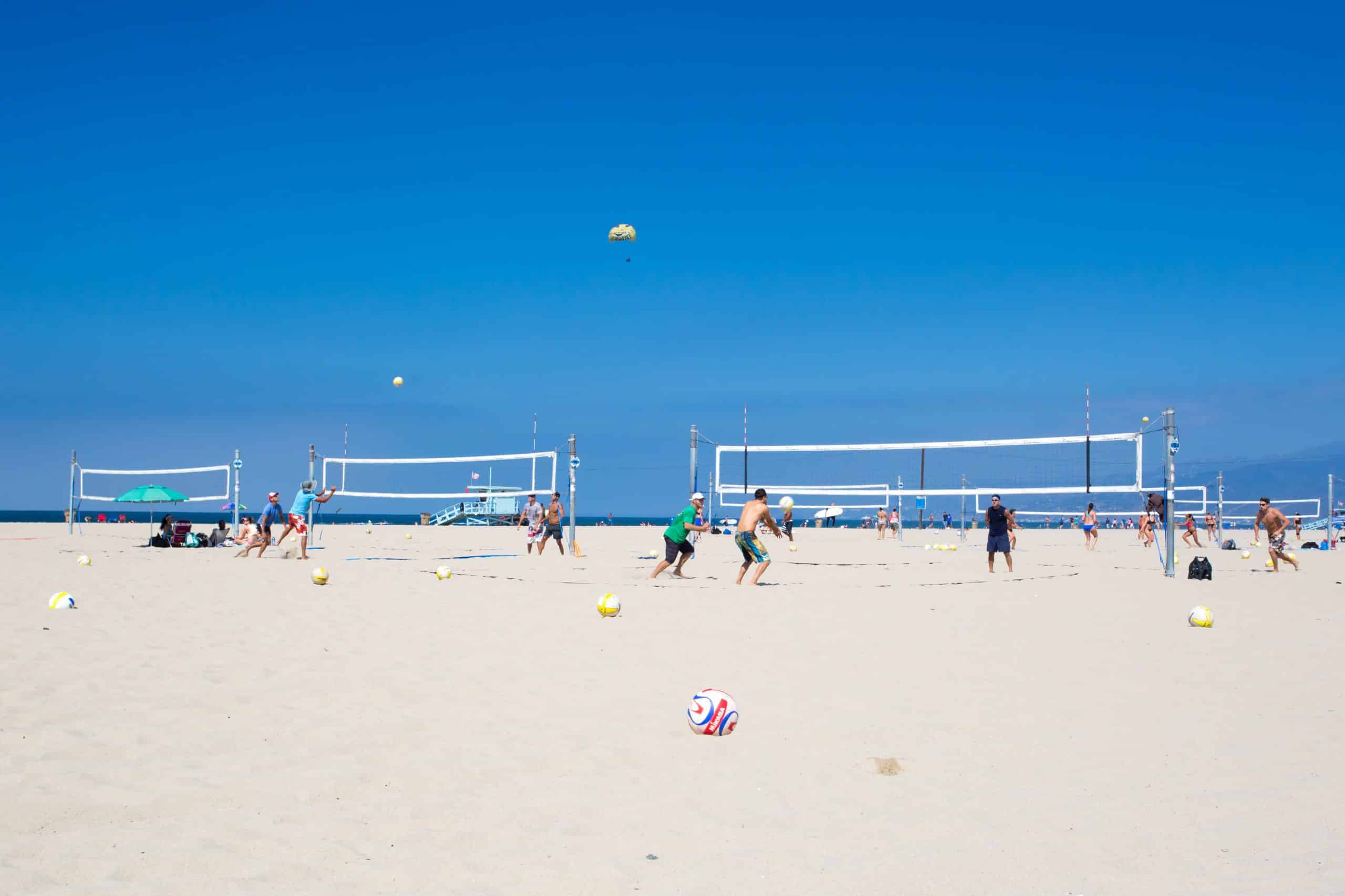
The sea is indispensable in life.
On a very ordinary afternoon in Santa Monica, sitting on the sand and observing, I realized that the people around me didn't seem to be "at the beach" at all. There were no shouts or calls, no one rushing to make the most of every moment. A few young people were jogging with headphones on, some were lying down reading, and a mother and her child were building sandcastles. On the coastal road, a few bicycles passed by, perhaps belonging to an employee leaving the office with a briefcase slung over the handlebars. Everything happened so naturally that if you weren't paying attention, you'd think nothing was happening.
Californians don't need a special reason to go to the beach, no vacation, no planning. After a long day at work, they can drive to the beach like they would to a regular hangout – not because there's anything new there, but because it's always there, stable, pleasant, and enough to bring them back to a familiar state of balance.
California boasts approximately 1,350 kilometers of coastline, stretching from the warm, sunny south to the darker, colder north. This is also the most impressive stretch of the Pacific Coast Highway – a renowned route considered one of the most beautiful coastal roads in the world . Visiting California's beaches, you'll find each place has its own unique character, yet all share a common way of life, with the ocean at its center, an integral part of daily existence.



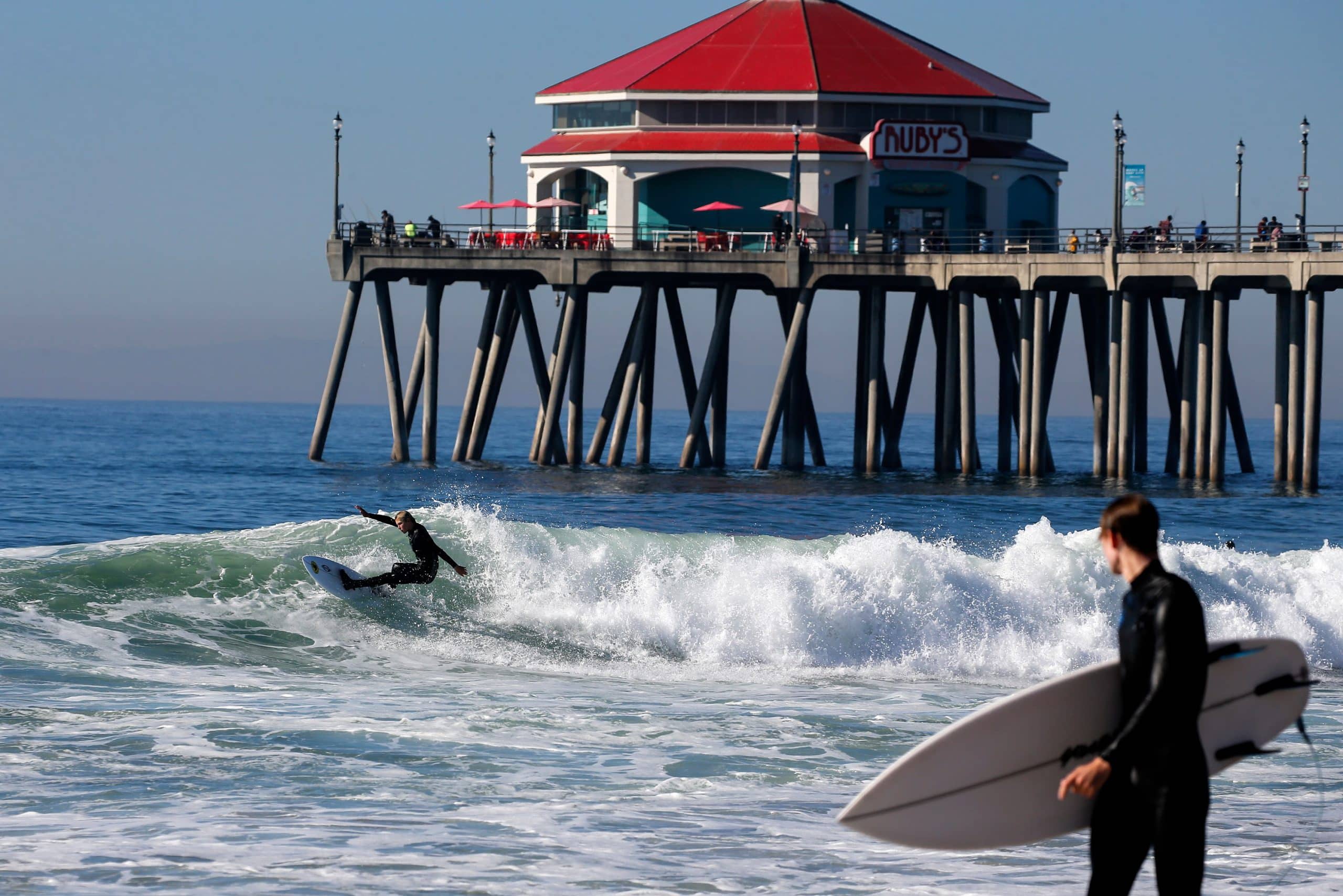
The shades of the sea in Southern California
When talking about beautiful beaches in Southern California, Santa Monica cannot be overlooked, a destination that clearly embodies the unique beach-centric lifestyle of its residents. Santa Monica is where the sea and the urban landscape of Los Angeles (California's largest city) naturally meet, almost without boundary. The beach, over 3.5 miles (approximately 5.6 km) long, stretches with fine white sand and cool blue water, ideal for outdoor activities such as walking, jogging, cycling, swimming, and surfing. A dedicated bike path along the coast, open-air volleyball courts, illuminated Ferris wheels, and charming cafes, restaurants, and souvenir shops create a vibrant, open, and lively yet down-to-earth seaside area. When visiting Santa Monica, almost everyone will stop by Santa Monica Pier, where the "End of the Trail" sign is located – symbolizing the end of the legendary Route 66 – which stretches across eight states, starting in Chicago, Illinois and ending in California.
Heading south, Redondo Beach opens up to a slower pace of life. Surfing culture took root in the early 20th century, when the first waves were conquered by Hawaiian "watermen." From there, the spirit of the sea permeated every corner of the town. The horseshoe-shaped pier jutting out into the sea, King Harbor with its calm waters, moored boats, and the small streets leading to Riviera Village – all create a unique feeling: you don't need to go anywhere, just stay there and let everything flow gently.
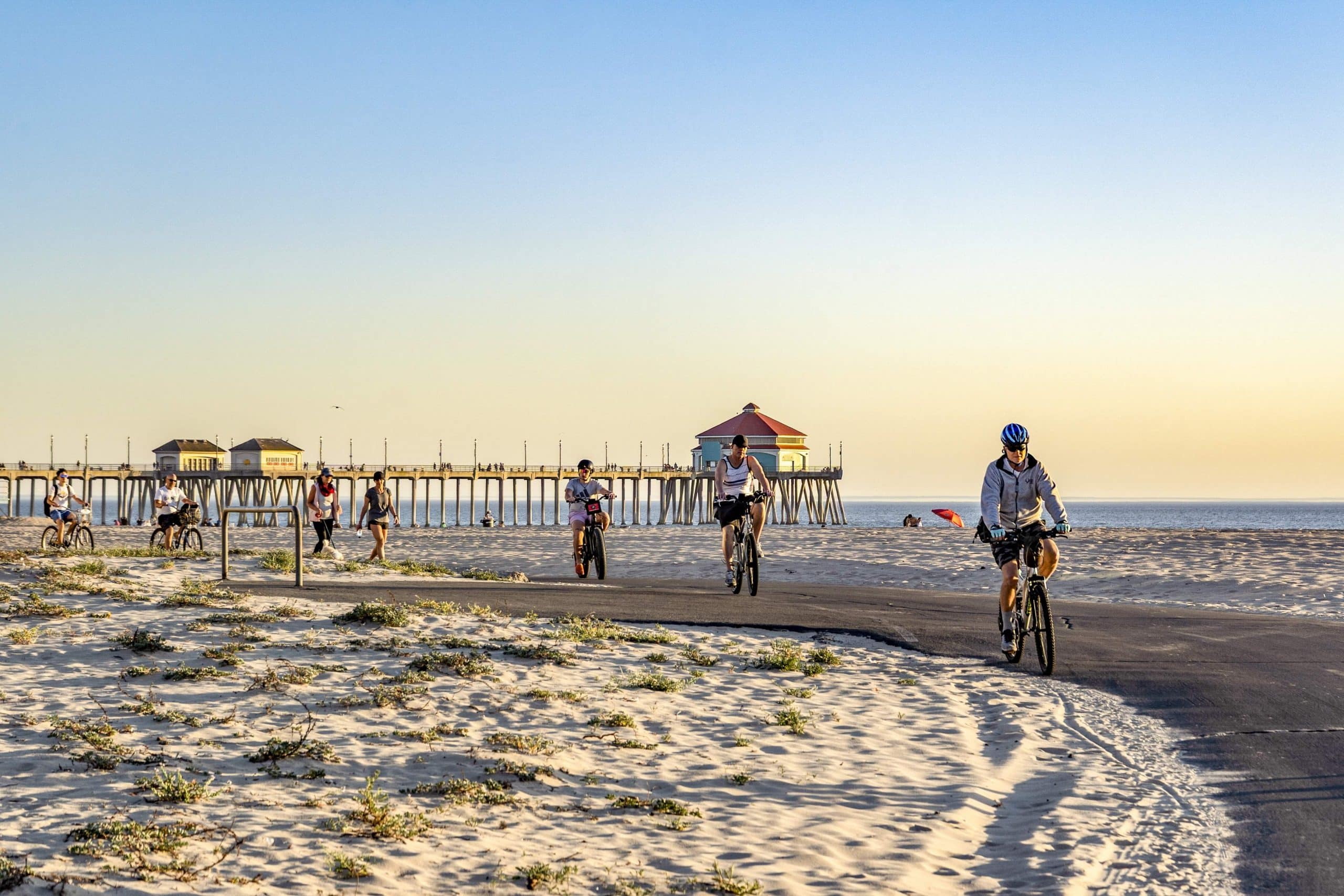
Further afield, Huntington Beach stretches out on an almost limitless scale – over 10 miles, approximately 16 kilometers of continuous coastline. The water temperature fluctuates year-round between 15-20°C, cool enough to retain the feel of the ocean, pleasant enough to make people want to return every day. The city is known as “Surf City USA,” where surfing is not just an activity, but a way of measuring the rhythm of life: people measure time by the tides, by the wind, by the waiting. From legendary surfing stories of the early 20th century to the very ordinary afternoons on the sand, it all creates a place where the sea is not just present – it shapes how people live, move, and patiently wait.
And then Laguna Beach – where the coastline breaks into cliffs and coves – takes the experience in a different direction. Here, the sea recedes, creating sufficiently private spaces. The light, the terrain, and the history of an artistic community have made this place a kind of intersection between nature and the inner self, where one not only sees the sea, but seems to read oneself within it.
When you visit the beaches of Southern California, you might not remember the exact color of the sea that day, whether the waves were big or small, or whether it was sunny or cloudy. But you will remember the feeling of sitting there, doing nothing, and still feeling content.



Because sometimes, it's the seemingly unremarkable things – the ones without drama, story, or highlights – that shape how we want to experience life.
And perhaps, that's not just how the locals go to sea.
That's how they survive in a world that constantly demands everything to be memorable. 
Source: https://heritagevietnamairlines.com/di-bien-nhu-nguoi-cali/

![[Photo] "Hanoi Lotus Festival" honors the lotus flower that has been associated with Vietnam for thousands of years.](https://vphoto.vietnam.vn/thumb/1200x675/vietnam/resource/IMAGE/2026/06/27/1782516943048_sen-ha-noi-2026-minh-duy-1-jpg.webp)