The new life cycle of waste
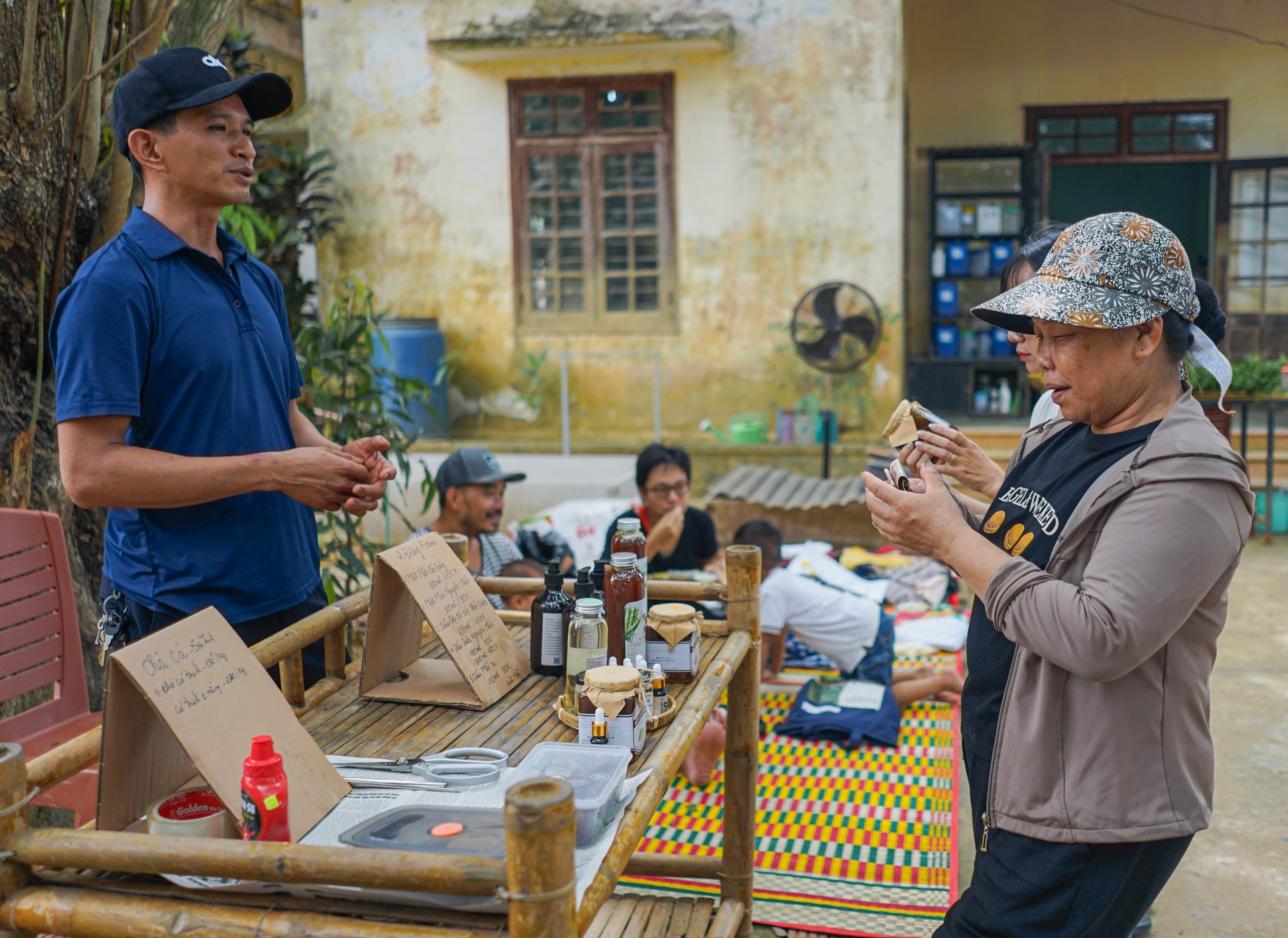
The Community Market for Reducing Waste is held in the grounds of the former Cam Kim Commune People's Committee, under the shady trees, amidst the picturesque setting of the Kim Bong oasis. From 8 a.m., stalls selling agricultural products, handicrafts, and local specialties are bustling with locals and tourists visiting and shopping.
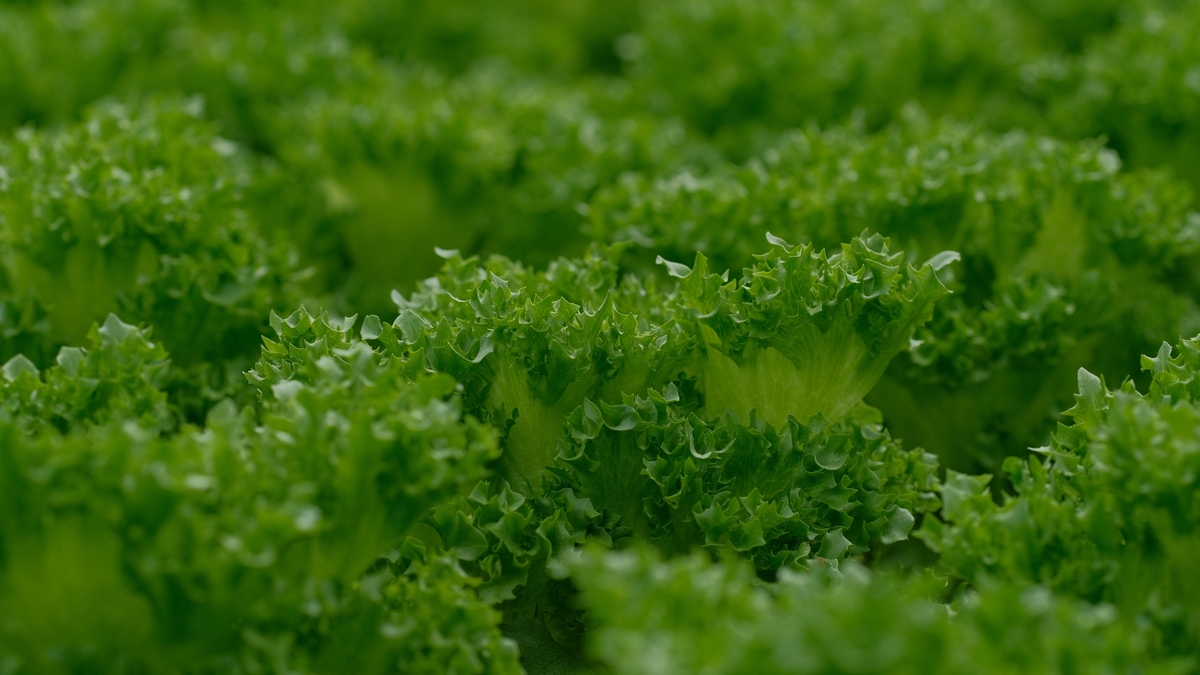
Here, locals, businesses, and tourists can bring their sorted waste to exchange for products made from recycled waste: organic fertilizer, cleaning products, soap made from leftover cooking oil, charcoal from coffee grounds, medicinal plant seeds, and more. At the market, visitors can easily find bunches of fresh, vibrant green vegetables just picked from the garden, simple blocks of brown sugar, jars of molasses, and baskets of traditional rice cakes. Everything is familiar and close to local life, ensuring it is green, clean, and environmentally friendly.
Bringing fruit peels, leaves, and other waste to exchange for gifts, Ms. Nguyen Thi Lieu (Hoi An ward) received support in exchanging waste for biological cleaning solution. She shared that since learning about the Community Market for Waste Reduction, her family has formed the habit of sorting waste at home, no longer mixing household waste together as before.
The Community Zero Waste Market is one of the activities organized by Hoi An Eco Hub - Community Zero Waste Center in the locality recently. Ms. Vu My Hanh, founder and CEO of Hoi An Eco Hub, said that this is a place where consumers can directly meet farmers, small-scale producers, and representatives of sustainable initiatives in the locality.
"Our goal is to reduce packaging, bridge the gap between producers and consumers, support small-scale livelihoods, and create a space for people and tourists to meet, learn, and inspire sustainable living," Ms. Hanh said.

Towards a green, clean, and sustainable Hoi An.
Having lived in Hoi An for many years, Ms. Hanh observes that the local community is always conscious of the environment and willing to sort waste. However, there is a lack of a dedicated, long-term team to support residents in waste management. Meanwhile, the amount of waste, especially organic waste, is increasing from residential areas and businesses.
In this context, Hoi An Eco Hub - Community Zero Waste Center was established as a platform for collaboration between the government, businesses, and the local community and tourists in Hoi An – all participating in the journey of reducing, reusing, and recycling resources. From 2021 to the present, the center has welcomed hundreds of visitors each year to learn, exchange ideas, and experience the "Community Waste Reduction and Recycling" model.
From May 2026, the "Community Waste Reduction and Circularity" model will be piloted by the People's Committee of Hoi An Ward in the former Cam Kim area, specifically in the Phuoc Trung, Trung Ha, and Dong Ha residential areas. Waste collection schedules and procedures are scientifically arranged. Biodegradable waste is collected on Tuesdays and Saturdays, while non-biodegradable waste is collected on Thursdays and Sundays.
Also in May, the People's Committee of Hoi An ward and Hoi An Eco Hub jointly organized a conference to disseminate information on the Environmental Protection Law and the sorting of household waste at source to local residents. People were encouraged to sort waste using the "2 bins, 1 bag" model, with bin 1 for organic, easily biodegradable waste and bin 2 for non-biodegradable waste.
Clean and dry recyclable waste is brought to the Hoi An Eco-Hub for exchange as part of the community waste reduction market. Here, the Hoi An Eco-Hub assists in waste processing for approximately 1,200 households in the Cam Kim area, focusing primarily on organic waste. On average, 400-500 kg of organic waste is processed daily. According to the Hoi An Ward People's Committee, sorting waste at source contributes to reducing landfill waste, increasing recycling and reuse, and moving towards a greener, cleaner, and more sustainable Hoi An.
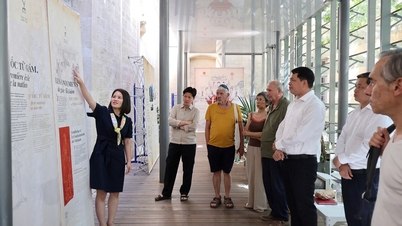
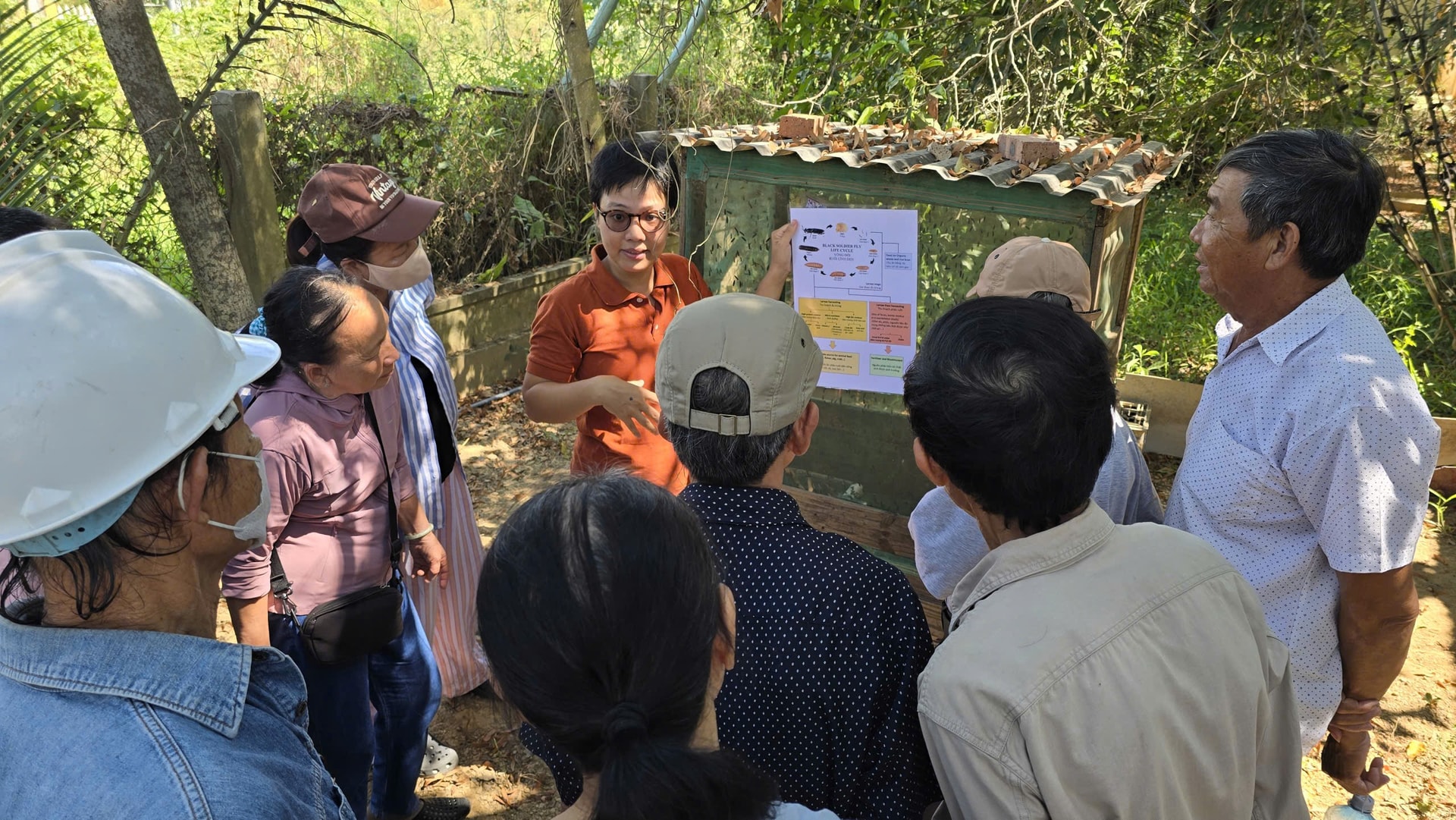
At the Community Market for Waste Reduction, visitors can tour waste treatment areas and learn about the process of transforming organic waste into fertilizer, cleaning solutions, and earthworm farming, under the guidance of Hoi An Eco Hub members.
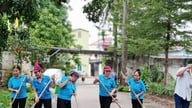
According to Ms. Hanh, the long-term presence of a waste sorting model within the community, along with regular activities involving the collaboration of many stakeholders, is what enables the model to sustain and develop beyond the scope of a single project.
Hoi An Eco Hub's long-term vision is to have more similar waste sorting points implemented in the community. "When everyone participates in reducing waste, sorting, reusing, and recycling resources, the circular economy will truly operate effectively and sustainably," Ms. Hanh shared.
Source: https://baodanang.vn/di-cho-bang-rac-3340424.html
![[Photo] General Secretary and President To Lam receives Palestinian Ambassador Saadi Salama](https://vphoto.vietnam.vn/thumb/1200x675/vietnam/resource/IMAGE/2026/06/25/1782365384740_a1-bnd-9423-8322-jpg.webp)


![[Image] Ho Chi Minh City: Ma Lang area, Chicken-Rice Market about to change its appearance](https://vphoto.vietnam.vn/thumb/1200x675/vietnam/resource/IMAGE/2026/06/25/1782377698627_ndo_br_m1-jpg.webp)

![[Image] Schools organize meetings and introduce teaching models to students admitted to grade 10.](https://vphoto.vietnam.vn/thumb/1200x675/vietnam/resource/IMAGE/2026/06/25/1782368077271_ndo_br_z7970052192242-1ec8daeb77a6eed1a4e9f58c564ddd3e-jpg.webp)