

The irresistible allure of the food carts outside the school gate.
As soon as the school bell rang, students rushed out of the gate of a junior high school in Hanoi , surrounding the street vendors selling snacks. Right in front of the school gate, there were already three food carts overflowing with fried fish balls, chicken patties, and soft drinks, each packed with students amidst the smoke, dust, and honking of cars.
The entire street in front of the school gate is filled with the delicious aroma of food around 5 PM. Some students eat on the spot, while others buy food to take home, enjoying it on the bus while waiting for their parents to pick them up, as a kind of afternoon snack.
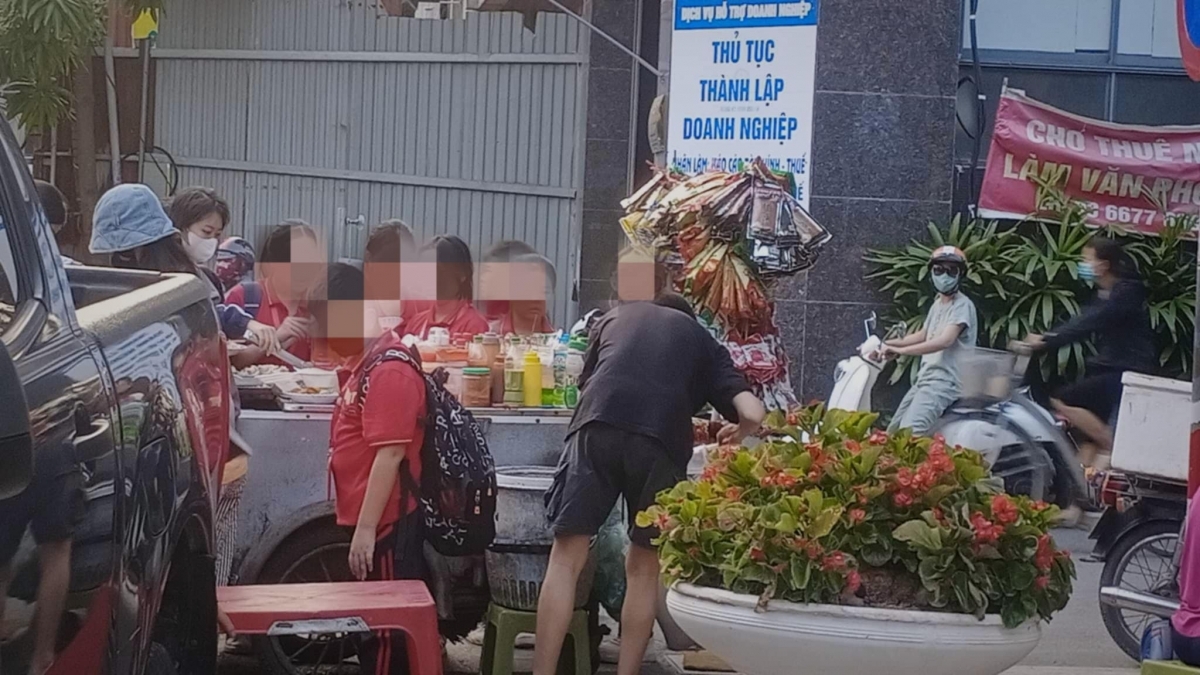
This situation is not unique to this location; most areas surrounding schools in Hanoi are experiencing similar problems. At 4:30 PM, in front of the gate of the University of Science – Vietnam National University, Hanoi, food carts selling "dirty skewers" also attracted a large crowd of students.
"Snacks sold outside the school gate are very cheap, yet delicious and diverse. After school, we're usually very hungry, so these street vendors right outside the school gate are like a lifesaver," shared NVT, an 11th-grade student.
Meanwhile, TPA, a 12th-grade student, believes that "Snacks bought at the school gate taste better than those at home, probably because we eat them with friends."
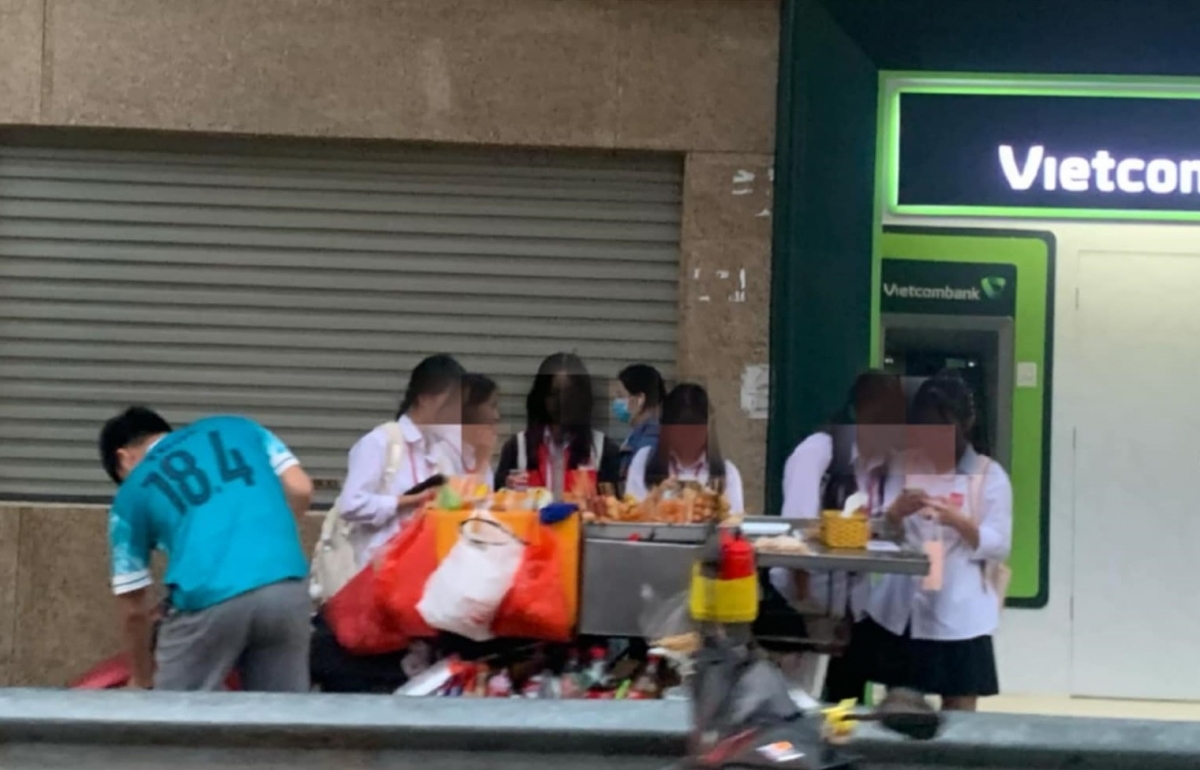
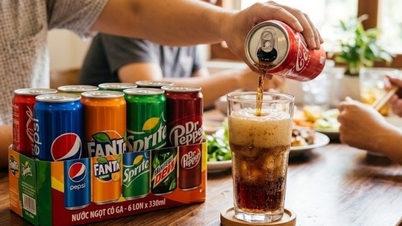
Fried foods, freshly prepared snacks, or pre-packaged dried goods range in price from only 2,000 to 10,000 VND, very affordable for students. Small skewers cost 2,000 VND, while larger ones cost 8,000-10,000 VND. Soft drinks are also only about 10,000 VND per cup, and pre-packaged products cost only 2,000-5,000 VND. The low price is one of the reasons why snacks sold near school gates are so attractive to students, even though no one can guarantee food safety and hygiene.
When asked about the origin and quality of these food items, the street vendors only vaguely replied that these items were popular with students because they were affordable, so they imported them to sell, and "everyone eats them all the time and nobody seems to get sick."
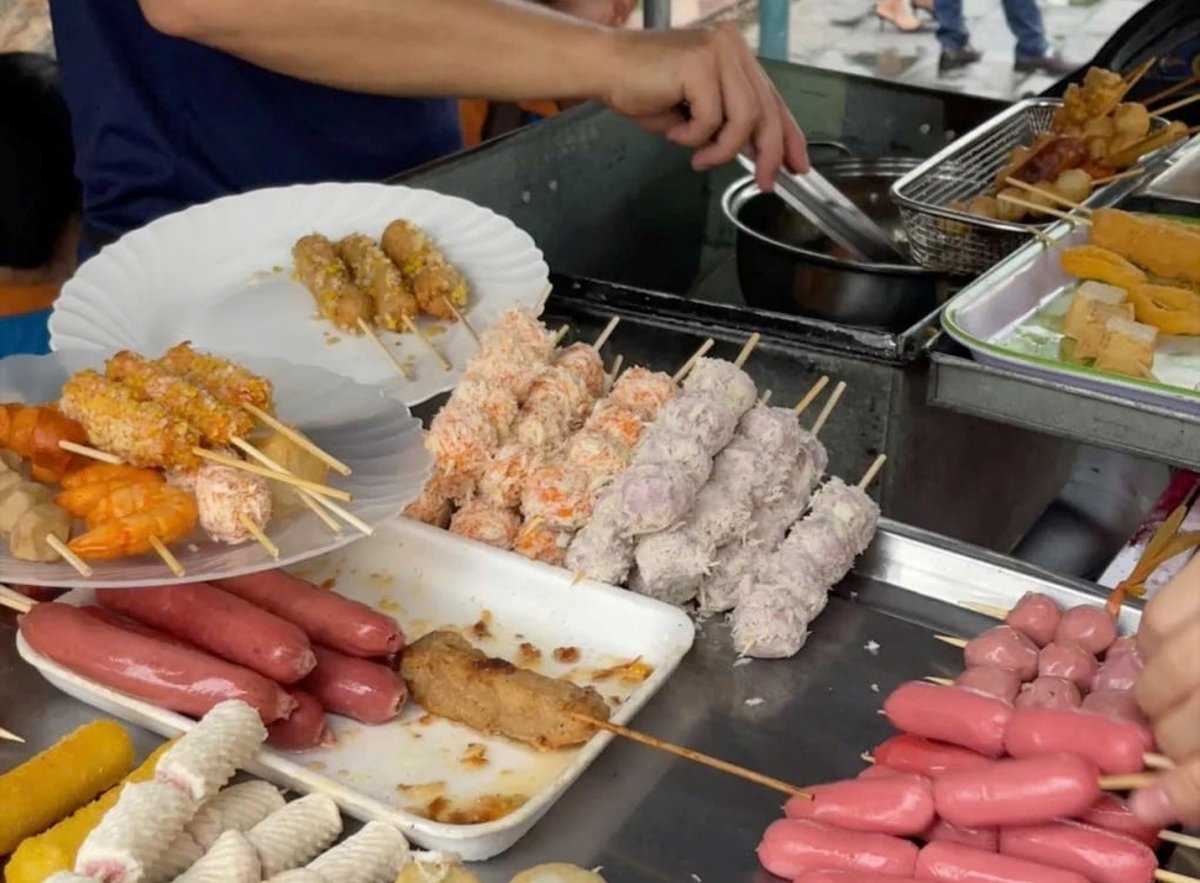
Skewers are piled high on stainless steel plates without any covering, directly exposed to dust and dirt, especially in high-traffic areas like school gates. Cooking oil is reused multiple times for different foods. Vendors use their bare hands to prepare the food quickly, from selecting ingredients to serving, all within a few minutes, perfectly meeting the fast-paced eating needs of students.
In addition, many young diners choose to buy pre-made fried foods that have long been coated with layers of dirt and grime.
Ms. Thu, a parent of a student at Nguyen Huy Tuong Secondary School, shared: "I am very worried because I cannot control whether my child buys snacks outside or not. I myself don't give my child money to buy snacks, but it's possible that they eat them with friends, and this worries me a lot."
Risks from food sold at school gates.
According to nutritionist Nguyen Trang Nhung, a staff member of the National Institute of Nutrition, the use of food of unknown origin and improper storage poses many risks to children's health, especially gastrointestinal diseases such as food poisoning and diarrhea.
Furthermore, street vendors often prepare food on the spot, under unsanitary conditions, creating a favorable environment for pathogenic bacteria such as Salmonella, E. coli, Campylobacter, and viruses like Norovirus to thrive, leading to serious infectious diseases. In the long term, unhygienic food can also cause dangerous chronic diseases such as cardiovascular, liver, and kidney problems.
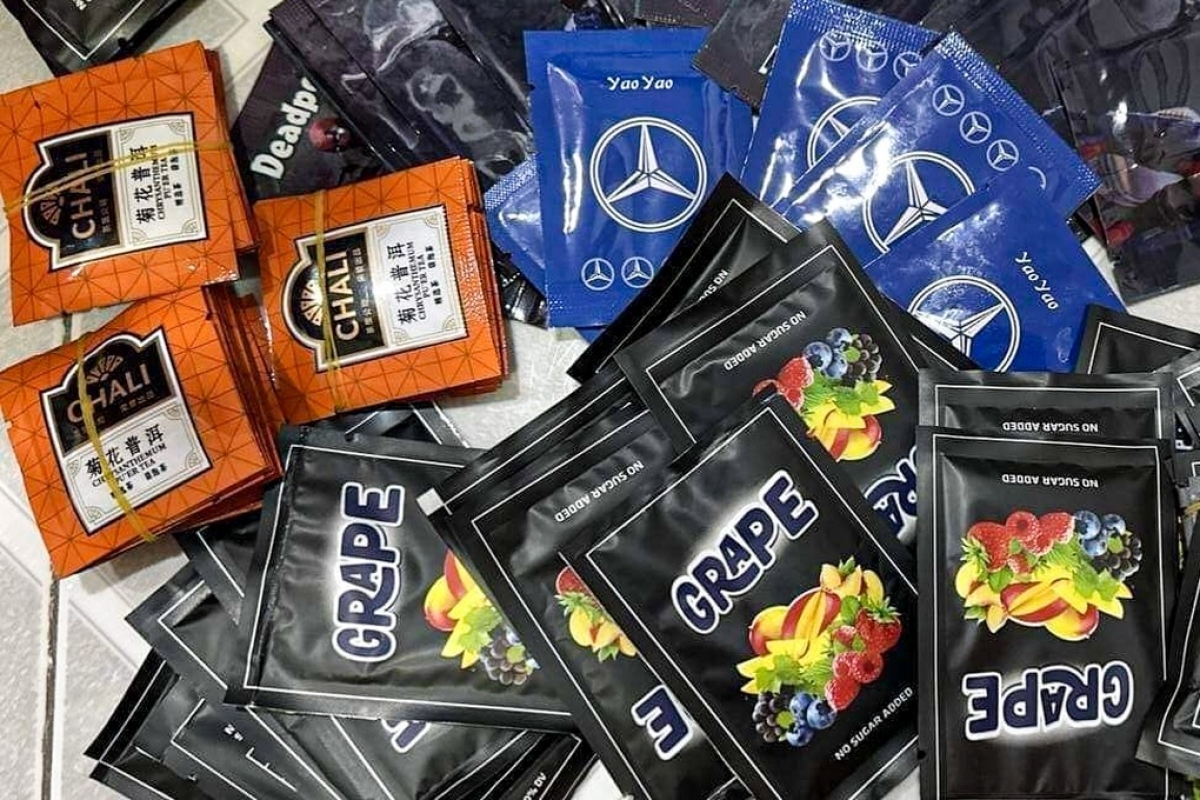
Even more alarming is that drugs are increasingly being disguised in sophisticated ways, such as in appealing food items like candy, soft drinks, and cakes, to reach young people. Even a single accidental use can have devastating consequences. Therefore, according to Ms. Nguyen Thi Trang Nhung, families and schools must be extremely vigilant.
Food safety in schools is a pressing issue requiring the involvement and close coordination of relevant authorities, schools, and local communities. Increased inspections, monitoring, and strict penalties for violations are necessary. Simultaneously, stricter management of food supplies is needed, and unsanitary food vendors around schools should be immediately eliminated to minimize the risk of food poisoning.
Source: https://vov.vn/xa-hoi/do-an-vat-cong-truong-tiem-an-nguy-co-mat-an-toan-post1131033.vov















































































Comment (0)