

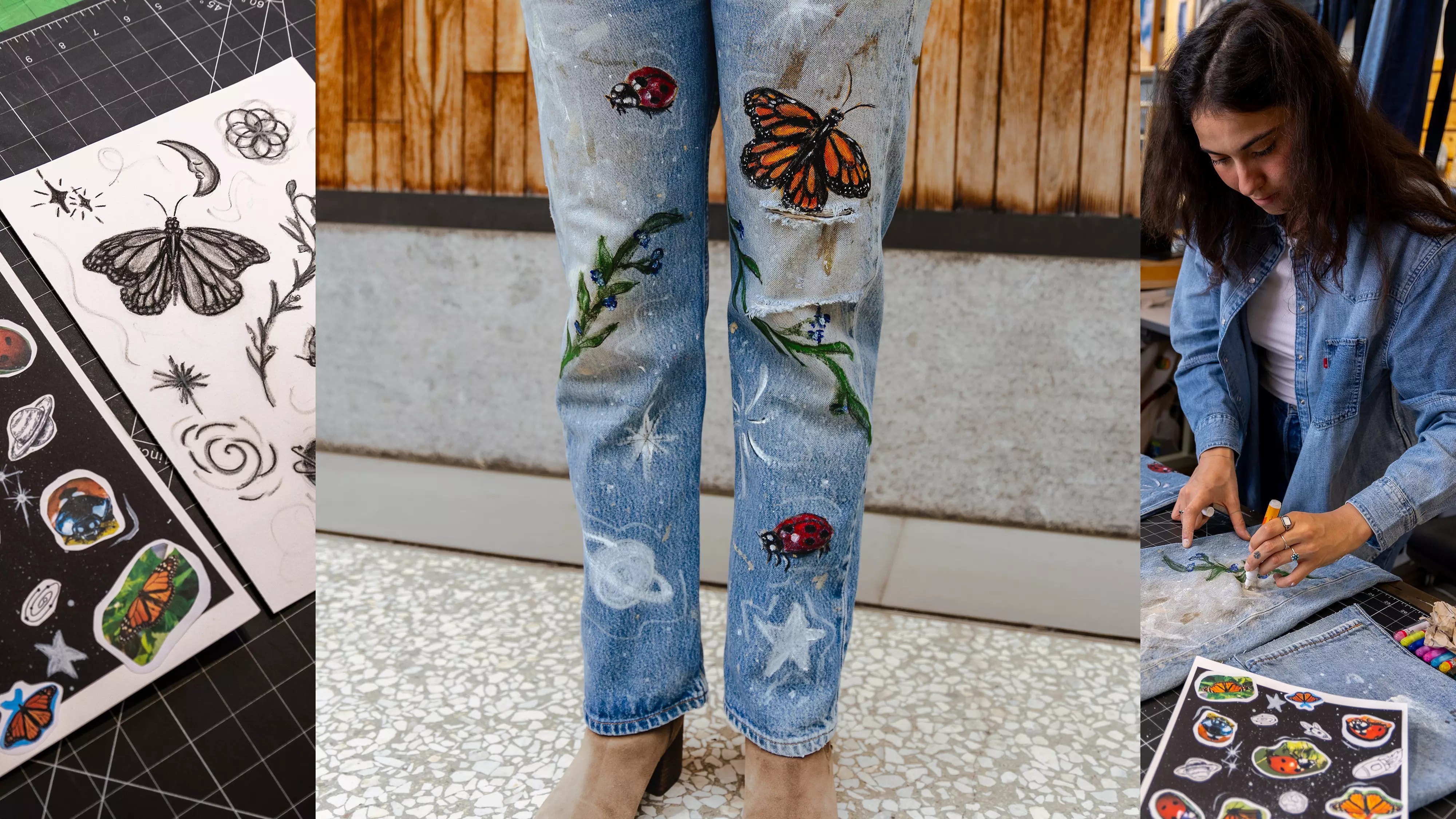
In Singapore's bustling Orchard shopping district, a customer walked into a Levi's store wearing a pair of jeans with frayed hems. He wasn't looking for a new style, nor was he asking for a discount; instead, he handed the old pair to the staff with a single request: to have them altered so he could wear them again.
This image is becoming increasingly familiar in the global fashion industry, where more and more brands are not only selling new products but also making money and retaining customers by extending the lifespan of items already sold.
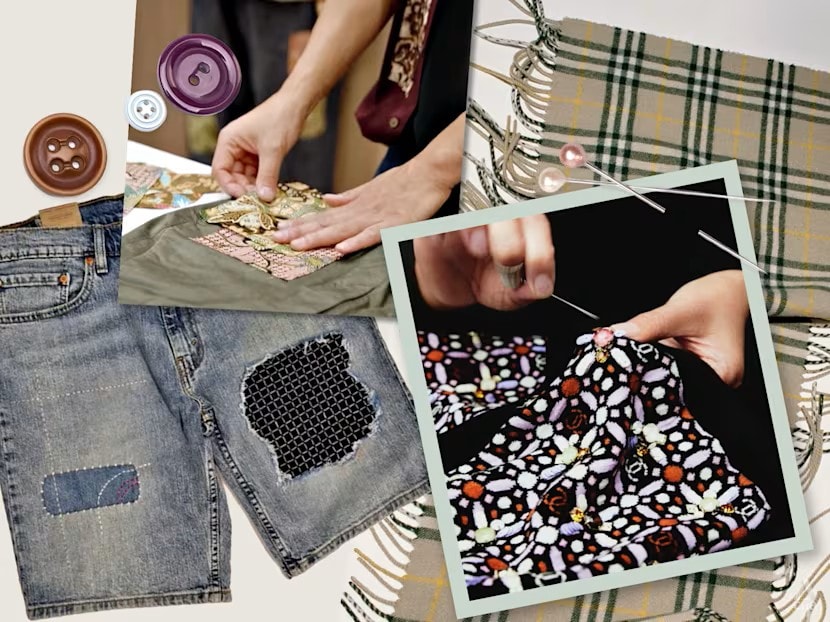
From Hermès, Louis Vuitton, and Burberry to Uniqlo and Levi's, product repair, restoration, and upgrade services are becoming a new part of after-sales strategies. Old bags have their straps replaced and leather refinished, jackets have their fabrics refreshed, old woolen scarves are sewn together into new designs, and ripped jeans can be patched or reshaped right in the store.
At first glance, this seems like a way to please customers. But behind it lies a much more shrewd business strategy.
For years, the fashion industry operated on a familiar formula: sell as many new items as possible. Now, that formula is changing as environmental pressures, rising raw material costs, and a more cautious consumer mindset force brands to find ways to retain customers longer instead of simply pushing them to buy more.
Having an item repaired means the customer returns to the store, continues interacting with the brand, and is reminded that the product they own still has value. This is an opportunity for the brand to reinforce trust in quality, increase loyalty, and even open up the possibility of upselling new services or products.
In other words, the fashion industry is learning how to make money not just from the first sale, but from the entire lifecycle of an item.
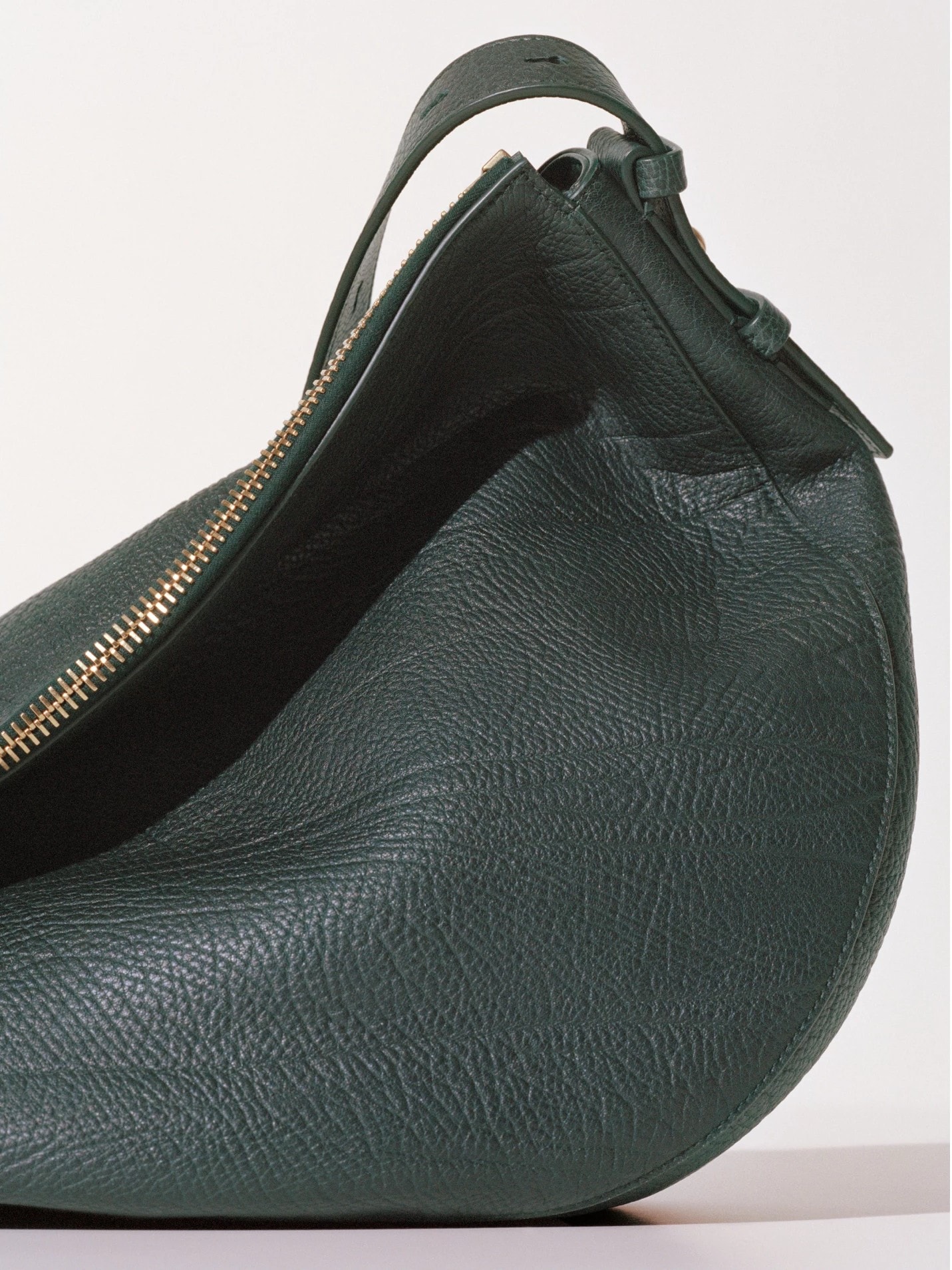
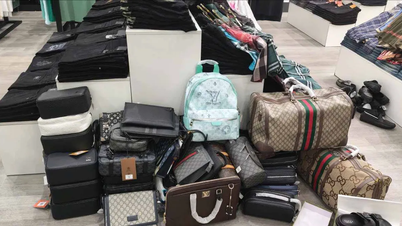
In the luxury segment, this strategy is even more pronounced. Brands like Hermès and Louis Vuitton have long maintained specialized workshops for restoring handcrafted leather goods, with repair times that can last for months. Sending a bag to Paris for strap replacement, leather refurbishment, or stitching adjustments is not simply a technical service, but an affirmation that the item is valuable enough to be cared for like an asset.
When customers believe the bag can last for decades, the price tag of thousands of dollars becomes much more acceptable.
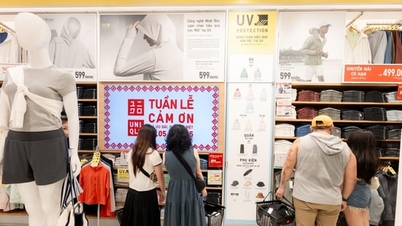
In the mainstream market, this strategy is implemented in a more flexible way. Levi's offers jeans repair and customization services for just a few dollars. Uniqlo opens Re.Uniqlo Studios where customers can get minor repairs, button replacements, or basic alterations done right in the store. Burberry goes even further with a program to upgrade old scarves into new ones.
The common thread among them all is transforming the store from a place of sale into a place for caring for customers' fashion assets.
This is especially important in a context where consumers are becoming increasingly cautious about impulsive shopping. After years of chasing fast fashion, many customers are beginning to question whether the items they buy are truly worth the money and how long they will last. Repair services help brands provide a compelling answer: the item doesn't end its value after payment.
According to the Ellen MacArthur Foundation, extending the lifespan of clothing through repair, reuse, and recycling is one of the key approaches to reducing pressure on resources and cutting fashion waste. But for brands, the benefits go beyond simply conveying a sustainability message. It's also a way to enhance their image of social responsibility while strengthening long-term consumer relationships.
That's why more and more brands are promoting the slogan: the most sustainable item is the one you already own.
Behind that seemingly environmentally conscious statement lies a very practical business logic. When customers believe that their shirt, bag, or pants can be cared for, repaired, and used for many years, they are more likely to be willing to spend more money on that brand from the start.
Source: https://hanoimoi.vn/do-cu-dang-thanh-mo-doanh-thu-moi-cua-nganh-thoi-trang-748471.html
































































































Comment (0)