This is also a fundamental and important aspect in ensuring human rights, and is reflected in Vietnam's policies and guidelines on belief and religion during the process of national construction and development, which are codified and implemented throughout society.
Immediately after national independence, at the first meeting of the Provisional Government on September 3, 1945, President Ho Chi Minh emphasized the declaration of "freedom of belief and unity between religions." At the same time, President Ho Chi Minh laid down three specific principles for implementing religious policy: taking national interests as the common denominator; not infringing upon the beliefs of religions in general and of individual religions in particular; and respecting the people's right to freedom of belief and religion, as well as their freedom from belief and religion.
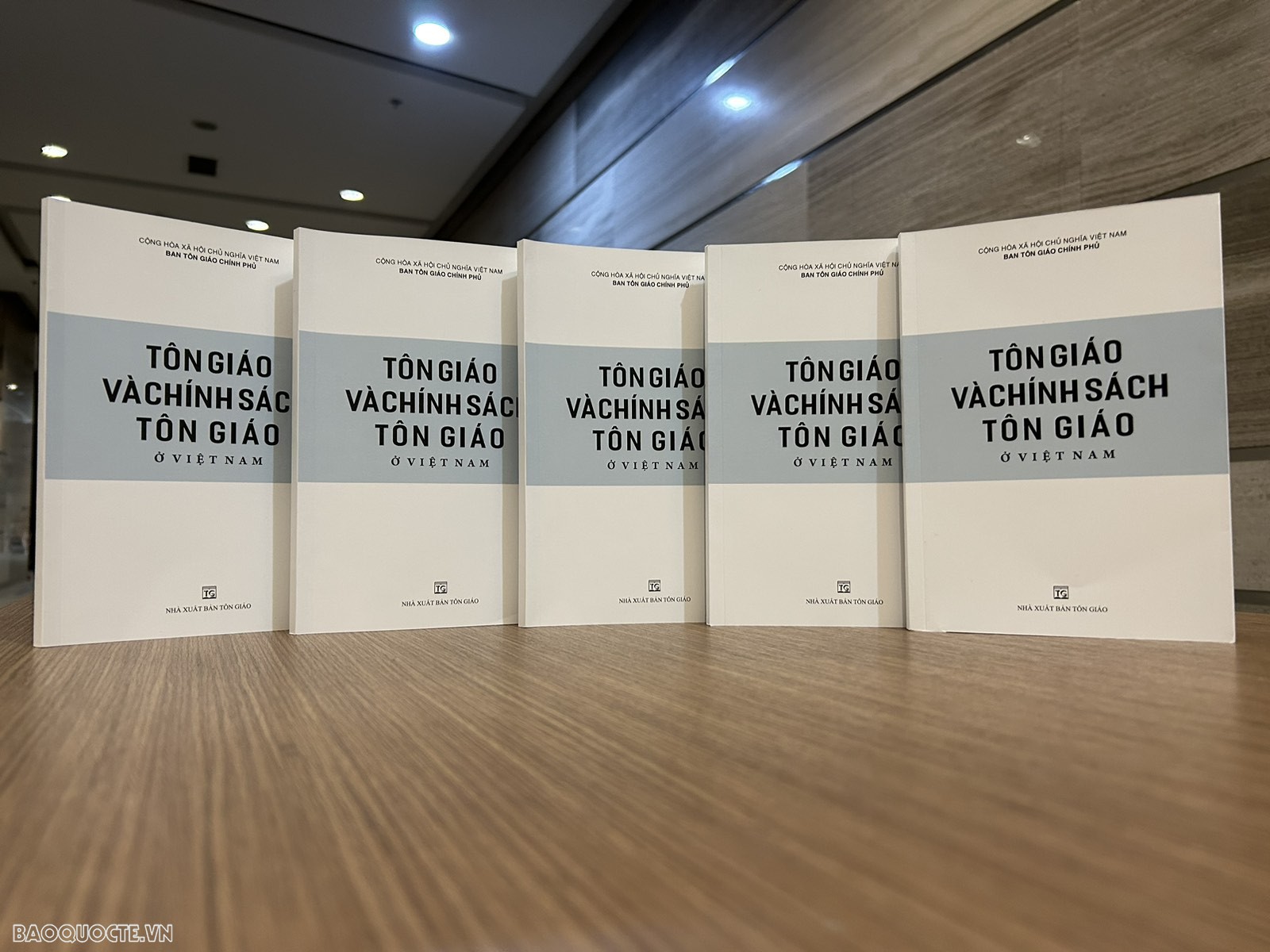 |
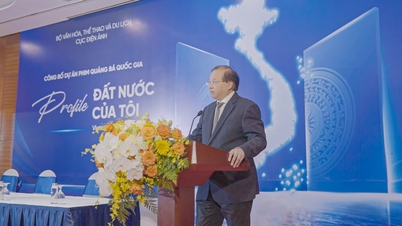
| The Ministry of Information and Communications and the Government's Religious Affairs Committee have launched the White Paper "Religion and Religious Policy in Vietnam" to help readers both domestically and internationally understand religious policy and religious life in our country more clearly and comprehensively. (Photo: Vinh Ha) |
President Ho Chi Minh's ideology of religious unity has been inherited, developed, and institutionalized by the Party and State through each period, with each subsequent stage being better than the previous one in both content and legal value. From Resolution No. 24/NQ-TW dated October 16, 1990, of the Politburo , Article 70 of the 1992 Constitution, Article 24 of the 2013 Constitution, to the Law on Beliefs and Religions promulgated on November 18, 2016…


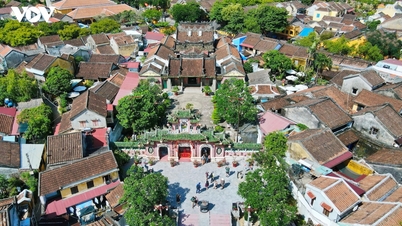
Thanks to the creation of important legal frameworks to guarantee the rights of organizations and individuals in religious activities, Vietnam has become a country with diverse beliefs and religions. It is estimated that about 95% of the Vietnamese population has religious beliefs.
Vietnam currently has 40 organizations belonging to 16 religions that are recognized and registered by the State. The total number of religious followers is approximately 26.5 million, accounting for 27% of the population; there are over 54,000 religious leaders; over 135,000 religious officials; over 29,000 places of worship; and thousands of registered religious activity centers and groups. These state-recognized and registered religious organizations build and implement a religious practice that is deeply humane and responsible to the country.
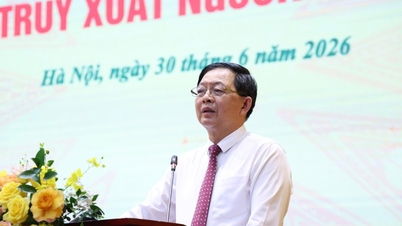
According to Dr. Vu Chien Thang, Deputy Minister of the Ministry of Interior, Vietnam's achievements in ensuring freedom of belief and religion have promoted and created momentum for religious leaders, officials, monks, and followers of religious organizations to build and implement a path of religious practice that is closely aligned with the nation. This has established a close relationship between the state and religious organizations, fostered mutual understanding and trust between officials at all levels and religious leaders, officials, and monks, and created consensus in the implementation of religious and social policies.
Over the years, religions have increased in both number and scale of activity, both domestically and internationally. The vast majority of religious leaders and followers trust in the Party's leadership, support the country's reform process, and make important contributions to the nation's construction and development.



This is vivid evidence that all of Vietnam's achievements in national reform are always linked to ensuring human rights, including the right to freedom of belief and religion.
Source



![[Photo] Strengthening character and expertise: Intense training for artillery soldiers.](https://vphoto.vietnam.vn/thumb/1200x675/vietnam/resource/IMAGE/2026/06/30/1782815602541_lu-368-1875-4571-jpg.webp)