TPO - Every year on the 8th day of the Lunar New Year, hundreds of people from Thi Cam village (Xuan Phuong, Nam Tu Liem, Hanoi ) and visitors from all over gather at the village communal house to participate in the traditional fire-making and rice-cooking competition.
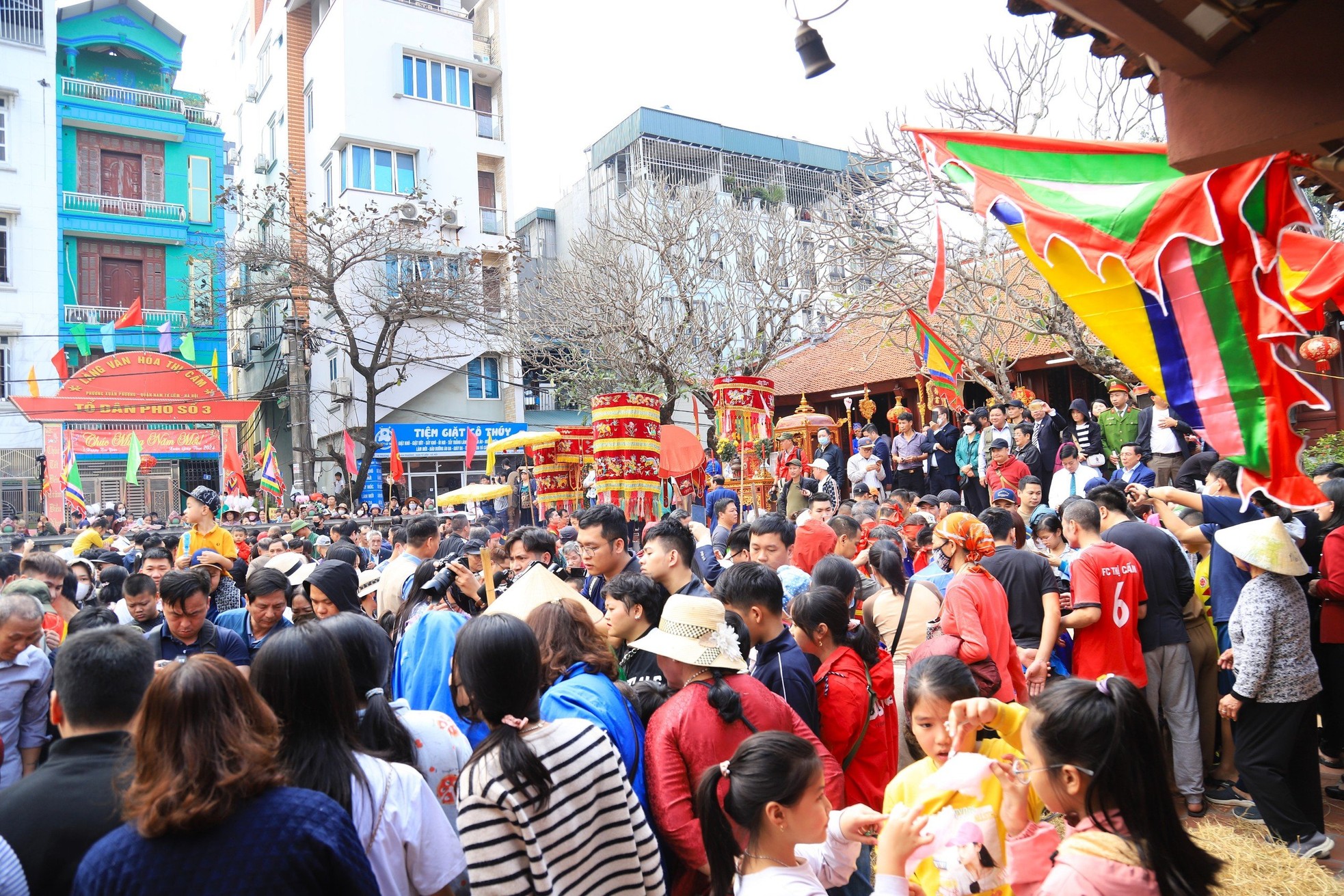 |
From early morning on the 8th day of the first lunar month, the people of Thi Cam village gathered at the village communal house to prepare for the traditional rice-cooking competition. |
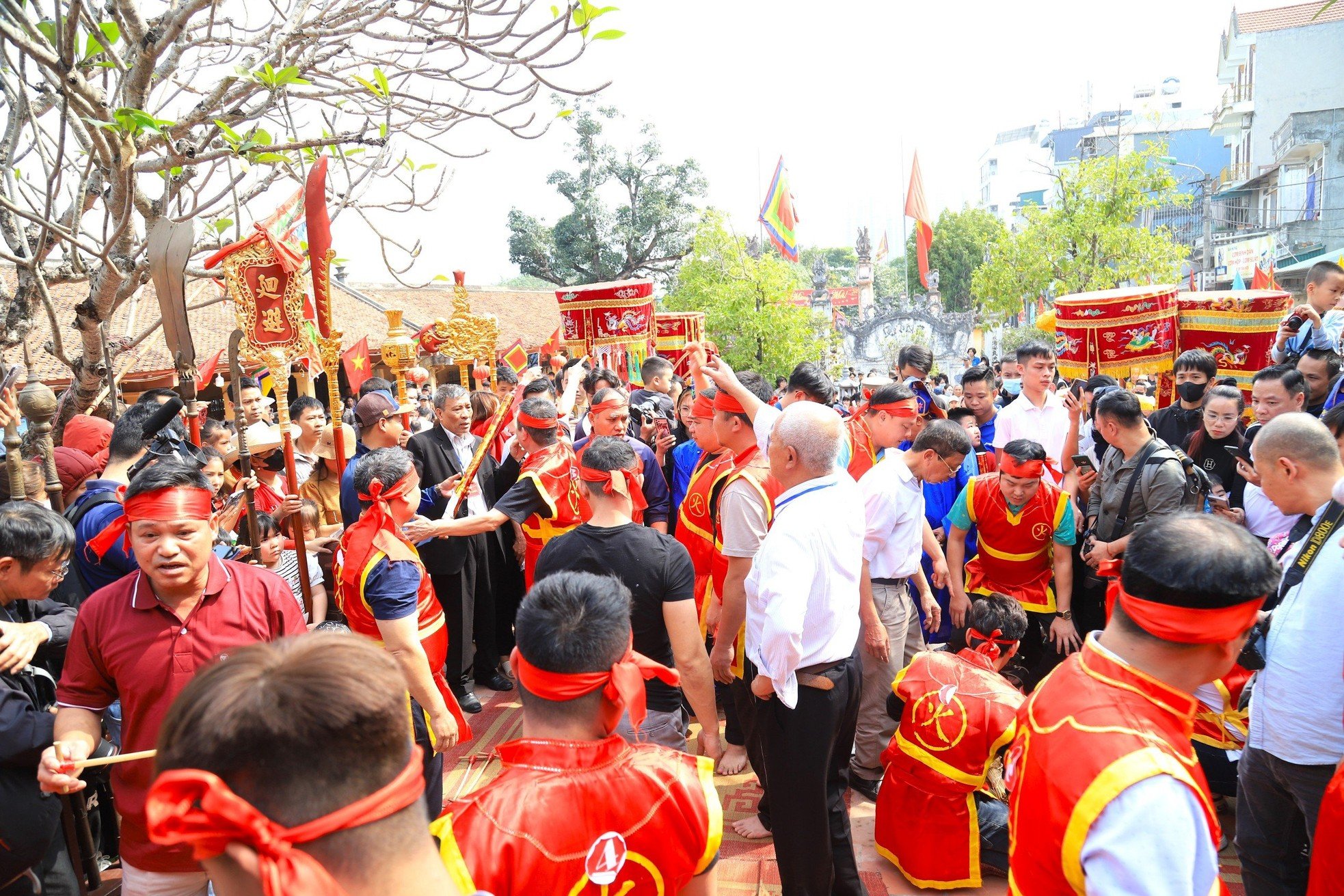 |
According to the village elders, the rice-cooking competition is held annually to commemorate the merits of the village's patron deity, General Phan Tay Nhac. Legend says he was a general during the reign of the 18th Hung King. While stationed in Thi Cam village, he organized a rice-cooking competition to select skilled cooks and logistics personnel to serve the soldiers. |
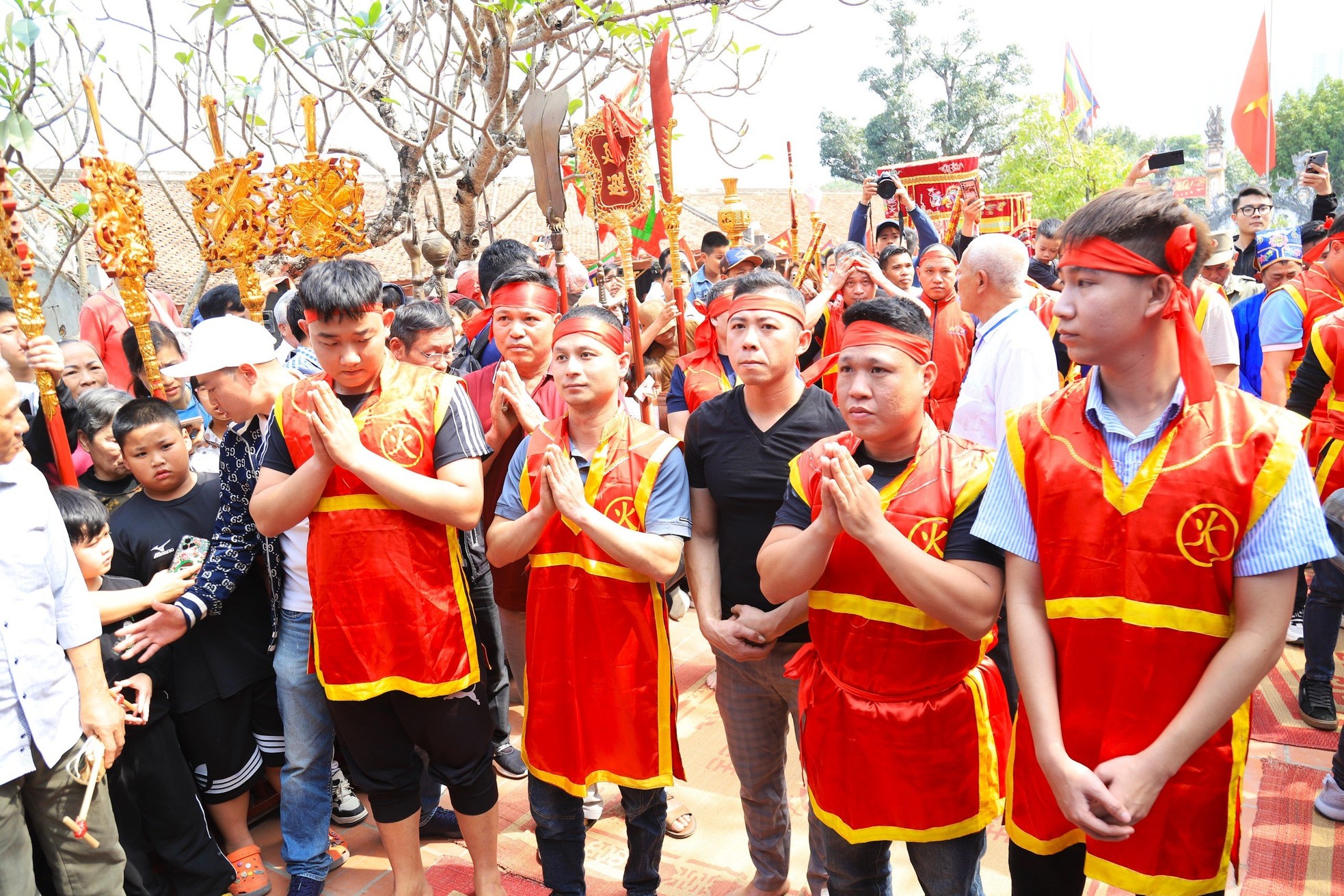 |
Each year, the competition will feature four participating teams, corresponding to the four zodiac signs. |
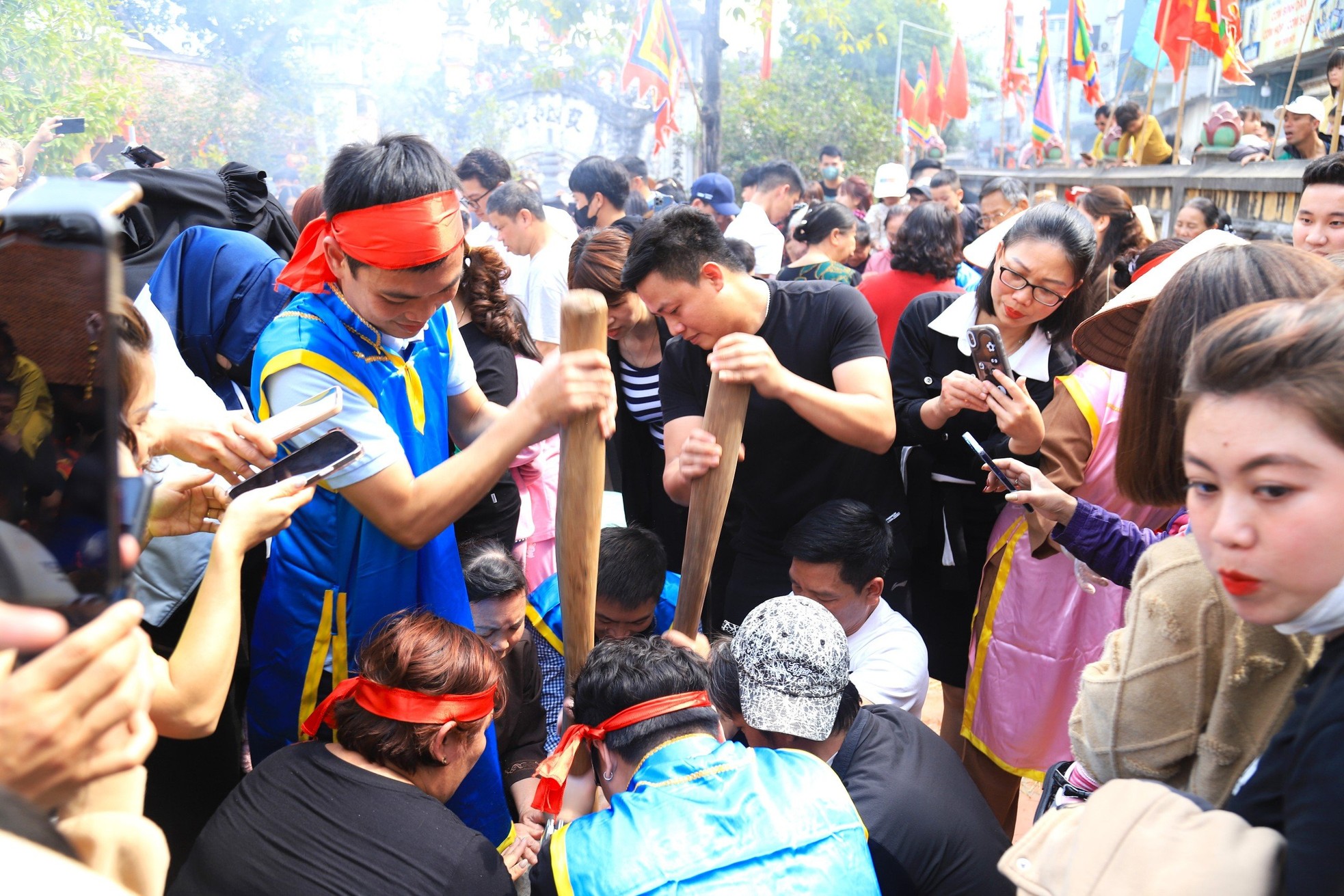 |
Those at home divided up the tasks of preparing to light the fire and cook the rice. |
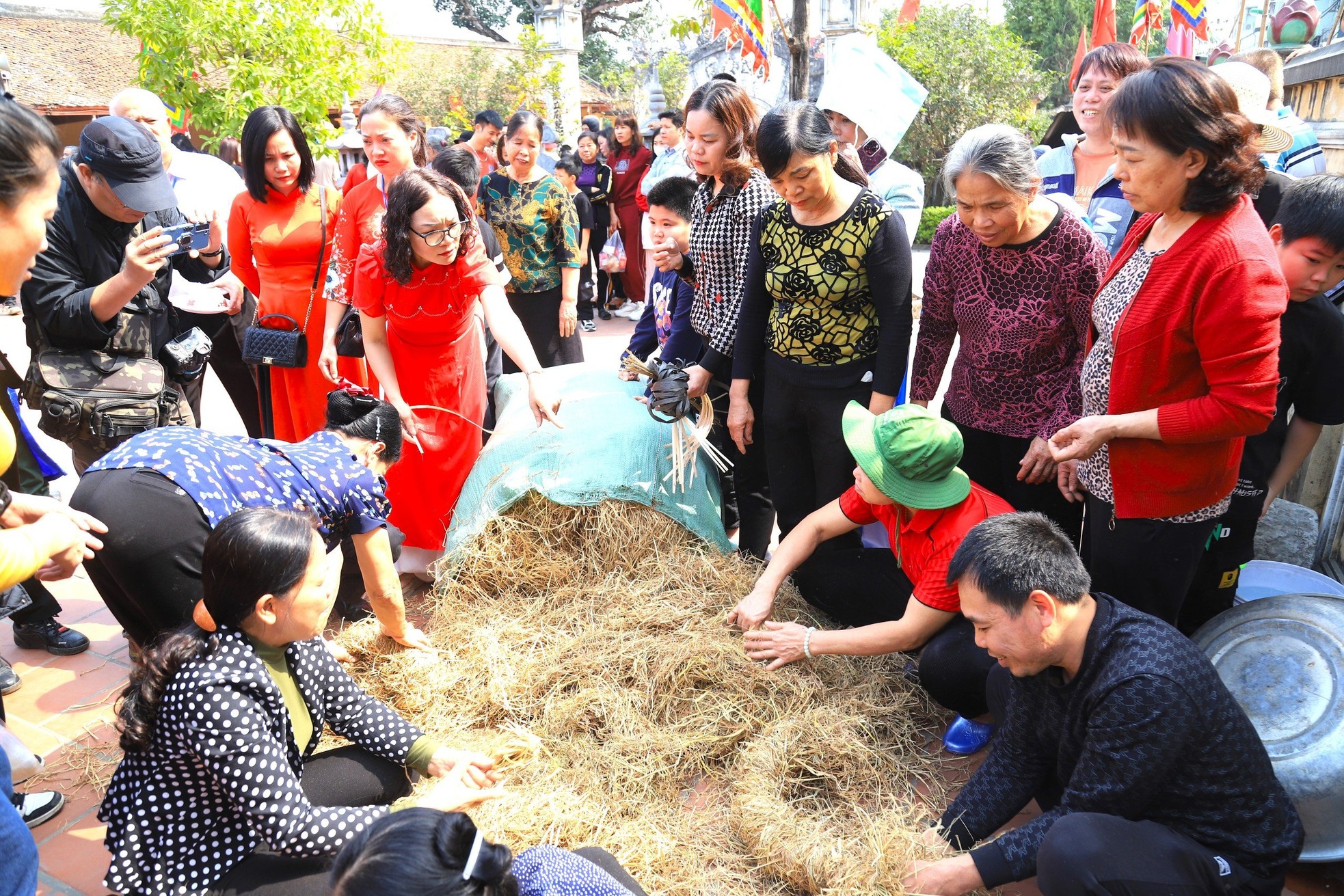 |
Dry straw was prepared and distributed to each team by the organizers. |
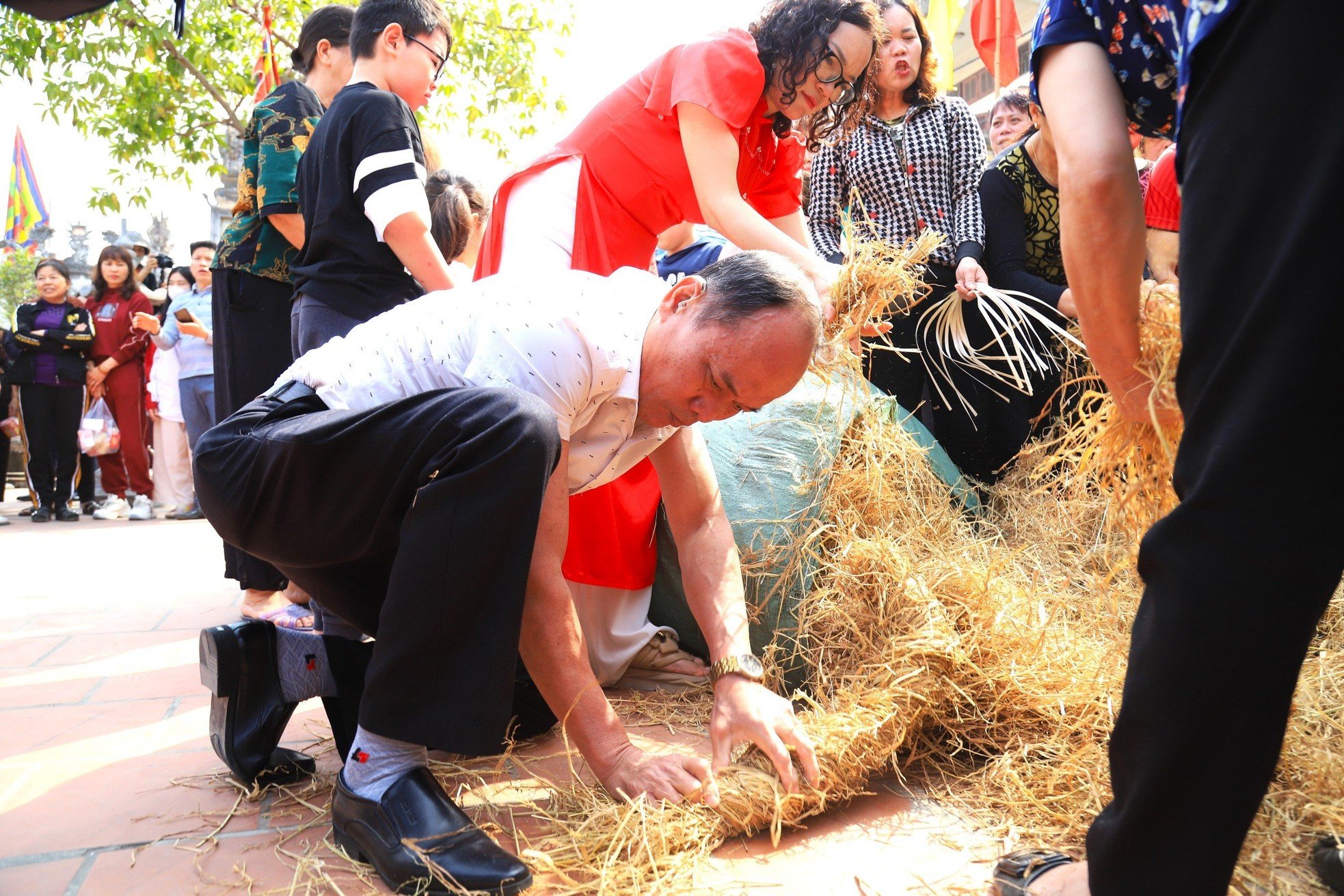 |
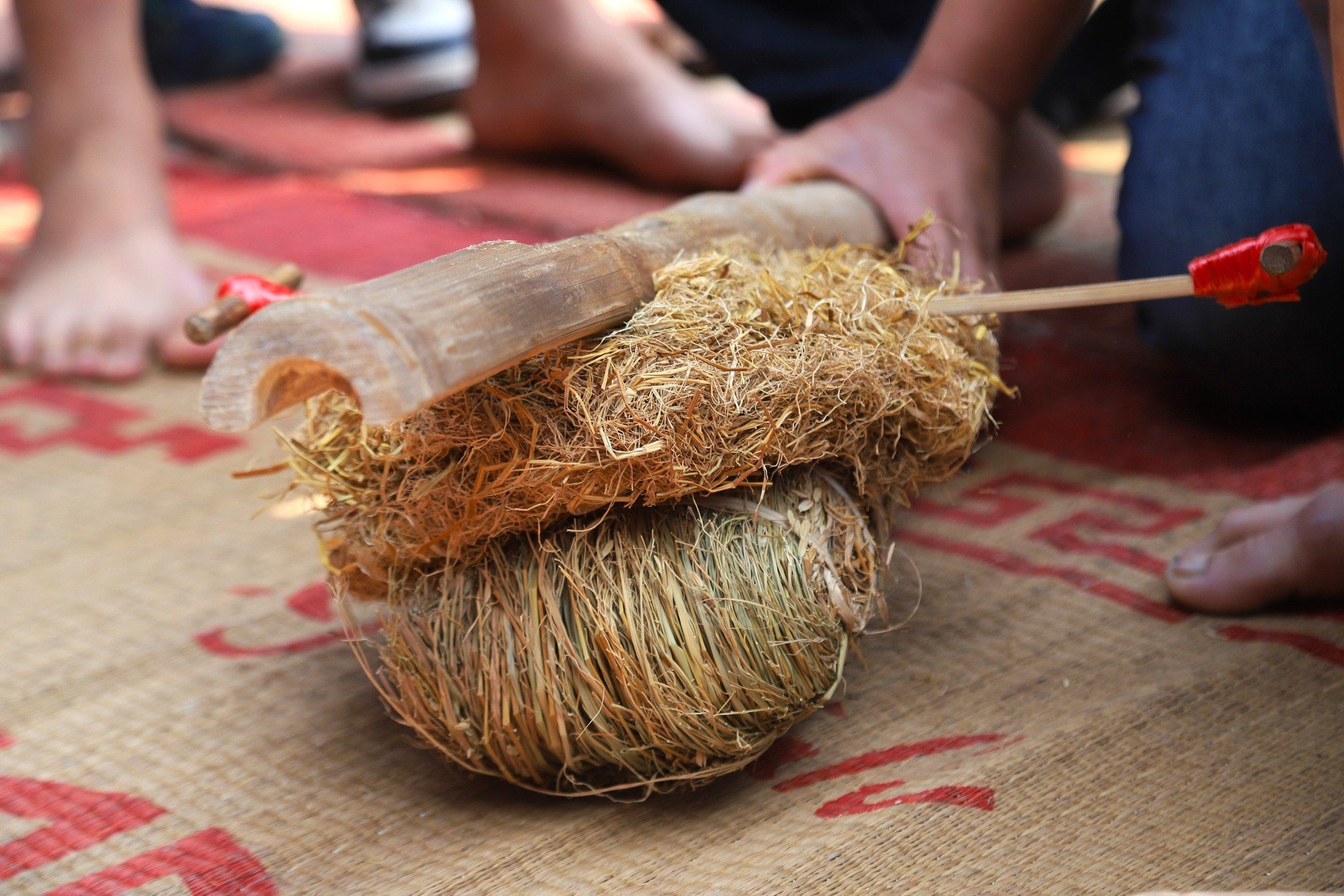
Members of the team will be assigned to braid straw. Dry straw is braided into a circular shape to cushion the rice pounding mortar and prevent rice from splashing out. |

 |
The rice-cooking competition consists of three main parts: fire-making, a water-fetching race, and rice cooking. The water-fetching race is undertaken by teenagers aged 12-14. Starting from the village communal house, contestants must run approximately 1km eastward to reach the water source. To ensure the water is safe, the organizers have prepared boiled water. |
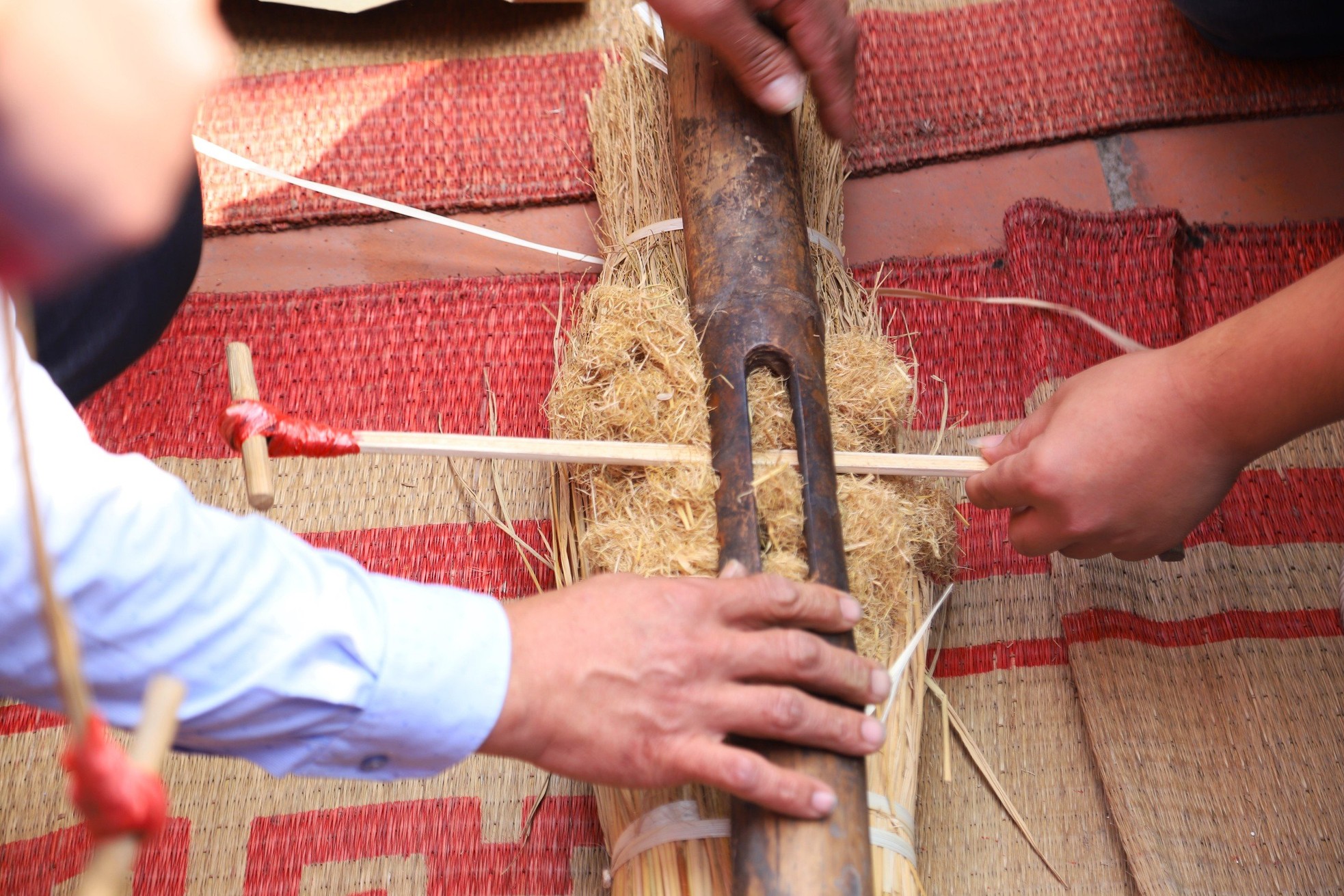 |
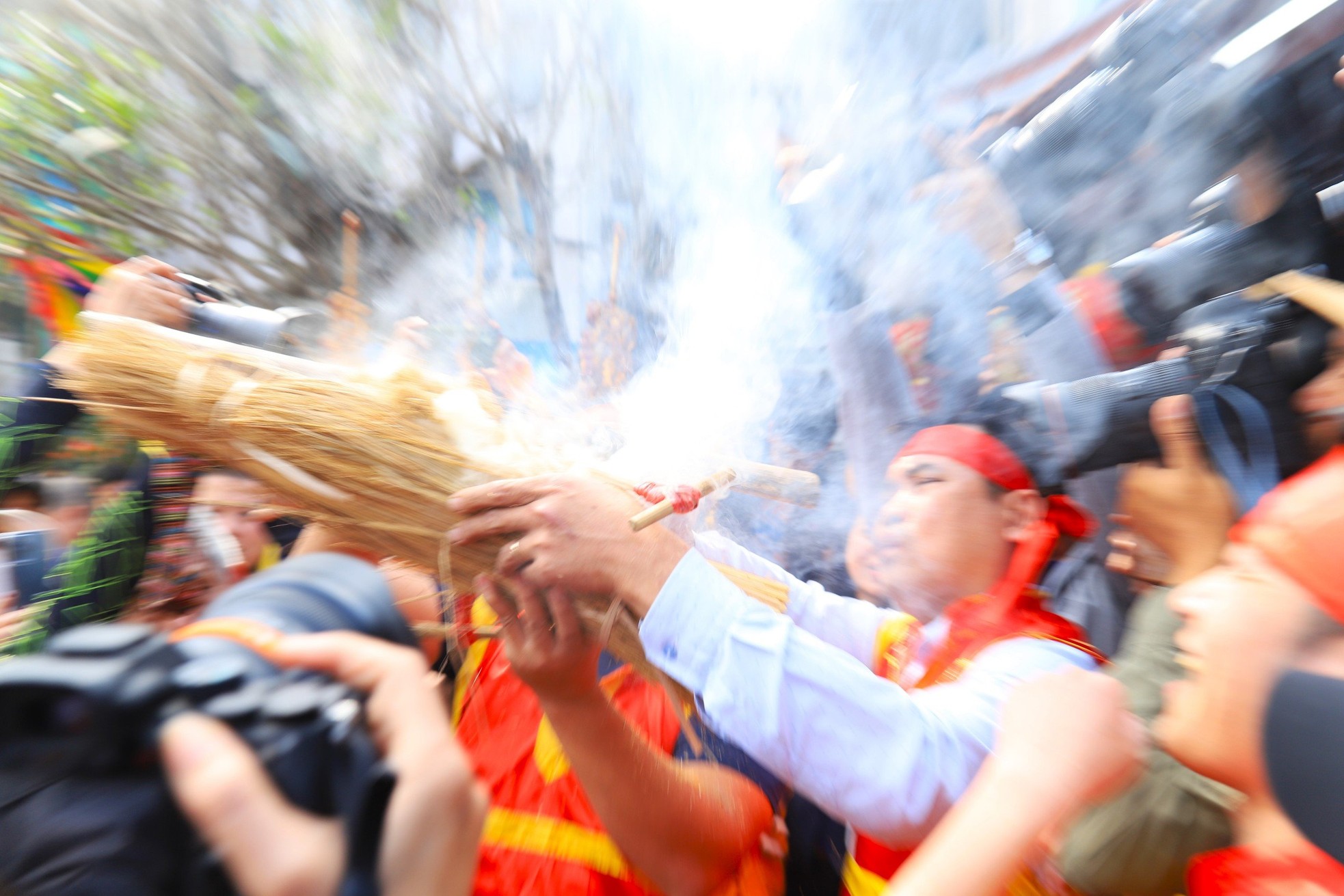
To create a fire, the teams take two bamboo sticks, clamp tinder between them, and use a bamboo stick to hold them together, securing both ends. Two people then pull continuously until the bamboo stick heats up due to friction, creating smoke and igniting a fire. |
 |
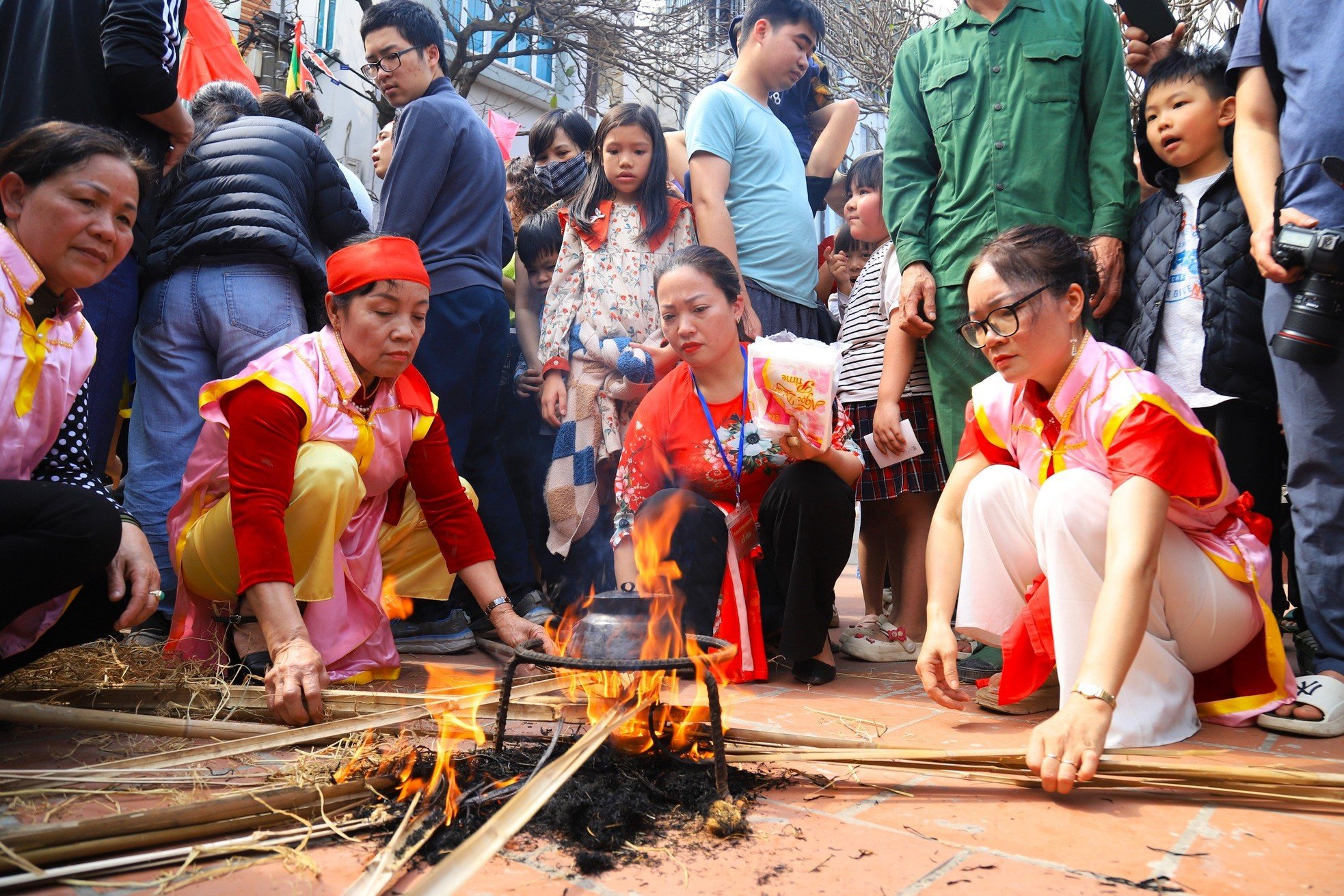 |
Once the fire is lit, the water that is brought in is boiled before adding the rice. |
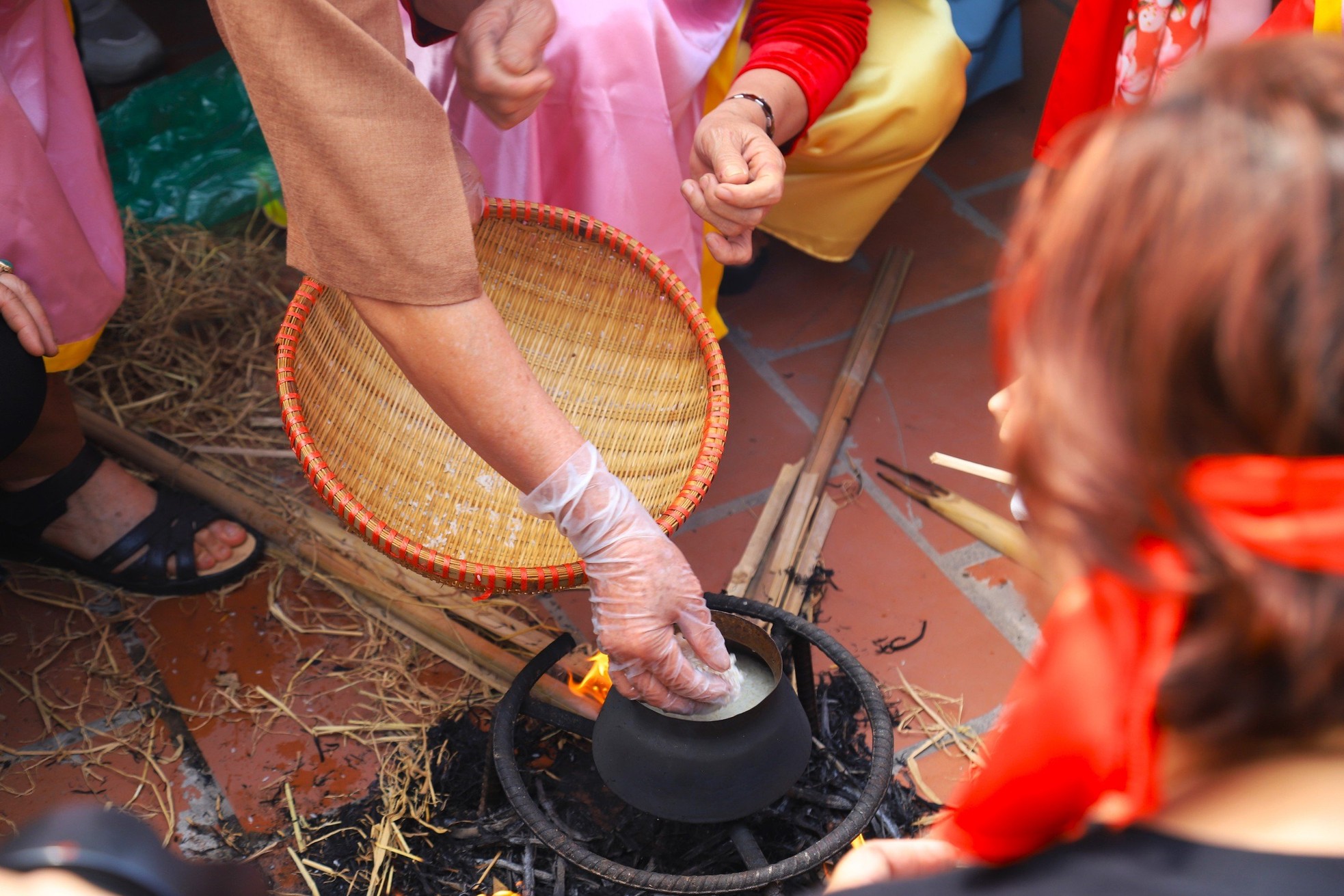 |
After the rice has been sifted and washed, it is put into the pot while waiting for the water to boil. |
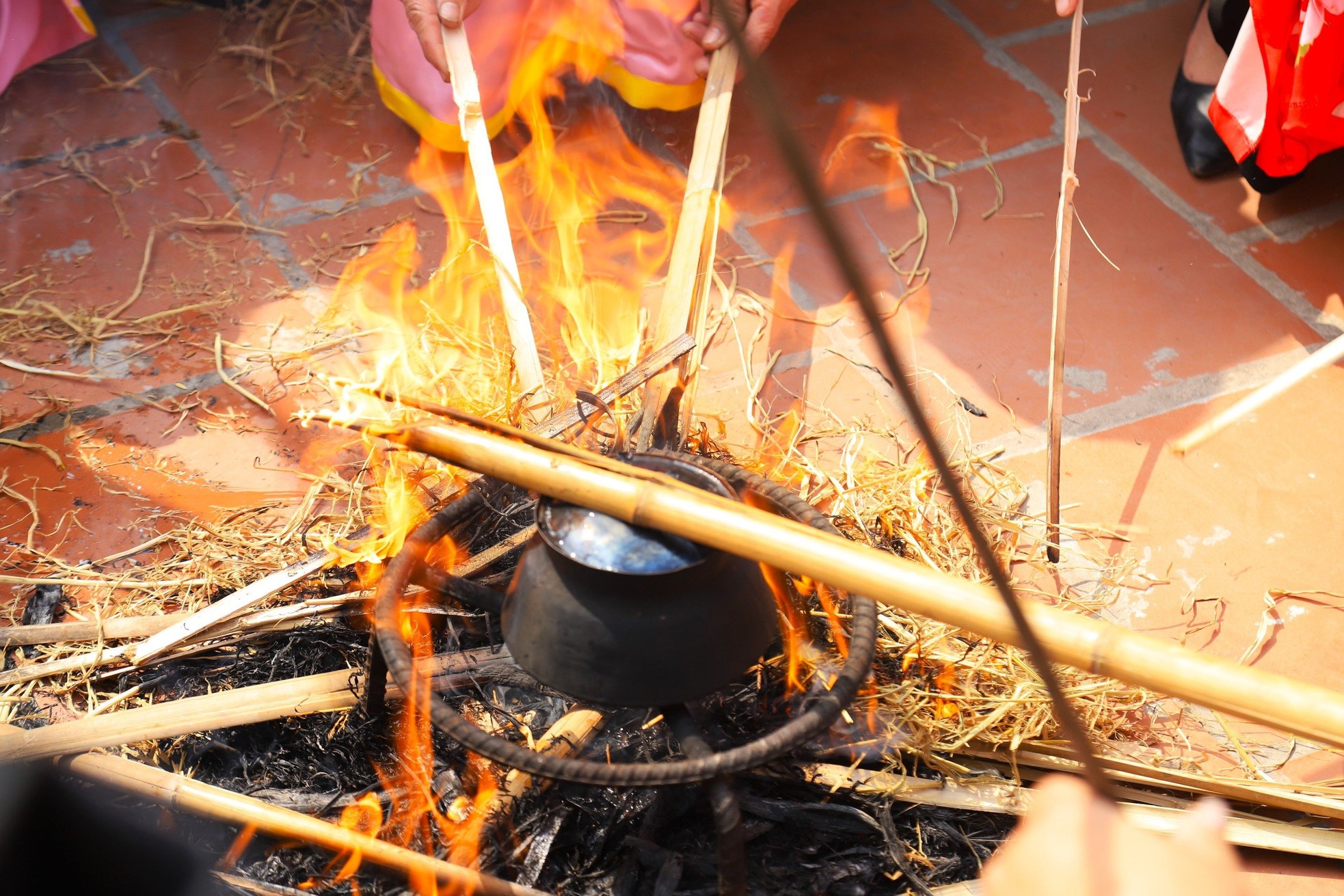 |
Cooking rice using tinder and firewood in small pots requires a great deal of experience from the cook, so most of the participants are elderly people. |
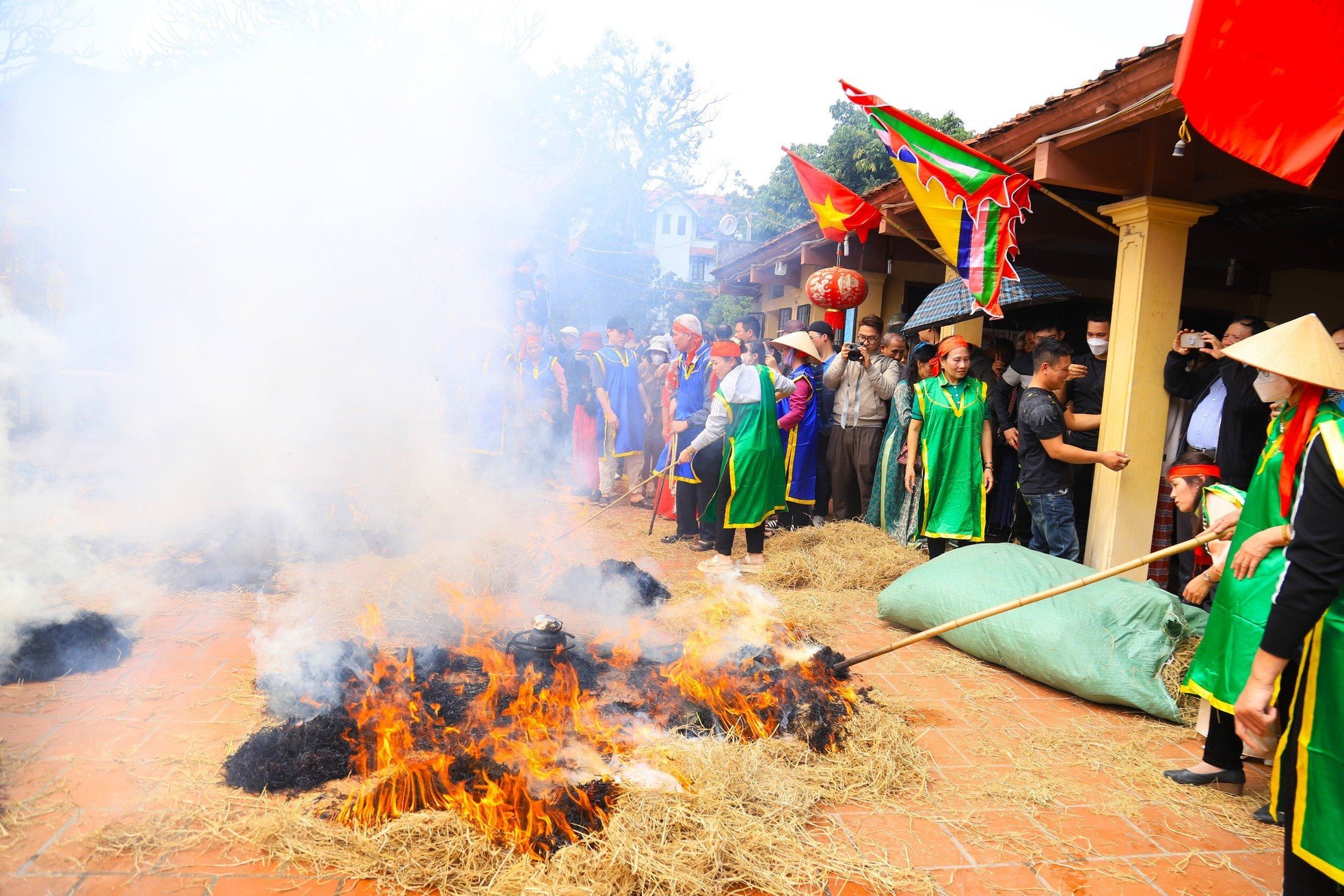 |
The competing teams burned straw to get ash to bury the rice pots so they would cook properly. In addition to burning the main piles of straw to bury the rice pots, the teams also created several "fake" piles of ash nearby to "buy time" for the judges while they searched for the rice pots. |
 |
Then, the teams would hide them in piles of straw and charcoal to cook.  Senior Party and State leaders send letters and telegrams congratulating the United States on its National Day.In congratulatory letters and messages on the US Independence Day, senior leaders of the Vietnamese Party and State reaffirmed that Vietnam considers the United States one of its strategically important partners. Senior leaders of the Vietnamese Party and State send letters and telegrams congratulating the United States on its National Day.In congratulatory letters and messages on the US Independence Day, senior leaders of the Vietnamese Party and State reaffirmed that Vietnam considers the United States one of its strategically important partners.  Strengthening the friendship between Vietnam and the United States.On July 3rd, as part of the Pacific Partnership - Friends of the Pacific 2026 program, the U.S. Army Pacific delegation, led by Lieutenant General Joel Vowell, Deputy Commander of the U.S. Army Pacific, paid a courtesy visit to the Quang Tri Provincial Military Command. |
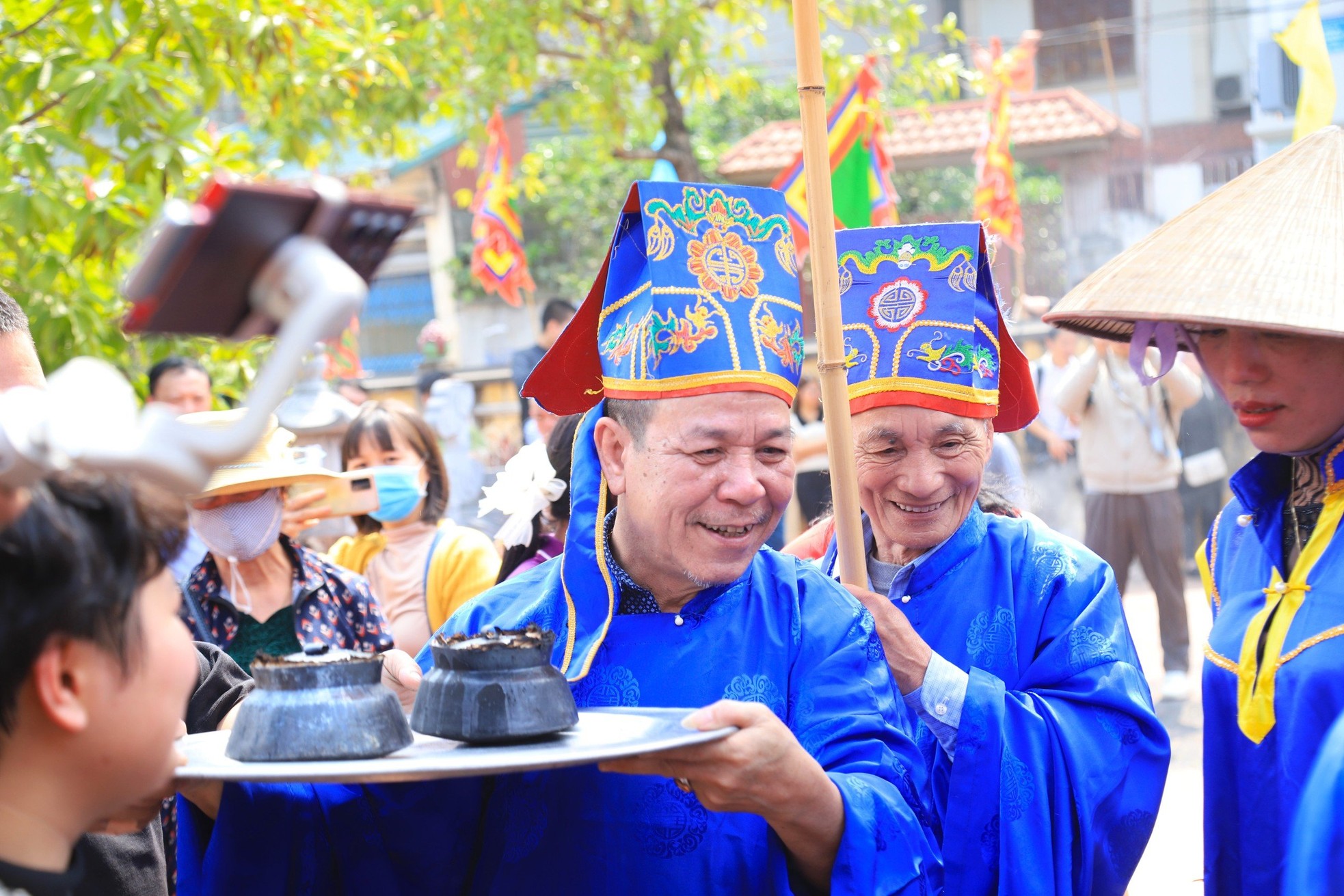 |
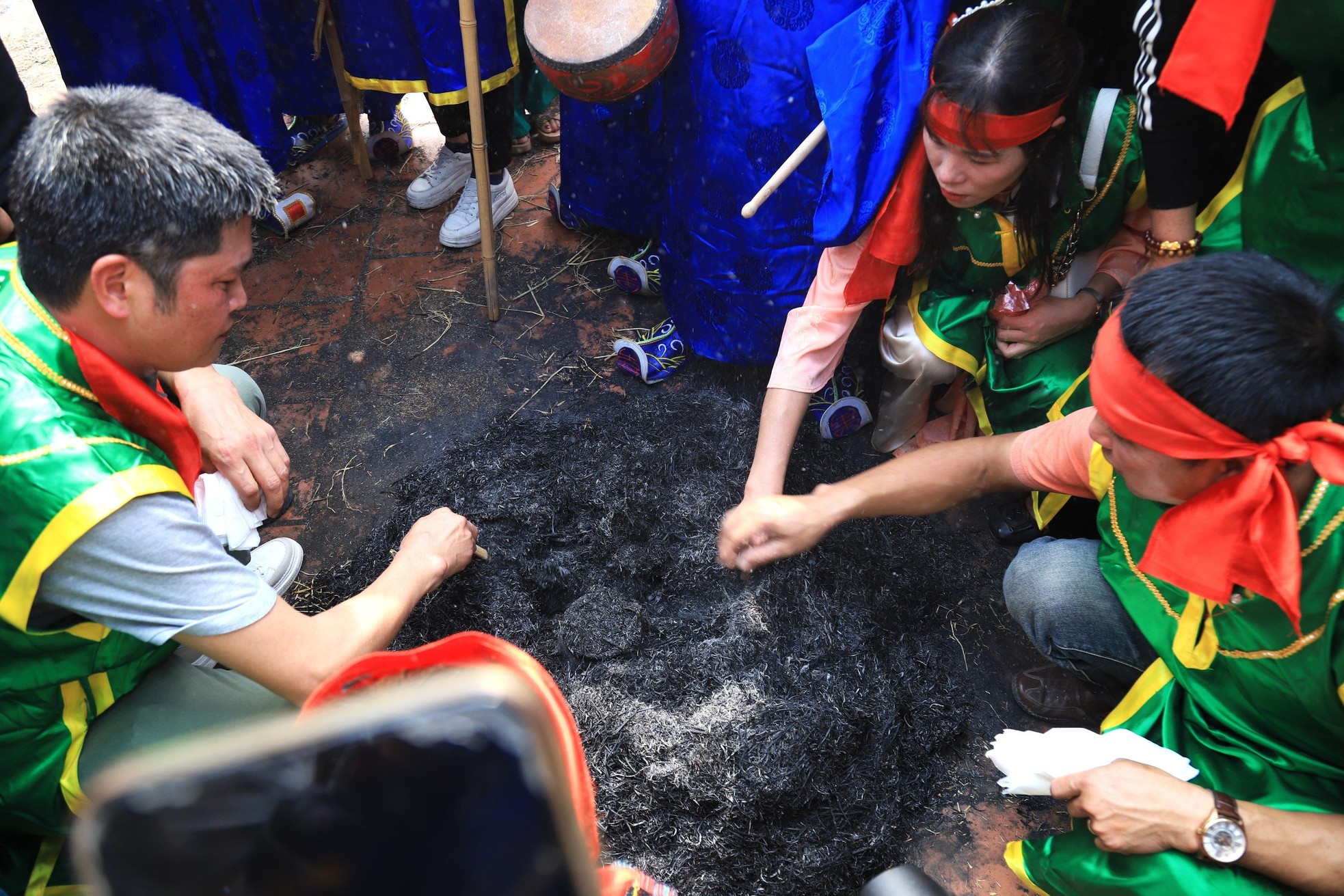
After a week of incense burning, the judges will search for the cooked rice pot among many piles of straw ash. If the competing team cleverly hides it, the incubation time will be extended, and the rice will cook more evenly. |
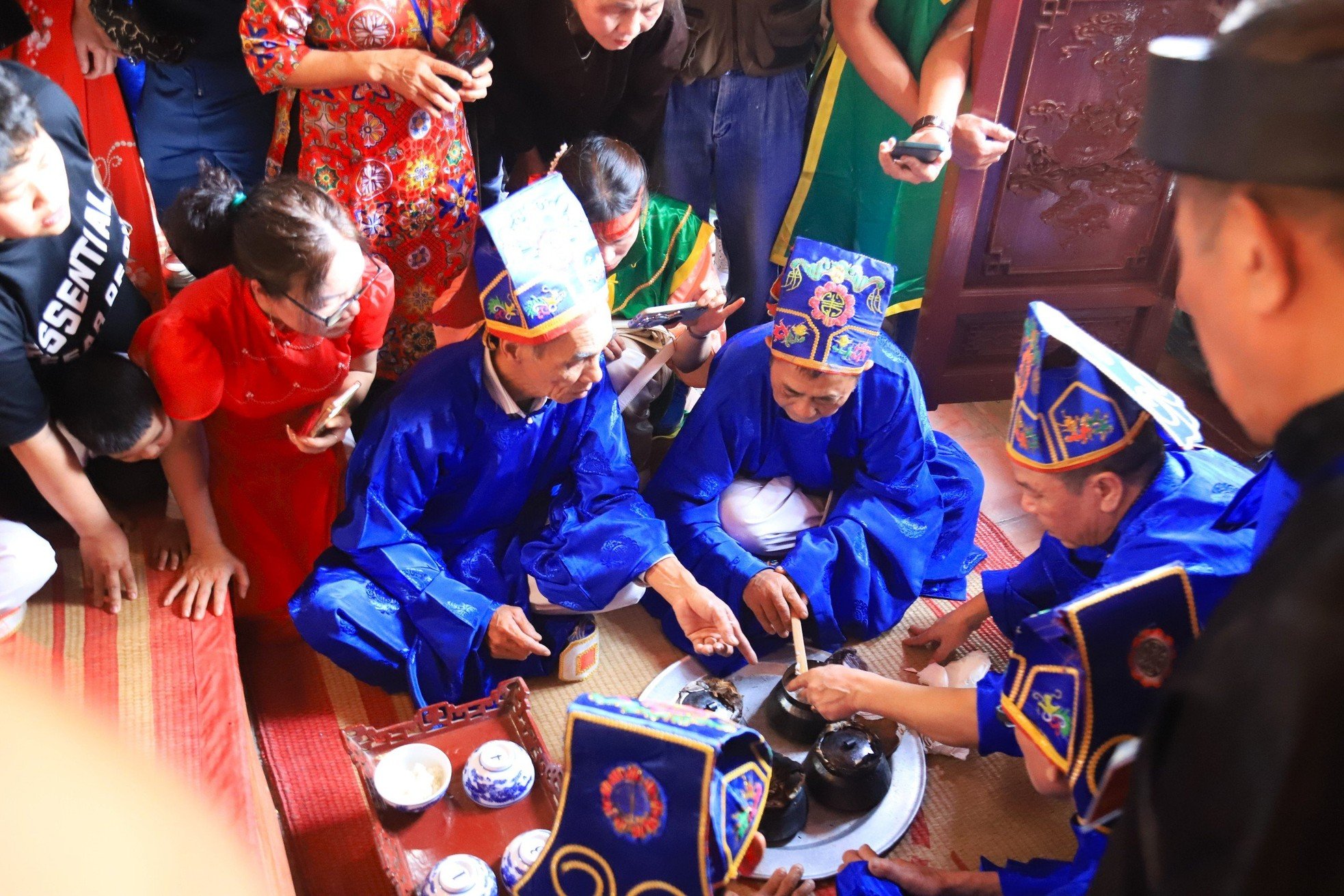 |
After selecting four pots of rice, the judges will scoop out four bowls to offer to the village's guardian deity. They will then observe and press the rice grains with their fingers to determine the score. The winning pot of rice must be the one with the whitest, stickiest, and most fragrant rice. |
Source