The endless green mulberry fields stretching along both banks of the Boi River create a picturesque rural landscape.

The linkage between mulberry cultivation and silkworm rearing has helped improve the income of people in An Nghia commune.

The fresh green mulberry leaves are brought back to be used as food for silkworms.

The Chi Nê Plantation Technical and Commercial Cooperative raises silkworms in cold rooms, which helps control temperature and humidity, increasing cocoon yield by 2-3 times compared to traditional methods.

Workers at the Chi Nê Plantation Technical and Commercial Cooperative are meticulous in every step of the silkworm care process to ensure the highest quality silkworms.


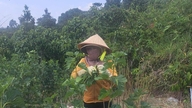
After the cocoons are spun and the golden cocoons are released, they are collected in preparation for the silk reeling process.

All the harvested cocoons are stored in cold storage.

The cocoons are boiled in hot water to separate the raw silk fibers.

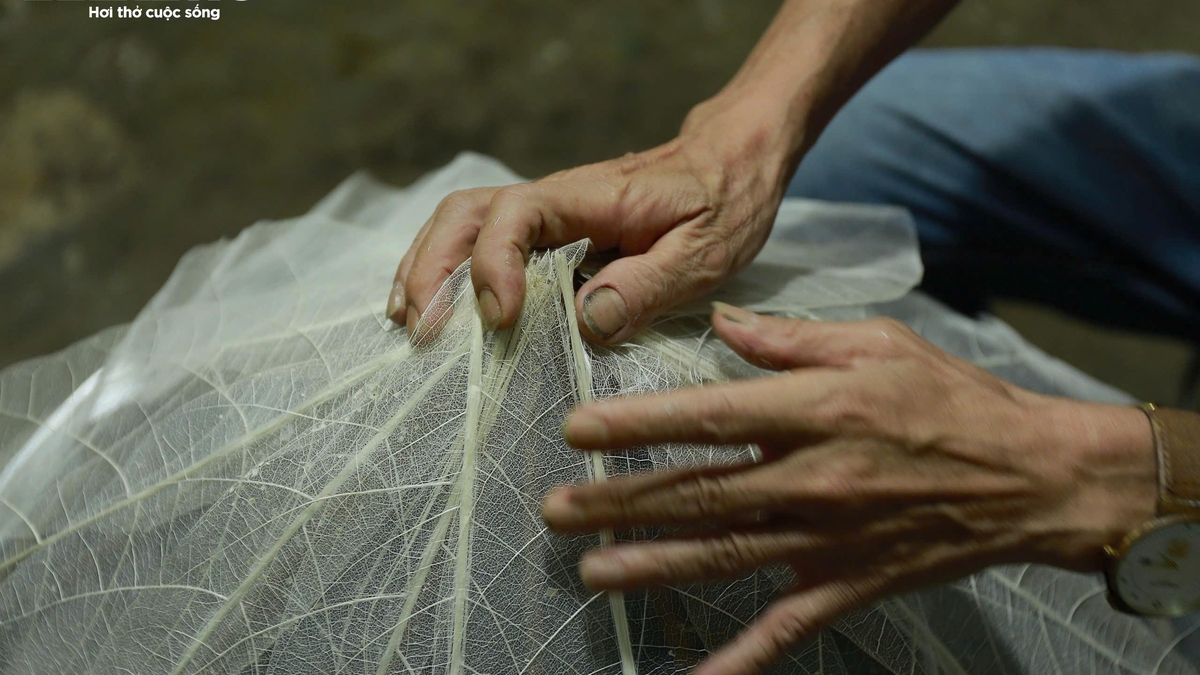
Thanks to the skilled hands of the craftsmen, the silk threads are pulled out, twisted together into strands before being wound onto a specialized spinning wheel.

The workers meticulously search for each thread to ensure the spinning wheel does not get tangled.

Currently, the silk reeling and weaving workshop of the Chi Ne Plantation Technical and Commercial Cooperative is one of the places that welcomes many visiting groups for tours and learning experiences.

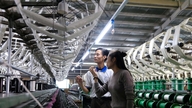


The lustrous, soft silk threads are air-dried by the weavers before being hung to dry in a shady, well-ventilated area.

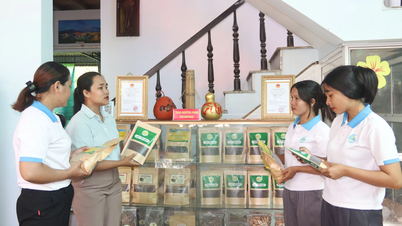
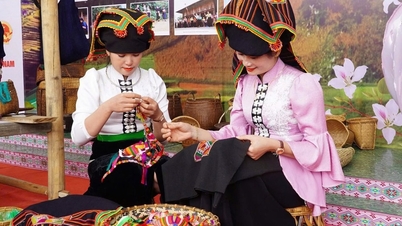
High-end silk clothing displayed at the Chi Nê Plantation Trade Cooperative's product showroom is popular with tourists.
Bui Minh
Source: https://baophutho.vn/doc-dao-lang-nghe-uom-to-det-lua-253059.htm

![[Photo] Opening Ceremony of the 13th National Congress of the Ho Chi Minh Communist Youth Union](https://vphoto.vietnam.vn/thumb/1200x675/vietnam/resource/IMAGE/2026/06/24/1782286753905_ndo_br_1-8510-jpg.webp)
![[Photo] The 13th National Congress of the Youth Union conducts personnel work.](https://vphoto.vietnam.vn/thumb/1200x675/vietnam/resource/IMAGE/2026/06/24/1782299943080_ndo_br_1-6868-jpg.webp)
![[Photo] General Secretary and President To Lam attends the Central Public Security Party Committee Conference](https://vphoto.vietnam.vn/thumb/1200x675/vietnam/resource/IMAGE/2026/06/24/1782302063612_a1-bnd-9302-9166-jpg.webp)