

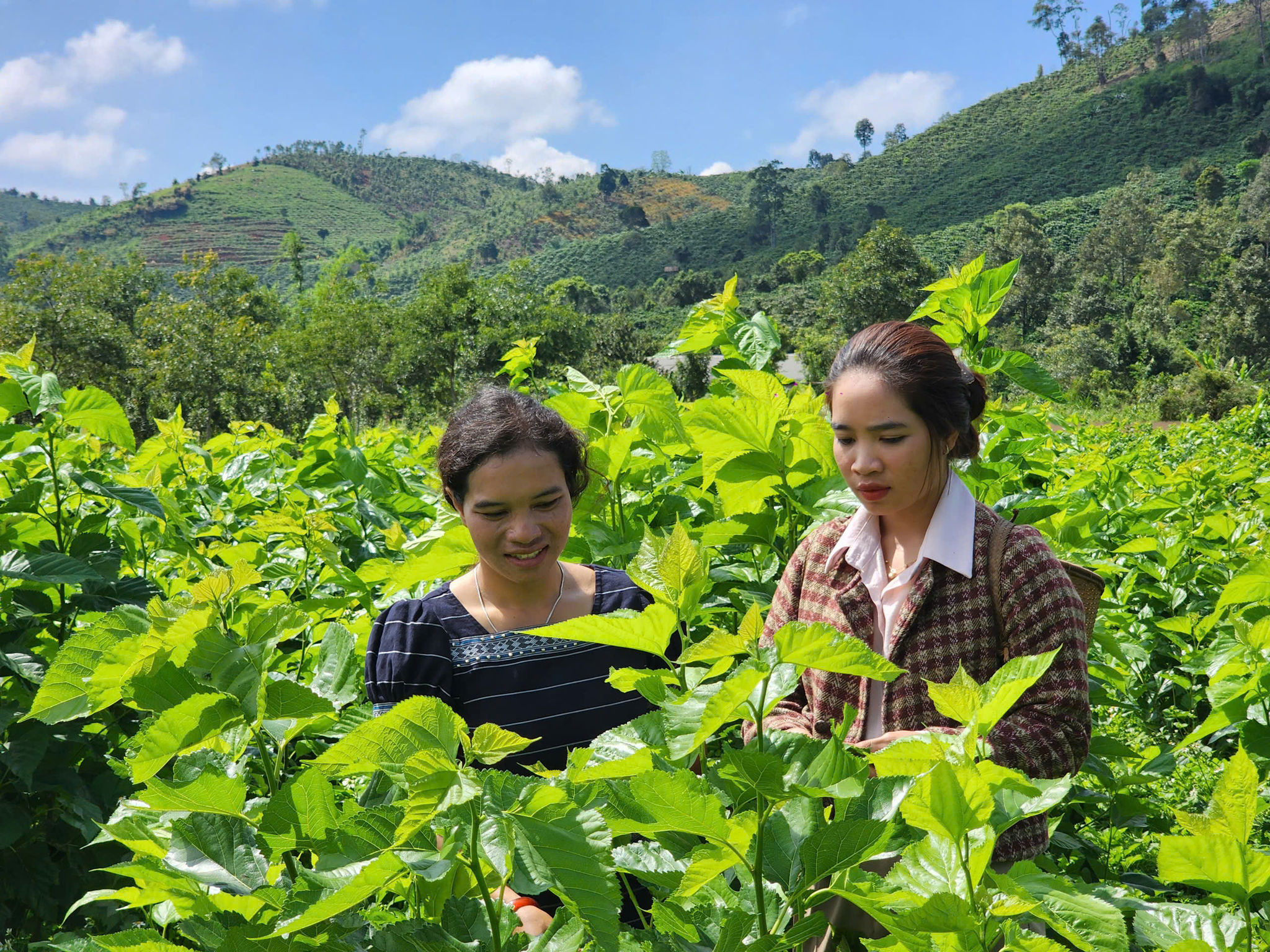
In addition to continuously expanding the cultivated area, the locality also focuses on building supply chains, applying high technology, and proactively securing seed sources to aim for the sustainable development of the mulberry and silk industry.
Forming a supply chain starting from the raw material source.
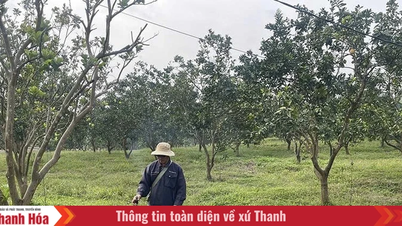
According to the Department of Agriculture and Environment, the province currently has approximately 10,600 hectares of mulberry trees, increasing by an average of 6.7% annually. Of this, the area of hybrid and new mulberry varieties reaches over 8,200 hectares, accounting for more than 77%; the area applying high technology reaches over 2,000 hectares with approximately 17,000 households participating in production. The total silkworm cocoon production in the province reached over 15,456 tons.
Mulberry cultivation and silkworm rearing are considered suitable for the local people's production conditions because they can utilize riverside land and less productive agricultural land for conversion to mulberry cultivation. Compared to many other crops, mulberry cultivation and silkworm rearing have low investment costs, a quick return on investment, and contribute to job creation and increased income for farmers.
From being closely associated with mulberry trees and silkworms to supplying silkworm breeds and guaranteeing the purchase of silkworm cocoons from local people, many production households in the province have boldly invested in modern silk reeling factories to enhance the value of the mulberry and silk industry.
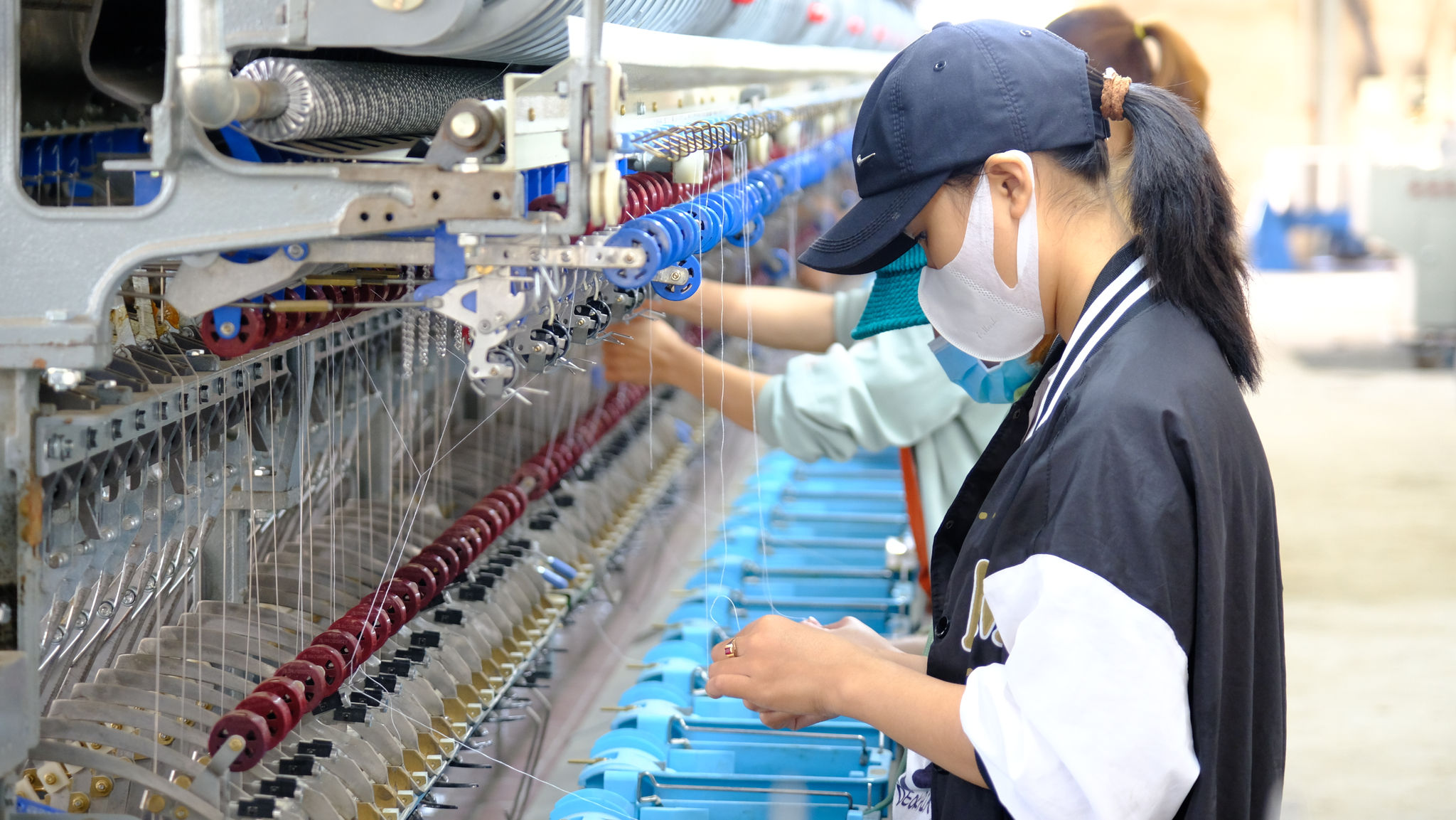
Ms. Vu Thi Tuy, from Dam Rong 3 commune, said that after many years of working in mulberry cultivation and silkworm rearing, her family has invested in building a silk reeling factory to create a stable market for local people and simultaneously increase the value of silk products.
In Dak Mang village, Dam Rong 3 commune, Ms. Vu Thi Tuy has built a silk reeling factory with an area of approximately 2,400 m², with a total investment of over 21 billion VND. The factory is equipped with an automatic silk reeling system, a boiler, a cocoon cooking machine, a cocoon drying area, and a complete technical processing, fire prevention and fighting, and storage system.
Each day, the factory consumes 1.5 - 1.6 tons of silkworm cocoons, mainly purchased from local people and neighboring areas. With its current capacity, the facility provides regular employment for approximately 130 workers, mostly ethnic minorities, with an income of 8 - 9 million VND per person per month.
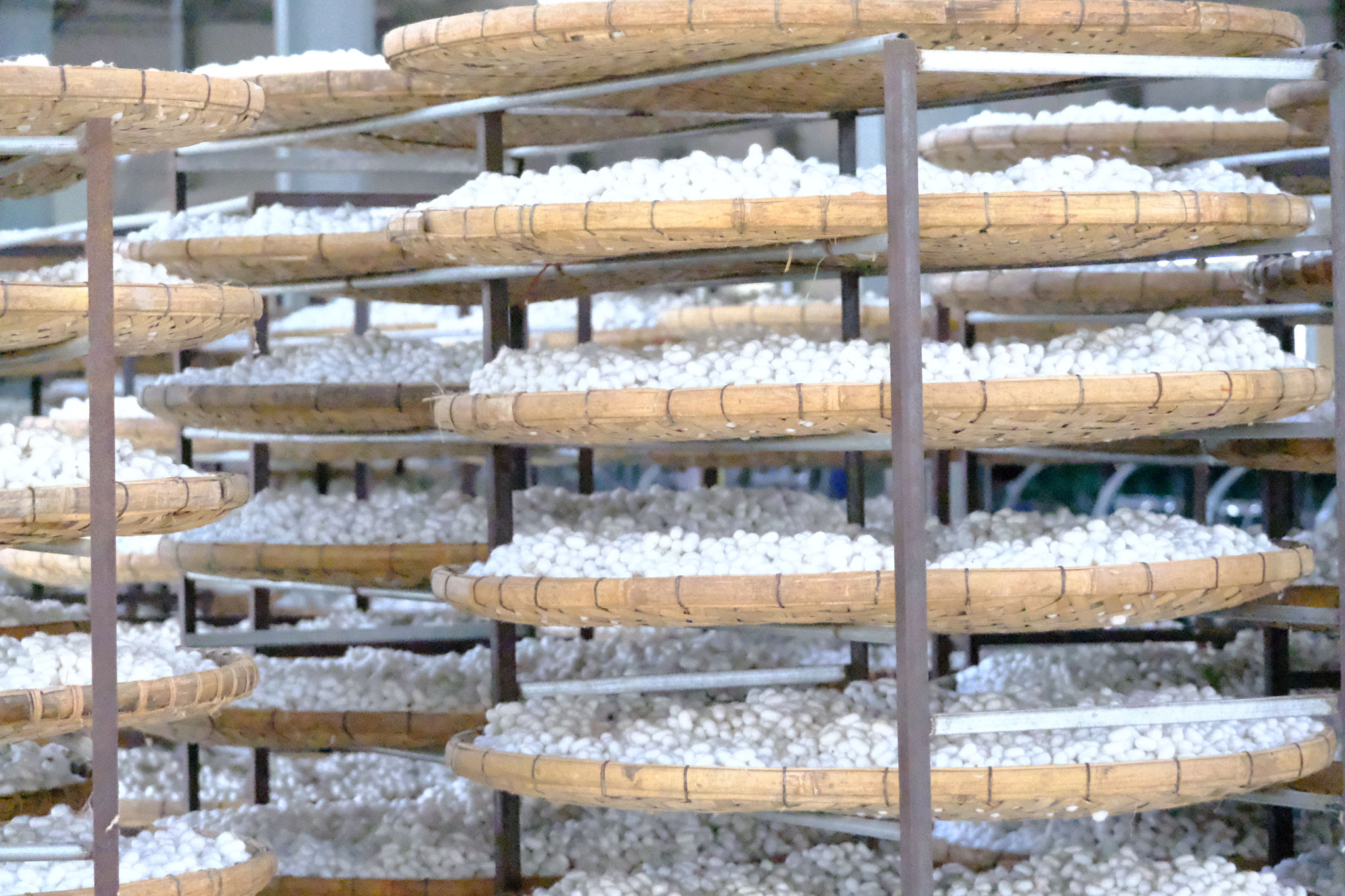
According to calculations, the factory produces more than 36 tons of silk annually, corresponding to a demand of nearly 300 tons of raw cocoons. To ensure a stable supply, the facility has partnered with cooperatives, associations, and purchasing agents in the area to form a sustainable raw material supply zone.
According to Mr. Pham Phi Long, Head of the Provincial Department of Livestock and Veterinary Medicine, the application of advanced techniques in silkworm farming for cocoon production has been widely adopted by the people, contributing to reduced labor costs and improved economic efficiency.
The province has approximately 78 concentrated silkworm rearing facilities located in localities such as Lam Ha, Da Teh, and Dam Rong (formerly). The concentrated silkworm rearing model has proven effective, meeting the production needs of the people well.
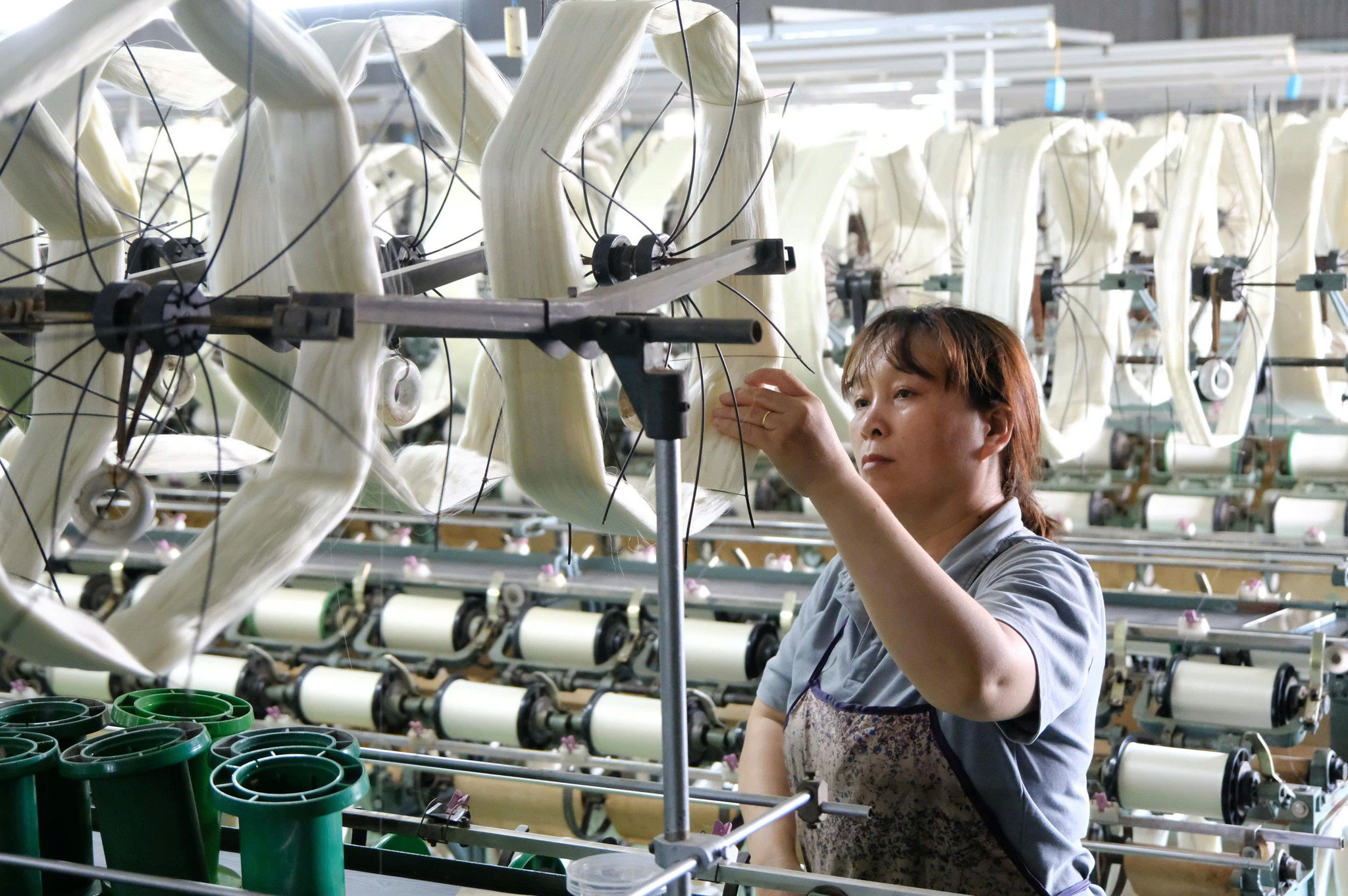
Besides developing raw material areas, the province's silk industry is also gradually forming a fairly synchronized supply chain. Currently, the province has about 152 silkworm cocoon purchasing facilities and 36 silk reeling facilities with modern production and processing lines. This production-consumption linkage helps improve the quality of silkworm cocoons and silk, increases competitiveness in the market, and creates a stable outlet for farmers.
Towards sustainable development
According to Mr. Pham Phi Long, despite achieving many positive results, Lam Dong's silk industry still faces numerous difficulties. One of the major challenges currently is the insufficient supply of high-quality silkworm eggs to meet production needs. Currently, the demand for silkworm eggs in the province is approximately 400,000-450,000 boxes per year, but domestic production is limited in terms of quality, productivity, and cost, making it difficult to compete with imported sources.
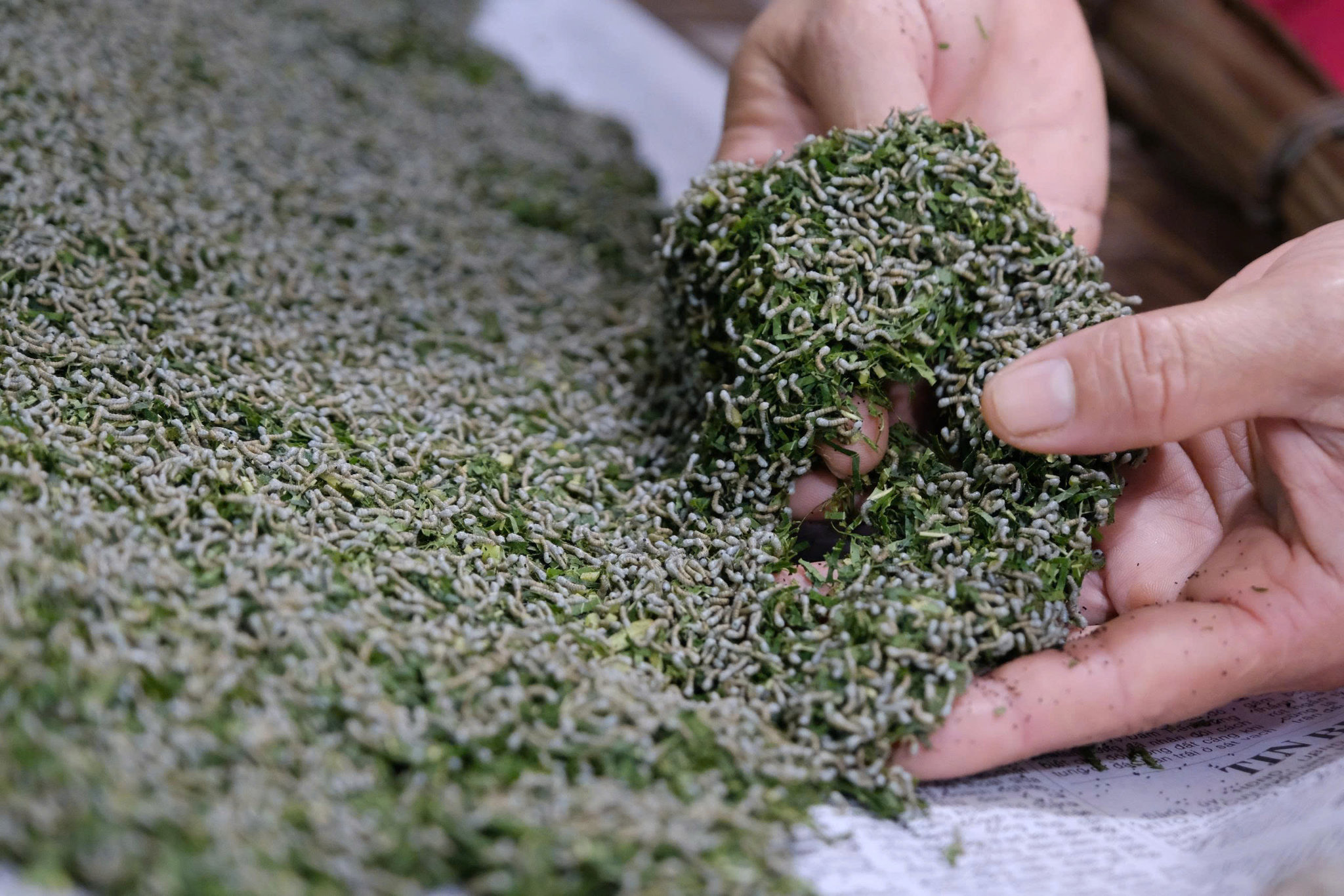
Furthermore, mechanization in production is limited, with many processes still being manual, especially in mulberry cultivation and harvesting. Silkworm farming is also highly dependent on weather conditions, while investment resources for the industry are low, mainly relying on social mobilization, resulting in inadequate infrastructure for production.
To develop the silk industry sustainably, Lam Dong province aims to maintain and expand stable raw material areas in the coming years, linking mulberry production with silk reeling, silk weaving, and environmental protection. By 2030, the province strives to achieve a total mulberry cultivation area of approximately 12,000 hectares, including 10,000 hectares of hybrid and new varieties.
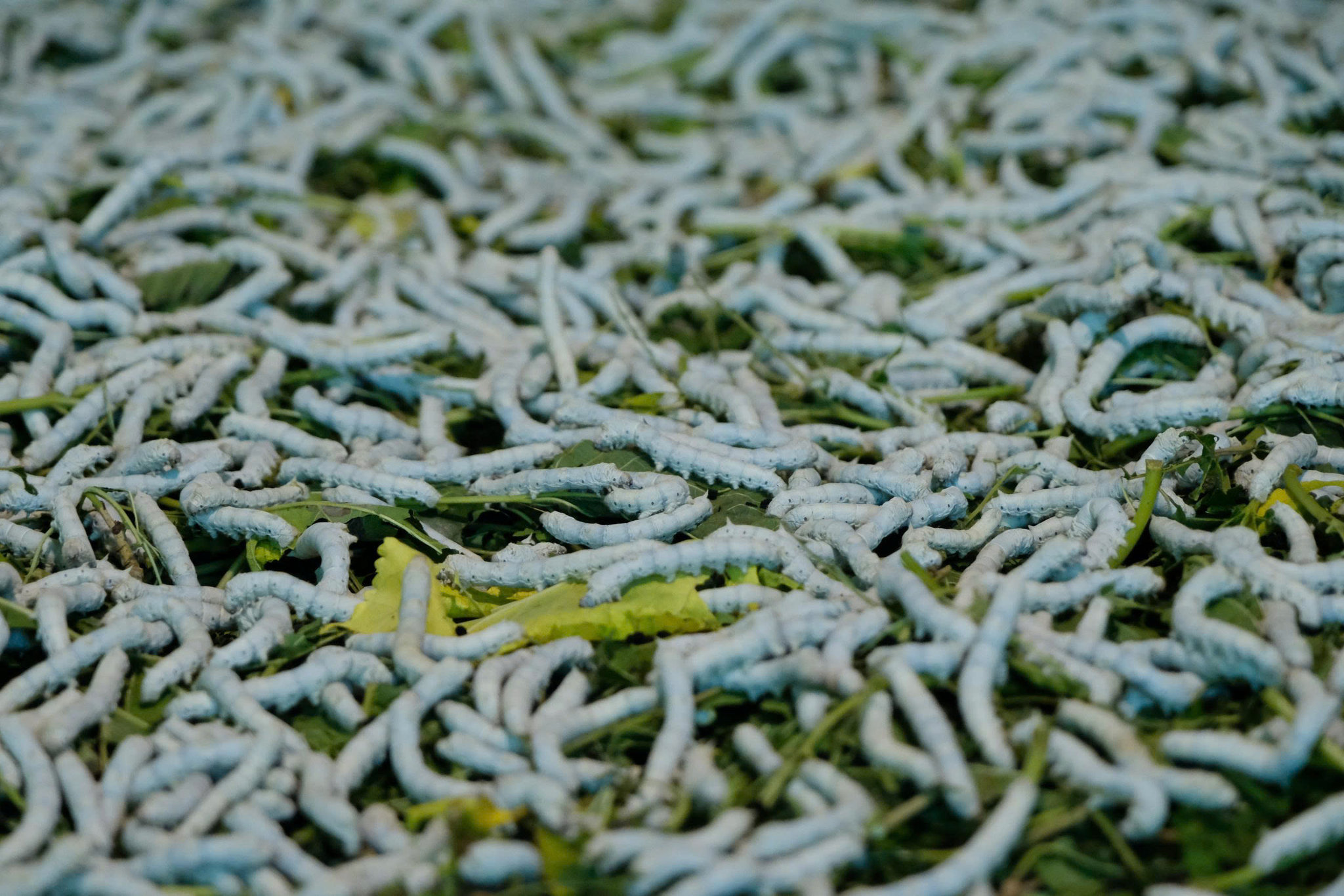
The province will expand specialized silkworm farming areas in favorable locations; convert some areas of low-yield crops to mulberry cultivation to ensure a supply of raw materials for processing. At the same time, it will increase investment in technical equipment and improve research capacity to proactively secure high-quality silkworm breeding stock for production.
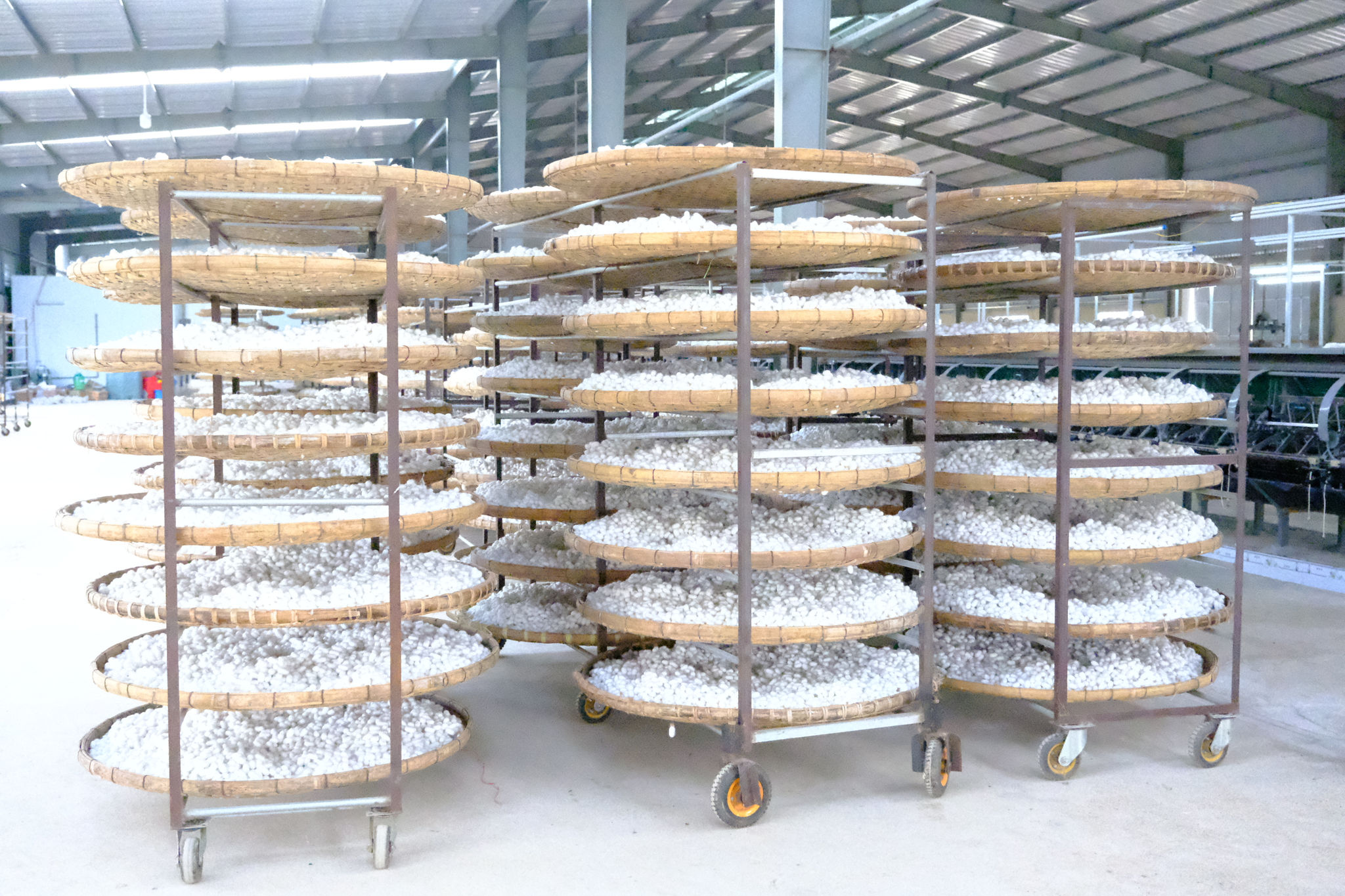
The agricultural sector also continues to promote the application of science and technology in silkworm rearing and disease prevention and treatment; build a synchronized commodity production chain from mulberry and silkworm varieties to product consumption; and improve mechanisms and policies to support people in developing mulberry cultivation and silkworm rearing.
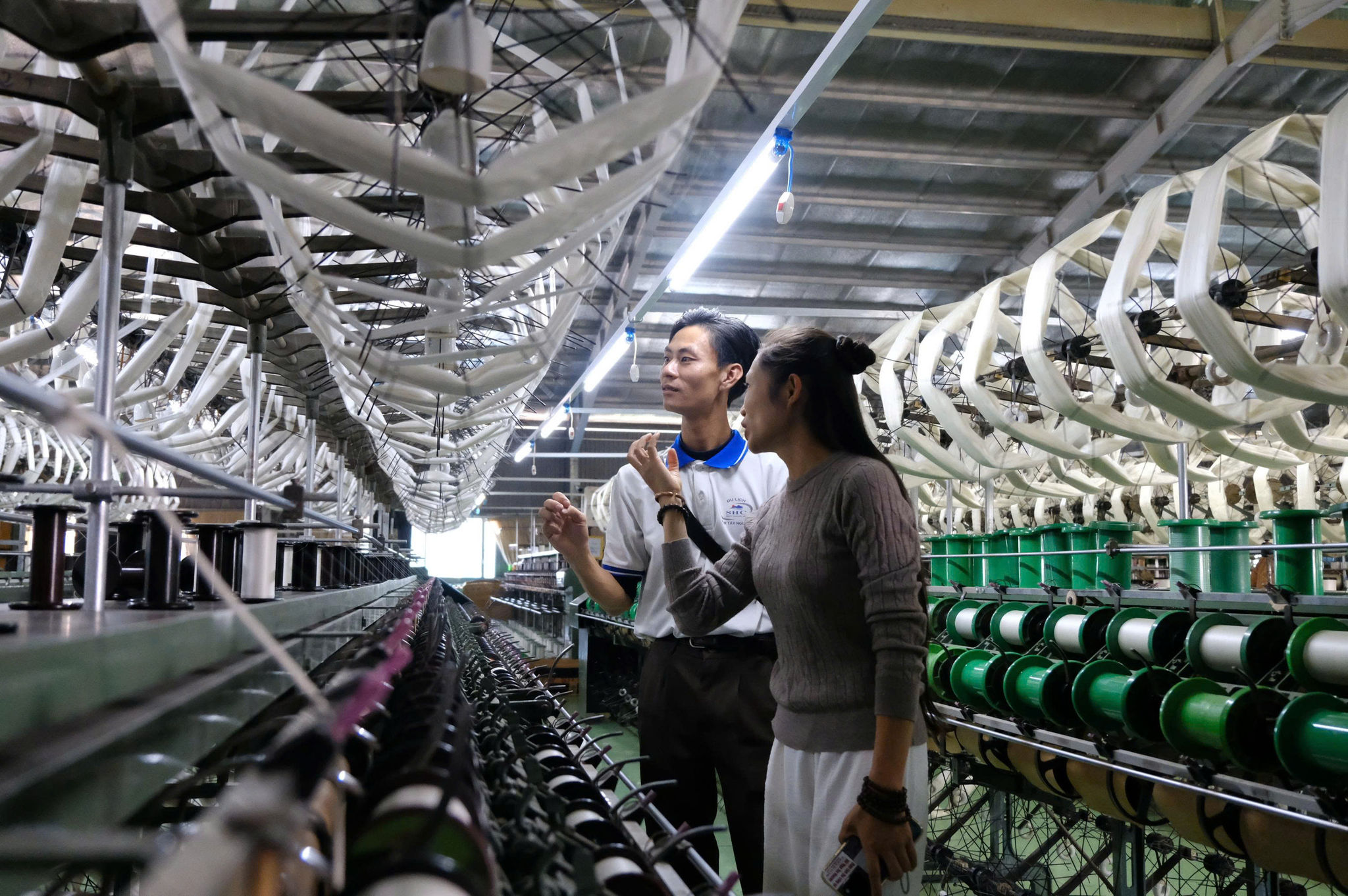
With its inherent advantages and well-structured development strategy, Lam Dong's silk industry is gradually increasing its added value, aiming to build a high-quality silk brand, contributing to raising the income of rural people and promoting sustainable agricultural development.
Source: https://baolamdong.vn/lam-dong-phat-develop-sustainable-oil-industry-443736.html






















![[Photo] Reception to welcome General Secretary and President To Lam and his wife on their State visit to the Philippines](https://vphoto.vietnam.vn/thumb/1200x675/vietnam/resource/IMAGE/2026/06/01/1780295488620_vna-potal-chieu-dai-chao-mung-tong-bi-thu-chu-tich-nuoc-to-lam-va-phu-nhan-tham-cap-nha-nuoc-toi-philippines-8798060-7855-jpg.webp)



















































Comment (0)