(NLĐO) - By participating in the Nine-Compartment Temple Festival, visitors will have the opportunity to experience the unique cultural features of the Thai people in western Nghe An province.
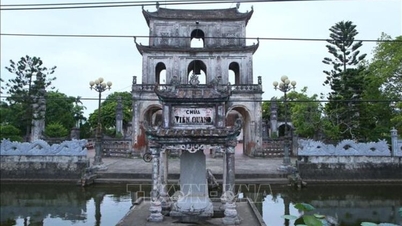
The Nine-Compartment Temple was built in the early 14th century in Pú Chò Nhàng, also known as Tến Pỏm (temple on the mountain), in Khoẳng village, Châu Kim commune, Quế Phong district, Nghệ An province. In the minds of the Thái people of Phủ Quỳ region, this is a place of spiritual devotion to Thẻn Phà (heaven), Náng Xỉ Đả (daughter of heaven), and Tạo Ló Ỳ – considered the founder of the village and its settlement.
The temple is named "Tến xớ quái" (Buffalo Offering Temple), but because it has nine chambers, the locals call it "tến cau hoong" (meaning Nine-Chamber Temple), each chamber representing a district: Mường Tôn, Mường Pắn, Mường Chừn, Mường Hin, Mường Puộc, Mường Quáng, Mường Ha Quèn, Mường Miểng, Mường Chón.
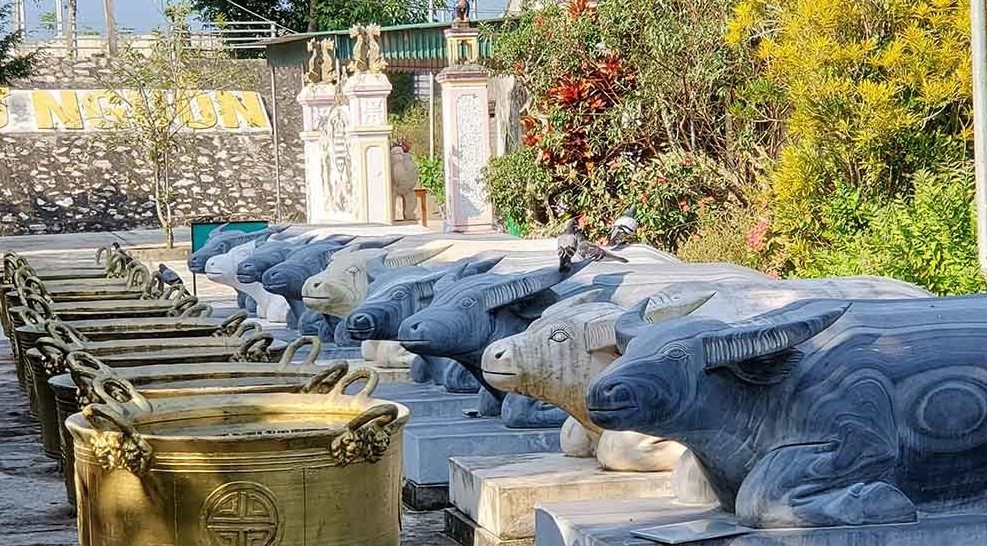
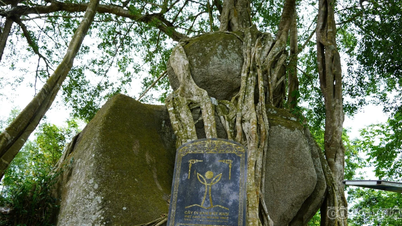
Within the grounds of the Nine-Chamber Temple, there are nine kneeling buffaloes.
At the end of the 18th century, the temple was moved to Pú Căm, in Piếng Chào village, Châu Kim commune. In 1927, the temple was renovated into a stilt house with 4 rows of columns and 9 bays made of ironwood, roofed with corrugated iron.


From 1927 to 2003, the temple deteriorated and became a ruin due to various events. After restoration, it was recognized as a provincial-level cultural relic in 2008. In 2016, the Nine-Compartment Temple Festival was recognized as a national intangible cultural heritage.
The Nine-Compartment Temple Festival takes place in the middle of the second lunar month every year. Organizing the Nine-Compartment Temple Festival revives the unique traditions and cultural products of the Thai people in western Nghe An province. It is an opportunity for people from the nine ancient villages to make pilgrimages, meet, socialize, connect with friends, and strengthen solidarity among ethnic groups.
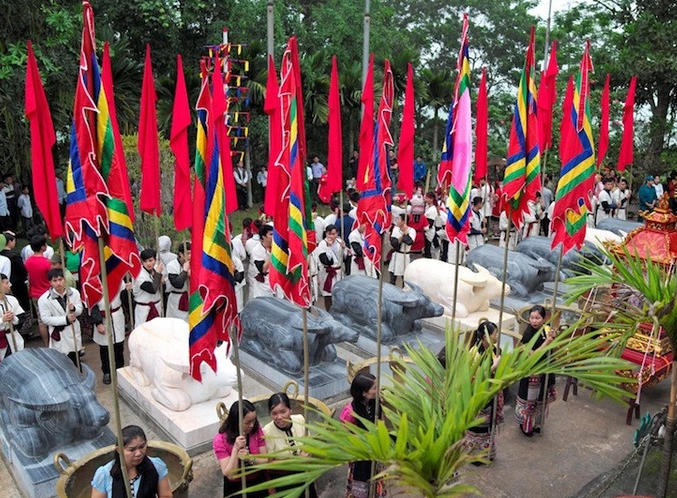
The Nine-Compartment Temple Festival is held annually in the middle of the second lunar month.
The Nine-Compartment Temple Festival always includes both ceremonial and festive parts. The ceremonial part includes the opening ceremony, the announcement ceremony (Khẩy Quan ceremony), the buffalo bathing ceremony, and the procession (Ap Quai and Ton Dam-Ton Then), the grand sacrifice ceremony (Xo The, Xo Dam ceremony), the opening ceremony, and the thanksgiving ceremony (Thao Qua). The festive part includes activities such as: campsite competitions, folk games like bamboo pole jumping, throwing the ball, rice cake wrapping competition, bamboo rice cooking competition, gong and drum playing, and cultural performances. In addition, the festival also features sports and games such as cockfighting, throwing the ball, tug-of-war, crossbow shooting, stick pushing, card games, stilt walking, etc.
At the Nine-Compartment Temple Festival, locals and tourists can also enjoy attractive and unique programs such as the "Nine-Compartment Temple Beauty Contest"; a traditional costume show, a fishing net throwing competition, etc.



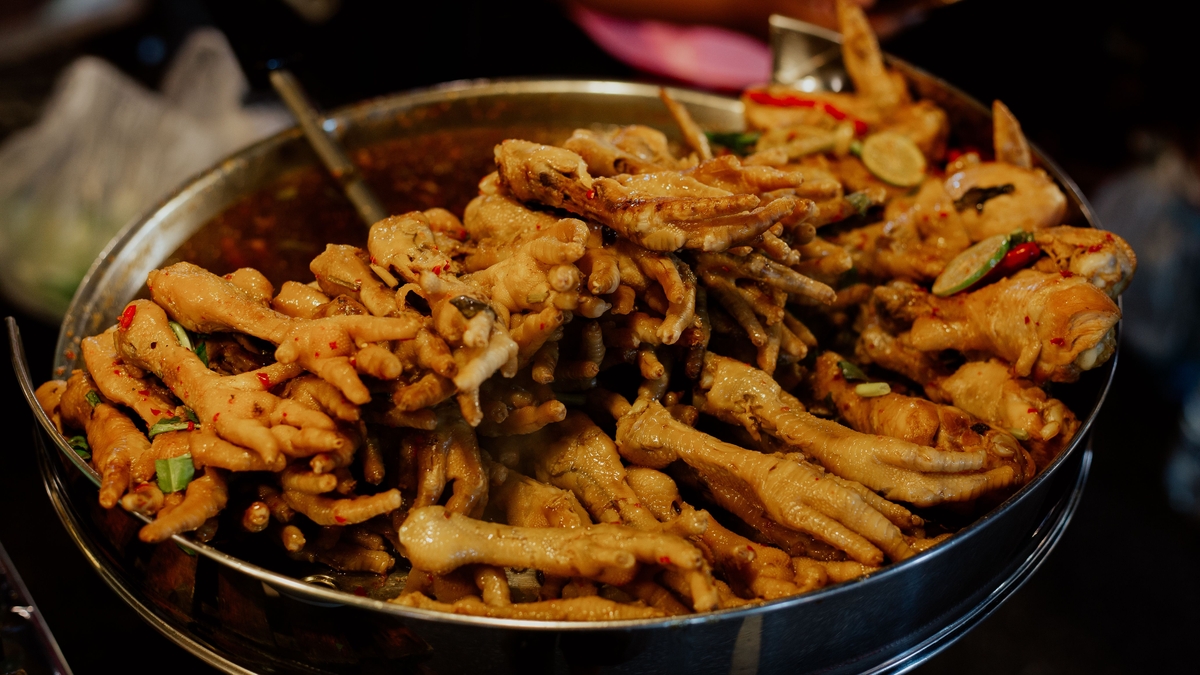
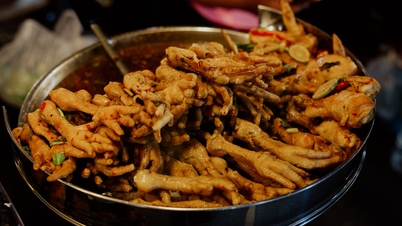
In addition, at the Nine-Compartment Temple Festival, visitors can also enjoy specialties of Que Phong district such as: Thang Co (a traditional stew), fermented buffalo meat, fermented dog head, dried beef, dried pork, Muscovy duck, and catfish... of the ethnic minorities in the mountainous areas of Nghe An.
Ms. Cao Thi Ha Le, Head of the Culture and Information Department of Que Phong District, Nghe An Province, said that the Nine-Compartment Temple Festival, held in mid-February of the lunar calendar every year, attracts tens of thousands of visitors. With its attractive and unique features, the Nine-Compartment Temple Festival has become a major event not only for the Thai ethnic group but also for all ethnic groups in western Nghe An.
Source: https://nld.com.vn/doc-dao-le-hoi-ngoi-den-9-con-trau-quy-196250129132801555.htm



![[Image] National conference summarizing one year of operation of the overall organizational model of the political system, the three-tiered government model.](https://vphoto.vietnam.vn/thumb/1200x675/vietnam/resource/IMAGE/2026/07/01/1782882811691_ndo_br_1-jpg.webp)