

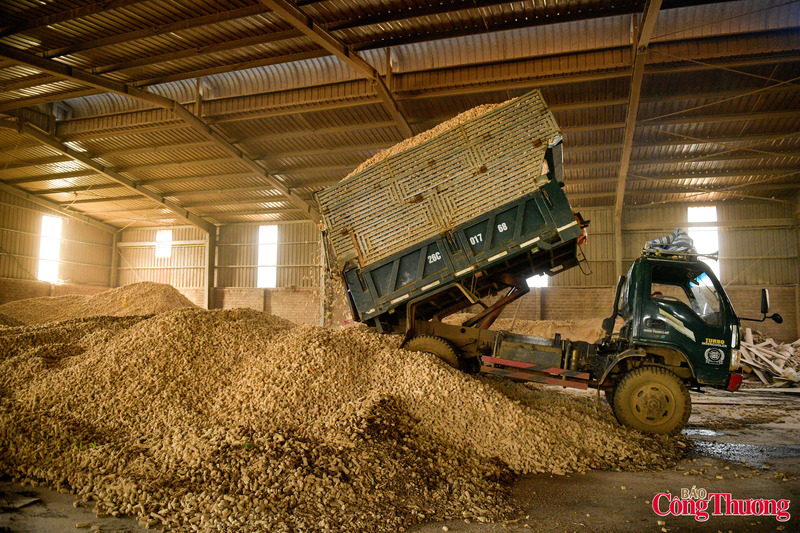
In order to utilize discarded agricultural waste and simultaneously address environmental pollution, instead of conventional honeycomb charcoal or firewood, many organizations have researched and produced charcoal briquettes and fuel rods from corn cobs for high calorific value.
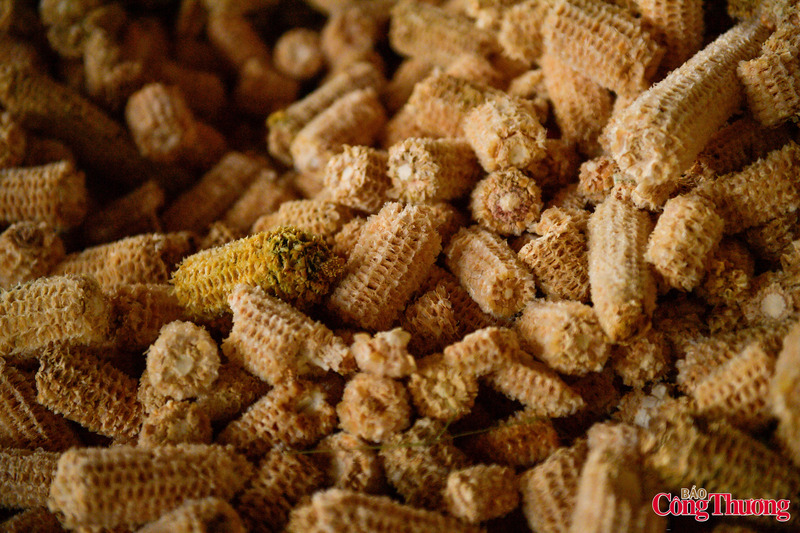
According to statistics, there are currently about 800,000 hectares of corn in the country. The agricultural processing process releases approximately 1 million tons of corn cobs into the environment each year.
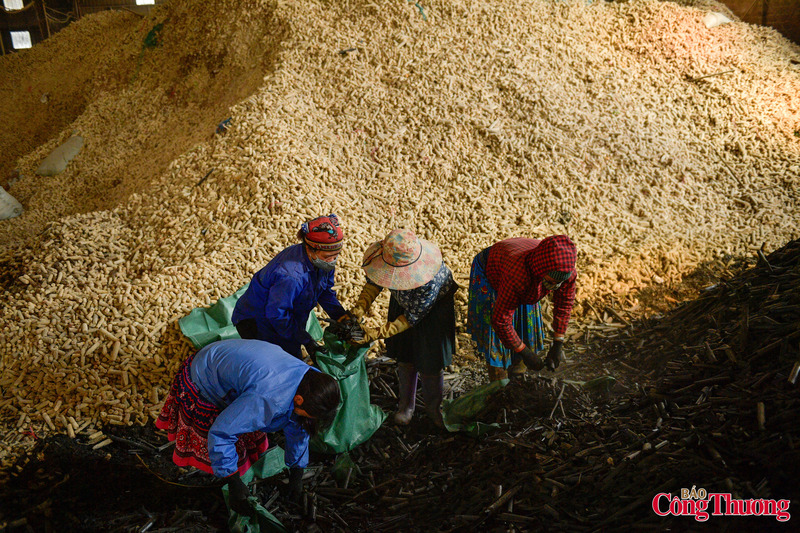
Only a portion of these corn cobs is used by locals as fuel, a very small portion is used for mushroom cultivation, and the rest is mostly discarded along roadsides and in streams, causing environmental pollution.
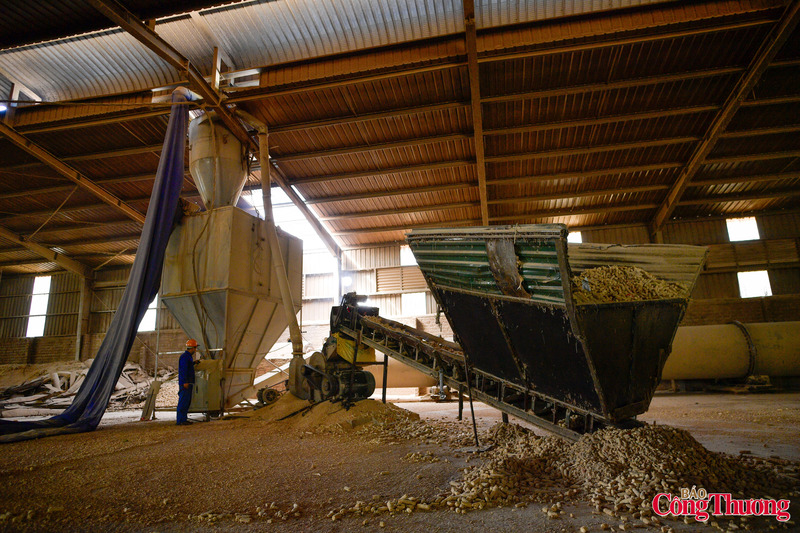
Recognizing that abundant raw materials were being wasted, many businesses in Moc Chau, Son La, have taken advantage of this by processing them into high-caloric charcoal.
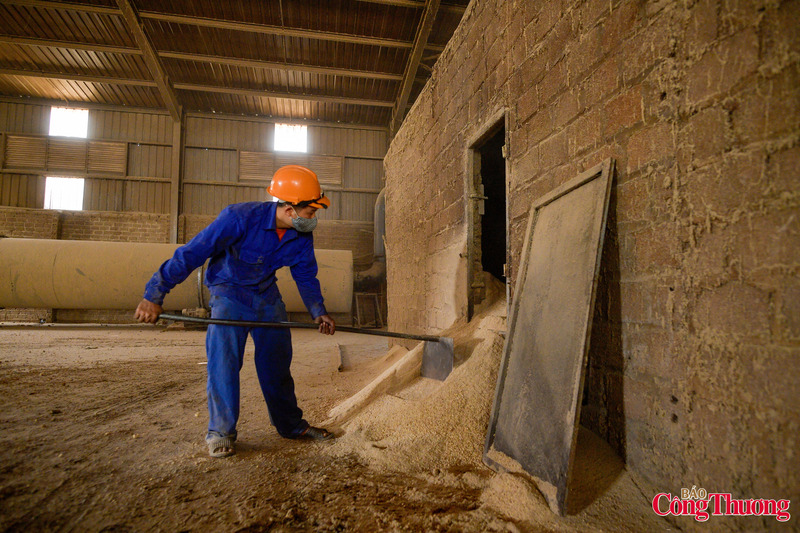
After being collected from mills, corn cobs are ground into small pieces and mixed with some additives to form charcoal briquettes. Alternatively, the ground corn cobs are pressed into briquettes (similar to rice husk fuel).
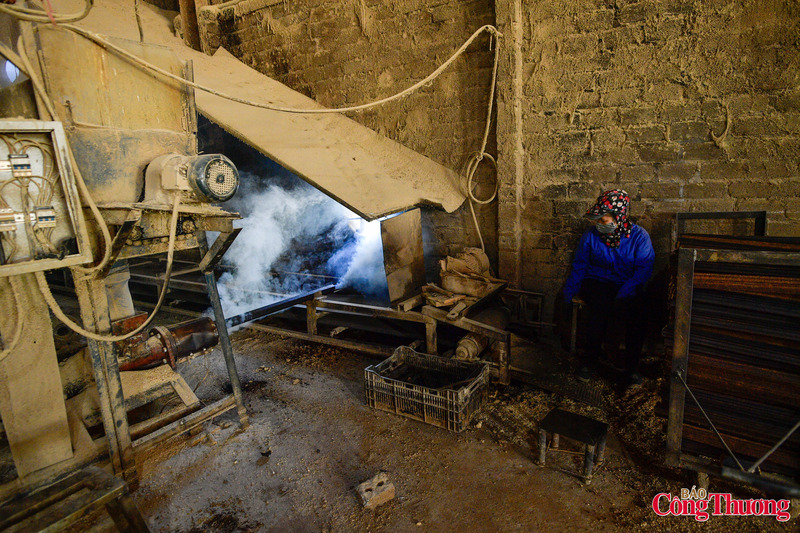
The briquetting and pressing process generates significant force, increasing the density. Adding additives enhances combustion and ensures complete burning, without producing harmful emissions.
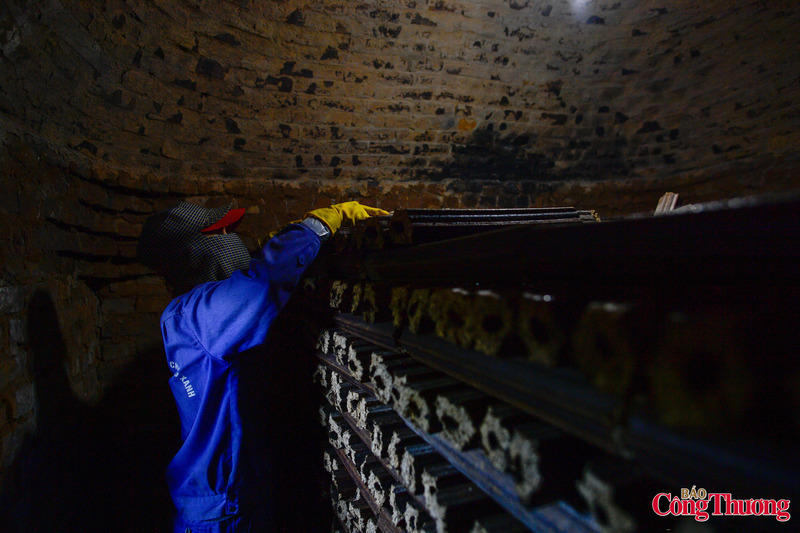
These are pieces of firewood made from corn cobs, approximately 5 cm in diameter and 50 cm long.
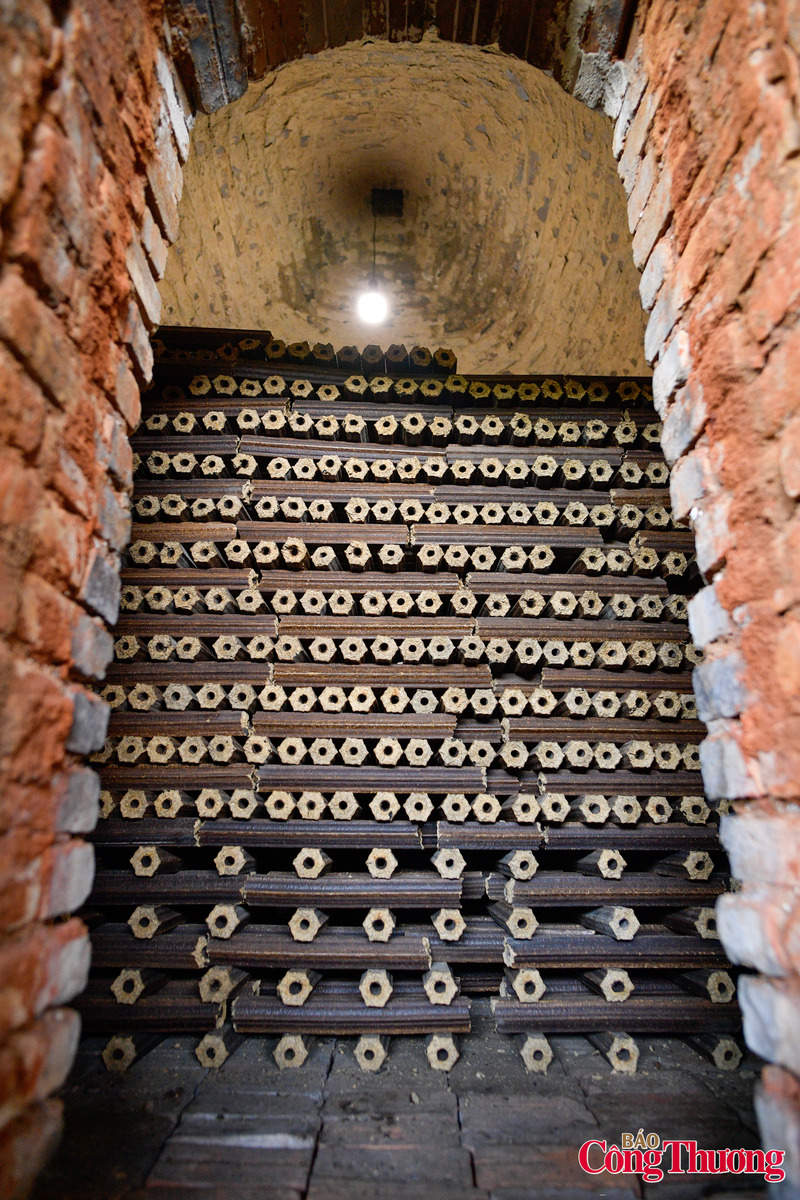
After being pressed and cut into bars, the corn cob charcoal is placed in a kiln and heated at high temperatures to produce the best quality product.
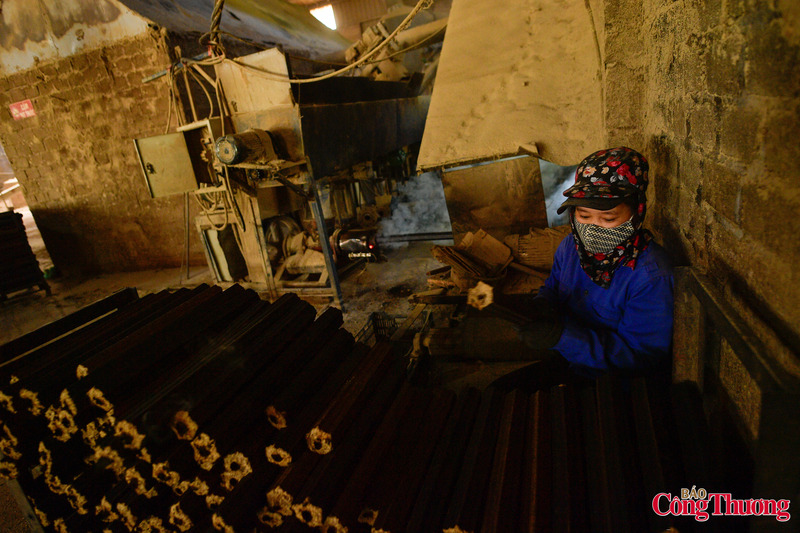
This charcoal product is known to have a calorific value of 7,000 to 8,500 calories per kilogram. One kilogram of this charcoal can burn for up to 200 minutes, producing no smoke or odor. The carbon content in biochar can reach 75 to 85%.
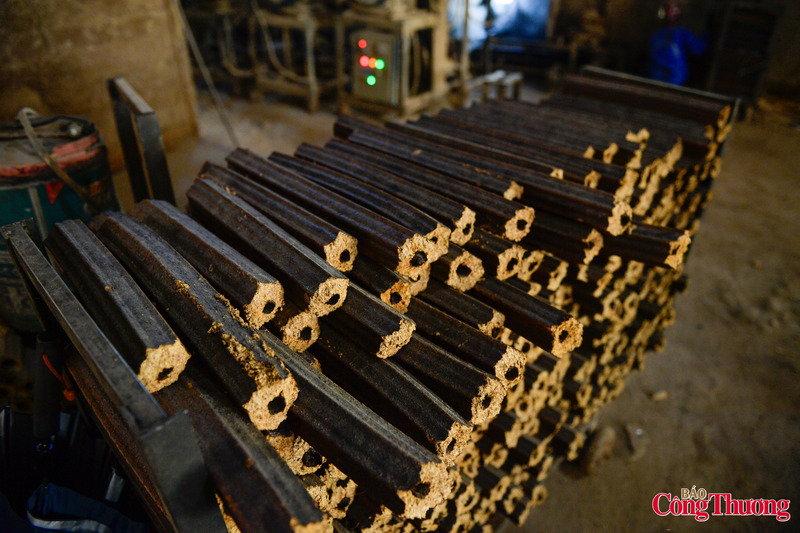
Besides its excellent combustion properties, high calorific value, low smoke and dust, and minimal toxic emissions, producing fuel from corn cobs also contributes to solving environmental pollution problems. This solution not only creates a new source of high-caloric fuel to replace coal but also addresses the issue of corn cob waste.
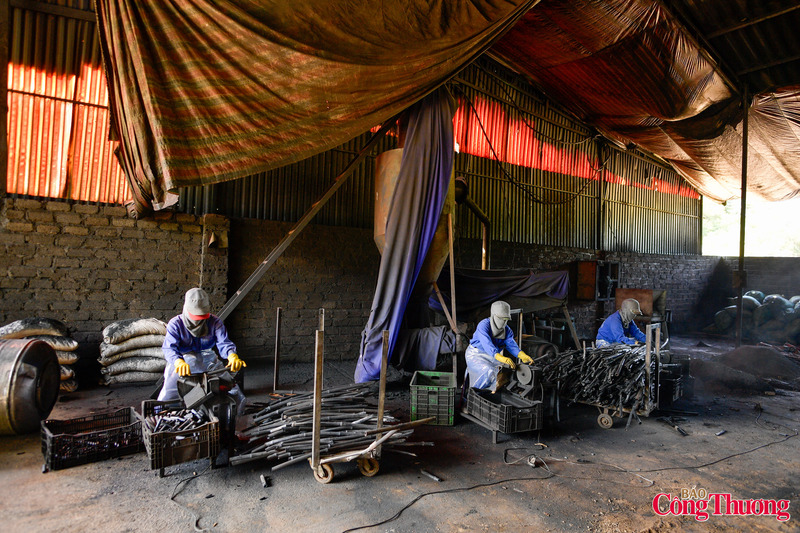
Currently, charcoal made from corn cobs is exported to the South Korean and Japanese markets. In addition, compressed fuel briquettes and biochar also have potential customers in agricultural and forestry processing facilities that use heating systems and boilers for domestic use.
Source: https://congthuong.vn/doc-dao-loi-ngo-phe-pham-thanh-vang-den-449982.html




![[Photo] General Secretary and President To Lam and the President of the Philippines hold talks.](https://vphoto.vietnam.vn/thumb/1200x675/vietnam/resource/IMAGE/2026/06/01/1780286997787_anh-man-hinh-2026-06-01-luc-11-09-43.png)

































































Comment (0)