

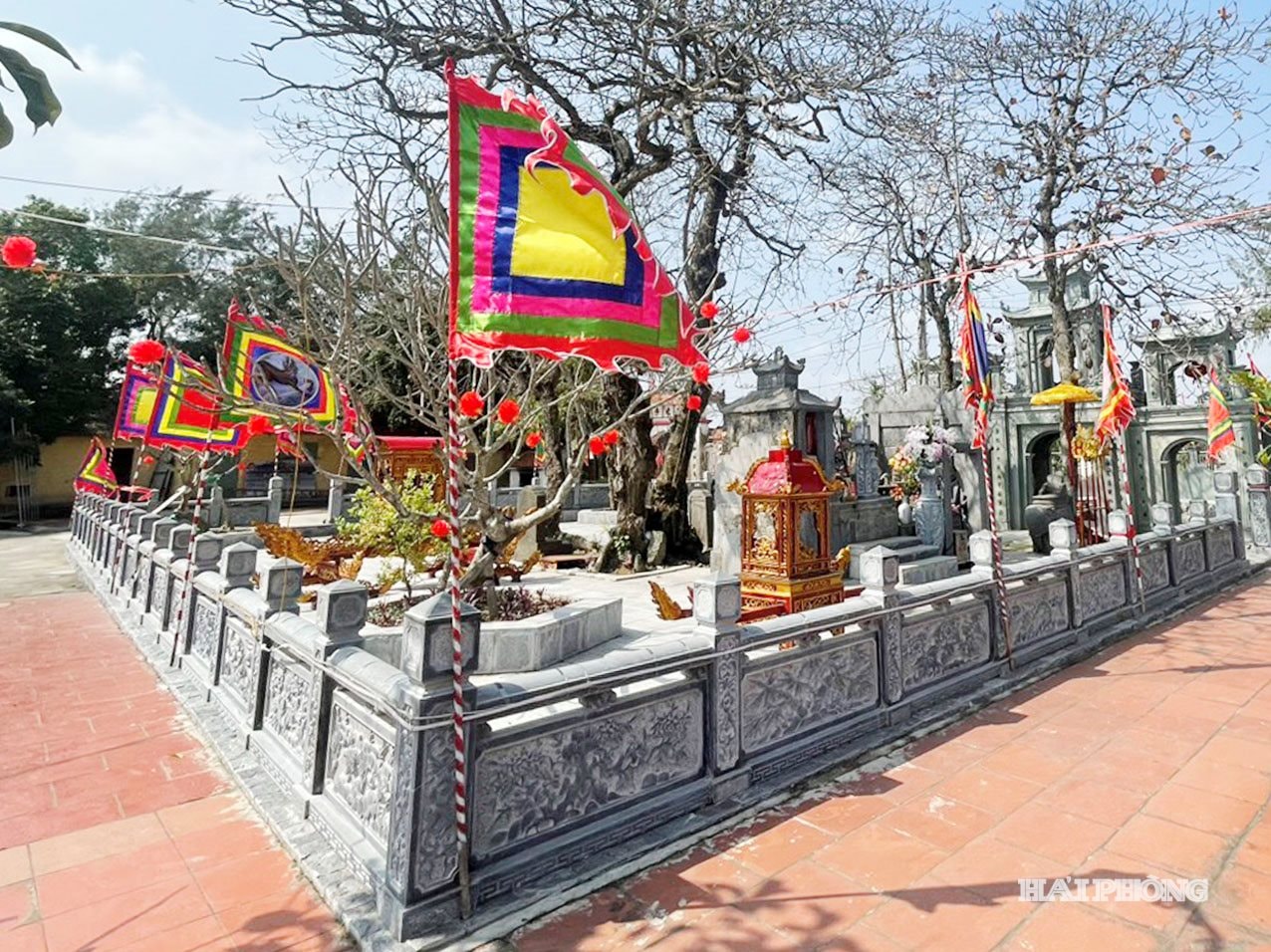
A masterpiece crafted from blue stone.
Canh Son Temple has long been considered a precious gem within the complex of Ngu Linh Temples in the former Tien Lang district, now Tan Minh commune, Hai Phong city, which includes Canh Son Temple, De Xuyen Temple, Ha Doi Temple, Gam Temple, and Cuu Doi Communal House. Each temple worships heroes and prominent figures who contributed to the locality; but Canh Son Temple stands out for its rare architectural style.
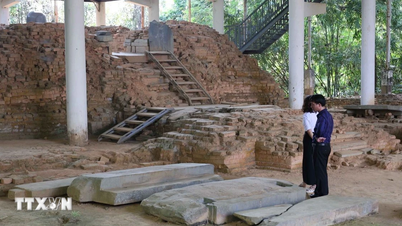
The temple has an open-air architecture, and all the religious artifacts are made of stone, such as incense burners, dragon thrones, ancestral tablets, incense bowls, incense holders, flower vases, couplets, and sacred animals. In addition, the temple's system of large inscriptions and couplets was composed by high-ranking Confucian scholars, such as prefects and district magistrates, as a charitable contribution to the temple. Because of these unique features, in 2003, Canh Son Temple was classified as a city-level historical and cultural relic by the People's Committee of the city.
Having withstood centuries of wind and rain, this ancient structure retains its majestic and unique appearance, becoming a vivid testament to the traditional stone carving skills and deep-rooted religious beliefs of the inhabitants of this coastal region.
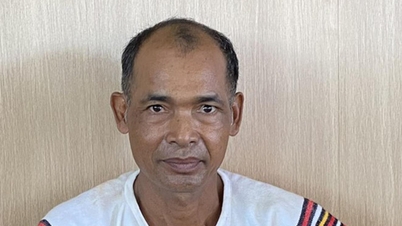
Mr. Tran Van Bon, an elderly resident of Tan Minh commune, said that in recent years, the restoration and preservation of the temple has been emphasized, contributing to the preservation of the original value of this "unique" stone relic. The stone used is mainly sourced from Kinh Chu Mountain (Hai Phong) - a region famous for its durability and color.
Thanks to the skillful hands of ancient artisans, each stone slab weighing hundreds of kilograms was carved, assembled, and stacked on top of each other in a sturdy yet harmonious structure.
What makes the temple special is that it has no roof and uses no binding materials. This creates a strange, unique beauty, making the temple look like a giant stone statue in the open air.
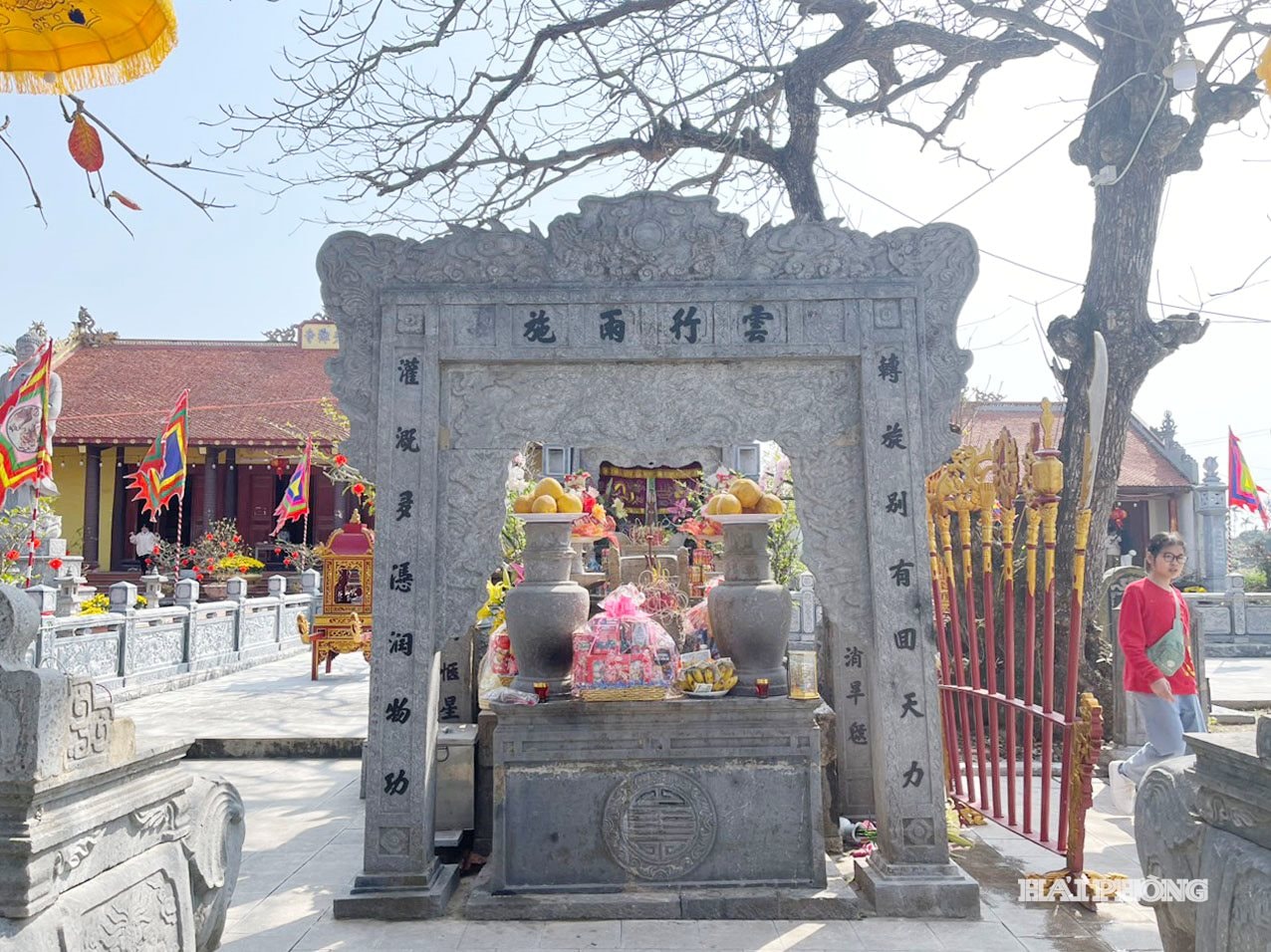
According to inscriptions and folk legends, the temple dates back to the Late Le Dynasty, around the 17th-18th centuries. Canh Son Temple (also known as Bi Temple) worships two great kings, the village's guardian deities, who are considered highly revered. These are Kim Son Linh Ung Dai Vuong and Ban Canh Tri Minh Dai Vuong, who helped King Hung defeat the Shu army and expand the territory more than 4,000 years ago.
The temple's architecture is simple yet unique: the front hall, the sanctuary, and the courtyard are all paved with stone. The carvings on the religious artifacts reflect traditional styles, featuring dragons, phoenixes, swirling clouds, and sea lion motifs.
Over time, the harsh climate has caused many details to wear down, but it is precisely this natural erosion that creates a poetic "patina of time," making the temple even more ancient and sacred.
Canh Son Temple not only possesses architectural value but also holds significant spiritual importance for the people of old Tien Lang. The Ngu Linh Tu – a complex of five temples – is a place of worship for deities who protect the villagers, bless their crops, and ensure favorable weather. Among them, Canh Son Temple is situated in what is considered a "left-hand protector," playing a sacred role in prayers for rain, water, and peace.
According to Hoang Thi Huong, Head of the Culture and Social Affairs Department of Tan Minh commune, the Ngu Linh festival, which had been interrupted for a long time after 1945, was restored in 2013 and recognized as a National Intangible Cultural Heritage in 2023.
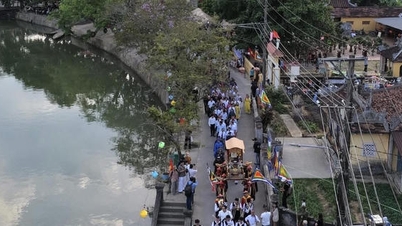
The festival consists of two parts: traditional rituals and festivities. The Mộc dục ceremony, a procession from five temples to Cựu Đôi communal house (Tiên Lãng commune), creates a sacred atmosphere and showcases the beauty of community solidarity.
Most distinctive is the rain-praying ritual, where people carry sacred objects and hold ceremonies at Bi Pond near Canh Son Temple. Elders carry sacred objects, and people row boats to pray for rain – a custom deeply rooted in agricultural life and reflecting the close relationship between humans and nature.
Let's work together to preserve this unique temple.
The harshness of time and climate has significantly impacted the temple's structure. Many stone elements are cracked, subsided, and eroded; the temple courtyard and access paths have been displaced after hundreds of rainy seasons.
Faced with this situation, the People's Committee of the former Tien Lang district, together with the local people, implemented a project to restore and renovate the Canh Son Temple relic. The restoration project, in 2023, aimed at a dual objective: preserving the unique stone architecture in its original state, while simultaneously reinforcing and adding necessary elements to ensure the temple is both durable and meets the needs of religious activities and sightseeing for locals and tourists.
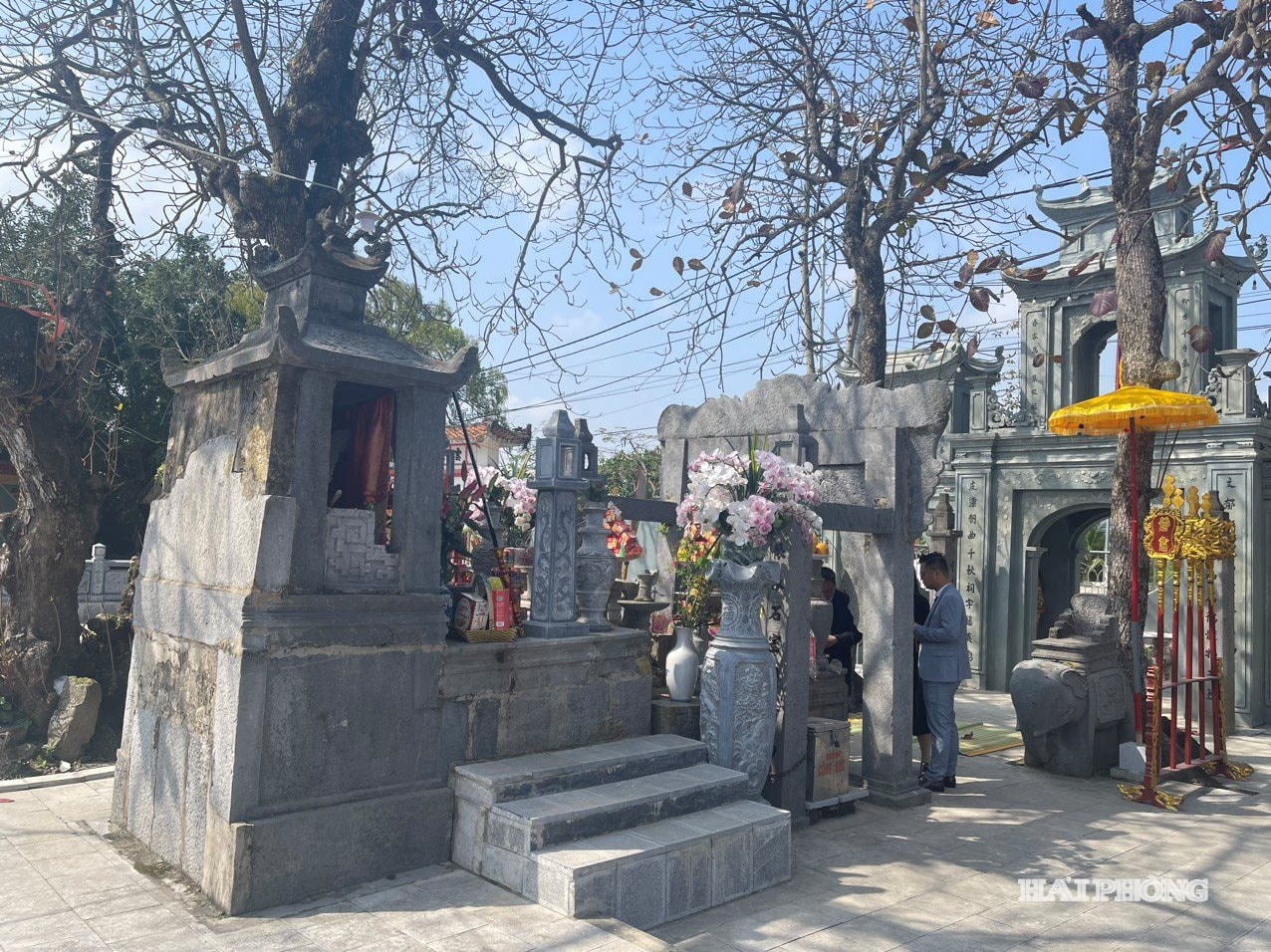
The restoration process preserved the traditional blue stone material, minimizing the replacement of original details, only restoring severely damaged parts, based on the original traces, and respecting the open-air element – a characteristic that creates the unique value of the temple.
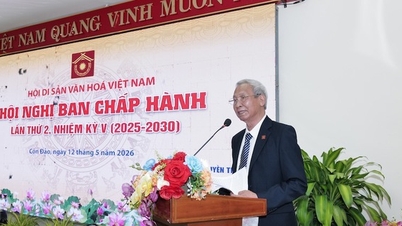
According to Nguyen Thi Bich Huyen, Vice Chairman of the Tan Minh Commune People's Committee, after being renovated, Canh Son Temple still retains its ancient and solemn appearance but has become more solid. The temple's space is clean, beautiful, and harmonious with the landscape, providing a complete experience for locals and tourists.
Proper preservation ensures the temple continues to stand as a witness to time, a thought-provoking cultural destination, and a testament to the enduring vitality of folk culture in the Red River Delta region.
Today, standing before the centuries-old stone temple, locals and tourists not only admire its architectural beauty but also feel the depth of history and culture of the ancient land of Tien. It is a rustic beauty, a crystallization of nature, the craftsmanship of artisans, and the spiritual life of generations.
Canh Son Temple is not only an ancient structure, but also a place that preserves the community's memory, local cultural identity, and the pride of the people of Tan Minh. In the current context, these values are even more precious and deserve to be preserved and passed on to future generations.
Source: https://baohaiphong.vn/doc-dao-ngoi-den-da-lo-thien-528809.html

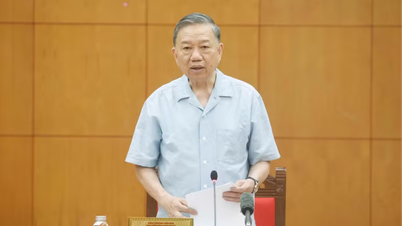
![[Photo] General Secretary and President To Lam presides over a meeting on assessing national development resources.](https://vphoto.vietnam.vn/thumb/1200x675/vietnam/resource/IMAGE/2026/05/20/1779253785852_a1-bnd-2943-8519-jpg.webp)






















































Comment (0)