With its high altitude and harsh climate, poverty reduction in Púng Luông was once a difficult problem. In reality, the rice fields in the Nậm Khắt area could only be cultivated for one crop per year, with unstable yields ranging from 2.8 to 3 tons per hectare. Considering investment costs, the total income from rice and corn only reached about 37 to 40 million VND per hectare per year – far too low for people to escape poverty.
To resolve this bottleneck, local Party committees and authorities have determined that they must break the monoculture system and shift from "agricultural production" to "agricultural economy ".

Nam Khat flower growing area, Pung Luong commune.
In line with the central and provincial government's policy on restructuring the agricultural sector, Púng Luông has reviewed all inefficient rice and hillside land areas to convert them to other crops. Based on scientific research and experience from regions with similar climates, the commune has planned concentrated production areas.
The key to achieving consensus was the motto "cadres and Party members lead the way so that the people follow." Experimental models for growing VH6 pears, crunchy persimmons, roses, and high-quality mushrooms gradually demonstrated their advantages by utilizing the unique highland climate to create distinctive products with high economic value.
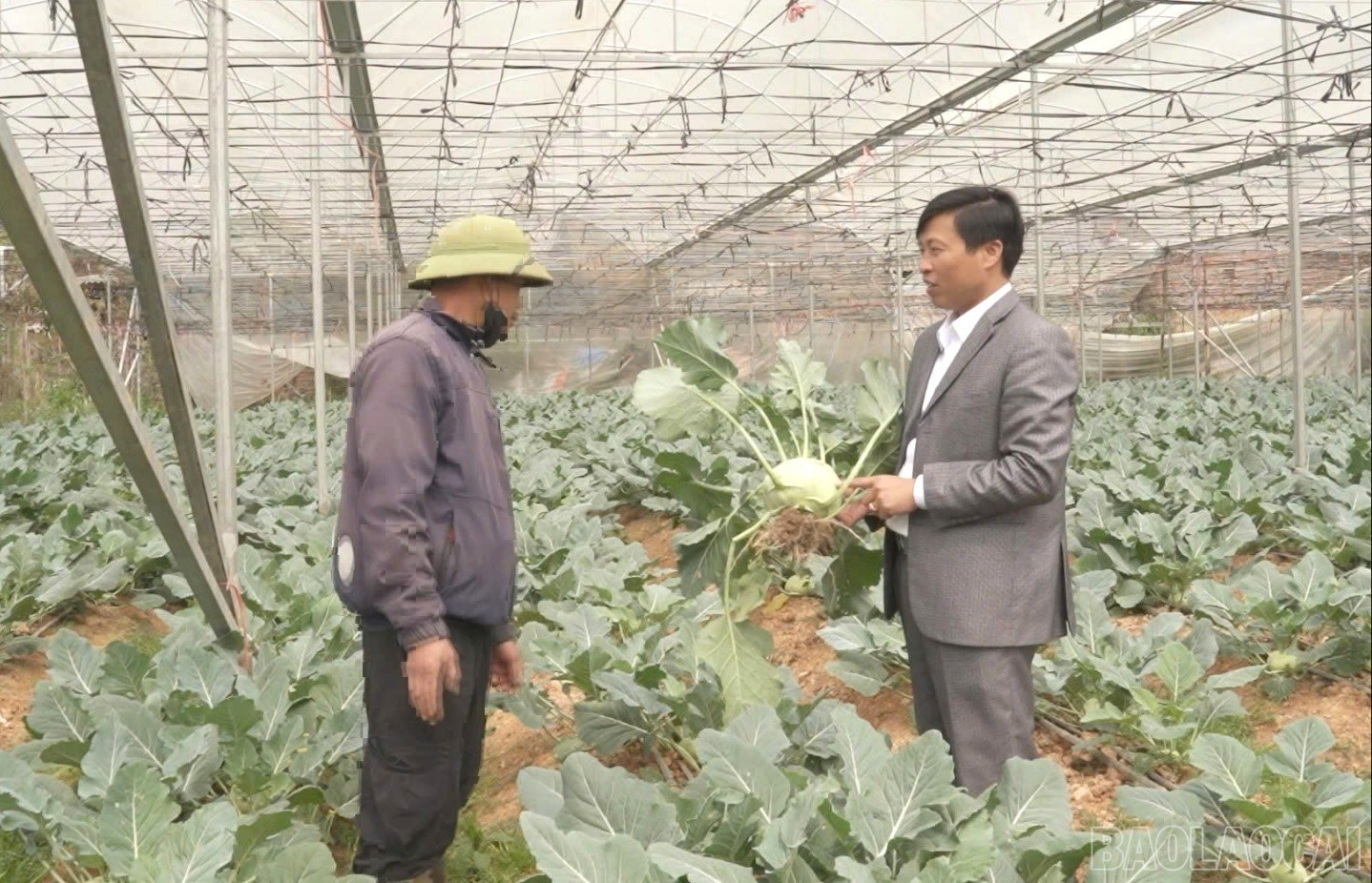
Leaders of Púng Luông commune visit and inspect the model of growing kohlrabi in greenhouses.
To date, the entire commune has converted 70 hectares to rose cultivation, 30 hectares to various vegetables (sweet peppers, tomatoes, kohlrabi, cabbage), and over 90 hectares to temperate fruit trees.
In practice, production shows an average value of 300 to 500 million VND/ha, 8 to 10 times higher than traditional farming. In exceptional cases, with high-quality roses or tomatoes, revenue can reach 700 million to over 1 billion VND/ha.
Speaking about this change, Mr. Pham Tien Lam, Chairman of the People's Committee of Pung Luong commune, said: "Currently, people are no longer solely dependent on rice cultivation. Many households with rice fields but lacking capital or technical expertise have leased their land to businesses and cooperatives for about 50 million VND/hectare . Afterward, these same landowners work as laborers on their land, earning 170,000 to 300,000 VND per day , equivalent to 4.5 to 6 million VND per month , much higher than their previous small-scale farming."
A bright spot in Púng Luông's economic landscape is the formation of value chains. The commune has encouraged the establishment of 19 cooperatives and 107 cooperative groups and interest groups. Businesses and cooperatives play a leading role in supplying seeds, transferring technology, and guaranteeing product sales, bringing agricultural products to supermarkets and major markets.
Mr. Tran Van Vy from the Nam Khat Flower Cooperative shared: "The soil conditions here are very suitable for producing high-quality roses. Currently, the cooperative supplies about 600,000 to 700,000 roses to the market each month , creating regular jobs for hundreds of local workers."
Similarly, Mr. Pham Van Hai, from Na Khat village, who is cultivating vegetables in greenhouses, said that the local climate is very favorable for developing agricultural products that meet VietGAP standards. This transformation is not only reflected in economic value but also shows a clear change in the awareness of ethnic minority people when accessing science and technology.
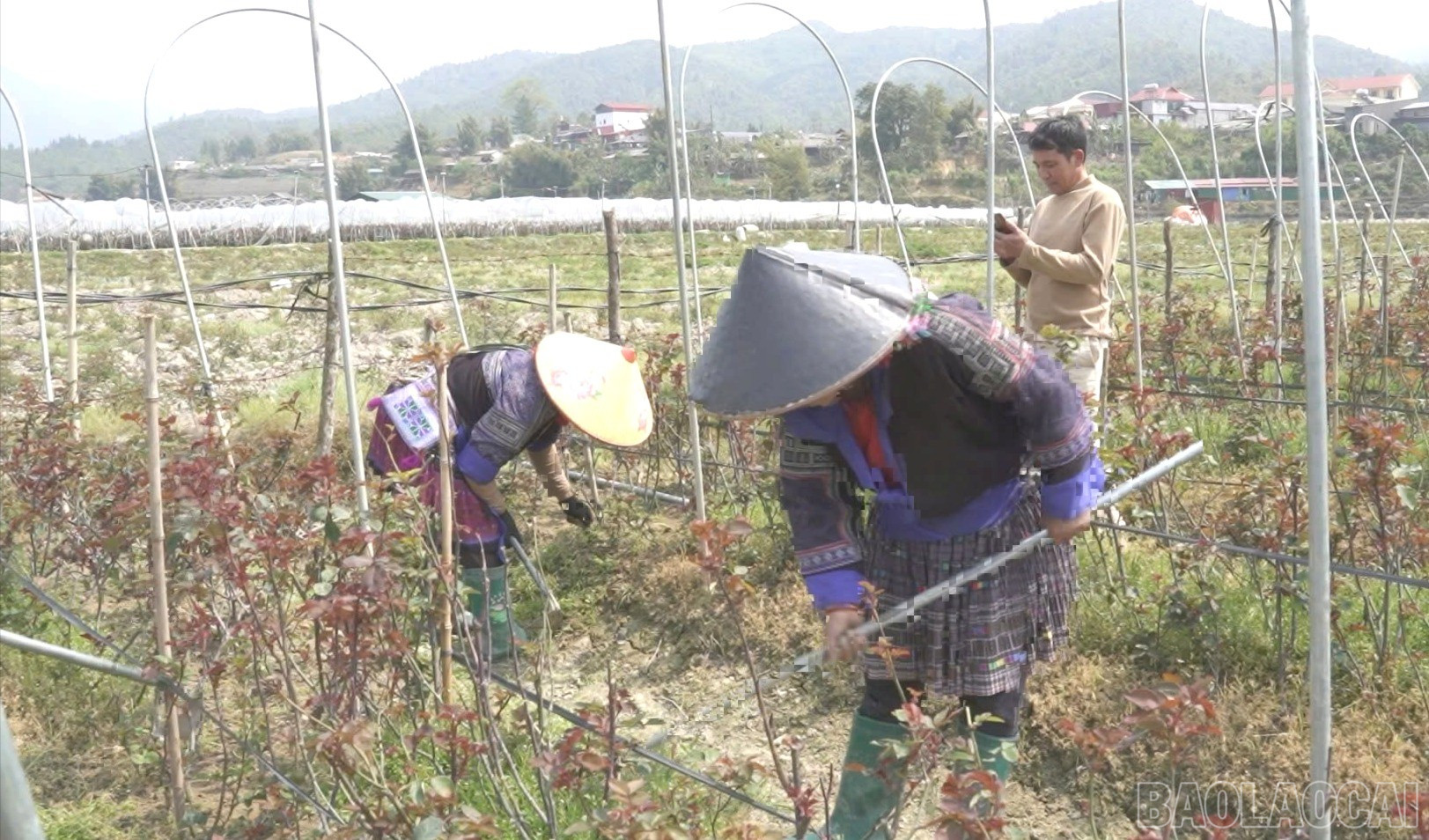
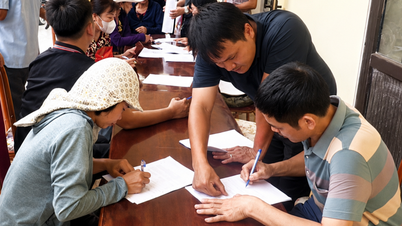
Local people have a stable income from working at cooperatives.
The effectiveness of breaking away from monoculture has directly impacted Púng Luông's social welfare indicators. Total revenue from the commune's key agricultural products in the most recent year exceeded 50 billion VND. Average per capita income reached over 30 million VND/year. The poverty rate decreased by an average of 10% each year, currently standing at 12.88% according to the old criteria.
The formation of concentrated production areas has also created jobs for 500 permanent workers and 400 seasonal workers, contributing to stabilizing the lives of many families.
Ms. Giang Thi Ninh, from Hua Khat village, said: "My family leased our land to the cooperative to grow flowers, and then we applied to work at the cooperative. We earn about 200,000 VND per day , which is a stable income, higher than growing rice."
The experience in Púng Luông shows that sustainable poverty reduction in highland areas cannot rely solely on direct support policies. Instead, it requires replanning production and transforming the crop structure based on the climatic and soil advantages of each region.
The close collaboration between the "four stakeholders" (the State, scientists, businesses, and farmers) has formed a closed production chain. People have not only escaped poverty but are also gradually becoming skilled "agricultural workers" with a market-oriented production mindset.
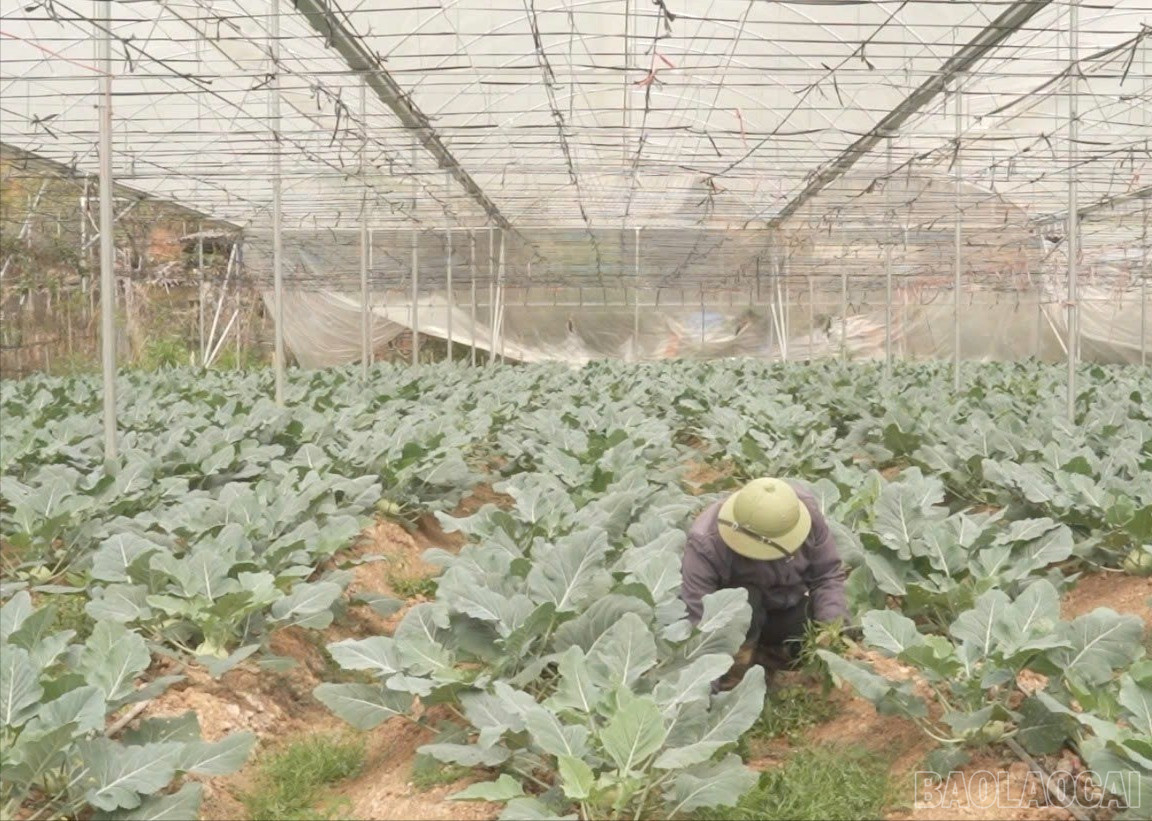
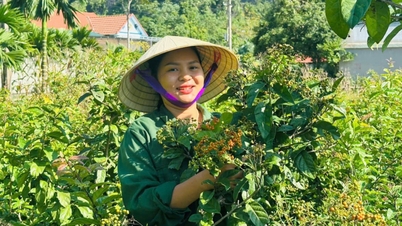
The shift in crop structure in Púng Luông has brought stable income to the local people.
To maintain and expand these results, the locality needs to continue investing in rural transportation infrastructure, irrigation systems, and promoting the application of high technology in production. At the same time, it needs to improve quality standards and build brands so that highland agricultural products can participate more deeply in large supply chains.
The initial success in Púng Luông shows that when the policies of the Party committee and government meet the consensus of the people and are guided by modern economic thinking, even difficult areas can create a strong transformation in economic development and sustainable poverty reduction.
Source: https://baolaocai.vn/cuoc-cach-manh-tren-dat-kho-pung-luong-post896027.html

































































Comment (0)