

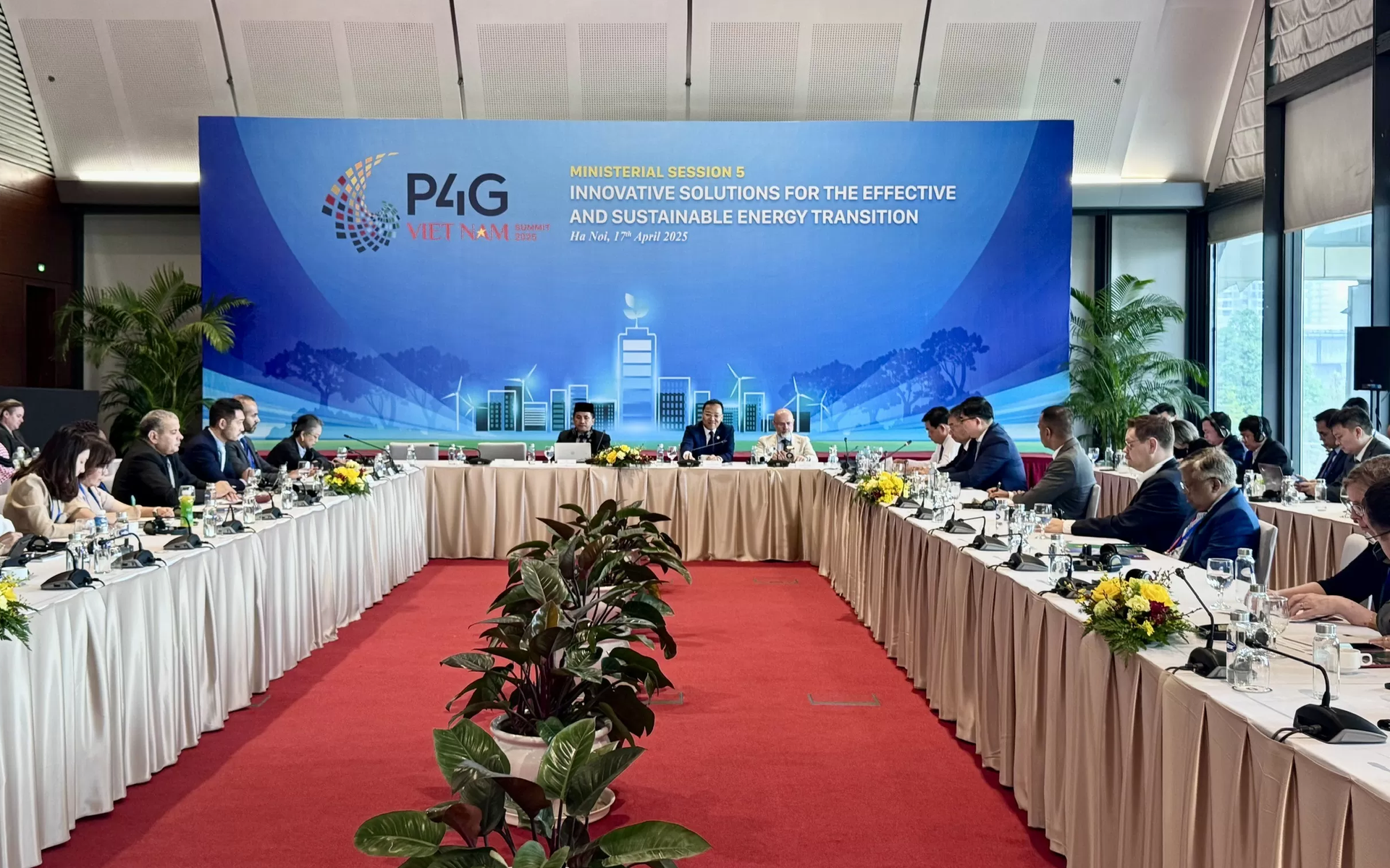
Deputy Minister of Industry and Trade Nguyen Hoang Long shared that Vietnam has implemented many national development solutions while simultaneously responding to the global context, requirements, and trends, realizing its commitment to achieving net-zero emissions by 2050.
In its journey towards sustainable energy transition, Vietnam has set out three important directions, the first of which is innovation in the energy sector.
This process will be carried out synchronously and decisively, from developing and promulgating policy mechanisms, solutions, and tools for implementation to mobilizing domestic and international resources…
Investing heavily in research and development of truly revolutionary technologies is the key to unlocking and overcoming the challenges of an efficient and sustainable energy transition.
In addition, the use of artificial intelligence (AI), smart grids, battery energy storage systems (BESS), hydrogen energy, etc., is becoming a new trend, helping to optimize efficiency and reduce costs.
However, for genuine innovation to occur, strong policy support is needed, including financial incentives and intellectual property protection for groundbreaking initiatives.
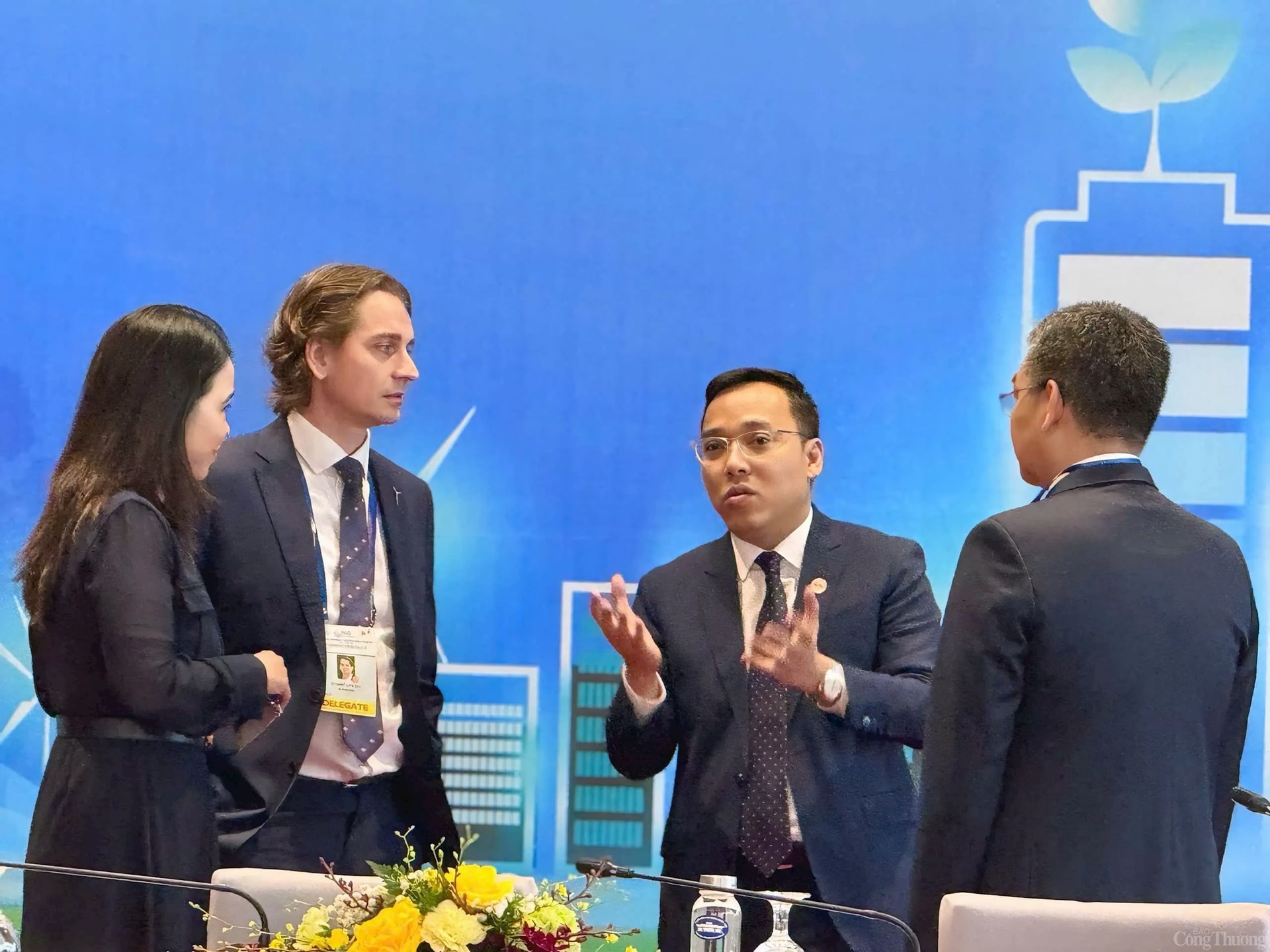
The second approach is the public-private partnership model and international cooperation. In this model, public-private cooperation serves as a bridge for both sides to share resources, minimize risks, and scale up the implementation of sustainable energy solutions.
Through international cooperation mechanisms and initiatives such as P4G, Vietnam shares and learns from many experiences and accesses financial resources, especially global green finance, to meet its sustainable development goals.
The ultimate goal is to put people at the center. Vietnam has made significant efforts to ensure that energy transition solutions not only serve major cities but also reach remote, mountainous, and island areas. Renewable energy projects, grid projects, and rural electrification projects have helped hundreds of thousands of households improve their quality of life.
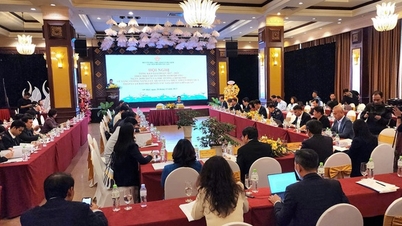
During the discussion session, domestic and international speakers exchanged ideas on innovative solutions and the application of new technologies to increase efficiency and sustainability in energy development and utilization.
Members of P4G also highly appreciate Vietnam's orientations and perspectives in the energy transition process.
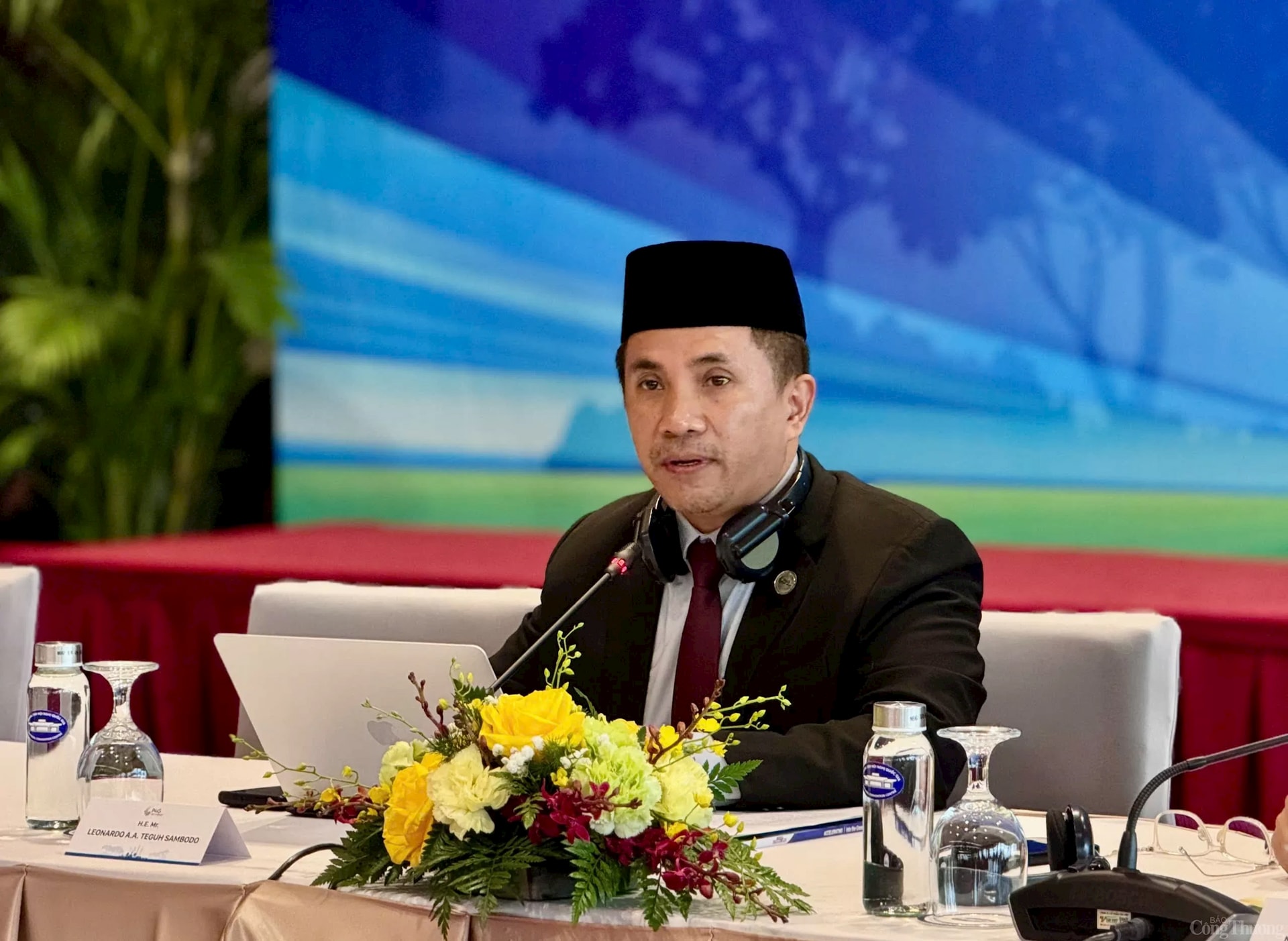
Mr. Leonardo AA Teguh Sambodo, Deputy Director of the Food, Resources and Environment Department, Ministry of Planning and Investment of Indonesia, stated that the discussion topic is closely aligned with Indonesia's strategy and global efforts to manage and promote an efficient and equitable energy transition.
For Indonesia, the energy transition has become a key driver in achieving the Indonesia Gold 2045 goal through a green, low-carbon, and climate-resilient economy .
Indonesia is currently aiming to accelerate the adoption of renewable energy, expand its electricity network, promote green transportation, boost bioenergy, and apply advanced technologies in areas where mitigation is difficult.
This strategy adapts to local energy potential and infrastructure, starting in areas with high demand and gradually expanding the penetration of renewable energy nationwide.
"The rollout will be supported by a variety of strategies to leverage cutting-edge technologies, adopt international best practices, and strengthen public-private partnerships," said Leonardo AA Teguh Sambodo.
From a local perspective, Mr. Trinh Minh Hoang, Vice Chairman of the Ninh Thuan Provincial People's Committee, provided information on the potential, strengths, and preferential policies for investment cooperation in the renewable energy sector in the province.
Ninh Thuan has been taking new directions and undergoing a strong transformation in socio-economic development, with one of the breakthroughs being the establishment of Ninh Thuan as a renewable energy center for the whole country.
To date, the province has 57 renewable energy projects with a total capacity of 3,749.942 MW. Annually, the total electricity generated and supplied to the national grid is estimated at 8.7 billion kWh, accounting for 6.69% of the total renewable energy electricity generation nationwide (130 billion kWh).
Source: https://hanoimoi.vn/doi-moi-sang-tao-chia-khoa-mo-cua-vuot-qua-thach-thuc-trong-chuyen-doi-nang-luong-699271.html


![[Photo] Prime Minister Pham Minh Chinh presides over a meeting on private sector economic development.](/_next/image?url=https%3A%2F%2Fvphoto.vietnam.vn%2Fthumb%2F1200x675%2Fvietnam%2Fresource%2FIMAGE%2F2025%2F12%2F20%2F1766237501876_thiet-ke-chua-co-ten-40-png.webp&w=3840&q=75)
































































Comment (0)