


After the merger, Chieng Lao has 39 villages with over 21,000 inhabitants belonging to the Kinh, Thai, Khang, La Ha, and Mong ethnic groups living together. The area is large, with the population distributed in both the reservoir area and the highlands. Taking advantage of the reservoir's water surface, diverse land, and climate, the commune has identified the development of agriculture, forestry, and fisheries, combined with livestock farming and the maintenance of traditional crafts, as the main solutions for economic development.
Mr. Vu Minh Thai, Chairman of the People's Committee of Chieng Lao commune, said: Based on a review of the potential of each area, the commune has developed appropriate development solutions. For villages along the lake, the commune aims to develop aquaculture, concentrated livestock farming, and fruit tree cultivation linked to the consumer market. For highland villages, the locality focuses on developing food crops and fruit trees on sloping land, combined with large-scale livestock farming and forest protection, ensuring both livelihoods and environmental protection.
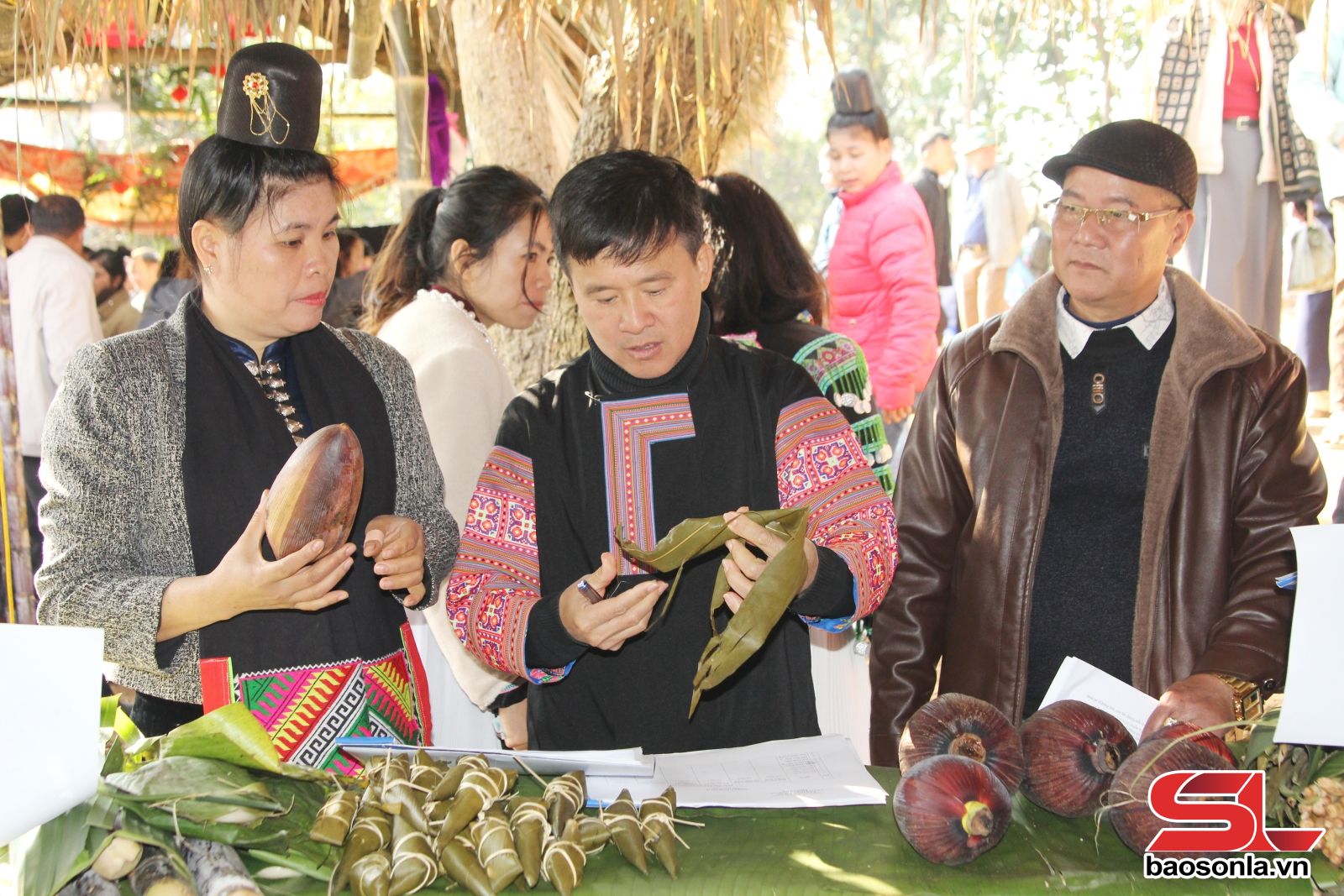
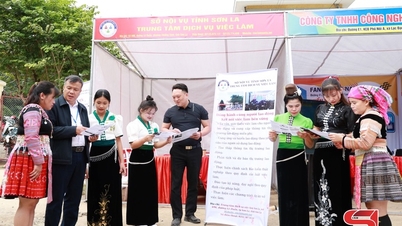
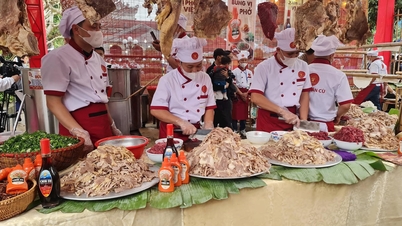
To create new impetus for development, the commune's Party committee and government focus on supporting the promotion of local products, creating conditions for households to participate in fairs, exhibitions, and product introductions at events inside and outside the province; at the same time, they proactively organize green markets in the locality, thereby expanding the consumer market and increasing the value of products.
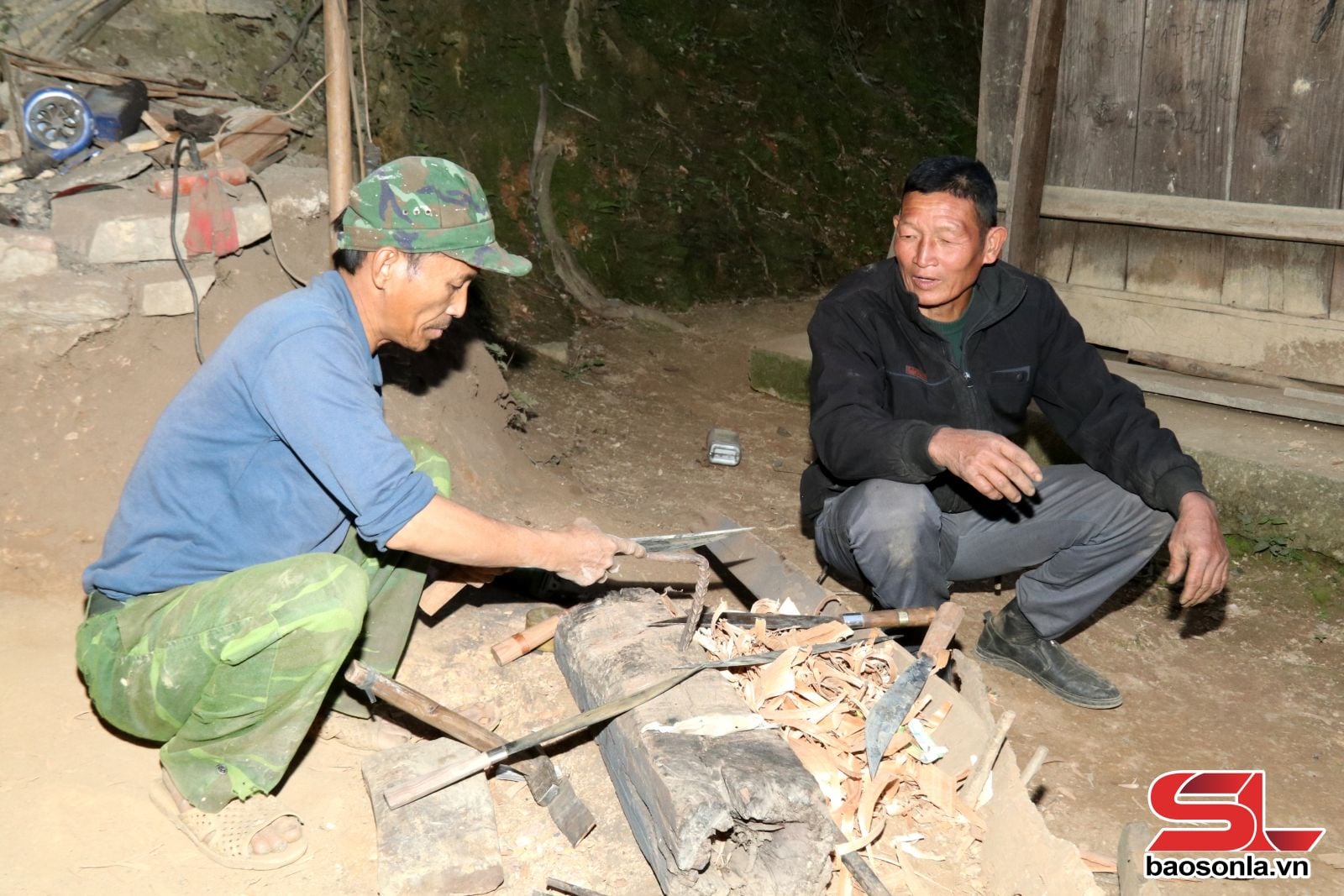
In Phieng Pha village, Mr. Lau A Trong's family has been involved in the craft of hand-forging knives for many years. In the blazing forge, the rhythmic sound of hammers on the iron anvils echoes. Mr. Trong shared: "Since participating in the fair, our family's products have become more well-known, and we even have customers from other provinces. Each month, we forge 30-50 knives, selling them for 200,000-400,000 VND per knife, depending on the type, providing a considerable additional income for the family."
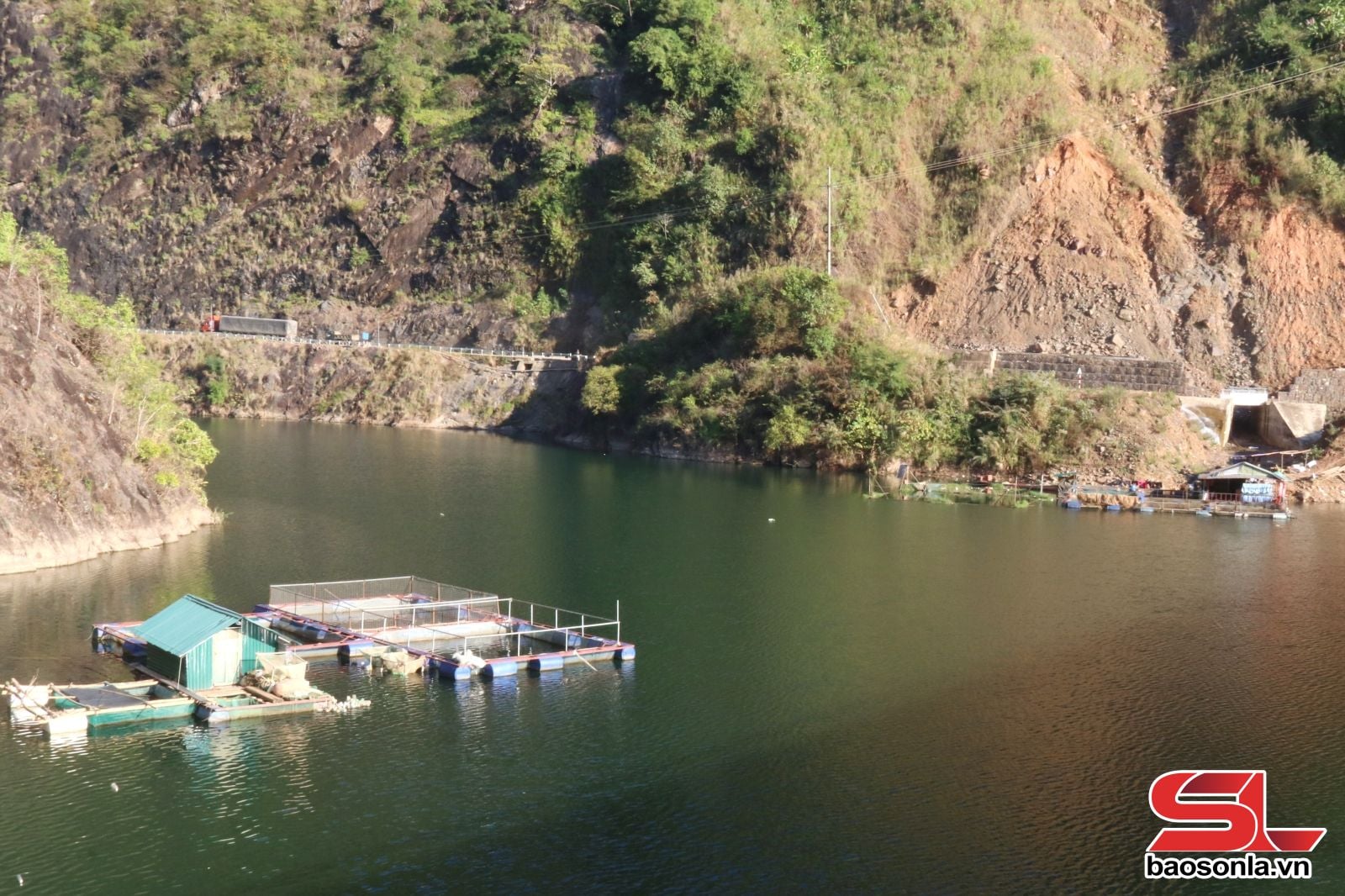
Mr. Luong Van Hai, Party Secretary and Head of Na Nong village, said: The village currently has 121 households and 558 inhabitants. The people mainly engage in agriculture , cultivating over 90 hectares of cassava, raising goats and cattle, and aquaculture with over 65 fish cages. Previously, cage fish farming was small-scale and spontaneous, resulting in low efficiency. In recent years, thanks to technical guidance and loan support from specialized agencies for cage construction, people have been raising various fish species such as tilapia, grass carp, black carp, and catfish... with an average yield of about 5 quintals per cage per year, selling at prices ranging from 50,000 to 100,000 VND per kilogram, contributing to a stable income for households in the village.
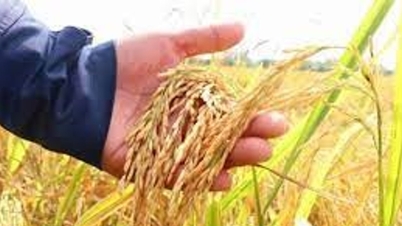
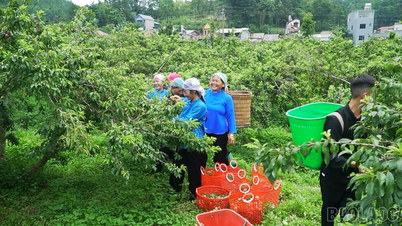
By 2025, the total area of annual crops in the commune will reach nearly 4,100 hectares; grain production will reach nearly 9,500 tons; fruit trees will be maintained at over 900 hectares, mainly mangoes, longan, and hawthorn. The entire commune currently has 322 concentrated fish cages, with a production of nearly 900 tons/year, becoming one of the important sources of income for villages along the lake. Livestock farming is developing steadily with a total herd of nearly 32,600 head of cattle and over 135,000 poultry. The poverty rate in the commune has decreased to 16.7%.
To facilitate the development of production among the people, the commune has also effectively utilized preferential credit capital from the Social Policy Bank. Through 34 savings and loan groups, 2,400 households have received loans, with a total outstanding debt of over 132 billion VND. This capital has become an important driving force, helping many households to boldly invest, expand production scale, transform farming and livestock models, create jobs, and increase income.
In partnership with farmers to develop the economy, Chiềng Lao commune continues to leverage the advantages of each village and region to develop production; creating conditions for people to access preferential capital, apply science and technology, replicate livestock farming and fruit tree cultivation models, and maintain traditional crafts to increase income and reduce poverty sustainably. At the same time, the commune encourages production linkages, enhances product value, and maintains the effectiveness of local markets, creating stable outlets for local agricultural products... laying the foundation for the locality's continued development towards the goal of sustainable poverty reduction.
Source: https://baosonla.vn/kinh-te/doi-thay-vung-long-ho-chieng-lao-l4hzWLKDg.html


































































Comment (0)