 |
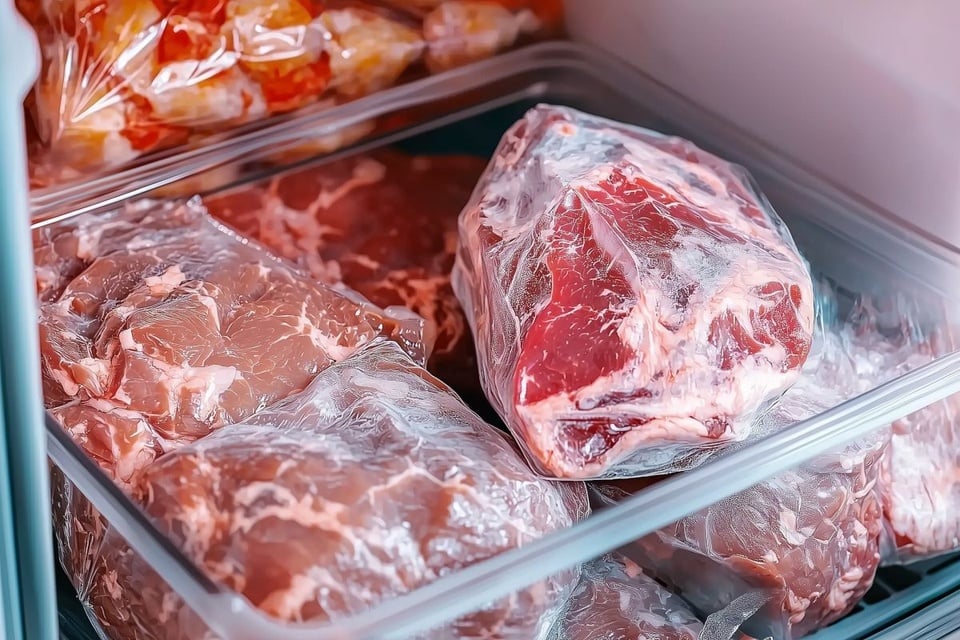
Freezing meat and fish properly will minimize nutrient loss. Photo: Daily Wrap. |
DHA is one of the omega-3 fatty acids that plays a crucial role in the brain and visual development of children, especially in their early years. It is also a nutrient that many nutrition experts recommend supplementing through fatty fish such as salmon, mackerel, and herring, or other omega-3-rich foods. However, many parents worry that freezing meat and fish for later use may lead to DHA loss, reducing the nutritional value of the meal.
According to a 2024 review in Foods magazine, proper freezing is one of the effective methods for preserving the lipid quality of fish, including omega-3 fatty acids such as DHA and EPA. Low temperatures slow down the activity of enzymes, microorganisms, and the oxidation of fats, thereby helping to maintain the nutritional composition of the food during storage.
This means that if fish or meat is frozen immediately after purchase, stored at a stable temperature of around -18°C, and not thawed multiple times, the DHA content is generally quite well preserved. This is also why many types of fish that are frozen on board the ship after being caught still have nutritional value almost equivalent to fresh fish when they reach consumers.


However, researchers also note that DHA is not entirely "immutable." As a long-chain unsaturated fatty acid, DHA can still be oxidized over time, especially if food is stored for too long, freezer temperatures fluctuate constantly, or packaging is not airtight, exposing food to excessive air. Oxidation is much slower at freezing temperatures, but it is not completely prevented.
For young children, it's important not only to ensure sufficient DHA intake but also to guarantee the quality and safety of their food. Therefore, parents should divide meat and fish into small portions before freezing to avoid having to thaw and refreeze them multiple times. When preparing meals, thawing should be done in the refrigerator's cool compartment instead of leaving it at room temperature for many hours to limit bacterial growth and reduce the risk of food quality degradation.
Experts also note that pork, beef, and chicken contain very little DHA compared to seafood, so freezing makes almost no significant difference in the nutrient content. If parents want to increase DHA intake in their children's diets, they should prioritize giving them seafood 1-2 times a week, as recommended for each age group.



Source: https://znews.vn/dong-lanh-thit-ca-co-lam-mat-omega-3-dha-post1664838.html

![[Photo] Strengthening character and expertise: Intense training for artillery soldiers.](https://vphoto.vietnam.vn/thumb/1200x675/vietnam/resource/IMAGE/2026/06/30/1782815602541_lu-368-1875-4571-jpg.webp)