

High determination, great effort, decisive action.
Resolution No. 06-NQ/TU of the Provincial Party Committee, 15th term, aims to implement a breakthrough in developing Quang Ninh's unique cultural identity, while rapidly narrowing the gap between rich and poor and regional disparities within the province. The resolution further affirms the province's consistent stance in directing the implementation of ethnic policies and investment in development for ethnic minority areas, mountainous regions, border areas, and islands, in accordance with the spirit of the 13th National Party Congress Resolution and Conclusion No. 65-KL/TW dated October 30, 2019, of the Politburo "On continuing to implement Resolution No. 24-NQ/TW of the Central Committee of the 9th Party Congress on ethnic affairs in the new situation".

With that orientation, Resolution No. 06-NQ/TU clearly identified key solution groups, including: Developing education and training, improving the quality of human resources; developing production and business, improving the effectiveness of investment attraction; reorganizing production in ethnic minority areas, mountainous regions, border areas, and islands towards developing ecological and organic agriculture associated with community tourism, ecotourism, and cultural tourism; using industry and services to promote agriculture, and urban areas to lead rural areas; developing a synchronous, modern, interconnected, and comprehensive socio-economic infrastructure. At the same time, it focuses on effectively implementing social security policies, improving social welfare; achieving gender equality and addressing urgent issues for women and children. Strengthening and consolidating the political system, building a national defense posture... When linked with the implementation of national target programs for the 2021-2025 period, Quang Ninh is determined to achieve targets and indicators higher than the national average, demonstrating proactiveness, creativity, breakthroughs, and suitability to the province's requirements and practical situation.
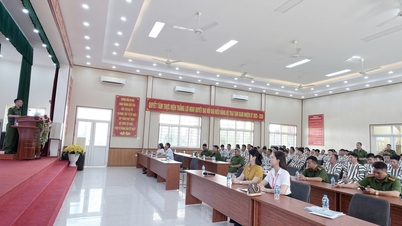
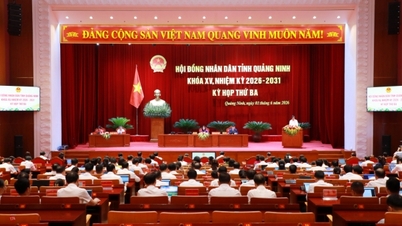
Immediately after Resolution No. 06-NQ/TU was issued, to ensure that the resolution's contents were thoroughly implemented in practice and achieved maximum effectiveness, on July 20, 2021, the Provincial Party Standing Committee organized a conference to directly disseminate the resolution to key officials and directed its widespread dissemination to each Party branch. Based on this, the entire political system promptly and decisively implemented the tasks through a series of resolutions, action programs, and plans issued by the Provincial People's Council and the Provincial People's Committee.

The provincial departments, agencies, and localities have also been very proactive in closely adhering to the content and targets set out in Resolution No. 06-NQ/TU, proactively developing plans according to their respective fields and sectors to ensure suitability and practicality; and promoting the role of core cadres in implementing policies at the grassroots level. At the same time, the Fatherland Front system and socio-political organizations at all levels in the province have also been very proactive in coordinating and widely disseminating information about the policies, contents, and progress of implementing specific tasks to concretize Resolution No. 06-NQ/TU at the grassroots level. In particular, this has been linked to the implementation of vibrant patriotic emulation movements among members, affiliates, and the people; encouraging a spirit of initiative and creativity through practical models, projects, and tasks that attract the attention and participation of the community.

Immediately after the first year of implementing Resolution No. 06-NQ/TU, the Provincial Party Committee organized a conference to exchange experiences among local Party committees, departments, agencies, and mass organizations, aiming to further improve the effectiveness of mechanisms and policies. Many specific work areas at the grassroots level were discussed and analyzed in detail, including: propaganda, mobilization, training, and promoting the core role of cadres at the commune and village levels in implementing policies for the people; investment and allocation of resources, and construction of socio-economic development infrastructure in remote and disadvantaged communes; and telecommunications infrastructure in remote, disadvantaged, island, and border communes. Along with this, discussions focused on obstacles, difficulties, and innovative experiences in mobilizing people to change crop and livestock structures, connecting agricultural product consumption, creating sustainable livelihoods, and increasing income. The province focuses on vocational training for young workers to facilitate labor and rural restructuring; it also entrusts the Social Policy Bank with providing loans for production... In particular, the province continues to uphold the policy of reforming the mechanism for mobilizing resources, gradually reducing direct investment from the budget, and increasing the mobilization of social resources; it boldly decentralizes and grants autonomy and responsibility to localities.
Fostering a proactive and creative spirit.
To concretize Resolution No. 06-NQ/TU, at its 2nd session, the 14th Provincial People's Council adopted Resolution No. 16/2021/NQ-HĐND (dated July 16, 2021) "Approving the overall program for sustainable socio-economic development associated with ensuring strong national defense and security in communes, villages, and hamlets in ethnic minority, mountainous, border, and island areas of Quang Ninh province for the period 2021-2025, with orientation to 2030". The resolution's content includes identifying the need to leverage all resources, exploit the existing potential and advantages of the regions; allocate and use resources rationally, economically, and effectively; and strengthen the mobilization, attraction, and socialization of resources for rapid and sustainable development. Especially, the use of the State budget as "seed capital" is crucial for mobilizing other resources. Prioritize the allocation of public investment funds appropriately, in line with the local budget's capacity, to focus on key projects and concentrate investment on truly urgent and essential works in healthcare, education , transportation infrastructure, etc.

With a high level of consensus, the implementation of Resolution No. 06-NQ/TU over the past five years has been continuously concretized in Quang Ninh through many innovative approaches, promoting very clear changes in reality. This includes improving the efficiency and expanding preferential credit capital for projects, households, individuals, and organizations developing production and business in ethnic minority areas, mountainous regions, border areas, and islands. At the same time, socio-economic development is increasingly linked to preserving and promoting cultural identity, protecting landscapes and ecological environments, conserving biodiversity, strengthening potential, and ensuring national defense and security...
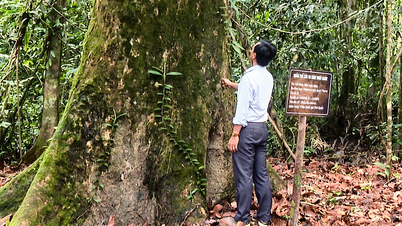
One of the major policies effectively implemented by localities in recent years is encouraging sustainable forestry development. This includes focusing on allocating land and forests, and contracting forest protection to households, communities, and businesses; aiming to both improve forest quality and increase economic value per unit area. As a result, people have stable livelihoods from the forest, and many effective forest-based economic models have been replicated, such as planting cinnamon and anise, combined with ecotourism and resort activities under the forest canopy. The province has a total of 144 forestry seedling nurseries, which have supplied over 462 million forestry seedlings of various types over the past five years. The provincial Forest Protection and Development Fund has collected 678 billion VND from projects and works fulfilling the obligation of reforestation, disbursing 124 billion VND for reforestation efforts. Thanks to these efforts, Quang Ninh now has 7 special-use forests with a total area of over 30,000 hectares (an increase of nearly 5,000 hectares compared to 2020); the forest cover rate has reached over 45.5%. The activities of forest management and utilization - reforestation - logging and processing of forest products, along with forest management, protection, and prevention of deforestation, have become closely and effectively linked, with increasing sustainability.

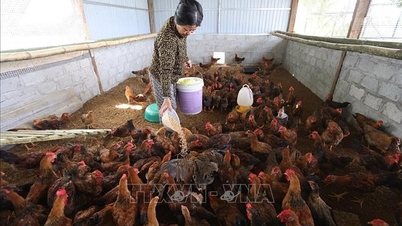
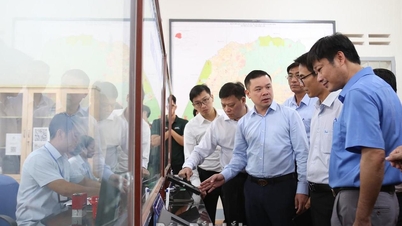
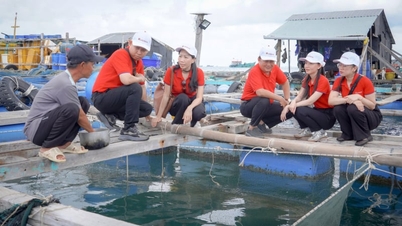
Not only in the forestry sector, many localities have implemented Resolution No. 06-NQ/TU with a proactive and creative spirit, achieving considerable success in reorganizing production in ethnic minority and mountainous areas, increasing the value of agricultural, forestry, and fisheries production. This is especially true in developing ecological and organic agriculture linked to community tourism, ecotourism, and cultural tourism; using industry and services to promote agriculture, and urban areas to guide rural areas. Specifically, this has been achieved through regularly monitoring and exchanging information with businesses, organizing meetings with businesses to research investment locations, and focusing on directing and supporting businesses in resolving their difficulties and obstacles. Leveraging agricultural advantages, many large-scale, specialized production areas have been formed; linked to the development of concentrated crop and livestock farming using high technology, environmentally friendly practices, and yielding high economic value.
For example, in communes such as Ba Chẽ, Bình Liêu, Hoành Mô, Quảng Tân, the Vân Đồn special economic zone, and Cô Tô, innovation is not only evident in the increasingly prosperous living conditions of the residents, but more importantly, in the mindset and actions of the majority of people in these localities. The expansion of major roads and the provision of reliable electricity grids for production have created favorable conditions for the emergence of numerous factories and farms. The mindset of commodity production and the linkage of OCOP (One Commune One Product) product consumption (cassava vermicelli, golden flower tea, tea, Bao Thai rice, medicinal herbs, chicken meat, etc.) has taken deep root in the people's consciousness, gradually replacing the previous small-scale, self-sufficient farming practices. Even village and hamlet meetings are no longer focused on subsidies and assistance, but primarily on discussing the development of cooperative economies, linking agricultural product consumption, preserving culture, and building advanced and model new rural areas.

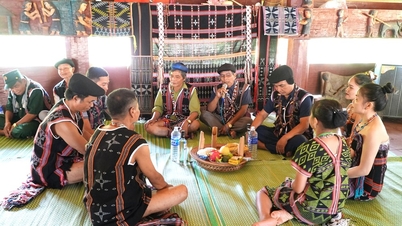
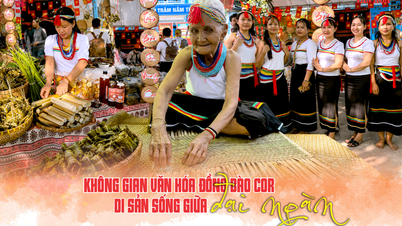
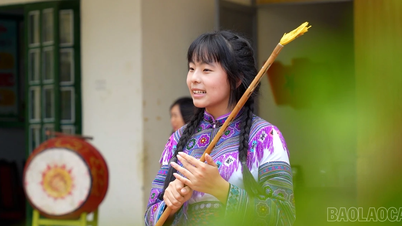
The positive developments in the ethnic minority, mountainous, border, and island areas of Quang Ninh are further amplified by the role of the Vietnam Fatherland Front and socio-political organizations. This is especially true in the propaganda and mobilization efforts to encourage members and the public to change their mindset of dependence and reliance, gradually eliminating outdated customs and traditions, and increasingly actively participating in movements to build a new way of life. A prime example is the high level of public support for policies encouraging people to donate land, crops, and structures for site clearance to serve infrastructure construction projects. Furthermore, the popular education movement has attracted widespread public interest, helping comprehensive digital transformation programs spread rapidly within the community. Similarly, many traditional cultural values (festivals, handicrafts, costumes, cuisine, etc.) of the Dao, San Chi, Tay, and San Diu ethnic groups have been restored and linked to the development of community tourism and experiential tourism, becoming a new and sustainable source of livelihood.
Efforts to narrow regional disparities
The five years of implementing Resolution No. 06-NQ/TU was also a challenging period for the province, facing significant impacts from the Covid-19 pandemic and unpredictable natural disasters and epidemics. However, Quang Ninh demonstrated unity, high determination, great effort, decisive and flexible actions from all levels, sectors, agencies, localities, the business community, and the people. This led to success in strategies for safe adaptation, maintaining stability and development in the new normal, and achieving many positive results in efforts to narrow regional disparities and comprehensively improve the quality of life for the people.

During the 2021-2025 period, Quang Ninh mobilized over 120,000 billion VND to implement development programs in disadvantaged areas, with state budget capital accounting for only about 16%, the remainder coming from social mobilization and policy credit. Remarkably, despite only accounting for about 16%, state budget capital strongly activated social mobilization and policy credit resources. As a result, key infrastructure projects connecting inter-regional and intra-regional areas; infrastructure for education, health, culture, irrigation, etc., were quickly invested in, completed, and put into operation, effectively contributing to development. To date, 100% of communes in ethnic minority, mountainous, and border areas have paved or concrete roads leading to the commune center; 100% of roads from the commune center to villages and hamlets have been concreted according to the New Rural Area criteria; and 100% of households in communes and villages have access to the national power grid.
Over the years, from infrastructure and equipment investment to policies attracting young doctors to local facilities, the health sector has gradually overcome difficulties, bringing quality medical services closer to the most remote communities. This is especially true in prioritizing resources for upgrading medical facilities, introducing new techniques, and implementing policies to attract skilled doctors from the provincial level to strengthen the workforce at the commune level. Units such as the Provincial General Hospital, Bai Chay Hospital, Obstetrics and Pediatrics Hospital, and Vietnam-Sweden Uong Bi Hospital directly provide professional support to health centers in mountainous and island areas. On average, each year, higher-level hospitals conduct over 150 instances of guidance, mentoring, and professional support for lower-level facilities. As a result, thousands of cases that previously had to be transferred to higher-level hospitals are now being treated locally.

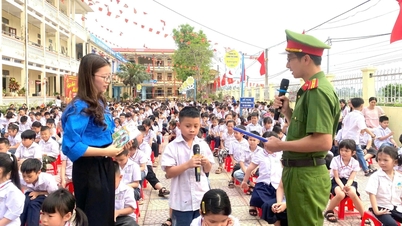
During the 2021-2025 period, Quang Ninh province allocated over 3,291 billion VND for education, training, and vocational education, 2.3 times more than the previous period. Of this amount, over 2,626 billion VND was specifically dedicated to building and upgrading schools, especially in mountainous areas and ethnic minority regions. With this substantial resource, all ethnic minority boarding and semi-boarding schools have now been modernized, safe, and comfortable. The percentage of schools meeting national standards is 92.07%, and the percentage of solid classrooms is 95.8%. The percentage of schools meeting national standards in disadvantaged areas such as Ba Che, Ky Thuong, Luong Minh, and the Co To special zone… has reached 100%. Many schools have been newly built, renovated, and put into use, including Ba Che Primary School, Tien Yen Primary and Secondary School, Quang La High School, Quang Ha High School, Dong Tien Primary School, and Ba Che High School…
Quang Ninh also allocates approximately 31.3 billion VND per year to support lunch expenses, summer school funding, and meal preparation for preschool children; and to support meals and childcare costs for boarding students... in ethnic minority areas, mountainous regions, border areas, and islands. The staff and teachers in these areas are also regularly strengthened in both quantity and quality through policies such as additional staffing, monthly allowances, accommodation arrangements, and professional development.
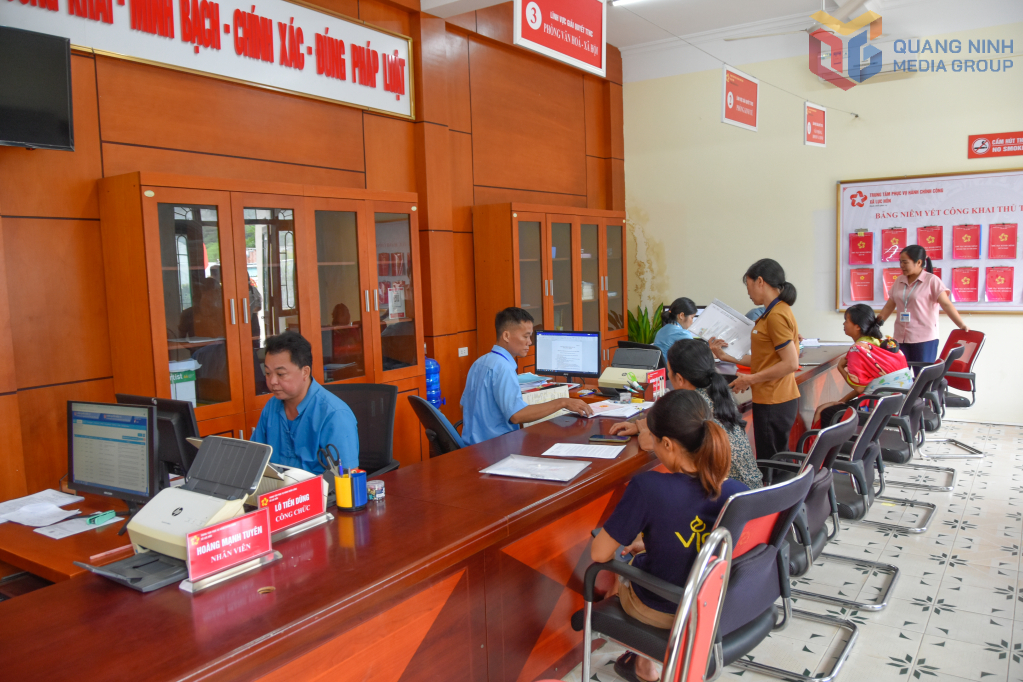
Efforts to narrow regional disparities have contributed to realizing the province's determination to ensure that all citizens benefit from development and inclusive growth, leaving no one behind. A review shows that the average per capita income in ethnic minority, mountainous, border, and island communes of Quang Ninh has reached nearly 84 million VND/person/year, an increase of over 40 million VND compared to 2020. The significant narrowing of the rich-poor gap and regional disparities has helped Quang Ninh complete the National Target Program for Sustainable Poverty Reduction giai đoạn 2021-2025 three years ahead of schedule, and move to implementing the province's new multidimensional poverty standard, which is higher than the national average. To date, the entire province has basically maintained that there are no longer any poor households according to the central government's criteria. regulations The province's multidimensional poverty standard for the period 2023-2025.
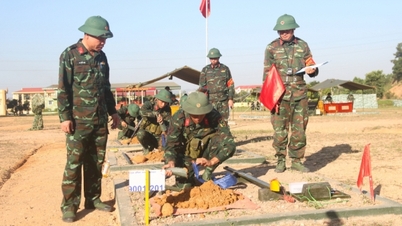
The impetus from Resolution 06-NQ/TU has contributed to promoting sustainable development for border and island regions – strategically important locations in terms of politics, economics, national defense, and security. Therefore, the achievements over the five years of implementing Resolution 06-NQ/TU have become a significant highlight in achieving the goal of maintaining peace, friendship, stability, and cooperative development in the border areas; ensuring political security and social order in Quang Ninh and the entire country.
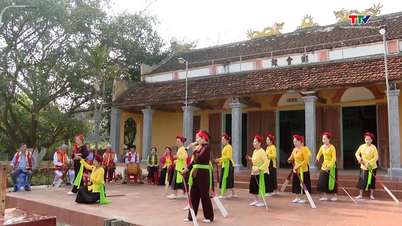
According to the Department of Culture, Sports and Tourism, the number of households achieving the title of "Culturally Advanced Family" and the number of residential areas achieving the title of "Culturally Advanced Village/Neighborhood" in Quang Ninh province have consistently increased year after year. By 2025, the province aims to have 96.9% of families achieving the title of "Culturally Advanced Family" and 97.9% of residential areas achieving the title of "Culturally Advanced Village/Neighborhood". The province has over 1,600 arts clubs, groups, and teams with over 30,000 members. Annual arts festivals and performances are regularly organized from the provincial to the grassroots level, creating a healthy and beneficial playground. Cultural institutions from the provincial to the grassroots level have received comprehensive investment, contributing to meeting the cultural and spiritual needs of the people... |
Source: https://baoquangninh.vn/dong-luc-tu-nghi-quyet-06-3393783.html

![[Image] Hanoi Police officially crowned champions of V-League 2025/2026](https://vphoto.vietnam.vn/thumb/1200x675/vietnam/resource/IMAGE/2026/05/31/1780244769054_ndo_br_039d561b692be875b13a-jpg.webp)

![[Photo] The General Secretary, President and his wife begin their state visit to the Philippines.](https://vphoto.vietnam.vn/thumb/1200x675/vietnam/resource/IMAGE/2026/05/31/1780230559452_anh-man-hinh-2026-05-31-luc-19-28-11.png)
![[Photo] Admire the coral "masterpiece" amidst the million-year-old heritage of Dak Lak province.](https://vphoto.vietnam.vn/thumb/1200x675/vietnam/resource/IMAGE/2026/05/31/1780221235105_anh-man-hinh-2026-05-31-luc-16-53-27.png)
![[Photo] Solemn bathing ceremony and Buddha procession in Hue](https://vphoto.vietnam.vn/thumb/1200x675/vietnam/resource/IMAGE/2026/05/31/1780228263543_1-jpg.webp)















![[Video] Sunset at Lap An Lagoon – Where the sun sets over the fishing nets](https://vphoto.vietnam.vn/thumb/340x192/vietnam/resource/IMAGE/2026/05/31/1780192137701_beach-landscape-sea-water-nature-grass-745871-pxhere-com.jpeg)

































































Comment (0)