

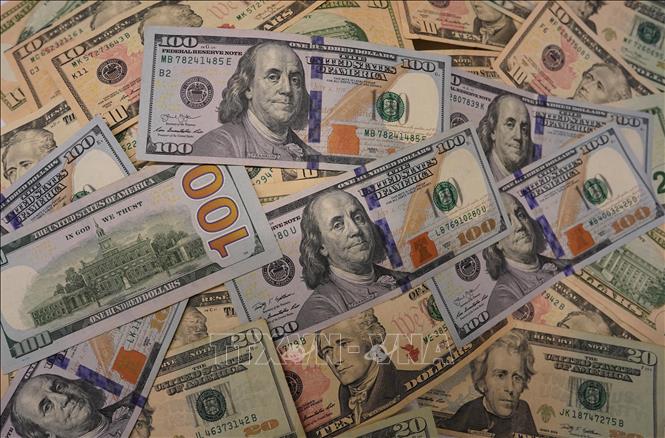
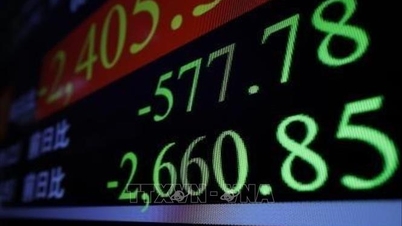
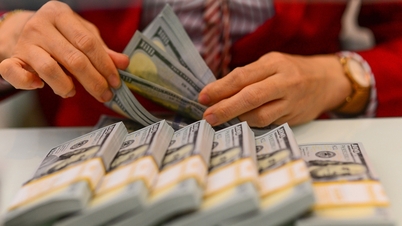
Specifically, the US dollar rose 0.8% to 1.1525 USD/euro, its highest level since November 2025, and increased nearly 0.4% to 158.48 yen in early Asian trading. Meanwhile, the British pound, along with the Australian dollar and the New Zealand dollar, all fell by more than 0.6% against the greenback. The US dollar even rose 0.5% against another safe-haven asset, the Swiss franc.
Bob Savage, head of macro market strategy at BNY, believes that oil is currently acting as a conduit influencing inflation expectations, interest rates, and the money market, creating a resurgence of the USD similar to the 2022 energy crisis. He suggests that the market this week will test whether the current conflict is a manageable shock or begins to reflect a more sustainable supply disruption.
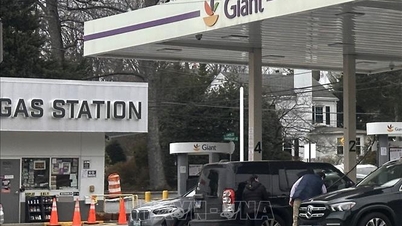
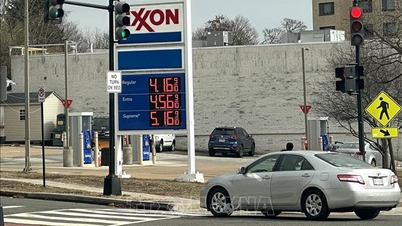
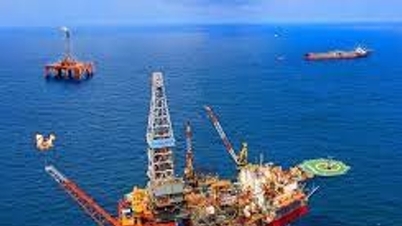
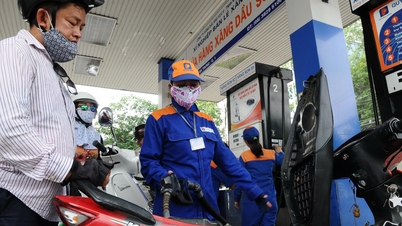
Brent crude and US crude oil prices have surged to over $108 per barrel, a price level that could negatively impact global economic growth. The conflict has led to a temporary halt in about one-fifth of global crude oil and natural gas supplies due to attacks targeting ships in the Strait of Hormuz and energy infrastructure in the region.
Speaking to the Financial Times, Qatar's Energy Minister predicted that all Gulf energy producers could halt exports within the next few weeks. He suggested this move could push oil prices to $150 per barrel. High energy prices not only exert pressure on the economy like a tax but also fuel inflation, leading investors to worry that central banks will hesitate to cut interest rates.
Source: https://baotintuc.vn/thi-truong-tien-te/dong-usd-cham-muc-cao-nhat-trong-ba-thang-20260309072539269.htm
![[Photo] Diary of the photojournalism contest “Vietnam on the journey of innovation”](https://vphoto.vietnam.vn/thumb/1200x675/vietnam/resource/IMAGE/2026/03/09/1773041117692_anh-man-hinh-2026-03-09-luc-14-24-45.png)
![[Image] Vietnam's diverse colors on its journey of innovation](https://vphoto.vietnam.vn/thumb/1200x675/vietnam/resource/IMAGE/2026/03/09/1773041390813_anh-man-hinh-2026-03-09-luc-14-28-17.png)

![[Image] 20 islands in the Spratly Islands special administrative region hold early elections.](https://vphoto.vietnam.vn/thumb/1200x675/vietnam/resource/IMAGE/2026/03/08/1772949669607_img-20260308-112026-90-jpg.webp)
























































![[Photo] Diary of the photojournalism contest “Vietnam on the journey of innovation”](https://vphoto.vietnam.vn/thumb/402x226/vietnam/resource/IMAGE/2026/03/09/1773041117692_anh-man-hinh-2026-03-09-luc-14-24-45.png)


























Comment (0)