

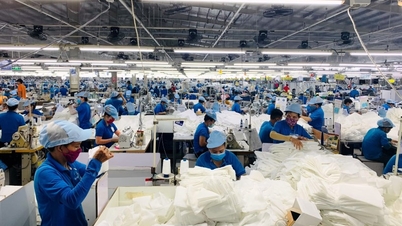
It is worth remembering that on May 4, 2025, the Politburo issued Resolution 68-NQ/TW on the development of the private economy. With a clear and consistent guiding principle, the private economy is the most important driving force of the national economy, a pioneering force promoting growth, creating jobs, increasing labor productivity, enhancing national competitiveness, industrialization, and modernization. This sector, with over 940,000 enterprises and more than 5 million business households, has been infused with renewed energy for breakthrough development, promoting innovation, applying science and technology, digital transformation, increasing labor productivity, enhancing competitiveness, and continuing to be the largest job creator for society.
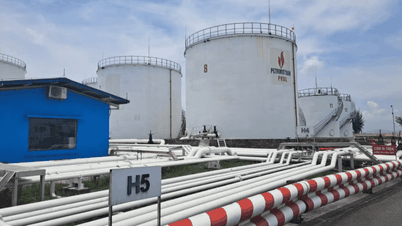
Following the successes in developing the private economy , the Politburo issued Resolution No. 79-NQ/TW on the development of the state-owned economy. The overarching guiding principle of the Resolution is that the state-owned economy plays a leading role in the socialist-oriented market economy, ensuring macroeconomic stability, major economic balances, strategic development orientation, and maintaining national defense and security; contributing to the promotion of cultural values and equitable progress and social welfare; and serving as an important resource for the State to control and intervene promptly to meet unexpected and urgent needs.

The state-owned economy is equal before the law with other economic sectors, developing together in the long term, cooperating and competing healthily; having fair, open, and transparent access to resources, markets, and development opportunities; and together with domestic economic sectors, building an independent, self-reliant, and strong economy, ensuring economic security, and promoting deep, substantive, and effective international integration.
State economic resources must be fully reviewed, inventoried, evaluated, and accounted for according to market principles, linked to socio-economic development goals and ensuring national defense and security. Removing bottlenecks and freeing up resources; managing, exploiting, and using them effectively, preventing loss and waste. Assessing the impact and analyzing the social cost-benefit of state investment in physical resources according to international practices. Effectively resolving the relationship between the state, the market, and society. Separating the use of state resources in providing public goods and services and fulfilling political tasks from business activities.
The state-owned economy must take the lead in creating development, guiding, paving the way, promoting industrialization and modernization, restructuring the economy, and establishing a new growth model, with science, technology, innovation, and digital transformation as the main driving forces, enhancing national competitiveness. It must accelerate the restructuring of state-owned enterprises; focus on improving operational efficiency, applying advanced technologies, and modern management models according to international standards. Emphasis should be placed on building and developing large state-owned economic groups, corporations, enterprises, and commercial banks that play a pioneering and leading role, creating momentum to promote key, strategic, and regionally and globally competitive sectors or essential sectors. The role of state-owned enterprises and public service units in collaborative research and development of science and technology should be promoted.
By 2030, the goal is to have 50 state-owned enterprises among the top 500 in Southeast Asia and 1-3 state-owned enterprises among the top 500 in the world; to build a number of strong, large-scale, technologically advanced state-owned economic groups and enterprises with regional and international competitiveness, playing a pioneering role in leading domestic enterprises to participate deeply in several global production and supply chains, especially in key strategic sectors of the economy; 100% of state-owned enterprises to implement modern corporate governance on a digital platform; and 100% of state-owned economic groups and corporations to apply OECD governance principles.
Resolution No. 79-NQ/TW sets the goal that by 2045, approximately 60 state-owned enterprises will be among the top 500 largest enterprises in Southeast Asia; 5 state-owned enterprises will be among the top 500 largest enterprises in the world; and at least 50% of public service units will be self-sufficient in covering recurrent and investment expenditures, or operating effectively according to market mechanisms.
We believe that, with its clear, accurate, and effective guiding principles, objectives, tasks, and implementation solutions, Resolution No. 79-NQ/TW will truly be a catalyst and a breath of fresh air, driving the comprehensive development and breakthroughs of the state-owned economy in the coming period. This will enable this economic sector to continue to grow, develop independently and strongly alongside the private economy, and lead the country into a new era.
Source: https://baoquangninh.vn/dot-pha-phat-trien-kinh-te-nha-nuoc-3392140.html




![[Photo] General Secretary and President To Lam presides over a working session with the Central Policy and Strategy Committee on the development of the materials industry.](https://vphoto.vietnam.vn/thumb/1200x675/vietnam/resource/IMAGE/2026/05/21/1779359935432_a3-bnd-3129-1412-jpg.webp)
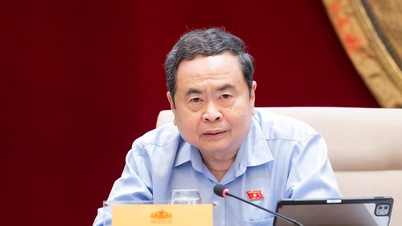
![[Photo] National Assembly Chairman Tran Thanh Man working with the Standing Committee of the Law and Justice Committee](https://vphoto.vietnam.vn/thumb/1200x675/vietnam/resource/IMAGE/2026/05/21/1779378929214_ndo_br_1-4610-jpg.webp)











































































Comment (0)