

.jpeg)
The enduring journey of the "pioneers"
Nestled amidst the Cam Thanh rice fields, beside the tranquil Do River, The Field Restaurant & Bar Hoi An is one of the sustainable tourism models that businesses in Central Vietnam are striving to build.
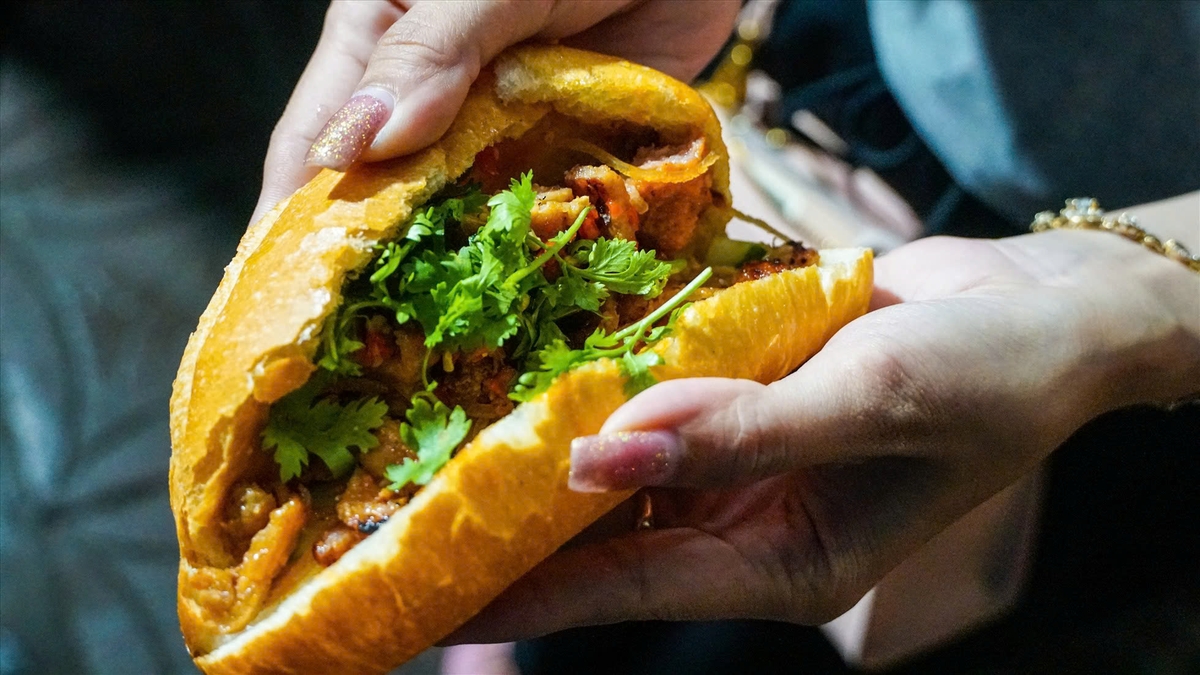
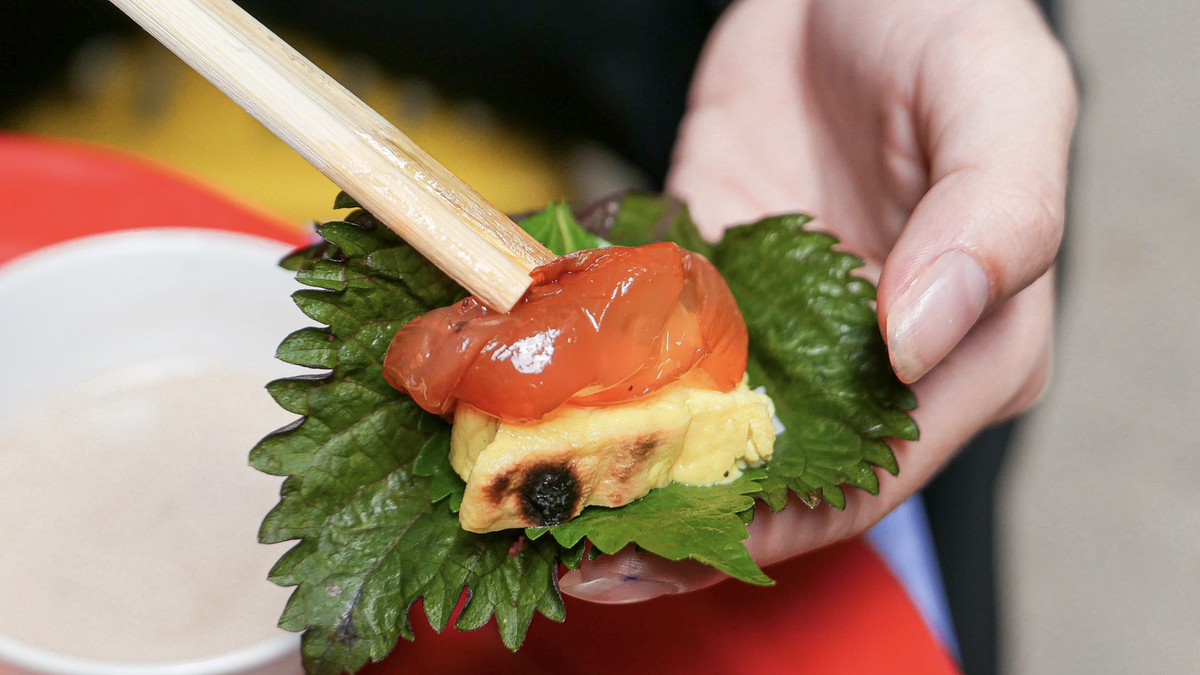
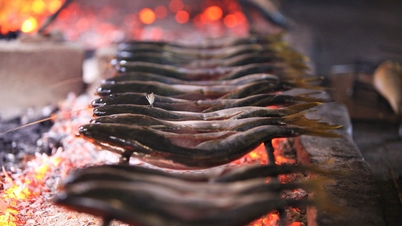
With a focus on developing eco-friendly, local cuisine , The Field offers a "Back to Bacsis" menu – returning to the original values of nature. Ingredients are sourced from the restaurant's organic garden or purchased directly from farmers in Hoi An, absolutely no imported ingredients are used.
Food is prepared according to the principle of optimizing ingredients, minimizing waste, and prioritizing seasonal ingredients.
The Field's commitment to sustainability extends beyond just ingredients, encompassing the entire operational process. The restaurant is rigorously controlled through a system of specific measurements in each department, aiming for zero emissions.
“When we first introduced The Field in 2014, we weren't simply launching a restaurant; we were building and operating a model that was closely linked to community and environmental responsibility. And that principle has stayed with us to this day,” shared Mr. Phan Xuan Thanh, Director of EMIC Hospitality (the owner and operator of The Field).
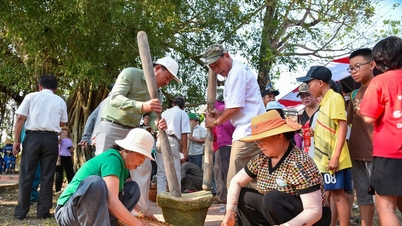
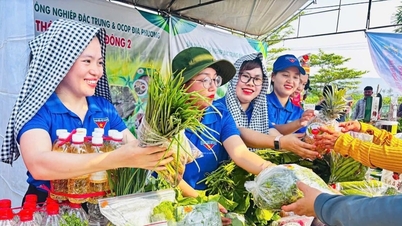
Besides culinary activities, The Field also organizes cultural events that recreate traditional life and integrate agricultural culture, such as "Culinary Experience in the Fields" and "Rural Tourism Market," with the participation of local people.
Through this, we share benefits, increase income for the community, and inspire the development of tourism based on nature and local identity.
With a 10-year commitment to green values, The Field has become the first restaurant in Vietnam to receive the Platinum Gold certification for carbon emission reduction from Magnus International – a well-deserved recognition for its responsible tourism model operated with dedication and a long-term strategy.
This leads to a shift in tourists' perceptions.
Alongside increased awareness from businesses, consumer behavior among tourists is also clearly shifting towards greater sustainability.
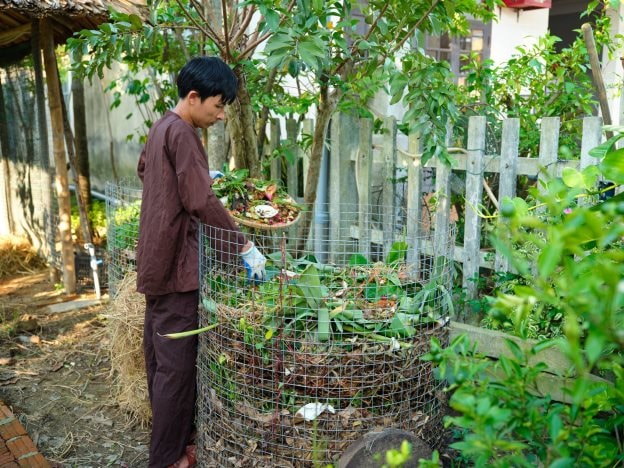
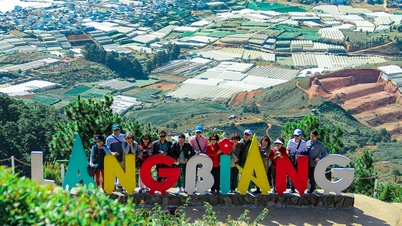
Beyond simply seeking beautiful scenery or amenities, today's travelers are also interested in how businesses operate: 41% of respondents consider reducing single-use plastic a top priority; 58% appreciate establishments with clear recycling policies; and 79% want their spending to support the local community.
In particular, 83% of the surveyed travelers said they wanted the destination to be better after each trip.
These figures clearly demonstrate a shift in tourists' travel mindset from "personal enjoyment" to creating a "positive impact".
Consequently, consumer behavior has gradually changed: moving away from passive sightseeing, it has shifted to participation, sharing, and leaving a lasting positive impression at the destination.
Sustainable tourism, therefore, is no longer an isolated choice but is becoming a benchmark driving the tourism industry into a comprehensive reshaping phase, proactively leading change towards a greener and more sustainable future.
In an interview with Booking.com, Zoritsa Urosevic, Executive Director of the United Nations Tourism Agency, stated that the tourism industry in 2025 is undergoing a significant shift, moving beyond economic goals to prioritize environmental restoration and cultural preservation.
“The way people approach travel is undergoing a profound change. Travelers are increasingly considering their destination, mode of transportation, and the impact of their journey on the world. They are drawn to authentic and meaningful experiences, gravitating towards slow travel, deeply immersing themselves in local culture, and making a positive contribution to their destination,” said Zoritsa Urosevic.
According to her, the tourism industry needs to move beyond conventional business practices and adopt regenerative measures that help restore ecosystems, reduce carbon emissions, preserve cultural identity, and enhance the status of communities.
The goal is not only to minimize harm, but also to create positive value for tourists and the local community.
Source: https://baodanang.vn/du-lich-ben-vung-gan-voi-cong-dong-3297329.html
![[Photo] Prime Minister Pham Minh Chinh receives the Chinese Ambassador to Vietnam](https://vphoto.vietnam.vn/thumb/1200x675/vietnam/resource/IMAGE/2026/04/05/1775397481797_ndo_br_dsc-5512-jpg.webp)














































Comment (0)