

- A tourist destination that combines sightseeing with learning about history.
- Ca Mau is ready for a series of 10 key tourism events in 2026.
- Developing sustainable tourism in Ca Mau with a strong cultural identity.
A place where the beauty of nature, culture, and people intertwine.
Ca Mau attracts tourists with its inherently free-spirited Mekong Delta character. The natural landscape here retains its unique, pristine beauty, with vast mangrove forests and a rich ecosystem at Ca Mau Cape – where every morning sunrise unfolds before visitors a surprisingly expansive and peaceful scene… This is the feeling many tourists have when they set foot in this land "at the very end of the map of Vietnam".
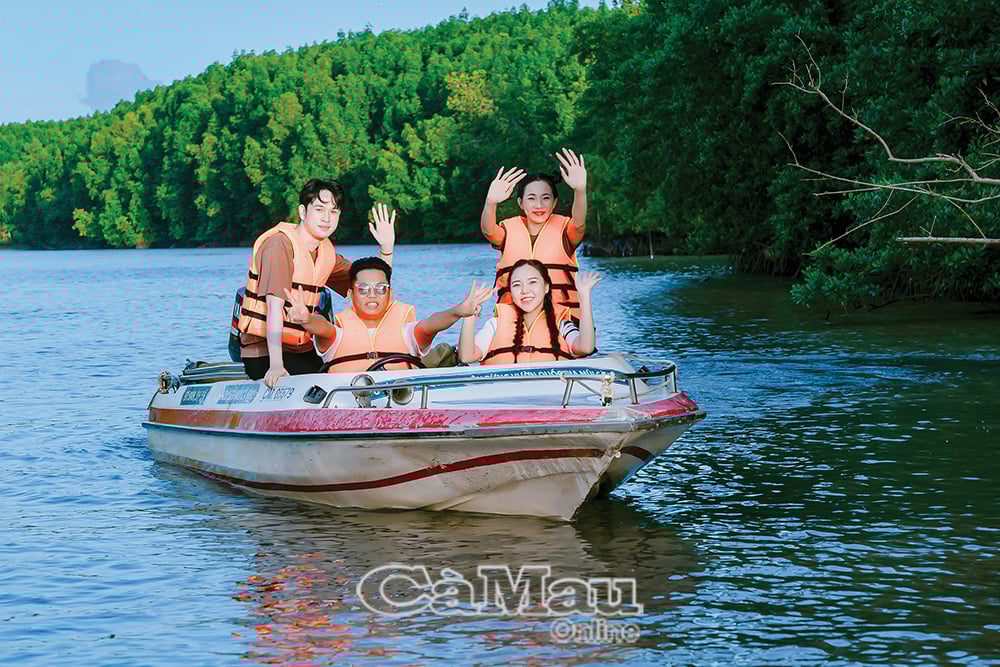 Tourists take a canoe tour through the forest at Mui Ca Mau National Park.
Blessed with abundant forests, seas, and picturesque landscapes, Ca Mau also possesses a rich history, nurtured by generations of resilient people who have clung to the land and sea. All these elements blend together to create a unique identity—gentle yet profound, simple yet enduring.
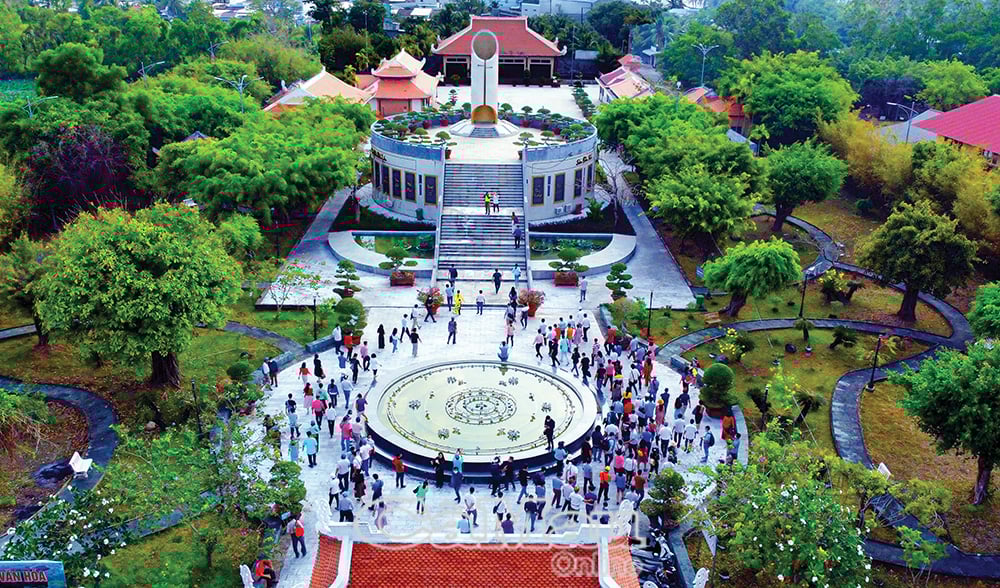 The Memorial Area for Southern Vietnamese Traditional Music and Cao Van Lau is one of Ca Mau's famous cultural tourism products.
While the scenery is the first thing that captivates visitors, the unique cultural identity, along with the simplicity, generosity, and hospitality of the local people, is what makes them reluctant to leave.
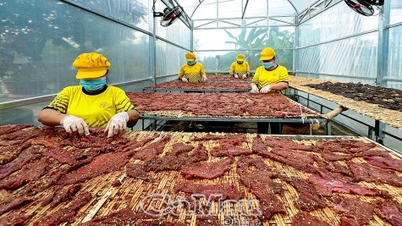
For a long time, Ca Mau has been famous as one of the important "cradles" of Southern Vietnamese folk music; traditional craft villages specializing in dried seafood and salt production linked to coastal livelihoods; the cultural exchange of three ethnic groups: Kinh, Khmer, and Hoa; and fascinating anecdotes about the early days of our ancestors' pioneering work in the South...
According to Dr. Tran Huu Hiep, Vice President of the Mekong Delta Tourism Association, these cultural and historical elements are "golden materials" for creating unique tourism products for this beautiful region.
Brand positioning based on available resources.
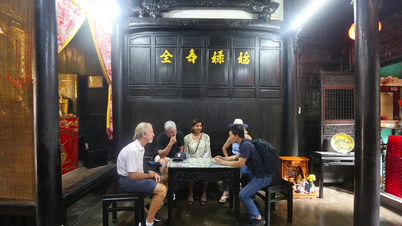
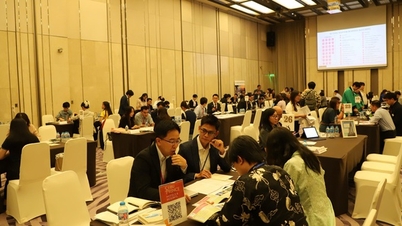
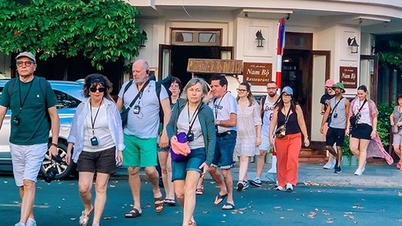
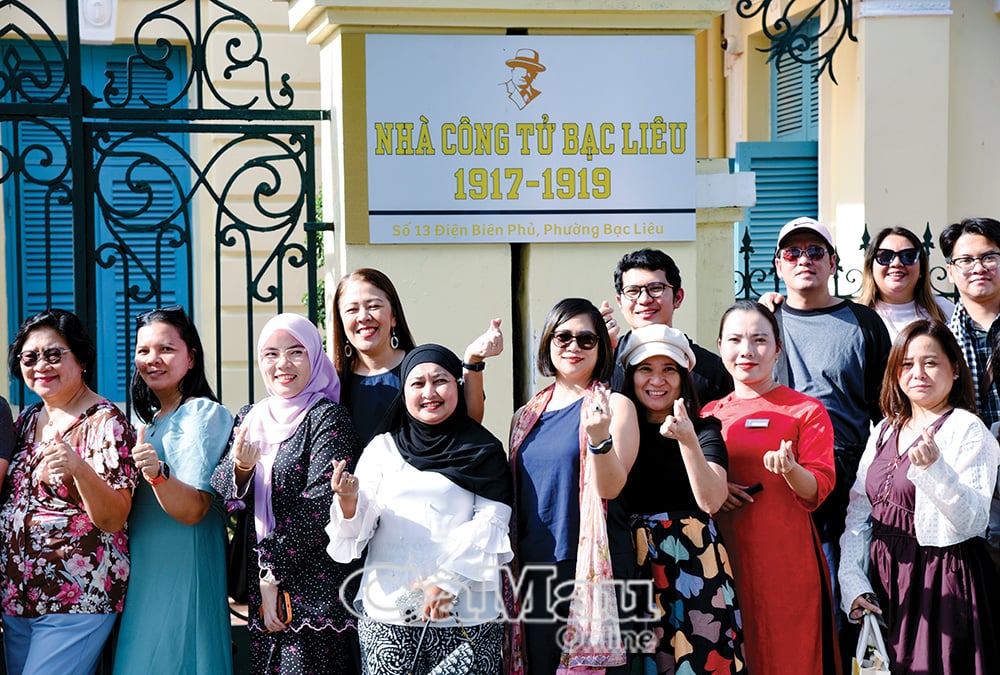 Famtrip tour groups from Malaysia and the Philippines take souvenir photos at the Bac Lieu Prince's House.
Ca Mau currently boasts 12 typical tourist destinations in the Mekong Delta region and is gradually asserting its position on the national tourism map. However, for tourism to truly become a key economic sector, the province needs to clearly define its direction based on its inherent advantages.
Mr. Le Thanh Phong, Permanent Vice Chairman of the Mekong Delta Tourism Association, emphasized: “To develop tourism, we must develop tourism products. To have distinctive tourism products, we must base them on the existing resource advantages of the locality; we should develop in the direction of what we are strong in and what we have available. At the same time, we need to pay attention to the needs of tourists to combine planning and creating new tourism products, routes, and destinations.”
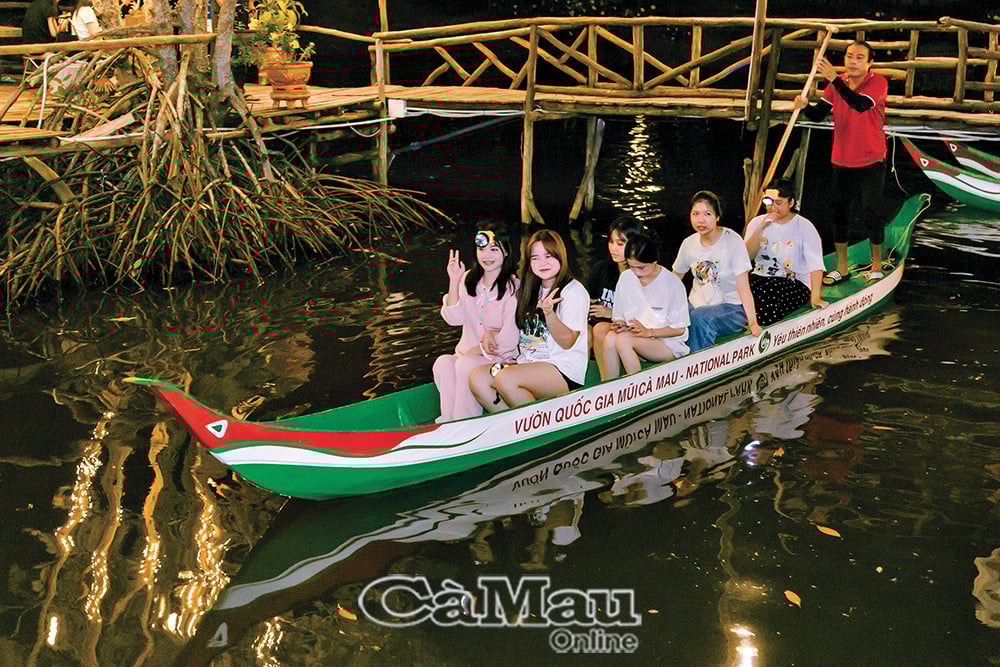 Tourists experience nighttime activities at the Sunset Tourist Area in Dat Mui commune.
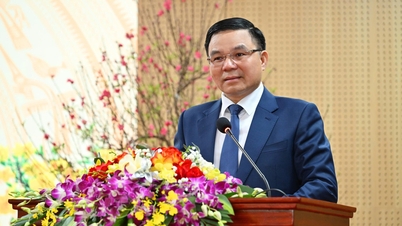
At the thematic workshop "Positioning Ca Mau's tourism brand within the national tourism framework," organized by the Ca Mau Provincial People's Committee in collaboration with the Vietnam Tourism Association, when discussing improving the quality of tourism activities and developing tourism in Ca Mau province, experts and managers unanimously agreed on positioning Ca Mau's tourism products as a destination for green tourism, cultural heritage , and traditional cuisine.
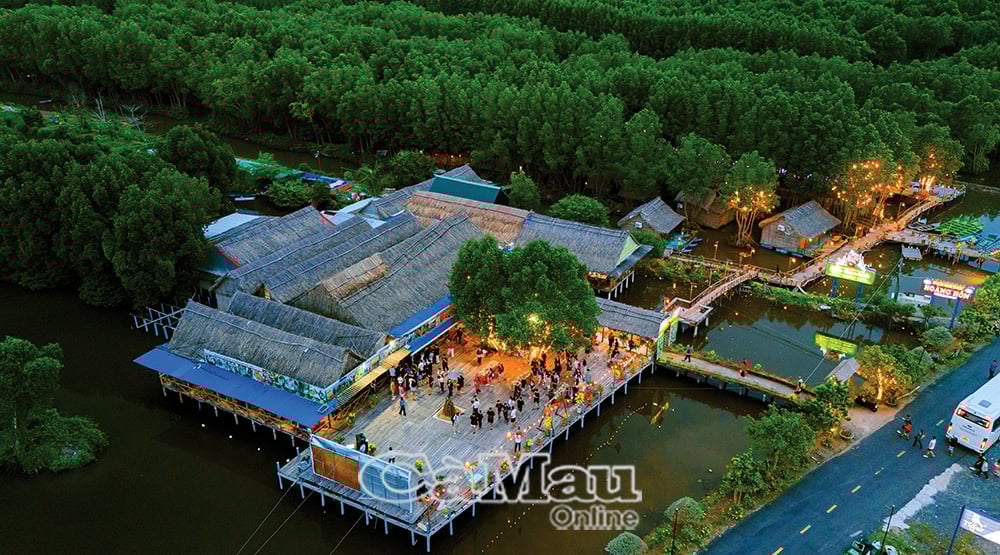 The Sunset Tourist Area is sparkling and romantic amidst the mangrove forest.
In the context of Vietnam's tourism development, the southernmost region of the country, with its pristine and abundant nature, distinctive culture, and potential for sustainable ecotourism development, has all the necessary foundations to become a destination of national and international stature.
Hoang Lam - Huu Tho
Source: https://baocamau.vn/du-lich-ca-mau-dinh-vi-thuong-hieu-a126370.html
![[Image] Me So Bridge - an important connecting point on the Ring Road 4](https://vphoto.vietnam.vn/thumb/1200x675/vietnam/resource/IMAGE/2026/03/06/1772781627165_ndo_br_dji-0917-jpg.webp)
![[Photo] People in Ho Chi Minh City experience the green space at Ly Thai To Park No. 1.](https://vphoto.vietnam.vn/thumb/1200x675/vietnam/resource/IMAGE/2026/03/06/1772783731988_01-9003-png.webp)
![[Photo] Prime Minister Pham Minh Chinh meets with representatives of female leaders and managers of central agencies and presents the Kovalevskaia Award 2025.](https://vphoto.vietnam.vn/thumb/1200x675/vietnam/resource/IMAGE/2026/03/06/1772789429283_ndo_br_dsc-1149-jpg.webp)












































Comment (0)