

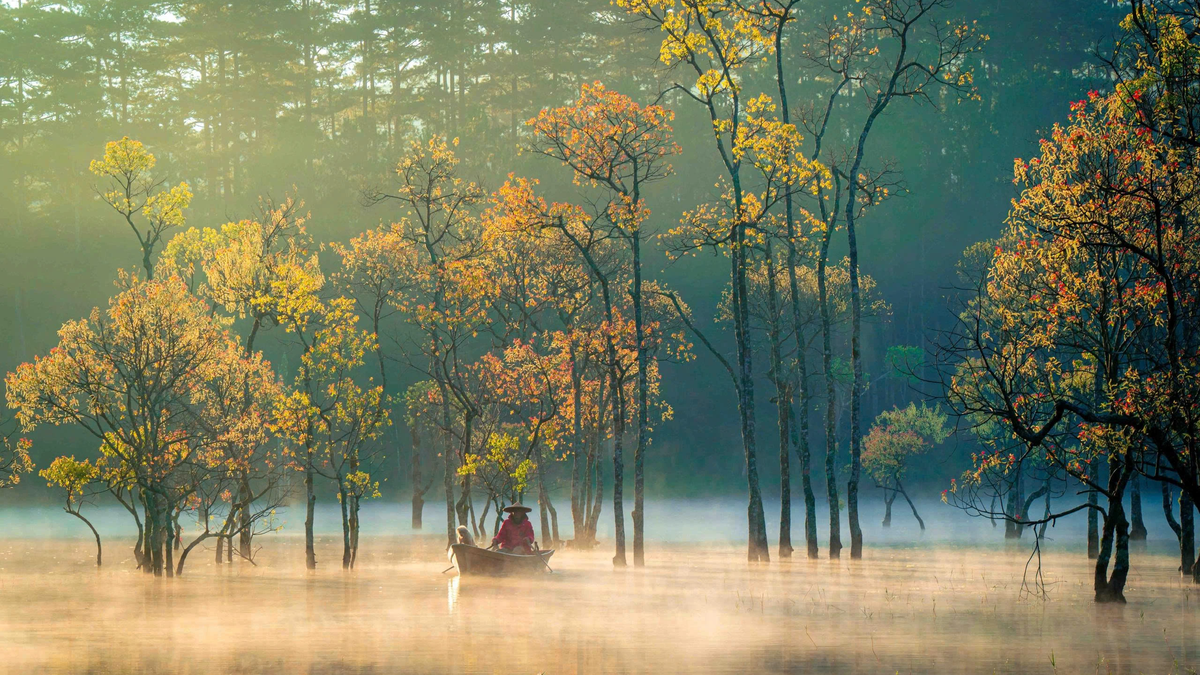
Every spring, Cao Bang becomes a popular destination for history enthusiasts and those wishing to reconnect with their roots. With its historical sites and scenic landscapes, Cao Bang promises a meaningful journey at the beginning of the year.
Heritage tourism is a meaningful journey that helps travelers connect deeply with the historical and cultural roots of the nation, while also discovering majestic natural beauty and precious traditional values. Each trip to the heritage is not only a journey of discovery, but also an opportunity for each person to find peace, feel more deeply about their love for their homeland, and develop an awareness of preserving the precious historical and cultural values of the nation.
As the birthplace of the revolution, Cao Bang has many "red addresses" that have become ingrained in the consciousness of every Vietnamese citizen, such as: the Pac Bo National Special Historical Site (Ha Quang) - associated with the great revolutionary activities of President Ho Chi Minh and the Central Party Committee during the period 1941-1945; the Tran Hung Dao Forest National Special Historical Site (Nguyen Binh) - marking the establishment and first victory of the Vietnam Propaganda and Liberation Army, the predecessor of the Vietnam People's Army; The Thach An National Special Monument, the site of the 1950 Border Victory – where President Ho Chi Minh personally went to the front lines to observe and command the campaign… Other typical historical and cultural relics such as: Ky Sam Temple, Dong Lan Pagoda, Pho Cu Pagoda (City), King Le Temple, De Doong Temple (Hoa An), Hoang Luc Temple (Trung Khanh), Sung Phuc Pagoda (Ha Lang), Van An Pagoda (Bao Lac)… are also spiritual destinations that attract a large number of tourists.
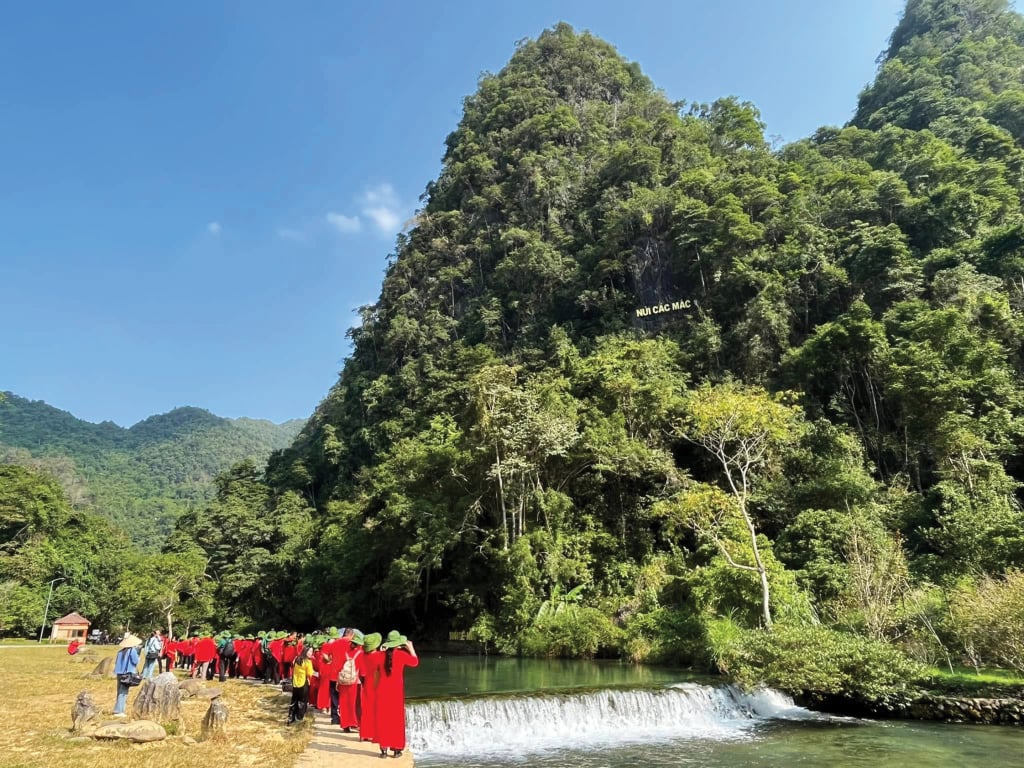
One of the must-see landmarks when visiting Cao Bang is the Pac Bo National Special Historical Site, where President Ho Chi Minh lived and worked after returning to Vietnam. Not only is it associated with a significant milestone in the nation's history, Pac Bo is also an ideal location for tourists to admire the poetic beauty of nature, with the crystal-clear Lenin Stream, the babbling water flowing over worn rocks, the majestic mountains, especially the towering Karl Marx Mountain. In spring, the atmosphere here becomes even more tranquil and sacred, with delicate clouds drifting lazily, sunlight filtering through the leaves, creating a romantic and mysterious space. The stunning natural scenery combined with historical events has made Pac Bo an indispensable destination on any journey to the roots of Vietnamese culture. Visitors here not only get to see the historical sites, but also have the opportunity to experience the atmosphere of a revolutionary period full of hardship but also heroism, and to quietly reflect on the noble values that our nation has gone through.
At the beginning of the year, when people start new beginnings, tourists often come to Pac Bo to participate in the tradition of fetching water from the source and offering incense at the Ho Chi Minh Memorial Temple. These solemn rituals help visitors feel the sacredness of the past and connect deeply with their national roots. The spring scenery with its fresh air and lush greenery further enhances the sacredness, creating a peaceful atmosphere for the commemorative ceremonies.
Ms. Luong Thi Hoa, from Group 7, Song Hien Ward (City), said: "Every year on the first day of Tet, my family makes it a tradition to visit the Pac Bo National Special Historical Site. Here, we both sightsee and collect water from the source, hoping for a new year full of health, well-behaved children, and smooth sailing in our work."
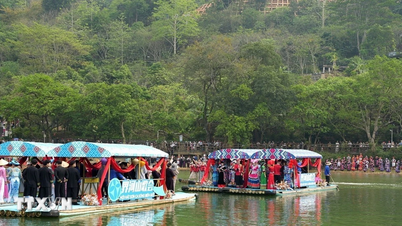
Spring is also the ideal time for tourists to participate in Cao Bang's traditional festivals, such as the Long Tong (going to the fields) festival, temple festivals, and unique highland markets. These festivals are not only opportunities for locals to express their love for the land and harvest, but also a chance for tourists to experience the joyful and warm atmosphere, immerse themselves in folk games, enjoy traditional dishes, and learn more about the unique customs and traditions of the Tay and Nung ethnic groups. The scenery of the villages, bathed in the warm spring air, with the bright smiles of the people and the colorful ethnic costumes, makes the festival atmosphere even more special.

Cao Bang is not only famous for its historical sites but also for its magnificent natural beauty, especially Ban Gioc Waterfall – one of the most beautiful waterfalls in Southeast Asia. In the early spring, Ban Gioc Waterfall appears like a stunning painting, with its clear, cool water blending with the tranquil atmosphere of spring, making visitors feel peaceful and serene. The waterfall cascades down from above, creating a majestic sound that blends with the birdsong and the babbling stream, making visitors feel as if they are lost in a mysterious and magical world. Ban Gioc Waterfall is not only an ideal destination to explore the beauty of nature, but also an ideal place to find inner peace. In the early spring, the waterfall seems to be clothed in a new coat, the water clearer and cooler, soothing the noise and stress of daily life, bringing visitors relaxation and peace.
Mr. Tran Minh Hung, a tourist from Hanoi, shared: "Visiting Cao Bang during the Lunar New Year brings many special emotions. The first stop was the Pac Bo historical site, where the fresh and peaceful atmosphere helped me deeply feel the revolutionary journey of our nation. The ritual of drawing water from the source symbolizes a lucky start to the new year. Next, we went to Ban Gioc Waterfall, where the majestic beauty of nature and the tranquil atmosphere made me feel peaceful. The trip not only helped me learn more about history and culture but also allowed me to enjoy the beautiful nature and the hospitality of the local people."
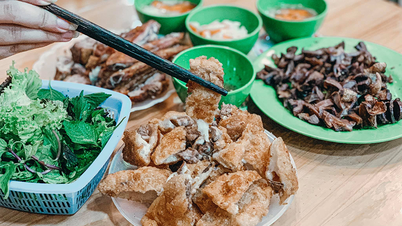
A trip to Cao Bang wouldn't be complete without enjoying the unique local specialties. In spring, when the weather is warm, visitors can savor rustic dishes rich in natural flavors, prepared from fresh ingredients sourced from the mountains and forests of Cao Bang. These dishes are not only a culmination of local culinary culture but also an opportunity for visitors to better understand the way of life, cooking methods, and the love that the local people have for nature and the land. Each dish bears the distinct cultural imprint of the Tay and Nung ethnic groups, creating a diverse and rich culinary identity. These meals are not just a combination of flavors but also a chance for visitors to discover the history, culture, and traditions of the region.
Duc Duy
Source: https://baocaobang.vn/du-lich-ve-nguon-dau-nam-3174889.html

![[Photo] National Assembly Chairman Tran Thanh Man attends the policy seminar to promote Vietnam-Türkiye cooperation.](https://vphoto.vietnam.vn/thumb/1200x675/vietnam/resource/IMAGE/2026/04/16/1776351415367_vna-potal-chu-tich-quoc-hoi-tran-thanh-man-du-toa-dam-chinh-sach-thuc-day-hop-tac-viet-nam-tho-nhi-ky-8705791-jpg.webp)

























































Comment (0)