

 |
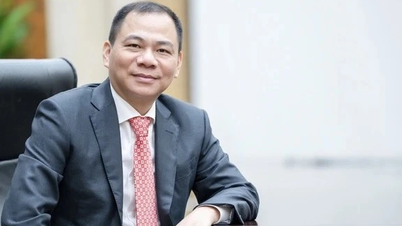
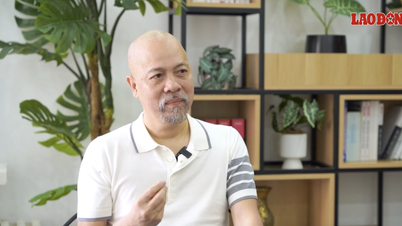
| Mr. Nguyen Chi Quang, Chairman of the Hue City Farmers' Association |
Mr. Nguyen Chi Quang stated: "In recent times, the farmers' movement in the city has been widely implemented by all levels and associations, from the city to the grassroots, with many flexible and practical forms. Activities supporting farmers such as transferring science and technology, vocational training, providing loans through banks and the Farmers' Support Fund, supplying agricultural materials, building organic production models, demonstration models, and linking production with product branding have been implemented quite synchronously."
Through this movement, the spirit of solidarity and cooperation among farmers has been fostered, and more and more exemplary farmers have emerged who excel in production and business, overcoming difficulties and escaping poverty. Among them are households that achieve revenues of tens of billions of dong each year, making a significant contribution to the socio -economic development of the locality.
To achieve that result, how did farmers play a leading role?
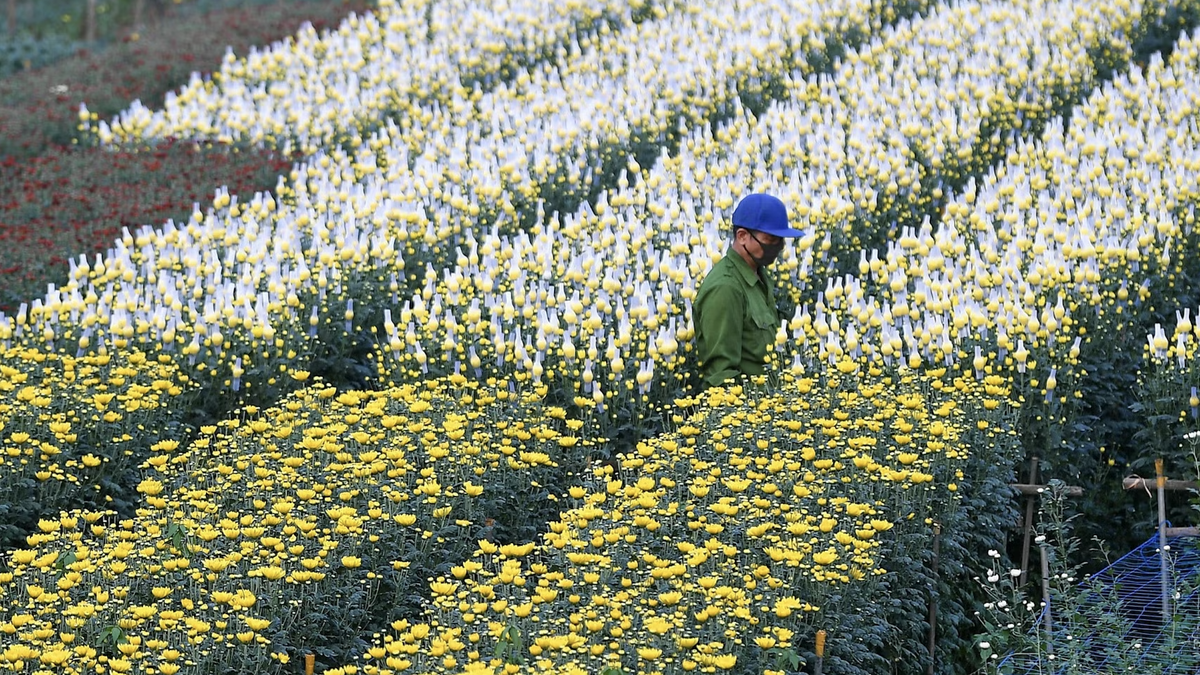
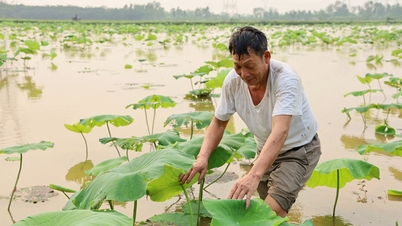
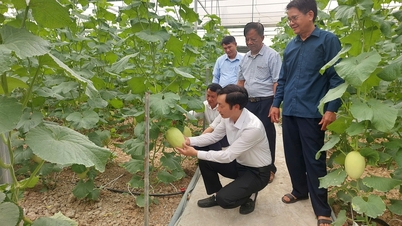
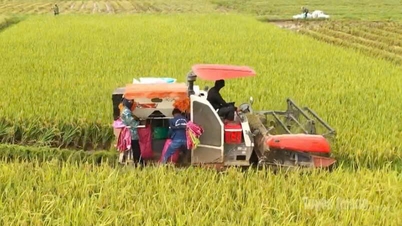
Farmers are increasingly asserting their role as key players in agricultural production development. During the period 2023-2025, the city's agricultural production is projected to maintain an average growth rate of 2.94% per year. The application of scientific and technological advancements, high technology, and organic farming models, including VietGAP, is expanding, with over 62,000 m² of greenhouses and net houses; 11,360 hectares producing according to VietGAP standards; and 318 hectares producing organically.
Along with that, the economic structure of coastal and lagoon areas has shifted in a positive direction; training and development have been intensified, with 7,845 skilled farmers and business owners receiving training. This has gradually improved the production skills and collaborative thinking of farmers.
How is the role of the Farmers' Association demonstrated in the development of new production models?
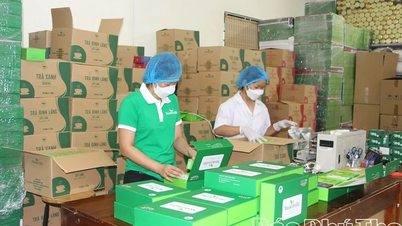
The City Farmers' Association has proactively participated in connecting and supporting farmers in forming and developing new production models. Notably, the association has signed a cooperation program with Que Lam Group on the development of organic agriculture and circular economy for the period 2024-2025, thereby supporting the construction of 45 production-consumption linkage models along the value chain.
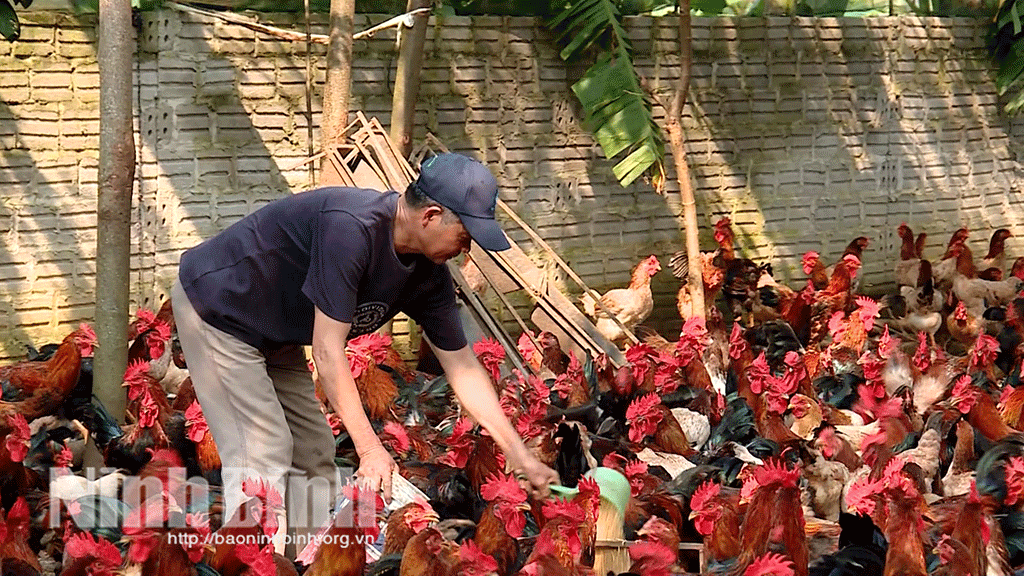
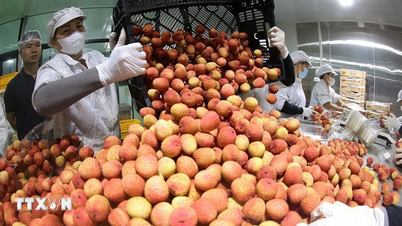
Through these models, farmer members gain access to technological advancements, shift the structure of crops and livestock, increase added value, and create stable jobs. Many high-quality rice production models and organic farming practices continue to be replicated, contributing to increased income for farmers.
Besides the achievements, what, in your opinion, are the current limitations facing the agricultural sector and farmers?
Agricultural production in the area remains largely small-scale and fragmented; linkages in production, processing, and consumption are not yet truly sustainable. The scale of high-tech agriculture, clean agriculture, and organic agriculture is not commensurate with its potential; attracting businesses to invest in the agricultural sector remains limited.
Furthermore, the level of expertise, skills, and mindset in applying high technology, green agriculture, and digital transformation in production among some farmers has not yet met the requirements; the organization and maintenance of value chains are still unstable, affecting the effectiveness and spread of the movement.
What are the root causes of these limitations, sir?
The main reason is that the farmers' movement has not developed evenly across localities, failing to fully exploit the potential and creativity of its members. Activities supporting farmers, especially in guiding production linkages, developing collective economic activities, building brands, and marketing agricultural products, still face many difficulties.
In addition, the production mindset and capacity to access science and technology among some farmers are still limited; their ability to participate in value chain linkage models is not high, leading to uneven effectiveness in implementing the movement.
In order for the farmers' movement to achieve better results in the coming period, what solutions, in your opinion, should the Association focus on?
First and foremost, it is necessary to continue promoting awareness campaigns to help farmers understand the essential need for developing production on a large scale, through linkages and cooperation; shifting from traditional production to the application of high technology; and moving from focusing on quantity to improving quality, added value, and food safety.
Based on that, the City Farmers' Association will direct its branches at all levels to mobilize the formation of production linkage models associated with product output; promote regional linkages, and build specialized production areas suitable to the conditions of each locality...
With that spirit in mind, in the new phase, the City Farmers' Association will focus on improving the quality of emulation movements, making farmers' movements more substantive. The goal is to increase the number of farmers achieving titles such as "Excellent Farmers in Production and Business," "Innovative Farmers," "Entrepreneurial Farmers," and "Farmers Applying Industry 4.0 Technology" annually. Based on the Resolution of the 17th City Party Congress, the association will proactively advise the Party Committee and government on issuing appropriate policies and guidelines to create conditions for farmers to develop sustainable production and business.
Thank you, sir!
Source: https://huengaynay.vn/kinh-te/dua-phong-trao-nong-dan-di-vao-thuc-chat-161287.html




























































Comment (0)